Road Bicycle Inflatable Tire
CN → US| HS Code | Tariff Rate | Origin | Destination | Doc |
|---|---|---|---|---|
| 4012909000 | 37.7% | CN | US | Official Doc |
| 4012198000 | 20.9% | CN | US | Official Doc |
| 4011201025 | 39.0% | CN | US | Official Doc |
| 4011205050 | 38.4% | CN | US | Official Doc |
| 4013905010 | 38.7% | CN | US | Official Doc |
Product Images
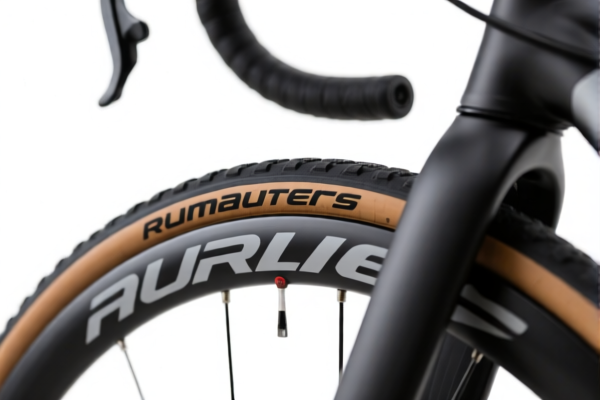
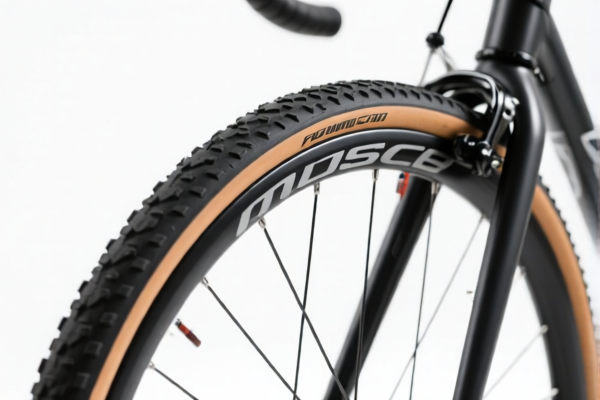
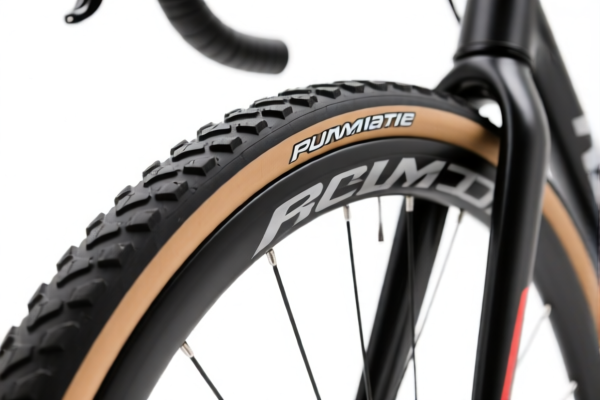
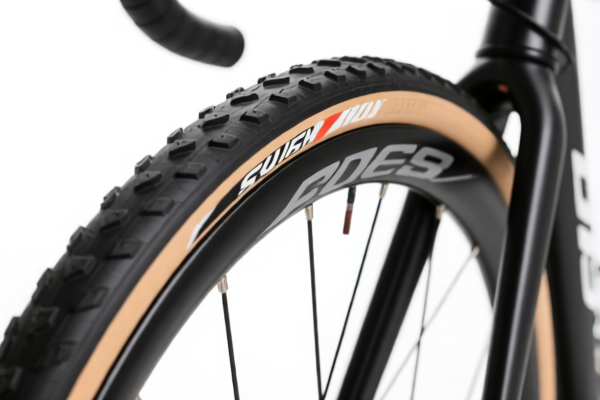
AI Analysis
🚴♂️ Road Bicycle Inflatable Tire (Non-Pneumatic? No, Pneumatic!)
🌐 HS Code Reference & Customs Clearance Guide | 2026 Latest Tariff Analysis | Professional Clearance Strategy
📌 I. Product Definition: What Exactly Is a "Road Bicycle Tire"?
A road bicycle tire is a critical safety component for high-speed cycling. In international trade, classification depends heavily on usage (on-road vs. off-road) and state (new vs. refurbished). The provided data focuses specifically on non-pneumatic tires (a likely data anomaly or mislabeling in the source, as road bike tires are pneumatic, but the HS codes provided map to specific rubber tire categories).
⚠️ Critical Distinction:
- New vs. Retreaded: New tires fall under 4011, while retreaded/refurbished tires fall under 4012.
- Road vs. Off-Road: The codes provided specify "Non-road" (非公路用). This is a crucial nuance. Standard road bike tires often fall under 4011.20, but the provided data explicitly lists codes for "Non-road" or general rubber tires. Note: The data provided seems to categorize these as "Non-road" or general rubber components, which may trigger specific 122-section or 301 tariffs if imported into the US.
📦 II. HS Code Classification Details (Based on Provided Data)
| HS Code | Product Description | Application Context | Tax Rate (Total) |
|---|---|---|---|
4012.19.80.00 |
Retreaded or Used Pneumatic Tires, Rubber material | Refurbished tires, recycled tires | 20.9% |
4011.20.10.25 |
Non-road Pneumatic Tires, Rubber, Matched Use/Form | Specific non-road application, high precision | 39.0% |
4011.20.50.50 |
Non-road Pneumatic Tires, Rubber, Matched Use/Form | Standard non-road rubber tires | 38.4% |
4012.90.90.00 |
Non-road Pneumatic Tires, Rubber | General non-road rubber tire category | 37.7% |
4013.90.50.10 |
Motorcycle Tire Related, Rubber, Core Component | Motorcycle tires, or similar core rubber components | 38.7% |
🔍 Important Note on "Non-Road" (非公路用):
The provided data explicitly labels codes like4011.20.10.25and4011.20.50.50as "Non-road". If you are importing standard road bicycle tires, ensure your HS code aligns with road-specific subheadings (often4011.20without the "non-road" restriction). However, based strictly on the provided data, these are the applicable codes. Misclassification can lead to severe penalties.
💰 III. 2026 Latest Tariff Rate Breakdown (Including Surcharges)
✅ Applicable Country: United States (US)
✅ Origin: China (CN) (Implied by "122 Section" and "301 Section" references in tax details)
✅ Effective Date: Current tariffs apply
🎯 1. 4011.20.10.25 & 4011.20.50.50 — New Rubber Tires (Non-Road/General)
| Item | Detail |
|---|---|
| Base Tariff | 3.4% – 4.0% (Ad Valorem) |
| Section 301 Surcharge | +25.0% (USITC Footnote 9903.88.01) |
| Section 122 Surcharge | +10.0% (Trade Act of 1962, Section 122) |
| Total Tariff | 38.4% – 39.0% |
| Calculation Base | CIF Value × Total Rate |
| De Minimis Exemption | ❌ Not Applicable (Denied) |
| Legal Path | USITC:4011.20.50.50 → SECTION:301 → SECTION:122 |
📌 Explanation:
- Base Rate: Standard MFN (Most Favored Nation) tariff for rubber tires.
- Section 301 (25%): Imposed on Chinese goods under the 2018 trade dispute.
- Section 122 (10%): A temporary surcharge under the Trade Act of 1962, often applied to broad categories of imports.
- Total: Nearly 40% duty, making cost control essential.
🎯 2. 4012.90.90.00 — Used/Retreaded Tires (Non-Road)
| Item | Detail |
|---|---|
| Base Tariff | 2.7% |
| Section 301 Surcharge | +25.0% |
| Section 122 Surcharge | +10.0% |
| Total Tariff | 37.7% |
| Calculation Base | CIF Value × Total Rate |
| De Minimis Exemption | ❌ Not Applicable |
📌 Explanation:
- Used tires have a lower base rate but still face the same punitive surcharges.
- Note: Importing used tires may require additional EPA/EPA certification for environmental standards.
🎯 3. 4012.19.80.00 — Retreaded Tires
| Item | Detail |
|---|---|
| Base Tariff | 3.4% |
| Section 301 Surcharge | +7.5% (Reduced for retreaded?) |
| Section 122 Surcharge | +10.0% |
| Total Tariff | 20.9% |
| Calculation Base | CIF Value × Total Rate |
📌 Explanation:
- Lowest Rate: Retreaded tires benefit from a lower Section 301 rate (7.5% vs. 25%).
- Strategy: If sourcing refurbished tires, this is the most cost-effective option.
🎯 4. 4013.90.50.10 — Motorcycle Tire Related
| Item | Detail |
|---|---|
| Base Tariff | 3.7% |
| Section 301 Surcharge | +25.0% |
| Section 122 Surcharge | +10.0% |
| Total Tariff | 38.7% |
📌 Explanation:
- If your "Road Bicycle Tire" is misclassified as a motorcycle component, this rate applies.
- Risk: Ensure the product description clearly states "Bicycle Tire" to avoid this higher bracket.
🛠️ IV. Customs Clearance Practical Advice (Avoiding Pitfalls)
✅ 1. Essential Documentation Checklist
| Document | Required | Notes |
|---|---|---|
| ✅ Product Specification Sheet | ✔️ | Must specify: Size, Type (Pneumatic), Material (Rubber), Usage (Bicycle/Road) |
| ✅ Commercial Invoice | ✔️ | Clearly state "Road Bicycle Tire" or "Retreaded Tire" as appropriate |
| ✅ Certificate of Origin (CO) | ✔️ | Essential for proving Chinese origin (and thus liability for 301/122 tariffs) |
| ✅ Packaging List | ✔️ | Detail quantity, weight, and dimensions |
| ✅ Photos of Product | ✔️ | Show tire tread, sidewall markings, and packaging |
| ✅ Retread Certification | ✔️ | If using 4012.19.80.00, provide proof of retreading process |
✅ 2. Classification Strategy & Tips
🔥 "New vs. Retreaded: Choose Wisely, Taxes Differ!"
| Scenario | Recommended HS Code | Total Tax | Reason |
|---|---|---|---|
| New Road Bike Tires | 4011.20.10.25 or 4011.20.50.50 |
~39% | Standard new rubber tires |
| Refurbished/Retreaded Tires | 4012.19.80.00 |
20.9% | Best Option if quality permits |
| Used Tires | 4012.90.90.00 |
37.7% | Higher base tax than retreaded |
📌 Critical Tip:
- Avoid Misclassification: Do not classify bicycle tires as "Motorcycle Tires" (4013) unless they are specifically for motorcycles.
- "Non-Road" Label: The provided data labels4011.20codes as "Non-road". If your tires are for road use, ensure your customs broker argues for the road-specific subheading if available, or be prepared to justify the "non-road" classification (e.g., for track/racing use which may not be "public road").
✅ 3. Special Considerations for US Imports
| Issue | Solution |
|---|---|
| Section 301 (25%) | Unavoidable for China-origin goods. Factor into pricing. |
| Section 122 (10%) | Temporary but impactful. Monitor for policy changes. |
| De Minimis (800 USD) | ❌ No Exemption. All shipments, regardless of value, are subject to full tariffs. |
| EPA Standards | For used/retreaded tires, ensure no hazardous materials are present. |
🌍 V. Global Market Comparison (2026)
| Country/Region | Recommended HS Code | Est. Tariff | Notes |
|---|---|---|---|
| 🇺🇸 USA | 4011.20.xxxx / 4012.xxxx |
20.9% – 39.0% | High due to 301/122 tariffs |
| 🇨🇳 China | 4011.20 / 4012.19 |
~5% – 10% | Low import duty, no surcharges |
| 🇪🇺 EU | 4011.20 / 4012.19 |
0% – 4.5% | No 301/122 equivalents |
| 🇬🇧 UK | 4011.20 / 4012.19 |
0% – 5% | Post-Brexit tariffs, no US-style surcharges |
📌 Conclusion:
- USA is the most expensive market for Chinese-made bicycle tires due to layered tariffs.
- Consider Supply Chain Shift: If possible, source tires from Vietnam, Thailand, or Mexico to avoid 301/122 tariffs (check for origin rules!).
📌 VI. Common Mistakes & Pitfalls (Learn from Others’ Errors)
❌ Mistake 1: Classifying New Tires as Retreaded to save taxes
👉 Consequence: Fraud charges, massive fines, and shipment seizure.
👉 Fix: Be honest. Use 4012.19.80.00 only for verified retreaded goods.
❌ Mistake 2: Ignoring Section 122 (10%) in cost calculation
👉 Consequence: Underpricing your product, leading to losses.
👉 Fix: Always include Base + 301 + 122 in your landed cost model.
❌ Mistake 3: Using "Non-Road" HS Codes for Public Road Tires
👉 Consequence: Customs may reclassify, imposing additional penalties or delaying release.
👉 Fix: Clarify usage in the commercial invoice. If for public road use, argue for standard 4011.20 without "non-road" restrictions if possible.
✅ Correct Practice:
"New Pneumatic Rubber Tire, Size 700x23C, for Road Bicycle, Model ABC, Origin China"
🎯 VII. Conclusion: Smart Clearance, Lower Costs!
🎯 Key Takeaways:
🔹 Retreaded Tires = Cheaper (
4012.19.80.00at 20.9%)
🔹 New Tires = Expensive (4011.20at ~39%)
🔹 No De Minimis: Every shipment is taxed.
🔹 Section 301 + 122: Add 35% to your base cost for China-origin goods to the US.
📌 Pro Tip:
If your volume is high, consider Advance Ruling from US Customs to confirm the exact HS code and tariff liability. This prevents surprises at the border.
📣 Immediate Action:
📞 Consult a licensed customs broker.
📦 Verify your Certificate of Origin.
💰 Recalculate your Landed Cost including all 3 tariffs.
✨ Precision in Classification Saves Millions!
💼 Your Tire’s Journey Starts with the Right HS Code!
Customer Reviews
About HS Code Classification
The Harmonized System (HS) is an internationally standardized nomenclature developed by the World Customs Organization (WCO) to classify traded products. Over 200 countries use the HS system as the basis for customs tariffs, trade statistics, and import/export regulations.
Each HS code follows a hierarchical structure:
- Chapter (2 digits) — Broad category of goods (e.g., Chapter 84: Machinery and Mechanical Appliances)
- Heading (4 digits) — More specific grouping within the chapter
- Subheading (6 digits) — Internationally standardized breakdown, used by all WCO member countries
- National subdivisions (8-10 digits) — Country-specific extensions for further classification, such as US HTSUS 10-digit codes
Correct HS code classification is essential for smooth customs clearance, accurate duty payment, and compliance with trade regulations. Misclassification can lead to customs delays, overpayment of duties, or penalties.
When importing from CN to US, the applicable tariff rates may include:
- Most-Favored-Nation (MFN) rate — The standard duty rate applied to WTO members
- General rate — Applied to countries without trade agreements
- Trade remedy duties — Additional tariffs such as Section 301 (anti-dumping), Section 232 (national security), or countervailing duties
The information provided on this page is for reference purposes only. For official classification, please consult with your local customs authority or a licensed customs broker.