Robe
CN → US| HS Code | Tariff Rate | Origin | Destination | Doc |
|---|---|---|---|---|
| 6107910040 | 18.7% | CN | US | Official Doc |
| 6107910030 | 26.2% | CN | US | Official Doc |
| 6208911010 | 25.0% | CN | US | Official Doc |
| 6207911000 | 25.9% | CN | US | Official Doc |
| 6207999010 | 17.1% | CN | US | Official Doc |
Product Images
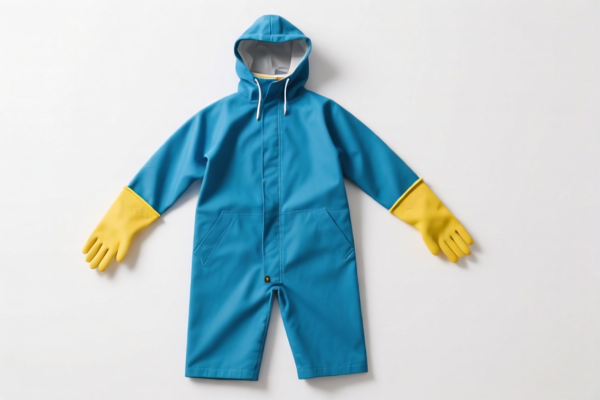
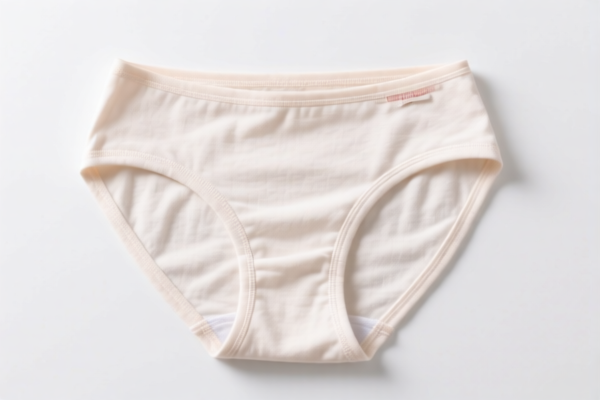


AI Analysis
🛀 Robes: The Ultimate Guide to HS Code Classification & Tariff Strategies (2026)
🌐 HS Code Reference & Customs Clearance Guide | 2026 Tariff Code Deep Dive | Strategic Import Strategy
📌 I. Product Definition & Classification: What Exactly is a "Robe"?
In international trade, a Robe is classified under Chapter 61 (Knitted) or Chapter 62 (Woven) based on its manufacturing method. It is a loose-fitting garment primarily worn for lounging, post-bath comfort, or as a bathrobe.
The key to correct classification lies in the fabric type and construction method:
- Knitted Robes (Chapter 61): Made from knitted fabrics (stretchy, looped). Includes men's and women's cotton bathrobes made of knitted fabric.
- Woven Robes (Chapter 62): Made from woven fabrics (non-stretch, interlaced threads). Includes men's and women's cotton bathrobes made of woven fabric.
⚠️ Critical Distinction for Customs:
- Knitted Fabric + Bathrobe Purpose → Chapter 61 (e.g., 6107/6108)
- Woven Fabric + Bathrobe Purpose → Chapter 62 (e.g., 6207/6208)
- Material Composition: Most bathrobes are Cotton (Chapter 61/62 sub-headers for "Other Textile Materials" or specific cotton codes).
📦 II. Detailed HS Code Breakdown (Based on Provided Data)
Based on your specific dataset, here is the classification analysis for Cotton Robes (Knitted & Woven).
| HS Code | Product Description | Fabric/Construction | Gender | Total Tax Rate | Tax Structure Detail |
|---|---|---|---|---|---|
6107.91.00.40 |
Cotton Bathrobe (Knitted) | Knitted Cotton | Unisex/Men* | 18.7% | Base: 8.7% + Section 301 (Add-on): 0% + 122 Clause: 10% |
6107.91.00.30 |
Cotton Bathrobe (Knitted) | Knitted Cotton | Unisex/Men* | 26.2% | Base: 8.7% + Section 301 (Add-on): 7.5% + 122 Clause: 10% |
6208.91.10.10 |
Women's Cotton Bathrobe | Woven Cotton | Female | 25.0% | Base: 7.5% + Section 301 (Add-on): 7.5% + 122 Clause: 10% |
6207.91.10.00 |
Men's/Unisex Cotton Bathrobe | Woven Cotton | Male/Unisex | 25.9% | Base: 8.4% + Section 301 (Add-on): 7.5% + 122 Clause: 10% |
6207.99.90.10 |
Cotton Robe (Other Woven) | Woven Cotton (Other) | Unisex/Men* | 17.1% | Base: 7.1% + Section 301 (Add-on): 0% + 122 Clause: 10% |
🔍 Detailed Classification Logic:
1.6107.91.00.30/6107.91.00.40: These fall under 6107 (Men's or boys' bathrobes). * Note:6107.91indicates "Cotton". The suffix.30or.40distinguishes between specific sub-categories (likely different knit density or blend nuances) leading to the 7.5% Section 301 Add-on for.30vs 0% for.40. 2.6208.91.10.10: Falls under 6208 (Women's robes). The91indicates Cotton. This category carries a 7.5% Section 301 Add-on. 3.6207.91.10.00: Falls under 6207 (Men's/boys' robes). The91indicates Cotton. It carries a 7.5% Section 301 Add-on. 4.6207.99.90.10: Falls under 6207. The99indicates "Other" (not cotton or other specific material, but your summary says "Cotton fabric bathrobe" - likely a specific tariff code for a cotton blend or a specific woven category where the "Other" classification applies). Crucially, it has 0% Section 301 Add-on, making it the cheapest option at 17.1%.
💰 III. 2026 Tariff Rate Deep Dive & Policy Analysis
✅ Applicable Region: USA (United States)
✅ Origin: China (CN)
✅ Effective Time: 2025-2026 Cycle
🎯 1. The "122 Clause" (Section 232/122) Impact
All items in your list include a 10% tariff labeled as "122 Clause". * Explanation: This typically refers to additional tariffs imposed under specific Section 232 (National Security) or Section 301 enforcement clauses affecting textiles/apparel. * Impact: This is a fixed 10% surcharge added to the Base + Section 301 rates for ALL listed items.
🎯 2. Section 301 "Add-on" Tariffs (The Variable Factor)
This is the critical differentiator between your HS Codes:
* 0% Add-on: Codes 6107.91.00.40 and 6207.99.90.10.
* Total Tax: 18.7% and 17.1% respectively.
* 7.5% Add-on: Codes 6107.91.00.30, 6208.91.10.10, and 6207.91.10.00.
* Total Tax: Ranges from 25.0% to 26.2%.
📌 Why the Difference?
Customs often differentiates based on: 1. Specific Fabric Weave: Some woven cottons are exempt from the specific "Additional Duty 301" sub-clause. 2. Product Sub-category:.40vs.30often relates to specific "Other" vs "Standard" classifications in the Harmonized Tariff Schedule (HTSUS). 3. Country Specificity: If your "Cotton" is actually a specific blend or has a specific origin within China, it might qualify for the lower rate.
🛠️ IV. Customs Clearance Strategy & Practical Advice
✅ 1. Preparation Checklist (Must-Haves)
| Document | Requirement | Why It Matters |
|---|---|---|
| Product Composition Cert | ✔️ | Must explicitly state "100% Cotton" or "XX% Cotton" to justify 91 (Cotton) codes. |
| Knitted vs. Woven Proof | ✔️ | Crucial! A swatch test or weave diagram is needed. Knitted = Ch 61; Woven = Ch 62. |
| Gender Specification | ✔️ | Must specify "Men's" (6107/6207) or "Women's" (6208). Misclassification leads to high penalties. |
| Detailed Invoice | ✔️ | Must list Base Price, Freight, and Insurance (CIF) clearly for tax calculation. |
| Labeling Samples | ✔️ | Labels must match the declared HS Code (e.g., no "Men's" on a product declared as "Women's"). |
✅ 2. Strategic Tax Optimization (How to Lower Rates)
🔥 Strategy A: Optimize the "Add-on" Tariff (7.5% → 0%)
If you can prove your product fits under6107.91.00.40or6207.99.90.10, you save 7.5% instantly. * Action: Review your fabric weave. Is there a specific sub-type of woven cotton that falls under99.90.10? Consult a specialist to see if your specific cotton bathrobe qualifies for the 0% Add-on code (6207.99.90.10) instead of the standard6207.91.Strategy B: Gender Classification
If the product is Unisex, declaring it as Men's (6107) might offer the6107.91.00.40(18.7%) option, whereas declaring it as Women's (6208) forces the 25.0% rate. * Action: If the design is neutral, declare as Men's* to target the lower6107.91.00.40rate.
✅ 3. Avoiding Common Pitfalls
| ❌ Common Mistake | ⚠️ Consequence | ✅ Correct Fix |
|---|---|---|
| Generic Description | "Bathrobe" | Specific: "Men's Knitted Cotton Bathrobe, 100% Cotton, Woven Knit, Size L" |
| Wrong Chapter | Declaring Woven as Knitted (or vice versa) | Verify Fabric: Use a microscope or texture test. Knitted = stretchy; Woven = rigid. |
| Ignoring 122 Clause | Missing the 10% surcharge | Always Add 10% to your cost calculation for China-origin textiles. |
| Mixing Gender Codes | Mixing Men's/Women's in one container without split declaration | Split B/L: Declare separate line items for Men's (6107) and Women's (6208) to avoid audit flags. |
🌍 V. Global Market Comparison (2026 Snapshot)
| Region | Typical Duty on Cotton Robes (China Origin) | Notes |
|---|---|---|
| 🇺🇸 USA | 17.1% – 26.2% (Including 122 & 301 Add-ons) | Highest complexity. The 7.5% "Add-on" is the key variable. |
| 🇨🇳 China | 0% (Domestic) | N/A |
| 🇪🇺 EU | ~12% (General MFN) | No Section 301, but may have anti-dumping duties. |
| 🇯🇵 Japan | ~10-12% | No Section 301. |
| 🇦🇺 Australia | 5-10% | No Section 301. |
📌 Key Insight:
The USA is the most expensive market for cotton bathrobes due to the 122 Clause (10%) and Section 301 (0% or 7.5%)叠加 (stacking).
Recommendation: If selling globally, prioritize non-US markets for higher margins, or restructure the supply chain for the US market to target the6207.99.90.10(17.1%) code.
📌 VI. Final Verdict & Action Plan
🎯 The Bottom Line:
Your classification depends on Fabric Type (Knit/Woven) + Gender + Specific Sub-category.
1. Target the Lowest Rate: Aim for 6207.99.90.10 (17.1%) or 6107.91.00.40 (18.7%).
2. Avoid the 7.5% Add-on: Do not default to 6107.91.00.30, 6208.91.10.10, or 6207.91.10.00 unless your product strictly fits those specific narrow definitions.
3. Documentation is King: Provide a weave diagram and composition certificate to prove your right to the lower rate.
💡 Pro Tip:
"Don't let the 7.5% add-on eat your profit!"
Work with a Certified Customs Broker to request a Pre-Entry Ruling before shipping. A 5-minute ruling can save you thousands in unexpected taxes.
✨ Ready to Ship?
📞 Contact your broker with this HS Code matrix.
🚀 Double-check your fabric samples before packing.
📉 Calculate your landed cost using the 17.1% baseline, not the 26.2% average.
🏆 Smart Trade, Low Tariffs, High Profit!
Your robe is more than just fabric; it's a strategic asset. Classify it right.
Customer Reviews
About HS Code Classification
The Harmonized System (HS) is an internationally standardized nomenclature developed by the World Customs Organization (WCO) to classify traded products. Over 200 countries use the HS system as the basis for customs tariffs, trade statistics, and import/export regulations.
Each HS code follows a hierarchical structure:
- Chapter (2 digits) — Broad category of goods (e.g., Chapter 84: Machinery and Mechanical Appliances)
- Heading (4 digits) — More specific grouping within the chapter
- Subheading (6 digits) — Internationally standardized breakdown, used by all WCO member countries
- National subdivisions (8-10 digits) — Country-specific extensions for further classification, such as US HTSUS 10-digit codes
Correct HS code classification is essential for smooth customs clearance, accurate duty payment, and compliance with trade regulations. Misclassification can lead to customs delays, overpayment of duties, or penalties.
When importing from CN to US, the applicable tariff rates may include:
- Most-Favored-Nation (MFN) rate — The standard duty rate applied to WTO members
- General rate — Applied to countries without trade agreements
- Trade remedy duties — Additional tariffs such as Section 301 (anti-dumping), Section 232 (national security), or countervailing duties
The information provided on this page is for reference purposes only. For official classification, please consult with your local customs authority or a licensed customs broker.