Rocker Arm
CN → US| HS Code | Tariff Rate | Origin | Destination | Doc |
|---|---|---|---|---|
| 8431499005 | 85.0% | CN | US | Official Doc |
| 8708806590 | 0.0% | CN | US | Official Doc |
| 8483105000 | 35.0% | CN | US | Official Doc |
| 8483908080 | 37.8% | CN | US | Official Doc |
Product Images
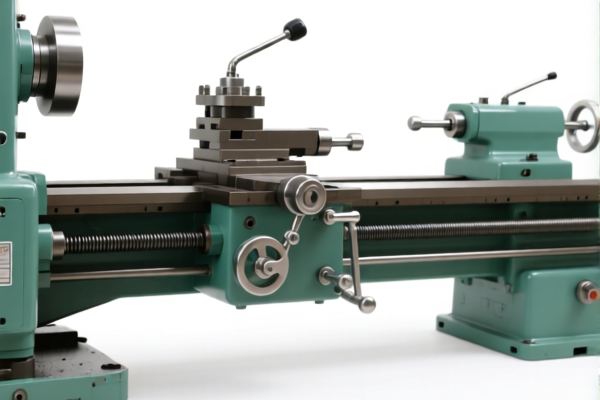
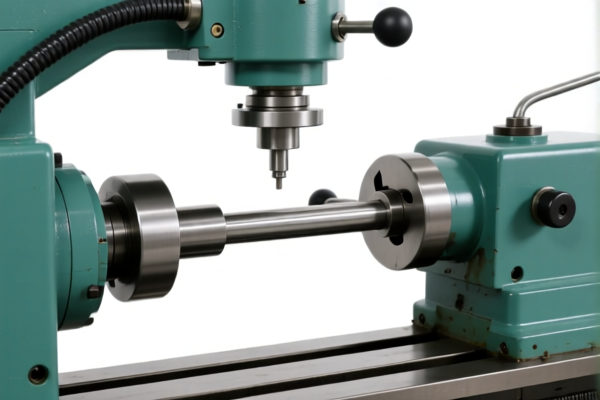
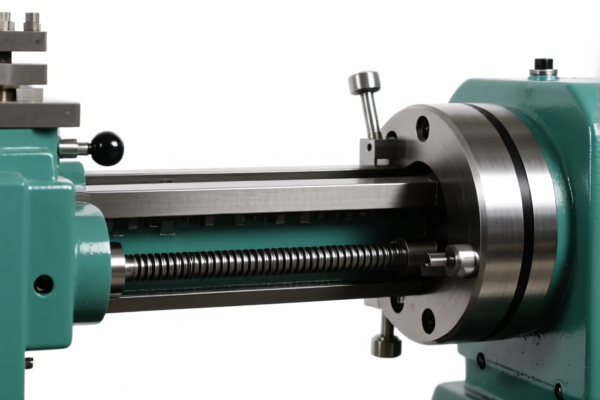
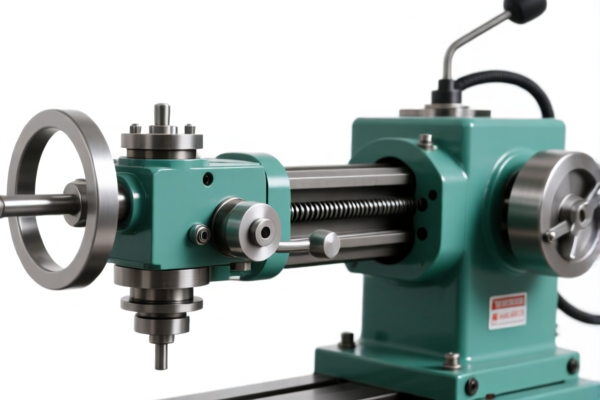
AI Analysis
🦾 Rocker Arm (Mechanical Linkage Component)
🌐 HS Code Reference & Customs Clearance Guide | 2026 Latest Tariff Analysis | Professional Clearance Strategy
📌 I. Product Definition & Classification: What Exactly is a "Rocker Arm"?
The Rocker Arm is a critical mechanical linkage component, primarily functioning to change the direction or amount of movement and force. In international trade, its classification depends entirely on its specific application, structure, and intended use. It is not a single uniform product but falls into different categories based on where it is installed.
Two Main Categories: 1. General Mechanical Part: Used in engines, machinery, or industrial equipment as a lever for transmission/linkage. 2. Automotive Suspension Part: Specifically used as a structural component in vehicle suspension systems.
⚠️ Key Distinction Point:
- If the rocker arm is used for transmission/linkage in general machinery or engines → Classified under Chapter 84 (Machinery).
- If the rocker arm is a suspension component for vehicles → Classified under Chapter 87 (Vehicles).
- Do not misclassify suspension parts as general machinery parts, as the tariff implications are drastically different!
📦 II. HS Code Classification Details (2026 Latest Tariff Authority Match)
Based on the provided data, here are the four possible HS Code classifications for "Rocker Arm," along with the rationale for each:
| HS Code | Product Description | Applicable Scenario | Summary of Reasoning |
|---|---|---|---|
8431.49.90.05 |
Accessories for Mechanical Handling Equipment | Used as a mechanical structure part for machinery; fits the characteristic of "accessories installed on machinery." | ✅ Classified as a general mechanical accessory. |
8708.80.65.90 |
Parts and Accessories of Motor Vehicles | Metal rocker arm used as a structural part of vehicle suspension systems; belongs to "other parts" category. | ✅ Classified specifically for automotive suspension. |
8483.10.50.00 |
Transmission Shafts, Cranks, and Shafting | Metal rocker arm belongs to transmission/linkage parts; matches mechanical usage with transmission shafts and cranks. | ✅ Classified as a transmission element. |
8483.90.80.80 |
Parts of Transmission/Shafting | Metal rocker arm is a component of transmission elements; fits the reasonable scope under "other items." | ✅ Classified as a transmission part. |
🔍 Important Note:
-8431: Best for handling machinery accessories.
-8708: Best for car/truck suspension parts.
-8483: Best for engine/industrial transmission parts.
- The choice of HS Code significantly affects the Total Tax Rate (from 35% to 85%).
💰 III. 2026 Latest Tariff Rate Detailed Explanation (Including Surtaxes)
✅ Applicable Country: USA (US)
✅ Origin: China (CN)
✅ Effective Date: 2025/2026 Current Regulations
🎯 1. 8431.49.90.05 — Accessories for Mechanical Handling Equipment
| Item | Content |
|---|---|
| Base Tariff | 0.0% |
| Section 301 Surtax | +25.0% |
| 122 Clause Surtax | +10.0% |
| Steel/Aluminum/Copper Surtax | +50.0% |
| Total Tax Rate | 85.0% |
| Tax Calculation | CIF Value × 85% |
| De Minimis Exemption | ❌ Not Available |
| Legal Basis Path | USITC:8431.49.90.05 → FOOTNOTE:301 → FOOTNOTE:122 → FOOTNOTE:STEEL_ALU |
📌 Explanation:
- This classification incurs the highest possible tax rate (85%) if the product is made of steel, aluminum, or copper.
- Even though the base tariff is 0%, the cumulative surtaxes are devastating.
- Risk: High. Only use if no other classification applies and you are prepared for high costs.
🎯 2. 8708.80.65.90 — Parts of Motor Vehicles (Suspension)
| Item | Content |
|---|---|
| Base Tariff | 2.5% |
| Section 301 Surtax | +25.0% |
| 122 Clause Surtax | +10.0% |
| Steel/Aluminum/Copper Surtax | +50.0% |
| Total Tax Rate | 85.0% (2.5% + 25% + 10% + 50%) |
| Tax Calculation | CIF Value × 85% |
| De Minimis Exemption | ❌ Not Available |
| Legal Basis Path | USITC:8708.80.65.90 → FOOTNOTE:301 → FOOTNOTE:122 → FOOTNOTE:STEEL_ALU |
📌 Explanation:
- Despite being an automotive part (which sometimes has lower base rates), the Steel/Aluminum surtax (50%) pushes the total to 85%.
- Critical: If the rocker arm is for a vehicle, ensure it is not classified here if a better Chapter 84 code applies, or vice versa, depending on the material and exact function.
- Note: The input data shows "85.0%" for this code, likely due to the 50% steel/aluminum surtax on top of the 37.5% (2.5+25+10).
🎯 3. 8483.10.50.00 — Transmission Shafts, Cranks, etc.
| Item | Content |
|---|---|
| Base Tariff | 0.0% |
| Section 301 Surtax | +25.0% |
| 122 Clause Surtax | +10.0% |
| Steel/Aluminum/Copper Surtax | ❌ Not Applied (Specific to Chapter 72-83 steel/aluminum items; this is machinery part) |
| Total Tax Rate | 35.0% |
| Tax Calculation | CIF Value × 35% |
| De Minimis Exemption | ❌ Not Available |
| Legal Basis Path | USITC:8483.10.50.00 → FOOTNOTE:301 → FOOTNOTE:122 |
📌 Explanation:
- Much more favorable if the rocker arm is considered a transmission/linkage part (e.g., in an engine valve train or industrial linkage) rather than a steel construction material.
- Savings: 50% lower than the steel/aluminum surtax categories!
- Strategy: If the part is not specifically for suspension or handling, argue for this classification to save ~50% in taxes.
🎯 4. 8483.90.80.80 — Parts of Transmission/Shafting
| Item | Content |
|---|---|
| Base Tariff | 2.8% |
| Section 301 Surtax | +25.0% |
| 122 Clause Surtax | +10.0% |
| Steel/Aluminum/Copper Surtax | ❌ Not Applied |
| Total Tax Rate | 37.8% |
| Tax Calculation | CIF Value × 37.8% |
| De Minimis Exemption | ❌ Not Available |
| Legal Basis Path | USITC:8483.90.80.80 → FOOTNOTE:301 → FOOTNOTE:122 |
📌 Explanation:
- Similar to8483.10.50.00, but with a slight base tariff.
- Total Rate: 37.8%.
- Strategy: Use this if the part is a "part" of a transmission system rather than a shaft/crank itself. It is still significantly cheaper than the 85% rates.
🛠️ IV. Customs Clearance Practical Advice (Real-World Pitfall Guide)
✅ 1. Preparation Checklist (Non-negotiable)
| Material | Must Provide | Explanation |
|---|---|---|
| ✅ Product Specification Sheet | ✔️ | Must specify: Material (Steel/Al), Function (Suspension vs. Transmission), Application (Car vs. Machine). |
| ✅ Technical Drawings | ✔️ | Highlight mounting points, pivot pins, and connection to other parts to prove "linkage" or "suspension" role. |
| ✅ Product Photos (Clear) | ✔️ | Show the entire part, including any markings/model numbers. |
| ✅ Commercial Invoice | ✔️ | Clearly state: "Metal Rocker Arm, Transmission Part, Model XYZ." Avoid vague terms like "Mechanical Part." |
| ✅ Bill of Lading | ✔️ | Ensure weight and dimensions match. |
| ✅ Material Declaration | ✔️ | Crucial: Declare exact material to avoid the 50% Steel/Al surtax if possible, or confirm if it applies. |
✅ 2. Declaration Tips (Key Mantras)
🔥 “Function Defines Code, Material Defines Surtax, Clarity Saves Money!”
| Scenario | Correct Declaration | Incorrect Action |
|---|---|---|
| Engine Valve Rocker Arm | 8483.10.50.00 or 8483.90.80.80 (Transmission Part) |
Misclassified as 8708 (Auto Part) → 85% tax |
| Car Suspension Rocker Arm | 8708.80.65.90 (Suspension Part) |
Misclassified as 8483 → Risk of reclassification & penalty |
| Industrial Linkage Lever | 8431.49.90.05 (Machinery Accessory) |
Vague name "Metal Arm" → High risk of detention |
| Steel Rocker Arm | Declare material clearly | Hide material → 50% Surtax penalty if caught |
✅ 3. Special Situation Handling
| Situation | Handling Advice |
|---|---|
| Mixed Shipments | Separate "Auto Parts" from "Machinery Parts" in the invoice. Do not mix 8708 and 8483 codes in one line item without clear breakdown. |
| Material Change | If switching from Steel to Aluminum, ensure the declaration matches. The 50% surtax may apply to both, but verification is key. |
| Pre-Ruling | If the function is ambiguous (e.g., part could be transmission OR suspension), apply for an Advance Ruling from US Customs to lock in the 35-37.8% rate instead of 85%. |
| OEM Custom Parts | Provide the original equipment manufacturer (OEM) drawing that specifies the exact application code to support your HS Code choice. |
🌍 V. Global Market Clearance Comparison (2026 Latest)
| Country/Region | Recommended HS Code | Tariff (Approx.) | Certification | Remarks |
|---|---|---|---|---|
| 🇺🇸 USA | 8483.90.80.80 |
37.8% | N/A | Avoid 8431/8708 if possible due to 85% surtax. |
| 🇨🇳 China | 8483.90.80.80 |
7-8% | N/A | Lower base tariff, no US-style surtaxes. |
| 🇪🇺 EU | 8483.90.80.80 |
0-1.7% | CE (if applicable) | Very low tariffs for machinery parts. |
| 🇦🇺 Australia | 8483.90.80.80 |
5% | N/A | Moderate tariff. |
| 🇯🇵 Japan | 8483.90.80.80 |
0-1.4% | N/A | Low tariff. |
📌 Conclusion:
- USA is the most expensive market due to Section 301 and 122 surtaxes.
- Strategy: If exporting to the USA, aggressively pursue8483classification (Transmission Parts) for rocker arms that are not strictly automotive suspension components.
- Save 50%: The difference between 37.8% and 85% is massive. Proper documentation is your best defense.
📌 VI. Common Mistakes & Pitfall Guide (Lessons Learned)
❌ Mistake 1: Calling it "Auto Part" when it's for a generator or industrial machine.
👉 Result: Customs may reclassify to 8483 (lower tax) or 8431 (higher tax with surtax). Inconsistent naming causes delays.
❌ Mistake 2: Ignoring the Material Surtax.
👉 Result: Assuming 25% tax when it’s actually 75-85% due to Steel/Aluminum surtax. Financial shock!
❌ Mistake 3: Mixing Suspension and Transmission Rocker Arms in one shipment.
👉 Result: Customs will separate them, possibly auditing each code. If one is wrong, the whole shipment is held.
❌ Mistake 4: Vague Description "Mechanical Arm".
👉 Result: High risk of audit. Provide technical specs and application diagrams.
✅ Correct Action:
“Metal Rocker Arm, For Engine Valve Train, Part No. XYZ, Material: Steel, HS Code: 8483.90.80.80”
🎯 VII. Conclusion: Professional Declaration, Cost Reduction!
🎯 Remember the Mantra:
🔹 “Transmission = 35-38% | Suspension/Handling = 85% | Material Matters!”
🔹 “Clarify Function, Declare Material, Save Thousands!”
📌 Pro Tip:
If your Rocker Arm is not made of Steel, Aluminum, or Copper (e.g., plastic or composite), the 50% surtax may not apply, potentially lowering the total tax significantly. Check the material composition carefully!
📣 Immediate Action:
📞 Consult a Customs Broker + Provide Technical Drawings + Verify Material Composition
🚀 Optimize your HS Code to 8483.90.80.80 or 8483.10.50.00 to save ~50% in tariffs for the US market!
✨ Professional Clearance Starts with Accurate Classification!
💼 Every Percent in Tariff is Profit Lost!
Customer Reviews
About HS Code Classification
The Harmonized System (HS) is an internationally standardized nomenclature developed by the World Customs Organization (WCO) to classify traded products. Over 200 countries use the HS system as the basis for customs tariffs, trade statistics, and import/export regulations.
Each HS code follows a hierarchical structure:
- Chapter (2 digits) — Broad category of goods (e.g., Chapter 84: Machinery and Mechanical Appliances)
- Heading (4 digits) — More specific grouping within the chapter
- Subheading (6 digits) — Internationally standardized breakdown, used by all WCO member countries
- National subdivisions (8-10 digits) — Country-specific extensions for further classification, such as US HTSUS 10-digit codes
Correct HS code classification is essential for smooth customs clearance, accurate duty payment, and compliance with trade regulations. Misclassification can lead to customs delays, overpayment of duties, or penalties.
When importing from CN to US, the applicable tariff rates may include:
- Most-Favored-Nation (MFN) rate — The standard duty rate applied to WTO members
- General rate — Applied to countries without trade agreements
- Trade remedy duties — Additional tariffs such as Section 301 (anti-dumping), Section 232 (national security), or countervailing duties
The information provided on this page is for reference purposes only. For official classification, please consult with your local customs authority or a licensed customs broker.