Rod Nozzle
CN → US| HS Code | Tariff Rate | Origin | Destination | Doc |
|---|---|---|---|---|
| 7326908605 | 87.9% | CN | US | Official Doc |
| 7326908688 | 87.9% | CN | US | Official Doc |
| 6909112000 | 35.0% | CN | US | Official Doc |
| 6909195095 | 39.0% | CN | US | Official Doc |
Product Images
AI Analysis
🔥 Rod Nozzle: The Hidden Hazard in "Other Steel Articles"
🌐 HS Code Reference & Customs Clearance Guide | 2026 Latest Tariff Breakdown | Professional-Level Compliance Strategy
📌 1. Product Definition & Classification: What Exactly Is a "Rod Nozzle"?
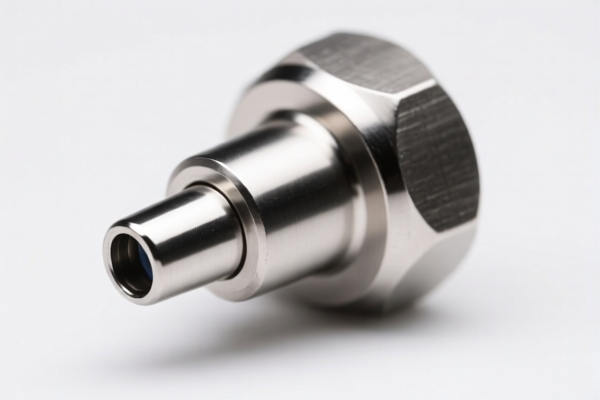
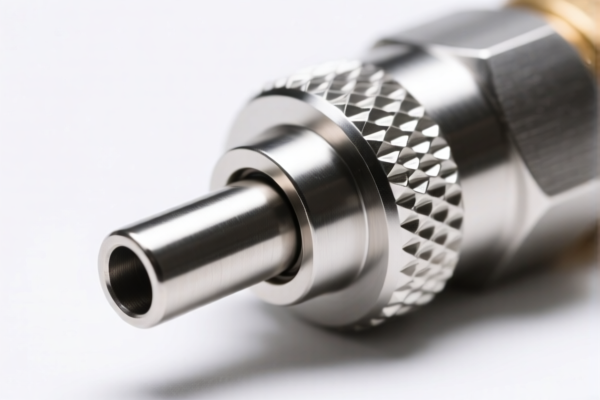
A "Rod Nozzle" is a generic but potentially ambiguous term. In industrial contexts, it typically refers to: 1. Grounding Rods/Electrodes: Metal rods designed to be driven into the earth for electrical grounding systems. They often have a pointed or specialized nozzle-like tip. 2. Industrial Nozzles Made of Steel: Devices used in fluid handling, spraying, or manufacturing processes.
Crucial Distinction for Customs: * If the item is specifically designed for electrical grounding (even if it looks like a "nozzle" or "rod"), it falls under a highly specific subheading. * If it is a general-purpose steel article (e.g., a spray nozzle, a mechanical component, or a rod not for grounding), it falls under the general "Other articles of iron or steel" category.
⚠️ Key Classification Point:
- If the product is explicitly a "Rod for Electrical Grounding" → Classify under7326.90.86.05
- If it is a generic steel nozzle/rod (not for grounding) → Classify under7326.90.86.88
- Do NOT classify under ceramic or laboratory codes unless the nozzle is made of ceramic for technical use (see below for ceramic alternatives).
📦 2. HS Code Classification Matrix (2026 Official Tariff)
Based on the provided data, here are the exact classifications and their corresponding tax implications:
| HS Code | Product Description | Classification Logic | Total Tax Rate |
|---|---|---|---|
7326.90.86.05 |
Other Rods for Electrical Grounding | Applies ONLY if the steel rod is specifically designed for electrical grounding systems. | 50.0% |
7326.90.86.88 |
Other Other (Generic Steel Articles) | Applies to generic steel nozzles, rods, or articles not specified elsewhere (e.g., not for grounding). | 77.9% |
🔍 Critical Warning:
-7326.90.86.88(77.9% Tax) is the "default" high-tax bucket for generic steel items. If you are unsure, this is the riskier classification.
-7326.90.86.05(50.0% Tax) is a specialized category. You must provide evidence (product specs, intended use) that the "nozzle" is indeed a grounding rod.
- Ceramic Items: If your "Rod Nozzle" is actually made of ceramic for laboratory/chemical use, it would fall under6909.11.20.00(25.0%) or6909.19.50.95(29.0%), but based on the name "Rod Nozzle" (typically metal), we focus on Steel codes above.
💰 3. 2026 Tariff Rate Breakdown (US Market, China Origin)
✅ Applicable Country: United States (US)
✅ Origin: China (CN)
✅ Effective Date: Current as of 2026
🎯 1. HS Code 7326.90.86.05 – Rods for Electrical Grounding
| Item | Detail |
|---|---|
| Base Tariff | 0.0% |
| Section 301 Add-on (Steel/Aluminum/Copper) | +50% |
| Total Tax Rate | 50.0% |
| Tax Calculation | CIF Value × 50% |
| De Minimis Exemption | ❌ Not Applicable (High-value industrial goods) |
| Legal Basis | Steel/Aluminum/Copper Section 301 Tariff: 50% |
📌 Explanation:
- The base duty is 0%, but the 50% Section 301 tariff applies specifically to "Steel, Aluminum, Copper products."
- This is a high tariff, but 27.9% lower than the generic steel code.
- Proof Required: Product documentation must state "For Electrical Grounding" to justify this lower rate.
🎯 2. HS Code 7326.90.86.88 – Other Steel Articles (Generic)
| Item | Detail |
|---|---|
| Base Tariff | 2.9% |
| USITC Add-on (Section 301) | +25% |
| Section 301 Add-on (Steel/Aluminum/Copper) | +50% |
| Total Tax Rate | 77.9% |
| Tax Calculation | CIF Value × 77.9% |
| De Minimis Exemption | ❌ Not Applicable |
| Legal Basis | USITC 25% + Steel/Aluminum/Copper Section 301: 50% |
📌 Explanation:
- This code attracts three layers of tax: Base (2.9%) + USITC (25%) + Steel/Special (50%).
- Result: A massive 77.9% duty. This is 27.9% more expensive than the grounding rod classification.
- Risk: Misclassifying a generic nozzle as a "grounding rod" to save 27.9% is customs fraud if unsupported by evidence.
🛠️ 4. Customs Clearance Best Practices (Avoid Pitfalls)
✅ 1. Documentation Checklist (Mandatory)
| Document | Required? | Purpose |
|---|---|---|
| Product Specification Sheet | ✔️ | Must clearly state "Intended Use: Electrical Grounding" or "Industrial Nozzle for X Material". |
| Product Photos | ✔️ | Show the item, markings, and any packaging labels indicating use. |
| Commercial Invoice | ✔️ | Description must match HS Code (e.g., "Steel Grounding Rod" vs. "Steel Spray Nozzle"). |
| Material Certificate | ✔️ | Proof of steel content (to verify Section 301 applicability). |
| End-Use Declaration | ✔️ | A signed letter stating the product is for electrical grounding (if claiming 7326.90.86.05). |
✅ 2. Classification Strategy (Key Mantra)
🔥 "Grounding = 50%, Generic = 77.9%! Specify Use or Pay More!"
| Scenario | Correct HS Code | Tax Rate | Why? |
|---|---|---|---|
| Steel rod for earthing/grounding | 7326.90.86.05 |
50.0% | Specific subheading for grounding rods. |
| Steel nozzle for spray/oil/gas | 7326.90.86.88 |
77.9% | Generic "other" steel article. |
| Ceramic nozzle for lab use | 6909.11.20.00 or 6909.19.50.95 |
25-29% | If material is ceramic, not steel. |
| Misclassified Grounding Rod | 7326.90.86.88 |
77.9% | Penalty Risk: Customs may reclassify and back-tax. |
✅ 3. Special Cases & Tips
| Case | Recommendation |
|---|---|
| OEM Custom Rods | Provide customer drawings showing grounding application. |
| Composite Nozzles | If steel + ceramic, classify based on essential character (usually steel if dominant). |
| Small Quantities | No de minimis exemption for China-origin steel goods in US. |
| Certifications | Ensure products have relevant safety certs (UL, CE) to prove industrial quality. |
🌍 5. Global Market Comparison (2026)
| Market | HS Code (Steel Rod/Nozzle) | Tax Rate | Notes |
|---|---|---|---|
| 🇺🇸 USA | 7326.90.86.05 / 7326.90.86.88 |
50% / 77.9% | High Risk: Section 301 tariffs dominate. |
| 🇨🇳 China | 7326.90.90.00 (General) |
Varies (0-10%) | No Section 301. Lower duty for imports. |
| 🇪🇺 EU | 7326.90.98 |
~5% | No special steel tariffs. CE marking required. |
| 🇯🇵 Japan | 7326.90.90 |
~5-8% | No special tariffs. PSE/JIS standards apply. |
📌 Conclusion:
- USA is the most expensive market for steel rods/nozzles due to 50% Section 301 tariffs.
- Accuracy is critical: A 27.9% difference between05and88codes can make or break profitability.
📌 6. Common Errors & Pitfalls (Learn from Mistakes)
❌ Error 1: Calling a "Spray Nozzle" a "Grounding Rod" to save tax.
👉 Consequence: Customs audit, fines, and retroactive 77.9% tax + penalties.
❌ Error 2: Not specifying material (Steel vs. Ceramic).
👉 Consequence: If ceramic, tax drops to 25-29%. Misclassification leads to underpayment penalties.
❌ Error 3: Ignoring Section 301 Steel Tariffs.
👉 Consequence: Even with 0% base duty, the 50% steel tariff applies. Always account for it.
✅ Correct Approach:
"Steel Rod for Electrical Grounding, ASTM G154 Compliant, Model GR-100"
vs.
"Stainless Steel Fluid Nozzle, 1/4" NPT, Model FN-200"
🎯 7. Final Advice: Professional Clearance, Cost Efficiency
🎯 Remember:
🔹 "Grounding Rods = 50%, Generic Nozzles = 77.9%!"
🔹 "Specify Use Clearly, Avoid 27.9% Penalty!"
🔹 "Steel Tariffs Hit Hard in the US!"
📌 Pro Tip:
If your "Rod Nozzle" is not for grounding, consider if it can be classified under a lower-tax steel article (if any exist) or if ceramic alternatives are viable to reduce duty to ~25%.
Always apply for an Advance Ruling from US Customs if the classification is ambiguous.
📣 Immediate Action:
📞 Contact a Licensed Customs Broker + Provide Product Specs + Declare Intended Use Clearly
🚀 Optimize Your HS Code, Save Up to 27.9%, and Ensure Smooth Clearance!
✨ Professional Classification Starts with Precision!
💼 Every Dollar Saved on Duty is Pure Profit!
Customer Reviews
About HS Code Classification
The Harmonized System (HS) is an internationally standardized nomenclature developed by the World Customs Organization (WCO) to classify traded products. Over 200 countries use the HS system as the basis for customs tariffs, trade statistics, and import/export regulations.
Each HS code follows a hierarchical structure:
- Chapter (2 digits) — Broad category of goods (e.g., Chapter 84: Machinery and Mechanical Appliances)
- Heading (4 digits) — More specific grouping within the chapter
- Subheading (6 digits) — Internationally standardized breakdown, used by all WCO member countries
- National subdivisions (8-10 digits) — Country-specific extensions for further classification, such as US HTSUS 10-digit codes
Correct HS code classification is essential for smooth customs clearance, accurate duty payment, and compliance with trade regulations. Misclassification can lead to customs delays, overpayment of duties, or penalties.
When importing from CN to US, the applicable tariff rates may include:
- Most-Favored-Nation (MFN) rate — The standard duty rate applied to WTO members
- General rate — Applied to countries without trade agreements
- Trade remedy duties — Additional tariffs such as Section 301 (anti-dumping), Section 232 (national security), or countervailing duties
The information provided on this page is for reference purposes only. For official classification, please consult with your local customs authority or a licensed customs broker.