Rodenticide (Poison Bait Block)
CN → US| HS Code | Tariff Rate | Origin | Destination | Doc |
|---|---|---|---|---|
| 3808615000 | 22.5% | CN | US | Official Doc |
| 3808915001 | 40.0% | CN | US | Official Doc |
Product Images
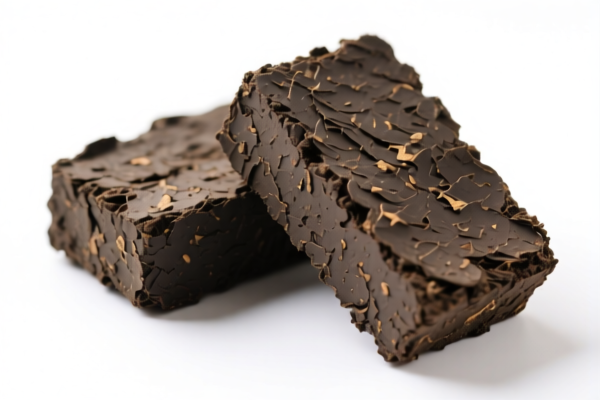
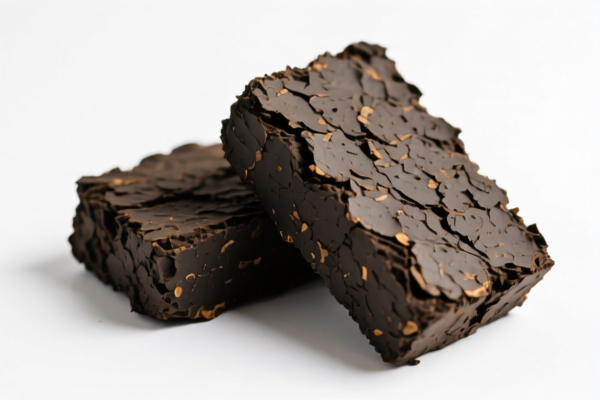
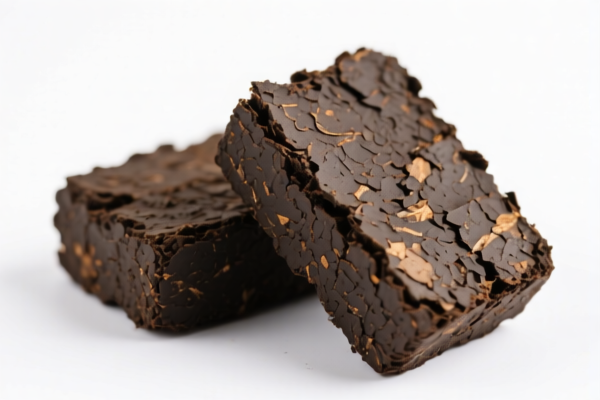
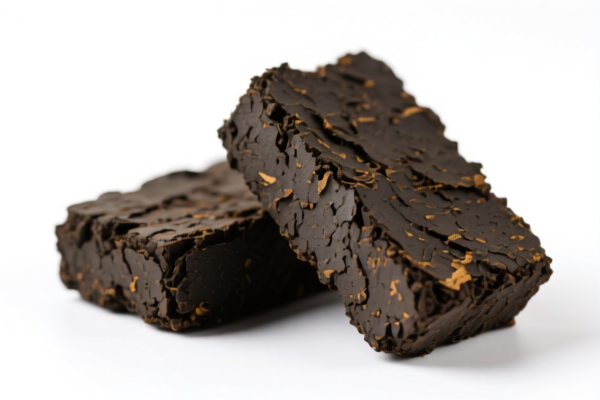
AI Analysis
🐀 Rodenticide (Poison Bait Blocks)
🌐 HS Code Reference & Customs Clearance Guide | 2026 Latest Tariff Analysis | Professional-Level Clearance Strategy
📌 I. Product Definition and Classification: Do You Really Understand "Rodenticide"?
Rodenticides are chemical substances used to kill rodents (rats, mice). In international trade, the classification depends strictly on packaging form and specific active ingredient type.
The key distinction lies in Retail Packaging:
1. Retail Packings (≤300g net weight): Specifically regulated under HS Code 3808.61. This category captures products "put up in forms or packings for retail sale."
2. Other Preparations: If not meeting the specific retail packaging criteria or falling under different subheadings, they fall under HS Code 3808.91.
⚠️ Critical Distinction Point:
- If the bait blocks are packaged in small, consumer-ready packs (net weight ≤ 300g) intended for direct retail sale →归入 3808.61.50.00
- If the product is an insecticide or generic rodenticide preparation not meeting the specific "retail packing ≤300g" definition in subheading note 2, or falls under "other" categories →归入 3808.91.50.01
📦 II. HS Code Classification Details (2026 Latest Tariff Authority Comparison)
| HS Code | Product Description | Applicable Scenario | Packaging Requirement |
|---|---|---|---|
3808.61.50.00 |
Rodenticides, antisprouting products, etc., put up for retail sale | Consumer-grade poison bait blocks, ready-to-use traps | Net weight content ≤ 300g |
3808.91.50.01 |
Other Insecticides: Other: Other | Generic rodenticide preparations not fitting the specific ≤300g retail note, or bulk/industrial packs | >300g or non-specific retail pack |
🔍 Key Reminder:
- 3808.61.50.00 is a "special provision" under Chapter 38 Note 2. It strictly requires the product to be put up in forms or packings for retail sale with a net weight not exceeding 300g.
- 3808.91.50.01 acts as a residual category ("Other") for rodenticides that do not qualify under the specific retail packing rule or are classified as other preparations.
- Do not misclassify: Large industrial bags (>300g) cannot use 3808.61. They must be evaluated against 3808.91 or other relevant headings.
💰 III. 2026 Latest Tariff Rate Details (Including Surcharges, Policy Surcharges)
✅ Applicable Country: United States (US)
✅ Origin: China (CN)
✅ Effective Time: Current applicable rates based on provided data
🎯 1. 3808.61.50.00 —— Rodenticides in Retail Packings (≤300g)
| Item | Content |
|---|---|
| Base Tariff Rate | 5.0% |
| Additional Tariff (Section 301/Retaliatory) | +7.5% |
| Total Tariff Rate | 12.5% |
| Tax Calculation | CIF Value × 12.5% |
| Legal Basis | Derived from Chapter 38 Note 2 (Retail Packing Rule) |
📌 Explanation:
- The 12.5% total tax (5% base + 7.5% additional) applies specifically to rodenticides packaged for retail with a net weight not exceeding 300g.
- This rate is significantly lower than the "other" category, reflecting the specific regulatory treatment of consumer-sized pesticide products.
🎯 2. 3808.91.50.01 —— Other Insecticides/Rodenticide Preparations
| Item | Content |
|---|---|
| Base Tariff Rate | 5.0% |
| Additional Tariff (Section 301/Retaliatory) | +25.0% |
| Total Tariff Rate | 30.0% |
| Tax Calculation | CIF Value × 30.0% |
| Legal Basis | General "Other" category for pesticide preparations not meeting specific retail packing notes |
📌 Note:
- The 30.0% total tax (5% base + 25% additional) is substantially higher.
- This rate applies if the product is classified as "Other" under subheading 3808.91, which often includes larger packs, industrial formulations, or products not meeting the strict "≤300g retail" definition of Note 2.
- Cost Impact: For the same CIF value, this classification costs 17.5 percentage points more in tax than the retail packing classification.
🛠️ IV. Customs Clearance Practical Advice (Battlefield Pitfall Avoidance Guide)
✅ 1. Document Preparation Checklist (Non-negotiable)
| Document | Must Provide | Explanation |
|---|---|---|
| ✅ Product Composition/COA | ✔️ | Must list active ingredients (e.g., Bromadiolone, Diphacinone) and concentration. |
| ✅ Packaging Specifications | ✔️ | CRITICAL: Must explicitly state Net Weight per Retail Unit and Packaging Type (e.g., "10g bait block per blister pack"). |
| ✅ Product Photos | ✔️ | Clear images showing retail packaging, labels, and warning symbols. |
| ✅ EPA Registration Number (if USA) | ✔️ | US importers must verify the product is registered with the EPA. |
| ✅ Safety Data Sheet (SDS) | ✔️ | Required for hazardous material declaration. |
| ✅ Commercial Invoice | ✔️ | Clearly state "Rodenticide Bait Blocks, Net Weight 50g/ea, For Retail Sale." |
✅ 2. Declaration Tips (Key Mantras)
🔥 “Weight Limits, Retail Format, Classify Right, Save Money!”
| Scenario | Correct Declaration | Wrong Practice |
|---|---|---|
| Small retail packs (e.g., 20g, 50g, 100g) clearly for end-users | 3808.61.50.00 (12.5% Tax) |
Misdeclare as bulk/industrial → 30% Tax |
| Bulk bags (e.g., 5kg, 20kg) for professional pest control | Evaluate 3808.91 (30% Tax) |
Misdeclare as retail → Audit risk |
| "Bait Station" (plastic container + bait) | Check if bait is ≤300g | If bait >300g, tax increases |
| Mixed shipments (small + large packs) | Split Declaration | Mixed declaration → Confusion/Seizure |
✅ 3. Special Case Handling
| Situation | Handling Advice |
|---|---|
| Bait Blocks in Blister Packs | Ensure Net Weight of the Bait (not the plastic) is ≤300g to qualify for 12.5%. |
| Liquid/Bait Mixed | Check if it meets "put up for retail sale" definition. Often still qualifies for 3808.61 if ≤300g. |
| EPA Compliance | US Customs will check for EPA Reg. No. Missing EPA registration = Refusal of Entry. |
| Labeling Requirements | Labels must include hazard statements, signal words ("Danger"/"Warning"), and EPA Reg. No. Non-compliance = Return/Destruction. |
🌍 V. Global Major Market Clearance Comparison (2026 Latest)
| Country/Region | Recommended HS Code | Tariff (China Origin) | Certification Requirements | Remarks |
|---|---|---|---|---|
| 🇺🇸 USA | 3808.61.50.00 (≤300g Retail) |
12.5% | EPA Registration Required | High scrutiny on labeling. |
| 🇺🇸 USA | 3808.91.50.01 (Other) |
30.0% | EPA Registration Required | Higher tax for non-retail/large packs. |
| 🇪🇺 EU | 3808.94 (Typical) |
Varies (Often 0-6.5%) | Biocidal Products Regulation (BPR) | BPR registration is strict and costly. |
| 🇬🇧 UK | 3808.94 |
Varies | UK Biocidal Products Regulation | Post-Brexit rules apply. |
| 🇨🇳 China | 3808.91 |
5% - 10% | Pesticide Registration License | Domestic control is tight. |
📌 Conclusion:
- USA is the most complex market due to the dual tariff structure (12.5% vs 30%) based on packaging weight and the strict EPA requirement.
- Optimization Opportunity: Ensuring your bait blocks are packaged in retail-ready units ≤300g can save 17.5% in customs duties compared to bulk/other classifications.
📌 VI. Common Errors & Pitfall Avoidance (Blood-Soaked Lessons)
❌ Error 1: Declaring bulk 5kg bags as "retail packaging"
👉 Consequence: Customs reclassifies to 3808.91 → Tax jumps from 12.5% to 30% + potential fines for misdeclaration.
❌ Error 2: Net weight exceeds 300g per retail unit
👉 Consequence: Fails Note 2 test → Falls to 3808.91 → 30% Tax.
👉 Fix: Sub-package into smaller units (e.g., 100g packs) before export or ensure final consumer pack is ≤300g.
❌ Error 3: Missing EPA Registration Number on Label
👉 Consequence: Denied Entry by US Customs and Border Protection (CBP). Product seized and destroyed.
❌ Error 4: Confusing "Insecticide" with "Rodenticide"
👉 Consequence: Wrong HS Code → Incorrect Tax → Audit Trail Issues.
👉 Fix: Accurate naming: "Rodenticide Bait Block," not just "Pesticide."
✅ Correct Practice:
"Rodenticide Bait Blocks, Active Ingredient: Bromadiolone 0.005%, Packaged in Retail Blister Packs, Net Weight 50g per Pack, EPA Reg. No. XXXXX-XXX, For Retail Sale Only."
🎯 VII. Conclusion: Precise Classification, Cost Savings, Smooth Clearance!
🎯 Remember the Mantra:
🔹 “300g Limit is Key! Retail Pack = 12.5%, Bulk/Other = 30%!”
🔹 “EPA Reg No. is Mandatory! No EPA = No Entry!”
🔹 “Net Weight of Bait Only! Not Including Plastic/Box!”
📌 Pro Tip:
If your product is packaged in larger quantities (>300g) but intended for professional use, consider if 3808.91.50.01 is unavoidable. However, if you can redesign packaging to ≤300g retail packs, you save 17.5% in duties.
Always consult the EPA and CBP guidelines before shipping to ensure label compliance.
📣 Immediate Action:
📞 Contact Customs Broker + Verify EPA Registration + Confirm Net Weight per Retail Unit
🚀 Ensure Smooth Clearance, Avoid Seizure, Maximize Profit!
✨ Professional Customs Clearance Starts with Precise Classification!
💼 Every Penny of Tax Saved is Pure Profit!
Customer Reviews
About HS Code Classification
The Harmonized System (HS) is an internationally standardized nomenclature developed by the World Customs Organization (WCO) to classify traded products. Over 200 countries use the HS system as the basis for customs tariffs, trade statistics, and import/export regulations.
Each HS code follows a hierarchical structure:
- Chapter (2 digits) — Broad category of goods (e.g., Chapter 84: Machinery and Mechanical Appliances)
- Heading (4 digits) — More specific grouping within the chapter
- Subheading (6 digits) — Internationally standardized breakdown, used by all WCO member countries
- National subdivisions (8-10 digits) — Country-specific extensions for further classification, such as US HTSUS 10-digit codes
Correct HS code classification is essential for smooth customs clearance, accurate duty payment, and compliance with trade regulations. Misclassification can lead to customs delays, overpayment of duties, or penalties.
When importing from CN to US, the applicable tariff rates may include:
- Most-Favored-Nation (MFN) rate — The standard duty rate applied to WTO members
- General rate — Applied to countries without trade agreements
- Trade remedy duties — Additional tariffs such as Section 301 (anti-dumping), Section 232 (national security), or countervailing duties
The information provided on this page is for reference purposes only. For official classification, please consult with your local customs authority or a licensed customs broker.