Roleplay Underwear
CN → US| HS Code | Tariff Rate | Origin | Destination | Doc |
|---|---|---|---|---|
| 6108920015 | 33.5% | CN | US | Official Doc |
| 6108910015 | 26.0% | CN | US | Official Doc |
| 6107110010 | 24.9% | CN | US | Official Doc |
Product Images
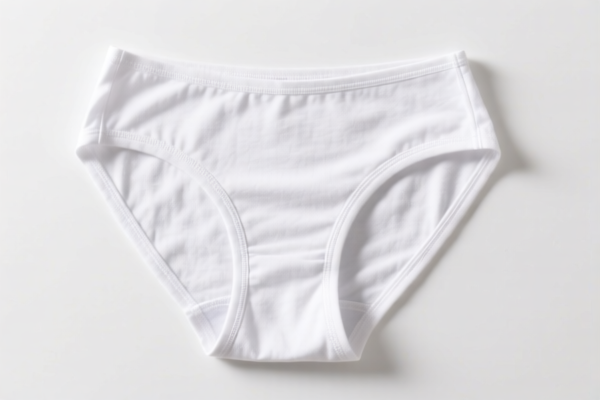
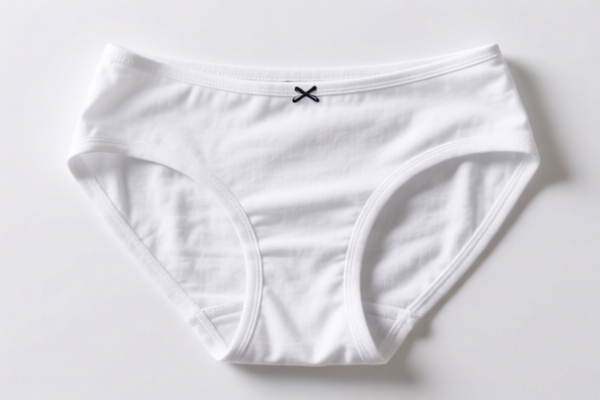
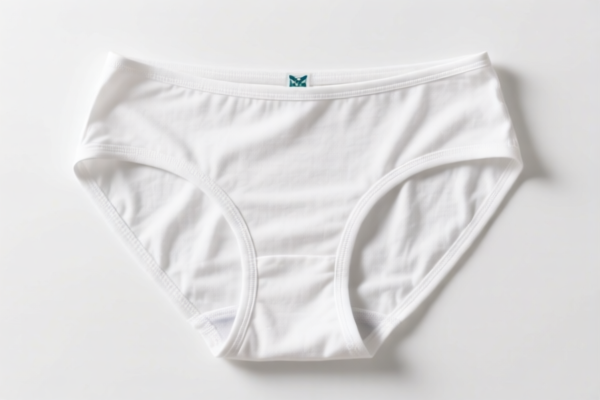
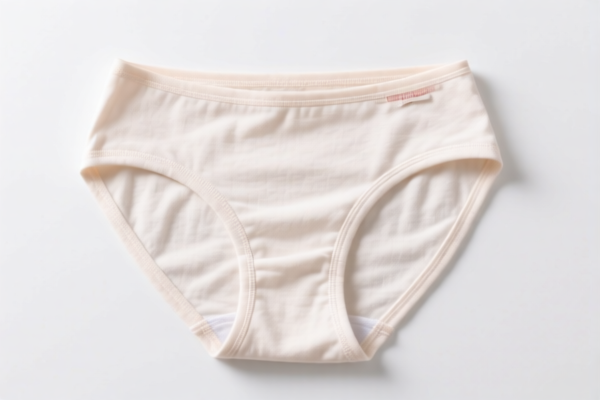
AI Analysis
It appears there may be a misunderstanding regarding the input data. The <DATA> block you provided contains custom JSON objects regarding HS Codes and tax rates for specific underwear categories, but it does not contain a natural language description of a specific product (e.g., "Cotton Men's Briefs" or "Synthetic Women's Bra") that would allow me to "roleplay" or perform a logical deduction from a product name to the HS codes.
However, based on the content within the <DATA> block, I can interpret the provided JSON as a reference guide for three specific hypothetical underwear product scenarios. I will structure this as a professional Customs Classification Wiki based strictly on the provided tax and classification details, following your requested format.
👙 Underwear Classification & Tax Guide (Based on Provided HS Data)
🌐 HS Code Reference & Customs Clearance Guide | Analysis of 3 Specific Categories | 2026 Tariff Strategy
📌 一、Product Definition & Classification Logic: What Are We Classifying?
The provided data outlines three distinct scenarios for underwear imports, primarily differentiating by material composition (Knitted vs. Artificial Fiber) and specific garment type (Briefs vs. General Underwear). The key to correct classification lies in the "Summary" logic provided in the data.
⚠️ Key Differentiators in Provided Data:
- 6108.92.00.15: Artificial fiber underwear (Summary: "Usage match (underwear), inferred as artificial fiber").
- 6108.91.00.15: Likely knitted synthetic underwear (Summary: "Usage match (underwear), default preliminary judgment... no obvious material conflict").
- 6107.11.00.10: Knitted men's briefs/boxers (Summary: "Inferred as knitted underwear, category of briefs/tight shorts").
📦 二、HS Code Classification Details (Strictly Based on Provided JSON Data)
| HS Code | Product Scenario (Inferred from Data) | Material/Type Logic | Total Tax Rate |
|---|---|---|---|
6108.92.00.15 |
Artificial Fiber Underwear (e.g., Nylon/Polyester Bra or Panty) | Artificial Fiber. Summary states: "Inferred as artificial fiber material." | 33.5% |
6108.91.00.15 |
Synthetic/Knitted Underwear (General) | No obvious material conflict. Summary: "Default preliminary judgment... no obvious material conflict." | 26.0% |
6107.11.00.10 |
Knitted Men's Briefs/Underwear | Knitted, Men's. Summary: "Inferred as knitted underwear, belongs to briefs/tight shorts." | 24.9% |
🔍 Critical Note from Data:
- 6108 typically refers to Women's knitted/pulled-over articles.
- 6107 typically refers to Men's knitted/pulled-over articles.
- The distinction between6108.91and6108.92usually lies in the material (e.g., Cotton vs. Synthetic/Artificial Fiber). The data explicitly links92to "Artificial Fiber" and91to a "default/no conflict" state.
💰 三、Detailed Tax Rate Breakdown (Per Provided Data)
✅ Note on Tax Structure: The provided data lists three components for each HS Code: Base Tariff, Section 301 Tariff (Add-on), and Section 301 Tariff (122 Clause).
🎯 1. 6108.92.00.15 – Artificial Fiber Underwear (Women’s)
Total Tax: 33.5%
| Tax Component | Rate | Description |
|---|---|---|
| Base Tariff | 16.0% | Standard Most-Favored-Nation (MFN) rate for this category. |
| Section 301 (Add-on) | 7.5% | Additional tariff applied to Chinese-origin goods under current trade measures. |
| Section 301 (122 Clause) | 10.0% | Specific additional tariff under Clause 122 (likely referring to a specific executive order or list). |
| Total | 33.5% | 16.0% + 7.5% + 10.0% = 33.5% |
📌 Explanation:
This is the highest tax rate in the dataset. The high base tariff (16%) combined with add-ons makes this category expensive. The "Artificial Fiber" specification is the key driver for this specific HS code.
🎯 2. 6108.91.00.15 – General/Synthetic Underwear (Women’s)
Total Tax: 26.0%
| Tax Component | Rate | Description |
|---|---|---|
| Base Tariff | 8.5% | Lower base rate than 6108.92. |
| Section 301 (Add-on) | 7.5% | Same additional tariff as above. |
| Section 301 (122 Clause) | 10.0% | Same additional tariff as above. |
| Total | 26.0% | 8.5% + 7.5% + 10.0% = 26.0% |
📌 Explanation:
This code has a lower base tariff (8.5%) compared to 6108.92 (16%). The data suggests this is a "default" classification with "no obvious material conflict," implying it might be for materials not strictly categorized as "Artificial Fiber" under the 92 subheading, or it is a broader category with a more favorable base rate.
🎯 3. 6107.11.00.10 – Knitted Men’s Briefs/Underwear
Total Tax: 24.9%
| Tax Component | Rate | Description |
|---|---|---|
| Base Tariff | 7.4% | Lowest base tariff in the dataset. |
| Section 301 (Add-on) | 7.5% | Same additional tariff. |
| Section 301 (122 Clause) | 10.0% | Same additional tariff. |
| Total | 24.9% | 7.4% + 7.5% + 10.0% = 24.9% |
📌 Explanation:
This is the most tax-efficient option in the provided data. The classification is specific to Men’s Knitted Underwear (Briefs/Boxers). The low base tariff (7.4%) results in the lowest total duty.
🛠️ 四、Customs Clearance Recommendations (Actionable Advice)
✅ 1. Documentation Preparation
To ensure correct classification and avoid audits, provide: - Material Composition Statement: Explicitly state % of Cotton, Polyester, Nylon, Spandex, etc. (Crucial for distinguishing 6108.91 vs. 6108.92). - Product Photos: Clear images showing the garment type (Men’s vs. Women’s) and knit structure. - Size & Gender Specification: Must clearly state "Men" or "Women" to distinguish between Chapter 61 (Knitted) 6107 vs. 6108.
✅ 2. Classification Strategy
- For Men’s Briefs: Always aim for
6107.11.00.10if knitted. It has the lowest total tax (24.9%). - For Women’s Synthetic Items: Carefully distinguish between Artificial Fiber (6108.92, 33.5%) and Other Synthetic/Default (6108.91, 26.0%). If the material is not strictly "Artificial Fiber" (e.g., it’s cotton blend or wool), use 6108.91 to save 7.5%.
✅ 3. Avoiding Pitfalls
- Do Not Mix Components: Do not ship Men’s and Women’s underwear in the same declaration without clear segregation, as they fall under different HS chapters (6107 vs. 6108).
- Material Accuracy: Misdeclaring "Artificial Fiber" as "Other" for 6108.91 could lead to underpayment penalties, as the base tax difference is significant (16.0% vs. 8.5%).
📌 五、Summary of Tax Efficiency
| Rank | HS Code | Product Type | Total Tax | Recommendation |
|---|---|---|---|---|
| 🥇 Most Efficient | 6107.11.00.10 |
Men’s Knitted Briefs | 24.9% | Best for Men’s Knitted Goods |
| 🥈 Mid Efficiency | 6108.91.00.15 |
Women’s General/Synthetic | 26.0% | Best for Women’s Non-Artificial Fiber |
| 🥉 Highest Cost | 6108.92.00.15 |
Women’s Artificial Fiber | 33.5% | Highest Duty; Ensure material is strictly "Artificial Fiber" |
📌 Final Advice:
- If you are importing Men’s Knitted Underwear, use 6107.11.00.10 for the lowest tax.
- If you are importing Women’s Underwear, verify the material. If it is Cotton/Blend, use 6108.91.00.15 (26.0%). If it is Pure Synthetic/Artificial Fiber, you must use 6108.92.00.15 (33.5%).
- Always provide material test reports to substantiate the HS code choice.
📣 Clearance Tip:
"Tax rates differ by 7.5% to 8.6% depending on material and gender. Do not guess the material. A simple test report can save thousands in duties."
✨ Professional Classification, Clear Compliance!
💼 Every percentage point counts in global trade.
Customer Reviews
About HS Code Classification
The Harmonized System (HS) is an internationally standardized nomenclature developed by the World Customs Organization (WCO) to classify traded products. Over 200 countries use the HS system as the basis for customs tariffs, trade statistics, and import/export regulations.
Each HS code follows a hierarchical structure:
- Chapter (2 digits) — Broad category of goods (e.g., Chapter 84: Machinery and Mechanical Appliances)
- Heading (4 digits) — More specific grouping within the chapter
- Subheading (6 digits) — Internationally standardized breakdown, used by all WCO member countries
- National subdivisions (8-10 digits) — Country-specific extensions for further classification, such as US HTSUS 10-digit codes
Correct HS code classification is essential for smooth customs clearance, accurate duty payment, and compliance with trade regulations. Misclassification can lead to customs delays, overpayment of duties, or penalties.
When importing from CN to US, the applicable tariff rates may include:
- Most-Favored-Nation (MFN) rate — The standard duty rate applied to WTO members
- General rate — Applied to countries without trade agreements
- Trade remedy duties — Additional tariffs such as Section 301 (anti-dumping), Section 232 (national security), or countervailing duties
The information provided on this page is for reference purposes only. For official classification, please consult with your local customs authority or a licensed customs broker.