Roll Labels
CN → US| HS Code | Tariff Rate | Origin | Destination | Doc |
|---|---|---|---|---|
| 3926909989 | 22.8% | CN | US | Official Doc |
| 3926909905 | 22.8% | CN | US | Official Doc |
| 4821902000 | 35.0% | CN | US | Official Doc |
| 4821102000 | 35.0% | CN | US | Official Doc |
| 3919102055 | 40.8% | CN | US | Official Doc |
Product Images

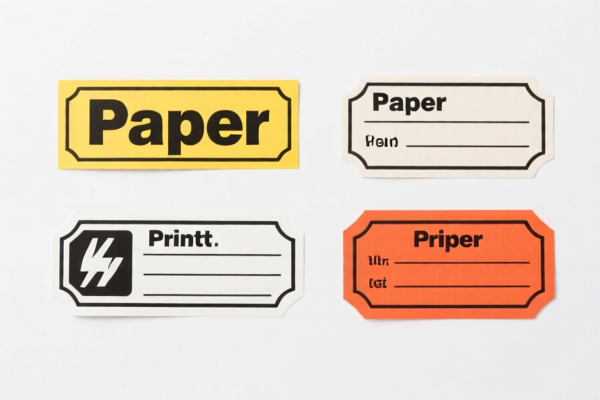


AI Analysis
🏷️ Roll Labels (Adhesive Labels)
🌐 HS Code Reference & Customs Clearance Guide | 2026 Latest Tariff Analysis | Strategic Clearance Strategy
📌 I. Product Definition & Classification: What Exactly Are "Roll Labels"?
Roll labels (self-adhesive labels) are versatile packaging and identification components used in logistics, retail, and manufacturing. In international trade, their classification hinges on two critical factors:
1. Material Composition (Plastic vs. Paper)
2. Specific Subheading (General plastic goods vs. specific adhesive products)
⚠️ Key Distinction:
- Plastic Labels: Often fall under general plastic articles (3926) or specific adhesive tapes (3919).
- Paper Labels: Typically classified under paper products (4821).
- Self-Adhesive Property: Crucial for determining if they fit under specific adhesive headings or general "other" categories.
📦 II. HS Code Classification Details (2026 Latest Tariff Authority Comparison)
| HS Code | Product Description | Material Inference | Applicable Scenario |
|---|---|---|---|
3926.90.99.89 |
Self-adhesive roll labels, usually plastic or composite materials; classified as other plastic articles not specified elsewhere. | Plastic / Composite | General plastic labels, durable outdoor labels, composite material labels. |
3926.90.99.05 |
Self-adhesive roll labels; inferred material is plastic, consistent with the form characteristics of plastic articles, no material conflict. | Plastic | Standard plastic labels, PVC/PET labels, any plastic-based self-adhesive label. |
4821.90.20.00 |
Self-adhesive roll labels; form and self-adhesive attribute are consistent; inferred material is paper, aligning with common label categorization habits. | Paper | Paper-based labels, thermal paper labels, standard shipping labels. |
4821.10.20.00 |
Self-adhesive roll labels; inferred material is paper or cardboard, meeting the material requirements and label attributes for paper labels. | Paper / Cardboard | Heavy-duty paper labels, cardboard-backed labels, premium paper labels. |
3919.10.20.55 |
Self-adhesive roll labels; self-adhesive function matches characteristics; flat form; inferred material is plastic, fitting the "other" category fallback logic. | Plastic | Plastic adhesive tapes used as labels, specific adhesive plastic products not elsewhere classified. |
🔍 Critical Note:
- Material is King: The biggest risk is misdeclaring paper labels as plastic (or vice versa).
- "Other" Categories: Codes ending in.89,.05,.55are often "catch-all" subheadings. Ensure the label doesn't fit a more specific heading (like specific printed images on4821.10if applicable, though4821.10is for printed labels).
- Self-Adhesive: All these codes assume the product is self-adhesive. If it’s not, the classification changes drastically.
💰 III. 2026 Latest Tariff Rate Detailed Breakdown (Including Additional Taxes, Policy Surcharges)
✅ Applicable Country: United States (US)
✅ Origin: China (CN)
✅ Effective Date: 2025/2026 (Import entries from Nov 10, 2025 onwards)
🎯 1. Plastic-Based Labels (3926.90.99.89 & 3926.90.99.05)
| Item | Content |
|---|---|
| Base Tariff | 5.3% (ad valorem) |
| Section 301 Surcharge | +7.5% |
| Section 122 Tariff | +10% |
| Total Tariff Rate | 22.8% |
| Tax Calculation | CIF Value × 22.8% |
| De Minimis Eligibility | ❌ Not Eligible (Deny de minimis) |
| Legal Basis Path | Section 301 → Section 122 → USITC:3926.90.99.89/05 |
📌 Explanation:
- These plastic labels are subject to three layers of taxation: Base, Section 301 (Trade War), and Section 122 (Reciprocal Trade/Other).
- 22.8% is a moderate-high rate. It is significantly lower than paper labels due to different trade dynamics.
- No de minimis exemption: Even low-value shipments will face these duties.
🎯 2. Paper-Based Labels (4821.90.20.00 & 4821.10.20.00)
| Item | Content |
|---|---|
| Base Tariff | 0.0% |
| Section 301 Surcharge | +25.0% |
| Section 122 Tariff | +10% |
| Total Tariff Rate | 35.0% |
| Tax Calculation | CIF Value × 35.0% |
| De Minimis Eligibility | ❌ Not Eligible (Deny de minimis) |
| Legal Basis Path | Section 301 → Section 122 → USITC:4821.90.20.00/4821.10.20.00 |
📌 Explanation:
- Paper labels have a 0% base tariff, which sounds attractive, but the Section 301 surcharge is steep at 25%.
- Combined with Section 122, the total 35% is significantly higher than plastic labels (22.8%).
- Strategy: If possible, switching from paper to plastic labels can save 12.2% in duties, provided the product application allows it.
🎯 3. Specific Plastic Adhesive (3919.10.20.55)
| Item | Content |
|---|---|
| Base Tariff | 5.8% |
| Section 301 Surcharge | +25.0% |
| Section 122 Tariff | +10% |
| Total Tariff Rate | 40.8% |
| Tax Calculation | CIF Value × 40.8% |
| De Minimis Eligibility | ❌ Not Eligible (Deny de minimis) |
| Legal Basis Path | Section 301 → Section 122 → USITC:3919.10.20.55 |
📌 Explanation:
- This code has a higher base rate (5.8%) than other plastic labels and the highest Section 301 rate (25%).
- Total 40.8% is the most expensive option.
- Strategy: Avoid this code unless the label’s physical structure specifically requires it (e.g., it’s technically an adhesive tape roll). Try to classify under3926instead to save 18%.
🛠️ IV. Customs Clearance Practical Advice (实战避坑指南)
✅ 1. Documentation Checklist (Must-Haves)
| Document | Required? | Notes |
|---|---|---|
| ✅ Product Spec Sheet | ✔️ | Must specify material (Paper vs. Plastic), adhesive type, dimensions, and self-adhesive nature. |
| ✅ Material Certificate | ✔️ | Critical for proving paper vs. plastic. For plastic, specify polymer type (PVC, PET, PE). |
| ✅ Product Photos | ✔️ | Show the roll, the adhesive side, and any printed content. |
| ✅ Commercial Invoice | ✔️ | Clearly state "Self-Adhesive Roll Labels" and HS Code. |
| ✅ Packing List | ✔️ | Include net/gross weight, number of rolls per box. |
| ✅ FCC/ROHS Certs | ✔️ | If plastic labels contain electronic components or are used in regulated industries. |
✅ 2. Classification Strategy (Key Mnemonics)
🔥 “Paper High, Plastic Low, Avoid 3919 if you can!”
| Scenario | Correct HS Code | Tariff | Why? |
|---|---|---|---|
| Standard Paper Labels | 4821.90.20.00 or 4821.10.20.00 |
35% | Base 0% + 25% (301) + 10% (122). |
| Standard Plastic Labels | 3926.90.99.89 or 3926.90.99.05 |
22.8% | Base 5.3% + 7.5% (301) + 10% (122). Best option for plastic! |
| Plastic Adhesive Tape (Label-like) | 3919.10.20.55 |
40.8% | Base 5.8% + 25% (301) + 10% (122). Most expensive. |
| Composite Material (Plastic+Paper) | 3926.90.99.89 |
22.8% | If plastic is the dominant feature or not specifically listed elsewhere, plastic classification often wins lower tariffs. |
📌 Key Insight:
- Plastic labels (3926) are cheaper than paper labels (4821) due to lower Section 301 rates (7.5% vs. 25%).
- Avoid3919unless the product is clearly an adhesive tape roll. Misclassifying a label as3919risks penalties and higher duties.
✅ 3. Special Cases & Handling
| Scenario | Recommendation |
|---|---|
| Mixed Materials | If label is paper with a plastic film lamination, argue for plastic (3926) if the film is integral, or paper (4821) if paper is dominant. Check with customs broker. |
| Printed vs. Unprinted | Both 4821.10 and 4821.90 apply. Ensure the description matches. 4821.10 is for printed labels; 4821.90 is for other paper labels. |
| De Minimis | None of these codes qualify for de minimis exemption. All shipments, even low-value, will incur duties. |
| Section 122 | Applies to all China-origin goods in this category. Factor this into pricing. |
🌍 V. Global Market Clearance Comparison (2026 Latest)
| Country/Region | Recommended HS Code | Tariff (China Origin) | Notes |
|---|---|---|---|
| 🇺🇸 USA | 3926.90.99.05 (Plastic) |
22.8% | Lowest duty among options. Prefer plastic over paper. |
| 🇪🇺 EU | 3920.99 / 4821.90 |
~6.5% / ~2.7% | No Section 301. Paper is cheaper. |
| 🇨🇳 China | 4821.10 / 3926.90 |
~5% / ~5.3% | Low base duties. No surcharges. |
| 🇯🇵 Japan | 4821.90 / 3926.90 |
~3.3% / ~3.3% | Moderate duties. |
| 🇬🇧 UK | 4821.90 / 3926.90 |
~0% - 5% | Post-Brexit rates vary. Generally low. |
📌 Conclusion:
- USA: Plastic labels are tax-advantaged due to lower Section 301 rates.
- EU/UK/JP: Paper labels are often cheaper due to lower base duties and no surcharges.
- Strategy: Optimize material choice based on target market. For US imports, switch to plastic if feasible.
📌 VI. Common Mistakes & Pitfalls (Blood-Teaching Lessons)
❌ Mistake 1: Classifying plastic labels as paper (4821) to avoid Section 301.
👉 Consequence: Customs will reclassify, apply 35% tariff + penalties.
✅ Fix: Declare accurately. Use 3926 for plastic (22.8%).
❌ Mistake 2: Classifying labels as 3919 (Adhesive Tape) to avoid Section 301.
👉 Consequence: High base rate (5.8%) + 25% 301 + 10% 122 = 40.8%. Worse than paper!
✅ Fix: Use 3926 for plastic labels (22.8%).
❌ Mistake 3: Ignoring Section 122.
👉 Consequence: Missing 10% of duty, leading to underpayment and audits.
✅ Fix: Factor in 10% for all China-origin goods.
❌ Mistake 4: Declaring "Labels" without material specification.
👉 Consequence: Customs may assign a higher default rate or request reclassification.
✅ Fix: Always specify "Plastic Self-Adhesive Label" or "Paper Self-Adhesive Label".
✅ Correct Declaration Example:
"Plastic Self-Adhesive Roll Labels, PVC Material, 100mm x 50mm, Used for Product Identification, Model XYZ, HS Code: 3926.90.99.05"
🎯 VII. Conclusion: Precise Classification Saves Money!
🎯 Key Takeaways:
🔹 Plastic Labels (
3926) < Paper Labels (4821) < Adhesive Tape (3919) in terms of US tariff burden.
🔹 Total Rate: Plastic (22.8%) < Paper (35%) < Tape (40.8%).
🔹 No De Minimis: All shipments pay duties.
🔹 Section 122: 10% applies to all.
🔹 Section 301: 7.5% for plastic, 25% for paper/tape.📌 Pro Tip:
If your product can use plastic labels, do so for US imports to save 12.2% in duties compared to paper.
For non-US markets, paper labels may be more cost-effective due to lower base duties.
📣 Immediate Action:
📞 Consult a Customs Broker to confirm material classification.
📄 Prepare material certificates for plastic/paper distinction.
📊 Calculate landed cost using 22.8% (Plastic) or 35% (Paper).
🚀 Clear Customs Smoothly, Maximize Profits!
✨ Professional Clearance Starts with Accurate Classification!
💼 Every Percent of Duty Matters!
Customer Reviews
About HS Code Classification
The Harmonized System (HS) is an internationally standardized nomenclature developed by the World Customs Organization (WCO) to classify traded products. Over 200 countries use the HS system as the basis for customs tariffs, trade statistics, and import/export regulations.
Each HS code follows a hierarchical structure:
- Chapter (2 digits) — Broad category of goods (e.g., Chapter 84: Machinery and Mechanical Appliances)
- Heading (4 digits) — More specific grouping within the chapter
- Subheading (6 digits) — Internationally standardized breakdown, used by all WCO member countries
- National subdivisions (8-10 digits) — Country-specific extensions for further classification, such as US HTSUS 10-digit codes
Correct HS code classification is essential for smooth customs clearance, accurate duty payment, and compliance with trade regulations. Misclassification can lead to customs delays, overpayment of duties, or penalties.
When importing from CN to US, the applicable tariff rates may include:
- Most-Favored-Nation (MFN) rate — The standard duty rate applied to WTO members
- General rate — Applied to countries without trade agreements
- Trade remedy duties — Additional tariffs such as Section 301 (anti-dumping), Section 232 (national security), or countervailing duties
The information provided on this page is for reference purposes only. For official classification, please consult with your local customs authority or a licensed customs broker.