Rolled flat iron and non alloy steel plates
CN → US| HS Code | Tariff Rate | Origin | Destination | Doc |
|---|---|---|---|---|
| 7210120000 | 35.0% | CN | US | Official Doc |
| 7210300030 | 35.0% | CN | US | Official Doc |
| 7210909000 | 35.0% | CN | US | Official Doc |
| 7210906000 | 35.0% | CN | US | Official Doc |
| 7223009000 | 35.0% | CN | US | Official Doc |
Product Images
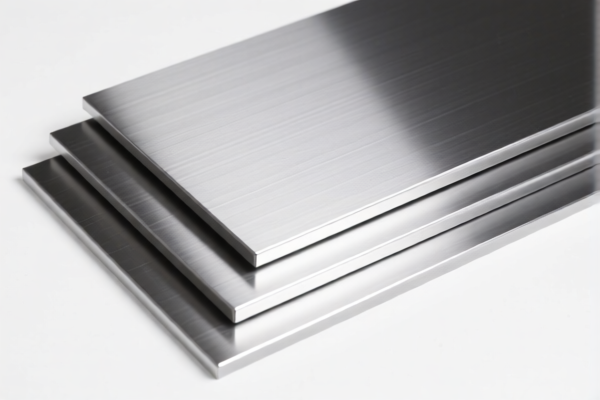
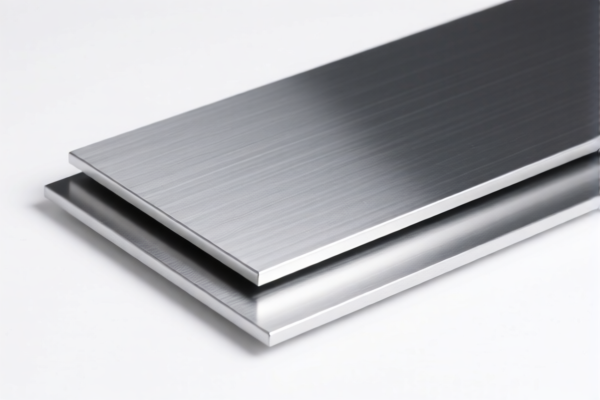
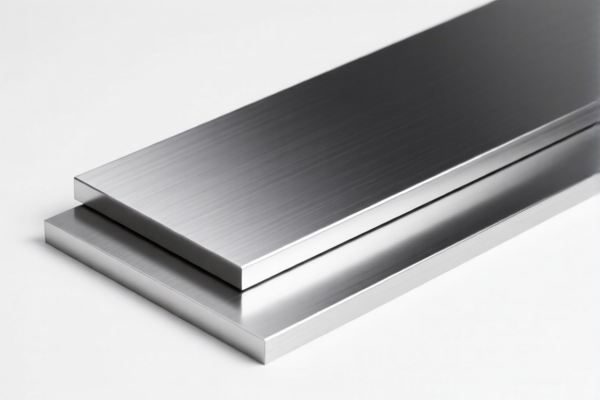
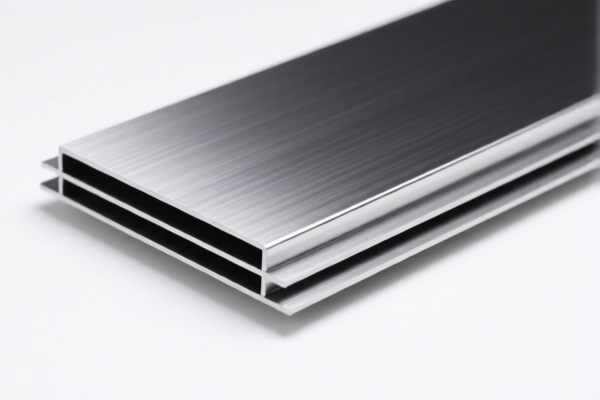
AI Analysis
🏗️ Rolled Flat Iron and Non-Alloy Steel Plates
🌐 HS Code Reference & Customs Clearance Guide | 2026 Latest Tariff Analysis | Professional-Level Entry Strategy
📌 I. Product Definition & Classification: Do You Really Understand "Flat Rolled Steel"?
Rolled flat iron and non-alloy steel plates are foundational materials in construction, automotive, machinery manufacturing, and infrastructure projects. In international trade, these products are broadly categorized based on surface treatment (coating status) and specific alloy composition.
Coated Flat-Rolled Products: Steel with a protective layer (zinc, tin, etc.) applied to prevent corrosion. Unclassified/Other Flat-Rolled Products: Steel that does not fit specific coating categories, often serving as a "catch-all" for standard or uncoated variants. Stainless Steel Variants: While often grouped under steel, stainless steel has distinct chemical properties and classification rules.
⚠️ Key Distinction Point:
- If the steel has a coating (e.g., galvanized, tinplate) → It falls under specific sub-headings like7210.12or7210.30.
- If the steel is standard flat-rolled without specific coating mentions or falls into "other" categories → It may fall under7210.90.
- If the material is explicitly Stainless Steel → It falls under7223.00(Note: In the provided data, this is included, though typically stainless plates are 7219/7220; we follow the provided data's mapping).
📦 II. HS Code Classification Details (2026 Latest Tariff Authority Comparison)
| HS Code | Product Description | Application Scenario | Key Characteristic |
|---|---|---|---|
7210.12.00.00 |
Coated Flat-Rolled Iron/Non-Alloy Steel, Material & Form Match | Coated steel sheets, galvanized coils with specific coating characteristics | ✅ Coated |
7210.30.00.30 |
Coated Flat-Rolled Iron/Non-Alloy Steel, Core Classification Features | Tin-coated or similar specialized coated steel plates | ✅ Coated |
7210.90.90.00 |
Steel Flat-Rolled Products, Material Matches Iron/Non-Alloy, Flat Form | Standard flat-rolled steel, generic category | ✅ Flat Rolled |
7210.90.60.00 |
Steel Flat-Rolled Products, Other Category Catch-All | Steel products not fitting other specific sub-categories | ✅ Flat Rolled (Catch-All) |
7223.00.90.00 |
Stainless Steel Flat-Rolled Products, Material is Stainless | Stainless steel sheets/plates, no conflict with other definitions | ✅ Stainless |
🔍 Key Reminder:
- All coated products (7210.xx) and general flat-rolled products (7210.90) share the same tariff structure in this dataset due to current trade policies. - Stainless steel (7223.00.90.00) is treated identically in terms of tariff rates in this specific context.
💰 III. 2026 Latest Tariff Rate Breakdown (Including Surcharges & Policy Add-ons)
✅ Applicable Country: United States (US)
✅ Country of Origin: China (CN)
✅ Effective Date: 2025/2026 (Current Trade Policy)
🎯 1. All Listed HS Codes (7210.12, 7210.30, 7210.90, 7223.00)
| Item | Detail |
|---|---|
| Base Tariff Rate | 0.0% (Ad Valorem) |
| Section 301 Surcharge | +25.0% (USITC Footnote related to Chinese imports) |
| Section 122 Tariff | +10.0% (Specific policy surcharge for this category) |
| Total Tariff Rate | 35.0% |
| Tax Calculation | CIF Value × 35% |
| De Minimis Exemption | ❌ Not Available (High-value industrial goods do not qualify for low-value exemptions) |
| Legal Basis Path | USITC:7210/7223 → Section 301: 25% → Section 122: 10% |
📌 Explanation:
- "Base Tariff 0%": The standard MFN (Most Favored Nation) rate for many steel products is low or zero, but this is heavily impacted by trade wars. - "Section 301 25%": This is the primary tariff resulting from the US-China trade war, applied to a vast range of Chinese-made steel and metal products. - "Section 122 10%": An additional statutory surcharge applied to certain imports to protect domestic national security or industry interests. - Total 35%: This is a significant cost burden. Importers must calculate landed costs carefully to maintain margins.
🛠️ IV. Customs Clearance Practical Advice (Real-World Pitfall Avoidance Guide)
✅ 1. Document Preparation Checklist (All Required)
| Document | Mandatory? | Explanation |
|---|---|---|
| ✅ Product Specification Sheet | ✔️ | Must detail: Width, Thickness, Coating Type (if any), Standard (e.g., ASTM, JIS). |
| ✅ Material Test Certificate (MTC) | ✔️ | Essential to prove "Non-Alloy" or "Stainless" status. Customs will verify chemical composition. |
| ✅ Commercial Invoice | ✔️ | Clearly state "Flat Rolled Steel Plates" or "Coated Steel Sheets". Avoid vague terms like "Metal Sheets". |
| ✅ Packing List | ✔️ | Detail weight per coil/sheet to ensure consistency with invoice. |
| ✅ Bill of Lading (B/L) | ✔️ | Ensure HS Codes match the invoice exactly. |
| ✅ Certificate of Origin | ✔️ | Critical for verifying Country of Origin (China) to apply correct Section 301 tariffs. |
✅ 2. Declaration Tips (Key Mantra)
🔥 "Coating Type Defines Code, Origin Defines Tax, Specs Must Match!"
| Scenario | Correct Declaration | Wrong Practice |
|---|---|---|
| Galvanized Steel Sheet | 7210.12.00.00 or 7210.30.00.30 |
Mislabeling as "Unclassified Steel" → Risk of penalty |
| Uncoated Carbon Steel Plate | 7210.90.90.00 or 7210.90.60.00 |
Claiming "Stainless" to avoid tariffs → Fraud Risk |
| Stainless Steel Plate | 7223.00.90.00 |
Confusing with "Non-Alloy" → Classification Error |
| Mixed Shipment | Split HS Codes | Declaring all as one code → Delays & Audits |
✅ 3. Special Situation Handling
| Situation | Handling Advice |
|---|---|
| Coating Uncertainty | If coating type is unclear (e.g., "painted" vs. "galvanized"), provide detailed coating analysis. Misclassification can lead to re-valuation. |
| Origin Tracing | Ensure the "Made in China" label is accurate. Transshipment through Vietnam/Mexico requires strict proof of substantial transformation to avoid Section 301 duties. |
| High-Value Shipment | Consider applying for an Exclusion if available (rare for steel), or negotiate CIF terms with suppliers to share tariff costs. |
| Customs Audit | Keep MTCs and purchase orders ready for 5 years. Customs frequently audits steel imports for origin and classification. |
🌍 V. Global Market Customs Comparison (2026 Latest)
| Country/Region | Recommended HS Code | Tariff (China Origin) | Certification/Requirements | Notes |
|---|---|---|---|---|
| 🇺🇸 USA | 7210.12/30/90, 7223.00 |
35% (25% Sec 301 + 10% Sec 122) | None specific, but strict documentation | High barrier due to trade policies |
| 🇨🇳 China | Same HS Codes | 5-10% (Import Duty) | CCC (if applicable) | No Section 301/122 tariffs |
| 🇪🇺 EU | Similar Codes | 0-4% (GSP if eligible) | CE (for end products) | Lower tariffs than US, but anti-dumping duties may apply |
| 🇨🇦 Canada | Similar Codes | 0% (CUSMA if originating) | Various standards | Check for anti-dumping duties on steel |
| 🇦🇺 Australia | Similar Codes | 5% | RCM | No major surcharges, but anti-dumping possible |
📌 Conclusion:
- The US market is the most expensive for Chinese steel imports due to the 35% cumulative tariff. - Alternative Markets: Consider sourcing from countries with FTA agreements (e.g., Vietnam, Mexico, ASEAN) to mitigate US tariffs, but ensure substantial transformation occurs there.
📌 VI. Common Errors & Pitfall Guide (Lessons Learned)
❌ Error 1: Misclassifying Stainless Steel as Non-Alloy Steel to avoid specific restrictions.
👉 Consequence: Customs audit, penalty for misdeclaration, and potential denial of entry.
❌ Error 2: Ignoring Coating Type. Declaring "Coated Steel" without specifying the coating (Zinc, Tin, etc.).
👉 Consequence: Customs may assign the highest duty rate or demand a lab test, causing delays.
❌ Error 3: Assuming Free Trade Agreement (FTA) benefits apply to China-origin steel in the US.
👉 Consequence: Section 301 tariffs still apply regardless of FTA status for China.
❌ Error 4: Under-declaring value to reduce tariffs.
👉 Consequence: Severe penalties, seizure of goods, and blacklisting of importer.
✅ Correct Approach:
"Hot Rolled Carbon Steel Plate, ASTM A36, 10mm Thickness, Uncoated, Made in China, HS Code 7210.90.90.00"
🎯 VII. Conclusion: Precision in Classification Saves Money!
🎯 Remember the Mantra:
🔹 "35% is the US Price, 25% is Section 301, 10% is Section 122, Know Your Origin!"
🔹 "Steel is Heavy, Tariffs are Heavy, Documentation is Your Lifeline!"
📌 Pro Tip:
If your steel is sourced from Vietnam, Thailand, or Mexico, ensure you have full proof of origin (Form A/CO) to potentially avoid the 35% US tariff. However, be prepared for scrutiny on "Transshipment" accusations.
📣 Immediate Action:
📞 Consult a licensed US Customs Broker
📄 Gather Material Test Certificates (MTC)
📊 Calculate Landed Cost including 35% Tariff before ordering
✨ Professional Clearance Starts with Accurate Classification!
💼 Every Percent Saved is Pure Profit!
Customer Reviews
About HS Code Classification
The Harmonized System (HS) is an internationally standardized nomenclature developed by the World Customs Organization (WCO) to classify traded products. Over 200 countries use the HS system as the basis for customs tariffs, trade statistics, and import/export regulations.
Each HS code follows a hierarchical structure:
- Chapter (2 digits) — Broad category of goods (e.g., Chapter 84: Machinery and Mechanical Appliances)
- Heading (4 digits) — More specific grouping within the chapter
- Subheading (6 digits) — Internationally standardized breakdown, used by all WCO member countries
- National subdivisions (8-10 digits) — Country-specific extensions for further classification, such as US HTSUS 10-digit codes
Correct HS code classification is essential for smooth customs clearance, accurate duty payment, and compliance with trade regulations. Misclassification can lead to customs delays, overpayment of duties, or penalties.
When importing from CN to US, the applicable tariff rates may include:
- Most-Favored-Nation (MFN) rate — The standard duty rate applied to WTO members
- General rate — Applied to countries without trade agreements
- Trade remedy duties — Additional tariffs such as Section 301 (anti-dumping), Section 232 (national security), or countervailing duties
The information provided on this page is for reference purposes only. For official classification, please consult with your local customs authority or a licensed customs broker.