Roller Lint Remover
CN → US| HS Code | Tariff Rate | Origin | Destination | Doc |
|---|---|---|---|---|
| 6307102030 | 22.8% | CN | US | Official Doc |
| 9603908050 | 70.3% | CN | US | Official Doc |
| 9603402000 | 17.5% | CN | US | Official Doc |
| 9603404060 | 14.0% | CN | US | Official Doc |
| 9603404040 | 14.0% | CN | US | Official Doc |
Product Images
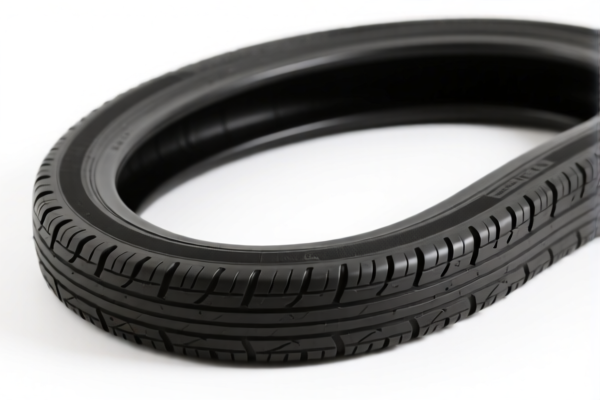
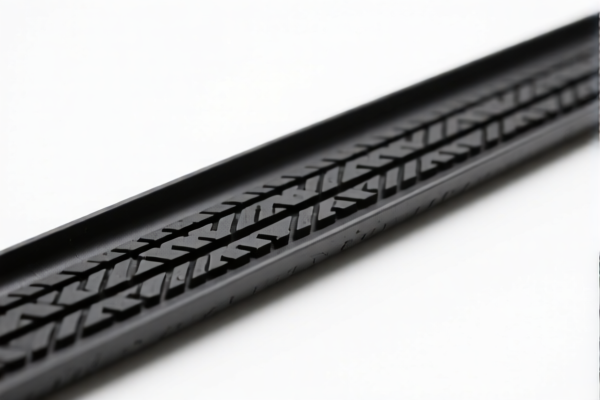
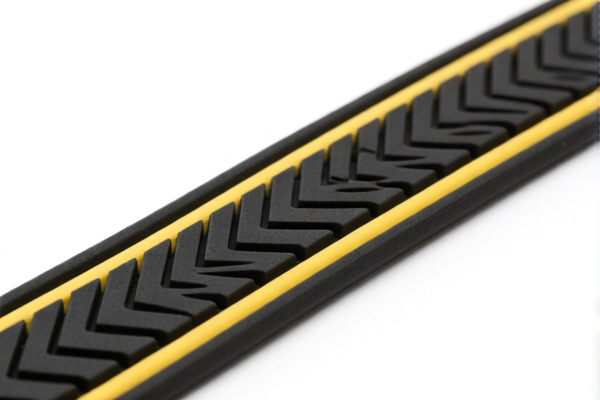
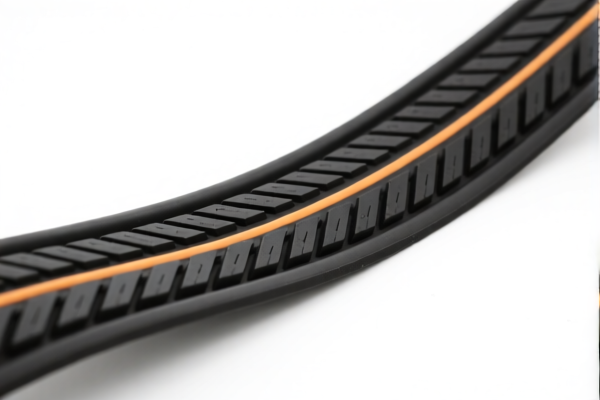
AI Analysis
🧹 Roller Lint Remover (粘毛刷/滚筒刷)
🌐 HS Code Reference & Customs Clearance Guide | 2026 Latest Tariff Analysis | Professional Clearance Strategy
📌 I. Product Definition & Classification: What Exactly is a "Roller Lint Remover"?
A Roller Lint Remover is a manual cleaning tool primarily used for removing pet hair, dust, lint, and debris from fabrics, carpets, and upholstery. In international trade, its classification depends heavily on its material composition, specific design, and primary intended use. It generally falls into two main categories: 1. Cleaning Tools/Brooms: If primarily viewed as a general cleaning accessory. 2. Brushes: If viewed as a specific type of brush mechanism (rolling bristles or adhesive滚筒).
⚠️ Key Classification Logic:
- If classified as a general "Cleaning Cloth/Item" → HS 6307.10
- If classified as a "Brush" (specifically sweeping/cleaning brushes) → HS 9603 Series
- Critical Note: The presence of Steel, Aluminum, or Copper components can drastically increase tariffs under Section 232/301 measures.
📦 II. HS Code Classification Details (2026 Latest Tariff Authority)
| HS Code | Product Description | Application Scenario | Tax Rate |
|---|---|---|---|
6307.10.20.30 |
Other made-up cleaning cloths and similar articles | General cleaning accessories, non-brush lint rollers | 22.8% |
9603.90.80.50 |
Other brooms, brushes (including broom or brush making portions), hand-operated mechanical floor sweepers | Manual cleaning tools, especially those with metal parts (steel/aluminum/copper) | 70.3% |
9603.40.20.00 |
Brushes for cleaning shoes or clothing | Brushes for dust/cleaning purposes, extending to lint removal | 17.5% |
9603.40.40.60 |
Paint rollers, painting or similar rollers | Paint/roller brushes, no material conflict | 14.0% |
9603.40.40.40 |
Paint rollers, painting or similar rollers | Paint/roller brushes, consistent with paint/varnish brushes | 14.0% |
🔍 Focus Reminder:
-9603.90.80.50carries the highest risk due to Steel/Aluminum/Copper tariffs (+50%). Avoid this if your product contains any metal parts in the handle or mechanism. -9603.40.40series is for "Paint Rollers," but sometimes lint rollers are grouped here if they are purely roller-type brushes without metal. -6307.10is often the safest bet for non-metallic, general-purpose lint cleaning tools.
💰 III. 2026 Latest Tariff Rate Breakdown (Including Surtaxes & Policy Add-ons)
✅ Applicable Country: USA (US)
✅ Origin: China (CN)
✅ Effective Date: Includes subsequent imports under 2025-2026 regulations
🎯 1. 6307.10.20.30 —— Other Made-up Cleaning Cloths/Items
| Item | Content |
|---|---|
| Base Tariff | 5.3% (ad valorem) |
| Section 301 Surtax | +7.5% |
| Section 122 Tariff | +10% |
| Total Tariff | 22.8% |
| Tax Calculation | CIF Value × 22.8% |
| De Minimis Exemption | ❌ Not Applicable (Standard trade rules) |
| Legal Basis Path | Base: 5.3% → Sect 301: 7.5% → Sect 122: 10% |
📌 Explanation:
- This is the most balanced option for general lint rollers without metal components. - Total tax is 22.8%, which is moderate compared to other brush categories.
🎯 2. 9603.90.80.50 —— Other Brooms/Brushes (High Risk)
| Item | Content |
|---|---|
| Base Tariff | 2.8% (ad valorem) |
| Section 301 Surtax | +7.5% |
| Section 122 Tariff | +10% |
| Steel/Aluminum/Copper Surcharge | +50% (Crucial! If product contains these materials) |
| Total Tariff | 70.3% |
| Tax Calculation | CIF Value × 70.3% |
| De Minimis Exemption | ❌ Not Applicable |
| Legal Basis Path | Base: 2.8% → Sect 301: 7.5% → Sect 122: 10% → Sec 232: 50% |
📌 Warning:
- If your roller handle or mechanism contains Steel, Aluminum, or Copper, this tariff applies! - Total tax jumps to 70.3%. This is a critical pitfall. Many importers underestimate this surcharge. - Recommendation: Avoid this classification if possible, or ensure zero metal content.
🎯 3. 9603.40.20.00 —— Brushes for Cleaning Shoes/Clothing
| Item | Content |
|---|---|
| Base Tariff | 7.5% (ad valorem) |
| Section 301 Surtax | 0.0% |
| Section 122 Tariff | +10% |
| Total Tariff | 17.5% |
| Tax Calculation | CIF Value × 17.5% |
| De Minimis Exemption | ❌ Not Applicable |
| Legal Basis Path | Base: 7.5% → Sect 301: 0.0% → Sect 122: 10% |
📌 Note:
- This classification is for "brushes for cleaning shoes or clothing." - Total tax is 17.5%, which is lower than6307.10. - Suitable for lint removers explicitly designed as "brushes" for clothing.
🎯 4. 9603.40.40.60 & 9603.40.40.40 —— Paint Rollers (Similar Form)
| Item | Content |
|---|---|
| Base Tariff | 4.0% (ad valorem) |
| Section 301 Surtax | 0.0% |
| Section 122 Tariff | +10% |
| Total Tariff | 14.0% |
| Tax Calculation | CIF Value × 14.0% |
| De Minimis Exemption | ❌ Not Applicable |
| Legal Basis Path | Base: 4.0% → Sect 301: 0.0% → Sect 122: 10% |
📌 Note:
- These codes are for "Paint Rollers," but may be applied to roller-type brushes if no better classification exists. - Total tax is 14.0%, the lowest option in the provided data. - Caution: Must justify why it’s not a "clothing cleaning brush" or "general cleaning tool." Only use if the product is structurally identical to paint rollers.
🛠️ IV. Customs Clearance Practical Advice (Real-World Pitfall Avoidance)
✅ 1. Material Declaration is Critical
| Material | Impact on Tariff | Action |
|---|---|---|
| No Metal | Avoids 50% Surcharge | ✅ Declare as Plastic/Textile only |
| Steel/Aluminum Handle | Triggers 50% Surcharge under 9603.90.80.50 |
❌ Avoid this HS Code. Choose 6307.10 or 9603.40.20.00 |
| Copper Components | Triggers 50% Surcharge | ❌ Avoid high-tax classification |
🔥 "No Metal, No 50% Penalty!"
✅ 2. Declaration Tips (Key Mnemonics)
| Scenario | Correct Declaration | Wrong Approach |
|---|---|---|
| Plastic Lint Roller | 6307.10.20.30 or 9603.40.20.00 |
Misdeclare as "Brush" with metal parts → 70.3% |
| Roller with Metal Handle | Use 9603.40.40.40 (if justified) or accept 70.3% |
Hide metal content → Customs Penalty |
| Adhesive Roller Sheet | 6307.10.20.30 |
Declare as "Paint Roller" → Misclassification |
| Pure Brush Type Lint Remover | 9603.40.20.00 |
Declare as "Cleaning Cloth" → Mismatch |
✅ 3. Special Case Handling
| Scenario | Recommendation |
|---|---|
| OEM Custom Lint Roller | Provide design specs to prove no metal content for lower tax |
| Roller with Metal Spring Mechanism | High Risk! Consider redesigning to plastic-only to avoid 50% surcharge |
| Lint Roller for Medical Use | If specialized, may need additional certifications, but HS remains same |
| Bulk Import of Plastic Rollers | Best to use 6307.10.20.30 (22.8%) or 9603.40.20.00 (17.5%) |
🌍 V. Global Market Comparison (2026 Latest)
| Country/Region | Recommended HS Code | Tariff (China Origin) | Certification | Remarks |
|---|---|---|---|---|
| 🇺🇸 USA | 6307.10.20.30 or 9603.40.20.00 |
17.5% ~ 22.8% | FCC (if electronic) | Avoid 9603.90.80.50 due to 70.3% |
| 🇨🇳 China | 6307.10.20.30 |
5% | CCC (if applicable) | No additional surtaxes |
| 🇪🇺 EU | 6307.10.20.30 |
0%~4% | CE + RoHS | Lower tariffs in EU |
| 🇦🇺 Australia | 6307.10.20.30 |
5% | RCM | No surcharges |
| 🇯🇵 Japan | 6307.10.20.30 |
0% | PSE | No surcharges |
📌 Conclusion:
- USA has the highest and most complex tariff structure due to Section 301 and Section 232 (metal) surcharges. - China-origin lint rollers are heavily taxed if classified incorrectly or contain metal. - Recommendation: Opt for Plastic-only designs to qualify for lower tariffs like6307.10or9603.40.
📌 VI. Common Mistakes & Pitfall Guide (Blood & Tears Lessons)
❌ Mistake 1: Including Steel Handles and declaring under 9603.90.80.50
👉 Consequence: 70.3% Tariff → Profit Destroyed!
❌ Mistake 2: Declaring a Plastic Lint Roller as "Paint Roller" (9603.40.40.40) without justification
👉 Consequence: Misclassification → Delay, Fine, or Rejection
❌ Mistake 3: Not declaring Material Composition
👉 Consequence: Customs assumes metal content → High Tariff Application
❌ Mistake 4: Using "Cleaning Tool" as a vague description
👉 Consequence: Ambiguity → Customs Audit & Delay
✅ Correct Declaration Example:
"Plastic Lint Roller, Adhesive, for Household Cleaning, No Metal Components, Model XYZ"
🎯 VII. Conclusion: Professional Clearance, Cost Optimization!
🎯 Remember the Mnemonic:
🔹 "No Metal, No 50%!
Plastic Roller = 17.5%~22.8%.
Metal Handle = 70.3% Disaster!"
🔹 "HS Code Determines Life or Death,
Tax Difference 50 Points,
One Mistake, Cost Skyrockets!"
📌 Pro Tip:
- If your product is 100% Plastic/Textile, aim for
6307.10.20.30(22.8%) or9603.40.20.00(17.5%).- Avoid
9603.90.80.50unless you have no other choice and can absorb the 70.3% tax.- Apply for Pre-Ruling from US Customs to confirm classification before shipment.
📣 Immediate Action:
📞 Contact a Professional Customs Broker
📄 Provide Material Breakdown (Emphasize NO Metal)
🚀 Let Your Lint Rollers Clear Smoothly, Boost Profits, and Scale Fast!
✨ Professional Clearance Starts with Precise Classification!
💼 Every Penny of Cost Deserves Precise Calculation!
Customer Reviews
About HS Code Classification
The Harmonized System (HS) is an internationally standardized nomenclature developed by the World Customs Organization (WCO) to classify traded products. Over 200 countries use the HS system as the basis for customs tariffs, trade statistics, and import/export regulations.
Each HS code follows a hierarchical structure:
- Chapter (2 digits) — Broad category of goods (e.g., Chapter 84: Machinery and Mechanical Appliances)
- Heading (4 digits) — More specific grouping within the chapter
- Subheading (6 digits) — Internationally standardized breakdown, used by all WCO member countries
- National subdivisions (8-10 digits) — Country-specific extensions for further classification, such as US HTSUS 10-digit codes
Correct HS code classification is essential for smooth customs clearance, accurate duty payment, and compliance with trade regulations. Misclassification can lead to customs delays, overpayment of duties, or penalties.
When importing from CN to US, the applicable tariff rates may include:
- Most-Favored-Nation (MFN) rate — The standard duty rate applied to WTO members
- General rate — Applied to countries without trade agreements
- Trade remedy duties — Additional tariffs such as Section 301 (anti-dumping), Section 232 (national security), or countervailing duties
The information provided on this page is for reference purposes only. For official classification, please consult with your local customs authority or a licensed customs broker.