Roller Mold
CN → US| HS Code | Tariff Rate | Origin | Destination | Doc |
|---|---|---|---|---|
| 8445190080 | 20.8% | CN | US | Official Doc |
| 8467990190 | 35.0% | CN | US | Official Doc |
| 9506910030 | 22.1% | CN | US | Official Doc |
| 8445900000 | 21.2% | CN | US | Official Doc |
| 8467895090 | 17.5% | CN | US | Official Doc |
Product Images
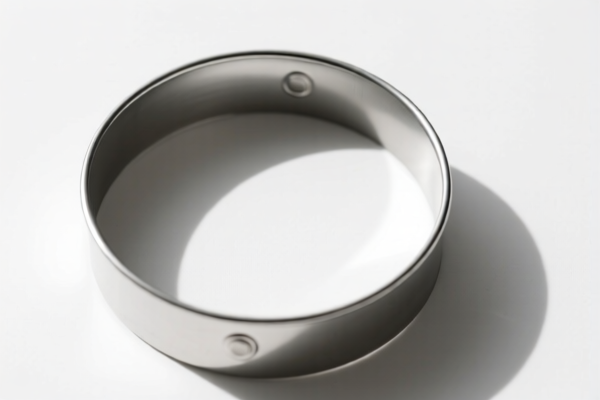
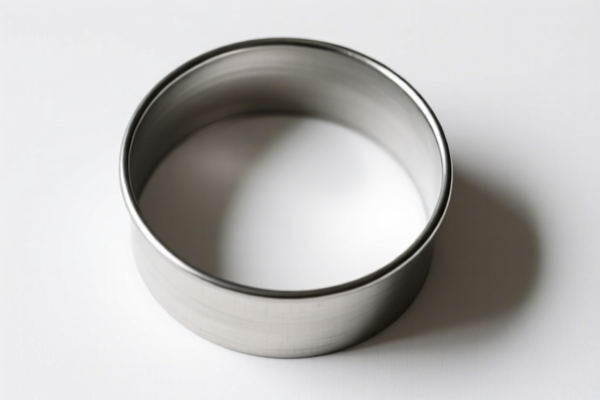


AI Analysis
🏋️♂️ Roller Ab Wheel (Roller Mold)
🌐 HS Code Reference & Customs Clearance Guide | 2026 Latest Tariff Analysis | Professional Strategy for Fitness Equipment
📌 Part 1: Product Definition & Classification: Do You Really Know the "Roller Mold"?
The "Roller Mold" (commonly known in global markets as Ab Roller, Ab Wheel, or Roller Trainer) is a classic piece of general fitness equipment used for core strengthening and abdominal exercises.
In international trade, classification depends heavily on the primary function and material composition. However, there is a significant risk of misclassification between Sports Goods, Machinery Parts, and Hand Tools.
⚠️ Key Distinction Point:
- If the product is designed primarily for exercise/gym use → It is a Sporting Good (Category 95).
- If the product is a component for a textile machine or power tool → It falls under Machinery Parts (Category 84 or 8467).
- Critical Warning: Many sellers mistakenly classify fitness rollers as "Parts" to avoid high tariffs, but Customs may reclassify them if the intent is clearly recreational.
📦 Part 2: HS Code Classification Details (2026 Latest Tariff Authority Comparison)
Based on the provided data, here are the four potential HS Code classifications with their specific logic, tax rates, and risks.
| HS Code | Product Description | Application Scenario | Logic & Risk Level |
|---|---|---|---|
9506.91.00.30 |
Sports Goods / Fitness Equipment | Ab Roller / Ab Wheel for home gyms, physical therapy, or general exercise. | ✅ Best Match: Fits "General Sporting Goods." Low risk if marketed as fitness gear. Lowest Total Tax: 22.1% |
8445.90.00.00 |
Parts of Textile Machines | Misclassification: Assuming the roller is a part for a textile winding machine. | ⚠️ High Risk: Unless the item is actually a spare part for a loom, this is incorrect. Tax: 21.2% |
8445.19.00.80 |
Other Textile Fiber Prep Machinery Parts | Misclassification: Classifying as a "wheel/axle" part for textile prep. | ⚠️ High Risk: Same as above. Does not fit the end-use of the consumer product. Tax: 20.8% |
8467.99.01.90 |
Parts of Power Tools (Other) | Misclassification: Viewing it as a generic tool part. | ⚠️ High Risk: Not a standard power tool accessory. Highest Tax: 35.0% |
8467.89.50.90 |
Parts of Hand Tools | Misclassification: Viewing it as a handheld tool component. | ⚠️ Medium Risk: Some custom ab rollers might fit here, but less common than 9506. Tax: 17.5% |
🔍 Important Note:
-9506.91.00.30is the most logical code for a consumer "Ab Roller" because its primary purpose is exercise (Chapter 95).
- Codes like8445and8467apply if the item is sold specifically as an industrial spare part, not a fitness device. Misdeclaring a fitness roller as a machine part is a common customs evasion tactic that can lead to audits.
💰 Part 3: 2026 Latest Tariff Rate Breakdown (Including Surtaxes & Policy Add-ons)
✅ Applicable Country: United States (US)
✅ Country of Origin: China (CN)
✅ Effective Time: Current rates (as per 2026 data context)
🎯 1. 9506.91.00.30 —— Sporting Goods (Fitness Equipment)
Recommended for Consumer Ab Rollers
| Item | Detail |
|---|---|
| Base Tariff | 4.6% (Ad Valorem) |
| Section 301 (USITC) Surcharge | +7.5% (List 3 or 4 items, subject to specific list updates) |
| Section 122 Surcharge | +10% (Specific trade remedy or emergency measure) |
| Total Tariff Rate | 22.1% |
| Tax Calculation | CIF Value × 22.1% |
| De Minimis Exemption | ❌ Not Applicable (Goods from China > $800 are subject to full scrutiny) |
| Additional Steel/Aluminum Surcharge | Potential +50% if the roller wheel is made of Steel, Aluminum, or Copper and classified under specific metal rules. Note: Check if the 122 clause includes metal surcharges. The data indicates "Steel/Al/Cu products add 50%". If your roller is entirely metal, this could skyrocket. |
📌 Explanation:
- This is the most common classification for fitness rollers.
- ⚠️ Critical Metal Surcharge Warning: The data mentions "Steel, Al, Cu products add 50% tariff." If your Ab Roller has metal wheels (common in commercial grade), you might face an additional 50% on top of the 22.1%, potentially making it 72.1%.
- Recommendation: If using plastic wheels, the 50% surcharge likely does not apply. If metal, confirm the exact subheading for metal parts.
🎯 2. 8445.90.00.00 —— Textile Machine Parts
Alternative Classification (Higher Risk)
| Item | Detail |
|---|---|
| Base Tariff | 3.7% |
| Section 301 Surcharge | +7.5% |
| Section 122 Surcharge | +10% |
| Total Tariff Rate | 21.2% |
| De Minimis Exemption | ❌ Not Applicable |
📌 Explanation:
- Appears cheaper (21.2% vs 22.1%), but high risk of misclassification.
- Customs officers may reject this if the product is clearly a fitness device.
- No metal surcharge mentioned in this specific line, but verify if the "other parts" clause covers metal fitness rollers.
🎯 3. 8467.99.01.90 —— Parts of Other Power Tools
Least Recommended
| Item | Detail |
|---|---|
| Base Tariff | 0.0% |
| Section 301 Surcharge | +25% |
| Section 122 Surcharge | +10% |
| Total Tariff Rate | 35.0% |
| De Minimis Exemption | ❌ Not Applicable |
📌 Explanation:
- Highest tax rate (35.0%).
- Only relevant if the "roller" is a specific component for a power tool, which is unlikely for a standard Ab Roller.
🎯 4. 8467.89.50.90 —— Parts of Hand Tools
Best for Metal Components
| Item | Detail |
|---|---|
| Base Tariff | 0.0% |
| Section 301 Surcharge | +7.5% |
| Section 122 Surcharge | +10% |
| Total Tariff Rate | 17.5% |
| De Minimis Exemption | ❌ Not Applicable |
📌 Explanation:
- Lowest Total Tax (17.5%).
- However, this applies only if the item is considered a part of a hand tool. If sold as a standalone fitness product, this is misclassification.
- Use only if you can prove it is a component for a larger hand tool system, not a consumer fitness item.
🛠️ Part 4: Customs Clearance Practical Advice (Battle-Tested Guide)
✅ 1. Preparation Checklist (Non-negotiable)
| Document | Required? | Notes |
|---|---|---|
| Product Specification Sheet | ✅ Yes | Must clearly state: "Fitness Equipment," "Core Trainer," or "Ab Roller." Avoid vague terms like "Roller Mold" without context. |
| Product Photos | ✅ Yes | Show the product in use (exercising). This proves its fitness purpose vs. industrial use. |
| Material Composition | ✅ Yes | Specify if wheels are Plastic, Rubber, or Metal. This determines if the 50% Steel/Al/Cu surcharge applies. |
| Commercial Invoice | ✅ Yes | Description: "Plastic Ab Roller Wheel, for Home Gym Use." |
| Usage Declaration | ✅ Yes | State: "Used for abdominal muscle exercise and core strengthening." |
✅ 2. Declaration Tips (Crucial for Cost Saving)
🔥 "Fitness First, Metal Second, Name Matters!"
| Scenario | Correct Declaration | Incorrect Declaration | Consequence |
|---|---|---|---|
| Plastic Wheel Ab Roller | 9506.91.00.30 (Sports Goods) |
8445.90.00.00 (Machinery Part) |
Avoids metal surcharge. Tax ~22.1%. |
| Metal Wheel Ab Roller | 9506.91.00.30 + Declare Metal Content |
9506.91.00.30 (Hide metal) |
Risk of 50% additional tax if metal is detected but not declared. |
| Custom Tool Component | 8467.89.50.90 (Hand Tool Part) |
9506.91.00.30 |
Only use if it’s a part, not a standalone product. Tax 17.5%. |
✅ 3. Special Case Handling
| Case | Strategy |
|---|---|
| Metal Roller Wheel | High Alert: The data states "Steel, Al, Cu products add 50%." If your roller has metal wheels, contact your broker immediately. You may need to prove it’s not subject to the 122 metal surcharge or find a different subheading. |
| Plastic Roller Wheel | Safe Zone: No metal surcharge. Best to use 9506.91.00.30. |
| OEM Fitness Brand | Provide brand authorization and product manuals showing exercise instructions. |
🌍 Part 5: Global Market Comparison (2026)
| Country/Region | Recommended HS Code | Estimated Tax (China Origin) | Key Requirement |
|---|---|---|---|
| 🇺🇸 USA | 9506.91.00.30 |
22.1% (+50% if metal) | FCC/CE (if electronic), Clear "Fitness" Labeling |
| 🇨🇳 China | 9506.91.00.30 |
~10-15% (Varies) | CCC Certification (if applicable) |
| 🇪🇺 EU | 9506.91.00 |
0% - 4% | CE, REACH, RoHS Compliance |
| 🇬🇧 UK | 9506.91.00 |
0% - 4% | UKCA Marking |
| 🇯🇵 Japan | 9506.91.00 |
0% - 5% | PSE (if electric/motorized) |
📌 Conclusion:
- The USA has the highest risk due to Section 301, 122, and potential metal surcharges.
- Metal components are the biggest cost driver. If possible, use plastic/rubber wheels to avoid the 50% surcharge.
📌 Part 6: Common Errors & Pitfalls (Blood Lessons)
❌ Error 1: Declaring a metal Ab Roller as 9506.91.00.30 without declaring metal content.
👉 Consequence: Customs detects metal → Applies 50% additional surcharge → Total tax > 70%.
❌ Error 2: Declaring a fitness roller as 8445.90.00.00 (Textile Part).
👉 Consequence: Customs audit → Product reclassified to 9506 → Penalties + Back Taxes.
❌ Error 3: Using vague terms like "Roller Mold" or "Tool Part" on the invoice.
👉 Consequence: Customs delays shipment for misclassification investigation → Demurrage charges at port.
✅ Correct Practice:
"Ab Roller Wheel, Plastic, for Home Gym Fitness Use, Model XYZ, Certified for Exercise"
🎯 Part 7: Conclusion: Professional Declaration, Save Money, Clear Speed!
🎯 Remember the Mantra:
🔹 "Fitness First, Plastic Wins, Metal Hurts, Name Defines!"
🔹 "If it’s for abs, use 9506. If it’s metal, brace for 50% extra!"
🔹 "HS Code is King, Tax Rate is Queen, Misclassification is the Executioner!"
📌 Pro Tip:
If your Ab Roller has metal wheels, consider:
1. Switching to Plastic/Rubber wheels to avoid the 50% metal surcharge.
2. Applying for an Exclusion if available.
3. Consulting a customs broker to see if8467.89.50.90(17.5%) is legally defensible as a "tool part" (risky).
📣 Immediate Action:
📞 Contact your Customs Broker: Provide photos + material breakdown.
📝 Update your Invoice: Be explicit about "Fitness Use" and "Plastic/Metal Content."
🚀 Clear Customs Smoothly, Protect Your Margin!
✨ Professional Customs Clearance Starts with Accurate Classification!
💼 Your Every Dollar Saved is a Dollar Earned!
Customer Reviews
About HS Code Classification
The Harmonized System (HS) is an internationally standardized nomenclature developed by the World Customs Organization (WCO) to classify traded products. Over 200 countries use the HS system as the basis for customs tariffs, trade statistics, and import/export regulations.
Each HS code follows a hierarchical structure:
- Chapter (2 digits) — Broad category of goods (e.g., Chapter 84: Machinery and Mechanical Appliances)
- Heading (4 digits) — More specific grouping within the chapter
- Subheading (6 digits) — Internationally standardized breakdown, used by all WCO member countries
- National subdivisions (8-10 digits) — Country-specific extensions for further classification, such as US HTSUS 10-digit codes
Correct HS code classification is essential for smooth customs clearance, accurate duty payment, and compliance with trade regulations. Misclassification can lead to customs delays, overpayment of duties, or penalties.
When importing from CN to US, the applicable tariff rates may include:
- Most-Favored-Nation (MFN) rate — The standard duty rate applied to WTO members
- General rate — Applied to countries without trade agreements
- Trade remedy duties — Additional tariffs such as Section 301 (anti-dumping), Section 232 (national security), or countervailing duties
The information provided on this page is for reference purposes only. For official classification, please consult with your local customs authority or a licensed customs broker.