Rolling Mill
CN → US| HS Code | Tariff Rate | Origin | Destination | Doc |
|---|---|---|---|---|
| 8475290000 | 35.0% | CN | US | Official Doc |
| 8475210000 | 35.0% | CN | US | Official Doc |
Product Images
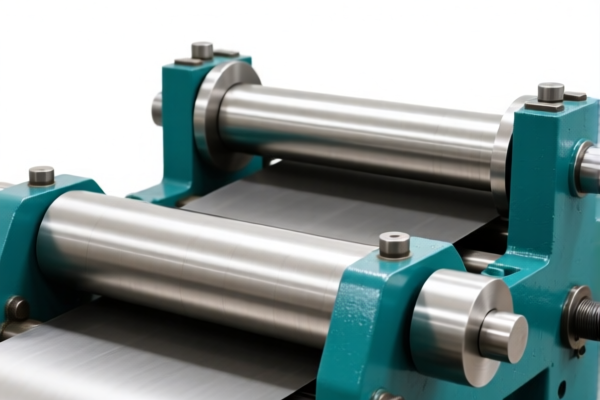
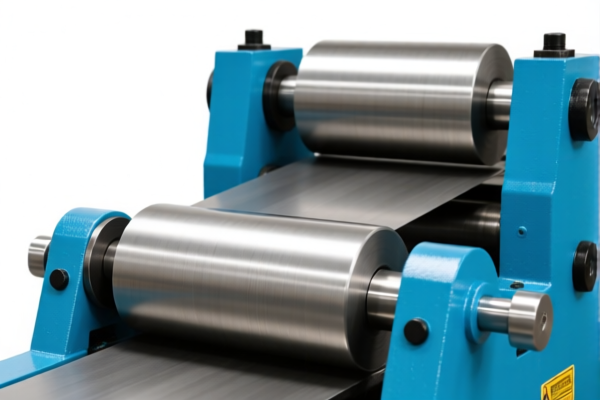
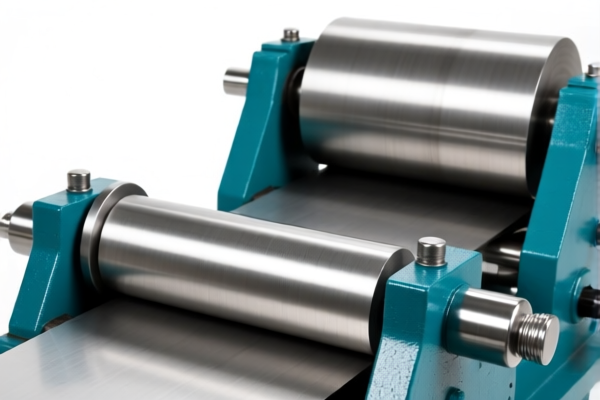
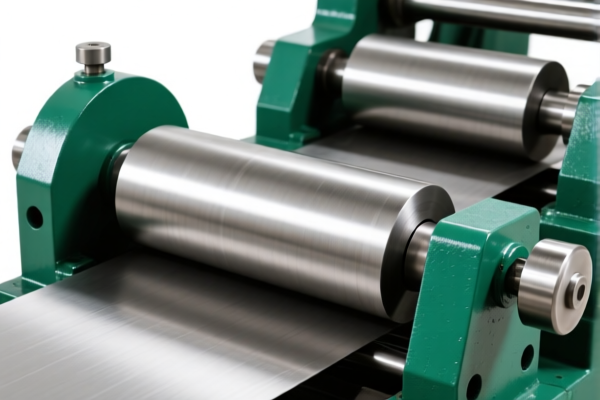
AI Analysis
🏭 Rolling Mill (Steel & Metal Processing Machinery)
🌐 HS Code Classification & Customs Clearance Guide | 2026 Latest Tariff Analysis | Professional Compliance Strategy
📌 I. Product Definition & Classification: What is a "Rolling Mill"?
A Rolling Mill is heavy industrial machinery used to reduce the thickness, change the cross-section, or improve the mechanical properties of metal stock (slabs, blooms, or billets) by passing it through one or more pairs of rolls. In international trade, this term broadly covers machinery for hot or cold rolling of metals. However, the HS Code classification is strictly dependent on the specific function and output of the machine, particularly distinguishing between general metal processing and specialized equipment for Glass or Optical Fibers, which leads to the specific codes in .
⚠️ Critical Distinction for Items:
The provided lists HS Codes under Chapter 84.75 ("Machines for assembling electric or electronic lamps...; machines for manufacturing or hot working glass or glassware").
Crucial Note: Standard steel rolling mills usually fall under HS 8455 (Rolling mills...). HOWEVER, if your "Rolling Mill" is specifically used for manufacturing glass fibers, preforms, or hot working glass, it falls under HS 8475.
The following analysis is strictly based on the HS Codes provided in your (8475.29.00.00and8475.21.00.00), which refer to Glass Processing machinery, not standard steel rolling.
📦 二、HS Code Classification Details (Based on )
| HS Code | Product Description (from ) | Specific Application | Key Feature |
|---|---|---|---|
8475.29.00.00 |
Machines for manufacturing or hot working glass or glassware: Other | General glass melting, forming, or hot working machinery not specified elsewhere. | "Catch-all" for glass hot-working machines. |
8475.21.00.00 |
Machines for manufacturing or hot working glass or glassware: Machines for making optical fibers and preforms thereof | High-precision manufacturing of silica glass fibers and preforms. | Specialized, high-tech optical equipment. |
🔍 Important Clarification:
- These codes DO NOT cover standard steel plate, wire, or bar rolling mills (which are typically 8455.10/21/30/40).
- If your machine is a steel rolling mill, these codes are INCORRECT.
- If your machine is used to draw glass fibers or hot-work glass, these are the CORRECT codes as per .
💰 三、2026 Latest Tariff Rate Breakdown (Detailed Tax Terms)
✅ Applicable Country: United States (US)
✅ Origin: China (CN)
✅ Effective Date: As of current US Trade Policy (2025-2026)
🎯 1. 8475.29.00.00 —— Other Machines for Manufacturing or Hot Working Glass
| Item | Detail |
|---|---|
| Base Tariff | 0.0% |
| Section 301 / Additional Tariff | +25.0% |
| Total Tax Rate | 25.0% |
| Tax Calculation | CIF Value × 25% |
| De Minimis Exemption? | ❌ No (Denied) |
| Legal Basis Path | USITC:8475.29.00.00 → Section 301 Footnote |
📌 Explanation:
- The base duty is 0% because these are specialized industrial machines.
- However, a 25% additional tariff is applied under Section 301 of the Trade Act of 1974, targeting Chinese-origin industrial equipment.
- Total Duty: 25%.
🎯 2. 8475.21.00.00 —— Machines for Making Optical Fibers and Preforms
| Item | Detail |
|---|---|
| Base Tariff | 0.0% |
| Section 301 / Additional Tariff | +25.0% |
| Total Tax Rate | 25.0% |
| Tax Calculation | CIF Value × 25% |
| De Minimis Exemption? | ❌ No (Denied) |
| Legal Basis Path | USITC:8475.21.00.00 → Section 301 Footnote |
📌 Explanation:
- Similar to the above, base duty is 0%.
- 25% additional tariff applies due to the origin (China).
- Total Duty: 25%.
- Note: High-tech optical fiber equipment is often subject to strict export controls and import scrutiny; ensure all technical documentation is accurate.
🛠️ 四、Customs Clearance Practical Advice (Avoid Pitfalls)
✅ 1. Documentation Checklist (Essential)
| Document | Required? | Description |
|---|---|---|
| ✅ Product Specification Sheet | ✔️ | Must clearly state: "Machine for Glass Hot Working" or "Optical Fiber Preform Making Machine." Do NOT use generic "Steel Rolling Mill" terms. |
| ✅ Technical Diagrams | ✔️ | Show rollers/burners designed for glass viscosity and temperature, not steel deformation. |
| ✅ Commercial Invoice | ✔️ | Description must match HS Code description exactly. |
| ✅ Country of Origin Certificate | ✔️ | Crucial for Section 301 tariff application. |
| ✅ Import License | ✔️ | Check if Export Control Classification Number (ECCN) is needed for optical fiber equipment (often EAR99 or higher). |
✅ 2. Declaration Strategy
| Scenario | Correct Declaration | Wrong Declaration |
|---|---|---|
| Glass Fiber Machine | 8475.21.00.00 - Machine for making optical fibers |
8455.10.00.00 (Steel Rolling Mill) → Misclassification! |
| General Glass Furnace/Roller | 8475.29.00.00 - Other glass manufacturing machine |
8411.99.00.00 (Parts of turbines) → Wrong Chapter! |
| Steel Rolling Mill | NOT COVERED IN | Using 8475 codes → High Risk of Audit/Seizure |
🚨 Warning:
If you are importing a standard steel rolling mill, DO NOT use8475.29.00.00or8475.21.00.00. These codes are for glass. Steel rolling mills fall under 8455. Misclassification can lead to penalties, back-taxes, and shipment detention.
✅ 3. Special Considerations for Optical Fiber Equipment (8475.21.00.00)
- National Security Review: Equipment for making optical fibers may be subject to additional scrutiny by U.S. Customs and Border Protection (CBP) and Department of Commerce due to potential dual-use technologies.
- Technical Data: Be prepared to provide detailed specs on temperature ranges, fiber draw speeds, and silica purity controls.
🌍 五、Global Market Comparison (2026)
| Country/Region | HS Code (For Glass Machines) | Tariff (China Origin) | Notes |
|---|---|---|---|
| 🇺🇸 USA | 8475.29.00.00 / 8475.21.00.00 |
25% (301 Tariff) | High duty. Base rate 0%. |
| 🇪🇺 EU | 8475.29 / 8475.21 |
0% - 4.5% | Generally low duty for industrial machinery. No 301 equivalent. |
| 🇨🇳 China | 8475.29 / 8475.21 |
0% - 5% | Import duties for machinery are often low to encourage tech upgrade. |
| 🇮🇳 India | 8475.29 / 8475.21 |
7.5% - 15% | Basic customs duty + social welfare surcharge. |
📌 Conclusion:
- The USA is the only major market with the 25% additional tariff on these specific glass-manufacturing machines from China.
- If you are exporting to the US, factor in the 25% cost immediately.
📌 六、Common Errors & Pitfalls (Lessons Learned)
❌ Error 1: Calling a "Glass Fiber Drawing Machine" a "Steel Rolling Mill"
👉 Consequence: HS Code mismatch → CBP flags for misdeclaration → Delay + Penalty.
❌ Error 2: Omitting "Optical Fiber" in the description for 8475.21.00.00
👉 Consequence: Customs may reclassify to 8475.29.00.00 or even 9026.80 (Instruments), leading to duty reassessment.
❌ Error 3: Assuming all "Rolling Mills" are the same
👉 Consequence: Using 8475 codes for steel mills. Steel rolling mills are 8455. Glass machines are 8475. They are in different chapters!
✅ Correct Declaration Example:
"Machine for manufacturing optical fiber preforms, designed for hot-working silica glass, Model XYZ, Origin: China"
🎯 七、Conclusion: Precision in Classification Saves Money
🎯 Key Takeaway:
🔹 "Glass Machine = 8475. Steel Machine = 8455."
🔹 "For Glass: 25% US Duty applies. Base rate is 0%."
🔹 "Do not mix up steel rolling equipment with glass processing equipment."
📌 Tips:
- If your machine is NOT for glass, please provide the correct product description to get the right HS Code (likely 8455).
- For 8475.21.00.00 (Optical Fiber), ensure compliance with export control regulations (BIS) as well as customs.
📣 Immediate Action:
📞 Verify if your "Rolling Mill" is for Glass or Steel.
🚀 If Glass: Use8475.29.00.00or8475.21.00.00.
🚀 If Steel: Search for HS 8455 codes instead.
✨ Professional clearance starts with accurate classification!
💼 Every dollar saved comes from getting the HS Code right.
Customer Reviews
About HS Code Classification
The Harmonized System (HS) is an internationally standardized nomenclature developed by the World Customs Organization (WCO) to classify traded products. Over 200 countries use the HS system as the basis for customs tariffs, trade statistics, and import/export regulations.
Each HS code follows a hierarchical structure:
- Chapter (2 digits) — Broad category of goods (e.g., Chapter 84: Machinery and Mechanical Appliances)
- Heading (4 digits) — More specific grouping within the chapter
- Subheading (6 digits) — Internationally standardized breakdown, used by all WCO member countries
- National subdivisions (8-10 digits) — Country-specific extensions for further classification, such as US HTSUS 10-digit codes
Correct HS code classification is essential for smooth customs clearance, accurate duty payment, and compliance with trade regulations. Misclassification can lead to customs delays, overpayment of duties, or penalties.
When importing from CN to US, the applicable tariff rates may include:
- Most-Favored-Nation (MFN) rate — The standard duty rate applied to WTO members
- General rate — Applied to countries without trade agreements
- Trade remedy duties — Additional tariffs such as Section 301 (anti-dumping), Section 232 (national security), or countervailing duties
The information provided on this page is for reference purposes only. For official classification, please consult with your local customs authority or a licensed customs broker.