Rope Connector
CN → US| HS Code | Tariff Rate | Origin | Destination | Doc |
|---|---|---|---|---|
| 8538908160 | 38.5% | CN | US | Official Doc |
| 8536694010 | 35.0% | CN | US | Official Doc |
| 8538908140 | 38.5% | CN | US | Official Doc |
| 5607909000 | 41.3% | CN | US | Official Doc |
| 4007000000 | 35.0% | CN | US | Official Doc |
Product Images


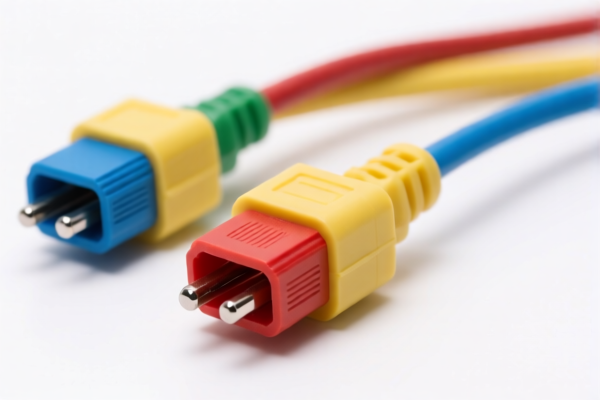

AI Analysis
🔌 Rope Connectors & Cable Joints (Industrial & Electrical)
🌐 HS Code Reference & Customs Clearance Guide | 2026 Latest Tariff Breakdown | Professional Clearance Strategy
📌 I. Product Definition & Classification: What Exactly is a "Rope Connector"?
The term "Rope Connector" is ambiguous in international trade. It generally refers to two distinct categories of goods depending on the material and application:
- Electrical Cable Connectors/Accessories: Metallic or insulating components used to join electrical cables (often referred to as "cable joints" or "connectors"). These are classified under Chapter 85 (Electrical machinery).
- Industrial Rope/Cordage Connectors: Mechanical or textile components used to join synthetic, natural, or rubberized ropes (e.g., for rigging, lifting, or mooring). These are classified under Chapter 40 (Rubber) or Chapter 56 (Textile/Felt).
⚠️ Key Distinction Point:
- If the product has metal contacts, pins, or insulating bodies for electricity → It is an Electrical Connector (HS 8536/8538).
- If the product is made of rubber for sealing/loading → It is a Rubber Article (HS 4007).
- If the product is made of textile/cordage for mechanical joining → It is a Rope/Cordage Article (HS 5607).
📦 II. HS Code Classification Details (2026 Latest Tariff Authorities)
Based on the provided data, the product may fall into one of the following categories. The correct classification depends on the primary function and material composition.
| HS Code | Product Description | Application Scenario | Primary Material/Function |
|---|---|---|---|
8538.90.81.60 |
Parts of Switchgear/Control Panels: Cable Connectors as "Other Parts" | Industrial electrical panels, power distribution units | Electrical accessory, metallic/insulating body |
8536.69.40.10 |
Coaxial Connectors: Matching with "Same Function" | Telecommunications, data transmission, RF applications | Coaxial interface, signal transmission |
8538.90.81.40 |
Parts of Electrical Connection Devices: Containing Metal Contacts | Internal wiring, PCB connections, industrial machinery | Metallic contacts, electrical conductivity |
5607.90.90.00 |
Other Cords/Ropes: Non-rubber/plastic impregnated | Mechanical rigging, textile ropes, non-electrical loads | Textile/Cordage material |
4007.00.00.00 |
Vulcanized Rubber: "Other" Rubber Articles | Sealing rings, rubber cordages, heavy-duty industrial rubber ropes | Vulcanized rubber (assumed by common sense) |
🔍 Critical Reminder:
- If your "Rope Connector" is used for electrical power, do NOT classify it as a rope (Chapter 56/40). It must go to Chapter 85. - If your "Rope Connector" is used for mechanical lifting, classify it under Chapter 56 (if textile) or Chapter 40 (if rubber). - Misclassification leads to significant duty differences!
💰 III. 2026 Latest Tariff Rate Breakdown (Including Surtaxes & Policy Add-ons)
✅ Applicable Country: United States (US)
✅ Country of Origin: China (CN)
✅ Effective Date: From November 10, 2025 (inclusive)
🎯 1. 8538.90.81.60 & 8538.90.81.40 —— Electrical Parts/Connectors
Both codes fall under similar tariff structures for electrical parts/accessories from China.
| Item | Content |
|---|---|
| Basic Duty | 3.5% (ad valorem) |
| Section 301 Surtax | +25.0% (USITC Footnote) |
| Section 122/Tariff 10% | +10.0% (Specific China Add-on) |
| Total Effective Rate | 38.5% |
| Tax Calculation | CIF Value × 38.5% |
| De Minimis Exemption | ❌ Not Eligible |
| Legal Basis Path | Base Tariff → Section 301 (25%) → 122 Clause (10%) |
📌 Explanation:
- The 3.5% base rate applies to parts of switchgear or electrical connection devices. - The 25% Section 301 duty is a standard surcharge for Chinese electrical goods. - The additional 10% is a specific policy tariff (referred to as "122 Clause" in the data). - Total Burden: 38.5%. This is a high-cost category for electrical components.
🎯 2. 8536.69.40.10 —— Coaxial Connectors
Coaxial connectors have a slightly different duty structure due to their specific electronic nature.
| Item | Content |
|---|---|
| Basic Duty | 0.0% (ad valorem) |
| Section 301 Surtax | +25.0% |
| Section 122/Tariff 10% | +10.0% |
| Total Effective Rate | 35.0% |
| Tax Calculation | CIF Value × 35.0% |
| De Minimis Exemption | ❌ Not Eligible |
| Legal Basis Path | Base Tariff (0%) → Section 301 (25%) → 122 Clause (10%) |
📌 Note:
- Although the base duty is 0%, the 35% total is still significant. - This code is specifically for Coaxial Connectors. If your product is a standard electrical plug/socket, use8538codes instead.
🎯 3. 5607.90.90.00 —— Textile/Cordage Connectors (Non-Rubber)
If the connector is part of a rope/cordage system made of textiles.
| Item | Content |
|---|---|
| Basic Duty | 6.3% |
| Section 301 Surtax | +25.0% |
| Section 122/Tariff 10% | +10.0% |
| Total Effective Rate | 41.3% |
| Tax Calculation | CIF Value × 41.3% |
| De Minimis Exemption | ❌ Not Eligible |
| Legal Basis Path | Base Tariff → Section 301 (25%) → 122 Clause (10%) |
📌 Explanation:
- Classified as "Other" cords/ropes not impregnated with rubber/plastic. - This is the highest base duty (6.3%) among the options, making the total tax burden even higher.
🎯 4. 4007.00.00.00 —— Vulcanized Rubber Articles
If the connector is made of rubber (e.g., sealing caps, rubber hose connectors).
| Item | Content |
|---|---|
| Basic Duty | 0.0% |
| Section 301 Surtax | +25.0% |
| Section 122/Tariff 10% | +10.0% |
| Total Effective Rate | 35.0% |
| Tax Calculation | CIF Value × 35.0% |
| De Minimis Exemption | ❌ Not Eligible |
| Legal Basis Path | Base Tariff (0%) → Section 301 (25%) → 122 Clause (10%) |
📌 Note:
- Based on common sense, rubber rope connectors fall under "Other" rubber articles. - Matches the 35.0% rate, same as coaxial connectors, but for a completely different material class.
🛠️ IV. Customs Clearance Practical Advice (Pitfall Avoidance Guide)
✅ 1. Preparation Checklist (All Mandatory)
| Document | Required | Description |
|---|---|---|
| ✅ Product Specification | ✔️ | Clearly state: Electrical (Volts/Amps) OR Mechanical (Load Rating/Material). |
| ✅ Material Composition | ✔️ | Specify: Metal, Plastic, Coaxial, Rubber, or Textile. |
| ✅ Product Photos | ✔️ | Show terminals, contacts, or rope structure. |
| ✅ Function Statement | ✔️ | "Connects Power Cable" vs. "Joins Synthetic Rope". |
| ✅ Commercial Invoice | ✔️ | Use precise HS Code description, avoid vague terms like "Rope Part". |
✅ 2. Classification Strategy (Key Rules)
| Scenario | Correct Classification | Risk if Wrong |
|---|---|---|
| Electrical Cable Joint | 8538.90.81.60 or 8538.90.81.40 |
Misclassified as textile → 41.3% instead of 38.5% (minor) OR denied entry if deemed dangerous goods. |
| Coaxial Cable Connector | 8536.69.40.10 |
Misclassified as general electrical → 38.5% instead of 35.0% (overpayment). |
| Textile Rope Connector | 5607.90.90.00 |
Misclassified as rubber → 35.0% instead of 41.3% (underpayment penalty). |
| Rubber Rope/Seal | 4007.00.00.00 |
Misclassified as textile → 41.3% instead of 35.0% (overpayment). |
🔥 Golden Rule:
"Electricity goes to Chapter 85; Rope/Rubber goes to Chapter 40/56. Do not mix!"
✅ 3. Special Cases
| Situation | Handling Advice |
|---|---|
| Hybrid Product (e.g., Electrical connector on a rope) | Declare as the primary function. If it transmits power, use HS 8538. |
| OEM Custom Parts | Provide client order + design specs to prove "Parts of Switchgear" status. |
| Small Samples | Even samples are subject to tariffs if value exceeds de minimis (though $800 may be exempt, formal entries require payment). |
🌍 V. Global Market Clearance Comparison (2026)
| Country/Region | Recommended HS Code | Tariff Rate (China Origin) | Certification | Notes |
|---|---|---|---|---|
| 🇺🇸 USA | 8538.90.81.60 |
38.5% | FCC/UL (if electrical) | Highest duty due to Section 301 + 122. |
| 🇨🇳 China | 8538.90.81.60 |
~3.5% | CCC | No surtaxes. |
| 🇪🇺 EU | 8538.90.81 |
~4-5% | CE/RoHS | No Section 301 tariffs. |
| 🇬🇧 UK | 8538.90.81 |
~4-5% | UKCA | Post-Brexit rules apply. |
📌 Conclusion:
- US Market is the most expensive due to the 38.5% effective rate for electrical parts. - Electrical connectors carry a heavy tax burden in the US. Consider supply chain diversification (e.g., Vietnam/Mexico) if feasible. - Textile/Rubber connectors are also heavily taxed in the US (35-41%), so cost optimization is critical.
📌 VI. Common Errors & Pitfalls (Blood Lessons)
❌ Error 1: Calling "Cable Connector" a "Rope Part"
👉 Consequence: Customs may reclassify it under Chapter 56 (41.3%) or reject it as misdeclared.
❌ Error 2: Using vague terms like "Accessories"
👉 Consequence: Customs demands more documentation, causing customs delays and storage fees.
❌ Error 3: Ignoring Section 122 Tariff
👉 Consequence: Underpaying 10% leads to back taxes + penalties upon audit.
❌ Error 4: Confusing Coaxial (8536) with General Electrical (8538)
👉 Consequence: Either overpaying by 3.5% or facing scrutiny for incorrect classification.
✅ Correct Declaration Example:
"Electrical Cable Connector, Part No. XYZ, For Switchgear Panel, Metal Contacts, Insulating Body, Model ABC"
HS Code:8538.90.81.60
🎯 VII. Conclusion: Professional Declaration Saves Money!
🎯 Remember the Mantra:
🔹 "Electric? Chapter 85 (38.5%). Coaxial? 35%. Rope? 41.3%. Rubber? 35%."
🔹 "Specify Material, Specify Function. Avoid Guessing!"
📌 Pro Tip:
If your product is originally from China, the US tariffs are high (35-41.3%).
- Action: Apply for Advance Rulings from CBP to confirm classification.
- Action: Evaluate if transshipment or foreign sourcing is viable to reduce duty costs.
📣 Immediate Action:
📞 Contact your customs broker with Photos + Specs.
🚀 Clarify Classification to avoid surprise bills and port delays!
✨ Professional Customs Clearance Starts with Precise Classification!
💼 Every Percentage Point Matters in Trade!
Customer Reviews
About HS Code Classification
The Harmonized System (HS) is an internationally standardized nomenclature developed by the World Customs Organization (WCO) to classify traded products. Over 200 countries use the HS system as the basis for customs tariffs, trade statistics, and import/export regulations.
Each HS code follows a hierarchical structure:
- Chapter (2 digits) — Broad category of goods (e.g., Chapter 84: Machinery and Mechanical Appliances)
- Heading (4 digits) — More specific grouping within the chapter
- Subheading (6 digits) — Internationally standardized breakdown, used by all WCO member countries
- National subdivisions (8-10 digits) — Country-specific extensions for further classification, such as US HTSUS 10-digit codes
Correct HS code classification is essential for smooth customs clearance, accurate duty payment, and compliance with trade regulations. Misclassification can lead to customs delays, overpayment of duties, or penalties.
When importing from CN to US, the applicable tariff rates may include:
- Most-Favored-Nation (MFN) rate — The standard duty rate applied to WTO members
- General rate — Applied to countries without trade agreements
- Trade remedy duties — Additional tariffs such as Section 301 (anti-dumping), Section 232 (national security), or countervailing duties
The information provided on this page is for reference purposes only. For official classification, please consult with your local customs authority or a licensed customs broker.