Ropes and Shoelaces
CN → US| HS Code | Tariff Rate | Origin | Destination | Doc |
|---|---|---|---|---|
| 5607491000 | 37.7% | CN | US | Official Doc |
| 4007000000 | 35.0% | CN | US | Official Doc |
| 5607909000 | 41.3% | CN | US | Official Doc |
| 7312107000 | 85.0% | CN | US | Official Doc |
| 7312109090 | 85.0% | CN | US | Official Doc |
Product Images
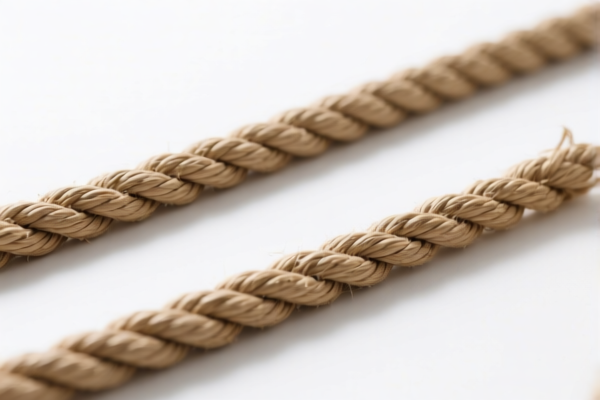

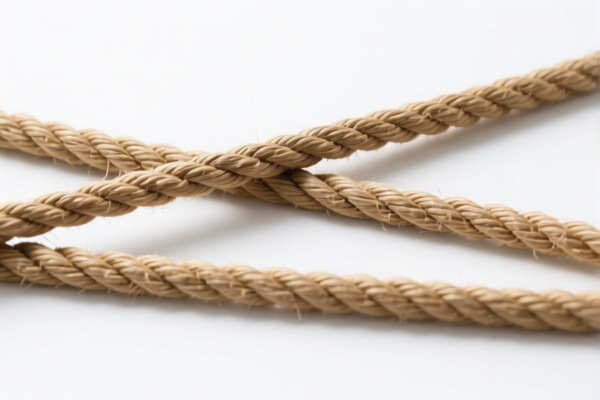

AI Analysis
🪢 Ropes & Shoelaces (Strings, Cordage, and Twines)
🌐 HS Code Reference & Customs Clearance Guide | 2026 Latest Tariff Analysis | Professional Strategy for High-Tariff Goods
📌 I. Product Definition & Classification: Do You Know What Your "Rope" Really Is?
Ropes, cordage, and shoelaces are ubiquitous in trade, but their customs classification depends entirely on their material composition and processing state. In international trade, they are not a single category but are split into distinct chapters based on whether they are made of plastic/rubber, textiles, or metals.
1. Plastic/Textile Ropes: Made of polyethylene, polypropylene, or other synthetic fibers. Often used for general utility, packaging, or light-duty tasks.
2. Rubber/Plastic Coated Ropes: Made of vulcanized rubber or impregnated with plastic. Often used for heavy-duty lifting, safety, or marine applications.
3. Metal Ropes (Wire Ropes): Made of iron, steel, or other metals. Used for construction, elevators, and heavy industrial machinery.
⚠️ Key Distinction Point:
- If the rope is plastic (PE/PP) or textile-based → It falls under Chapter 56 (Textiles/Cordage).
- If the rope is vulcanized rubber or plastic-impregnated → It falls under Chapter 40 (Rubber) or Chapter 56 (Coated).
- If the rope is metal/steel wire → It falls under Chapter 73 (Iron/Steel).
- Shoelaces are typically classified as textile cordage (Chapter 56) unless made of rubber or metal.
📦 II. HS Code Classification Details (2026 Latest Tariff Authority Comparison)
| HS Code | Product Description | Material/State | Application Scenario |
|---|---|---|---|
5607.49.10.00 |
Rope and Cordage, Plaited or Braided, of Polyethylene or Polypropylene | Plastic (PE/PP) | General utility ropes, shopping bags, light-duty tie-downs |
4007.00.00.00 |
Vulcanized Rubber Cordage | Vulcanized Rubber | Industrial belts, shock-absorbing ropes, specialized rubber cords |
5607.90.90.00 |
Other Rope and Cordage, Impregnated, Coated, Covered or Plaited | Non-Rubber/Non-Plastic Coated | Textile ropes coated with other materials, composite cords |
7312.10.70.00 |
Iron or Steel Wire Ropes | Metal (Steel/Aluminum/Copper) | Elevator cables, crane wires, construction stays, heavy lifting |
7312.10.90.90 |
Other Wire Ropes of Iron or Steel | Metal (Iron/Steel) | Standard steel wire ropes, general industrial metal cords |
🔍 Critical Reminder:
- Material is King: A "rope" made of steel wires is NOT classified under Chapter 56. It must be declared as Chapter 73. Misclassification leads to severe penalties and retroactive tariffs.
- Shoelaces: If made of woven textile, they usually fall under5607.49or5607.90. If made of rubber, they fall under4007.
- Coatings Matter: If a textile rope is impregnated or coated, it may still be5607.90, but if it is vulcanized rubber, it is4007.
💰 III. 2026 Latest Tariff Rate Breakdown (Including Surtaxes & Policy Add-ons)
✅ Applicable Country: United States (US)
✅ Origin: China (CN)
✅ Effective Time: 2025/2026 (Current Trade War Status)
🎯 1. 5607.49.10.00 —— Ropes of Polyethylene or Polypropylene (Plastic/Textile)
| Item | Content |
|---|---|
| Base Tariff | 2.7% (ad valorem) |
| Section 301 Surtax | +25.0% (Retaliatory Tariff) |
| Section 122 Surtax | +10.0% (Reciprocal Tariff on China) |
| Total Rate | 37.7% |
| Calculation Basis | CIF Value × 37.7% |
| De Minimis Exemption | ❌ Not Eligible (High risk of audit) |
| Legal Basis | USITC:5607.49.10.00 → Section 301 → Section 122 |
📌 Explanation:
- This is the most common classification for synthetic ropes.
- The 37.7% total rate is extremely high for a low-value item.
- Warning: Many small shipments try to hide under Section 321 (De Minimis), but US Customs is actively scrutinizing rope/cordage from China due to overcapacity and anti-dumping investigations.
🎯 2. 4007.00.00.00 —— Vulcanized Rubber Cordage
| Item | Content |
|---|---|
| Base Tariff | 0.0% |
| Section 301 Surtax | +25.0% |
| Section 122 Surtax | +10.0% |
| Total Rate | 35.0% |
| Calculation Basis | CIF Value × 35.0% |
| De Minimis Exemption | ❌ Not Eligible |
| Legal Basis | USITC:4007.00.00.00 → Section 301 → Section 122 |
📌 Note:
- Even though the base tariff is 0%, the surtaxes apply equally.
- Shoelaces made of rubber (e.g., elastic laces) may fall here. Check if they are vulcanized.
🎯 3. 5607.90.90.00 —— Other Ropes (Non-Rubber/Non-Plastic Coated)
| Item | Content |
|---|---|
| Base Tariff | 6.3% |
| Section 301 Surtax | +25.0% |
| Section 122 Surtax | +10.0% |
| Total Rate | 41.3% |
| Calculation Basis | CIF Value × 41.3% |
| De Minimis Exemption | ❌ Not Eligible |
| Legal Basis | USITC:5607.90.90.00 → Section 301 → Section 122 |
📌 Warning:
- This is a "catch-all" for ropes that don’t fit PE/PP or Rubber.
- Textile ropes with unusual coatings or composite materials often fall here.
- Highest total tax rate among non-metallic ropes.
🎯 4. 7312.10.70.00 & 7312.10.90.90 —— Iron/Steel Wire Ropes
| Item | Content |
|---|---|
| Base Tariff | 0.0% |
| Section 301 Surtax | +25.0% |
| Section 122 Surtax | +10.0% |
| Steel/Aluminum/Copper Surtax | +50.0% (Specific Additional Tax) |
| Total Rate | 85.0% |
| Calculation Basis | CIF Value × 85.0% |
| De Minimis Exemption | ❌ Not Eligible |
| Legal Basis | USITC:7312.10.xx.xx → Section 301 → Section 122 → Steel Surtax 50% |
📌 CRITICAL ALERT:
- Metal ropes are NOT equal to plastic ropes.
- The 50% additional tariff on steel, aluminum, and copper products drastically increases the cost.
- Total Tax: 85%. This is one of the most heavily taxed categories.
- Shoelaces made of metal (e.g., decorative metal tips or steel cables) also fall here.
🛠️ IV. Customs Clearance Practical Advice (Battle-Tested Pitfall Avoidance)
✅ 1. Required Documentation Checklist (Non-Negotiable)
| Document | Mandatory? | Description |
|---|---|---|
| ✅ Product Specification Sheet | ✔️ | Must clearly state Material (e.g., "100% Polypropylene," "Vulcanized Rubber," "Galvanized Steel") |
| ✅ Material Safety Data Sheet (MSDS) | ✔️ | Required for chemical composition verification, especially for coated ropes |
| ✅ Commercial Invoice | ✔️ | Must explicitly state "Rope/Cordage" and HS Code. Do NOT use vague terms like "Accessories" |
| ✅ Packaging List | ✔️ | Weight and dimensions must match invoice. Avoid mixed shipments |
| ✅ Certificate of Origin (CO) | ✔️ | If origin is not China, may qualify for lower rates (e.g., Vietnam, Mexico) |
✅ 2. Declaration Tips (Key Mantras)
🔥 "Material First, Not Function. HS Code Defines Tax, Not Use!"
| Scenario | Correct Declaration | Wrong Practice |
|---|---|---|
| Plastic Rope (PP) | 5607.49.10.00 |
Misdeclare as "Textile Cord" under 5607.90 → 41.3% (Higher!) |
| Steel Wire Rope | 7312.10.70.00 |
Misdeclare as "Plastic Rope" → 37.7% → Audit Risk + Back Taxes |
| Rubber Shoelaces | 4007.00.00.00 |
Misdeclare as "Textile Laces" → 37.7% → Possible Penalty |
| Mixed Shipment | Split by HS Code | Bundle all ropes together → Customs Seizure Risk |
✅ 3. Special Cases & Mitigation Strategies
| Scenario | Handling Advice |
|---|---|
| OEM Custom Ropes | Provide client design specs. If material is unique, request Advance Ruling from CBP |
| Metal-Roped Shoelaces | Declare as 7312.10.90.90. Prepare for 85% tax. Consider if rubber/plastic alternatives are feasible |
| High-Value Industrial Ropes | Apply for Section 301 Exclusions if applicable (check USTR list annually). Rare, but possible for critical industrial use |
| Small Sample Shipments | Do NOT rely on De Minimis (Section 321). CBP is tightening enforcement on Chinese cordage. Pay the 37.7%-85% tax to avoid seizure |
🌍 V. Global Market Comparison (2026 Latest)
| Country/Region | Recommended HS Code | Tariff Rate (China Origin) | Certification Requirements | Notes |
|---|---|---|---|---|
| 🇺🇸 USA | 5607.49.10.00 (Plastic)7312.10.70.00 (Steel) |
37.7% (Plastic) 85.0% (Steel) |
None specific for ropes | Highest risk market. Steel ropes are extremely costly. |
| 🇨🇳 China | 5607.49.10.00 |
5% - 10% | CCC (if applicable) | Low import duty. Common manufacturing hub. |
| 🇪🇺 EU | 5607.49.10.00 |
0% - 3% (if GSP/EBA) | REACH (Chemicals) | No retaliatory tariffs. Best market for cost efficiency. |
| 🇲🇽 Mexico | 5607.49.10.00 |
0% (USMCA) | N/A | If produced in Mexico, duty-free to USA. |
📌 Conclusion:
- USA is the most expensive market for Chinese ropes due to Section 301 and Section 122 tariffs.
- Steel ropes are penalized most heavily (85%).
- EU and Mexico are preferred for supply chain diversification to avoid high US tariffs.
📌 VI. Common Mistakes & Pitfalls (Lessons Learned)
❌ Mistake 1: Declaring Steel Wire Ropes as "Plastic Ropes"
👉 Consequence: Tariff evasion audit → Back taxes + 25% penalty + Seizure
❌ Mistake 2: Using vague terms like "Cord" or "String" in Invoice
👉 Consequence: CBP may reclassify as "Other Textiles" → Higher Duty + Delay
❌ Mistake 3: Ignoring Material Composition for Shoelaces
👉 Consequence: Rubber shoelaces declared as Textile → Misclassification Penalty
❌ Mistake 4: Assuming De Minimis (Section 321) Applies
👉 Consequence: CBP is actively auditing Chinese rope/cordage under Section 321 → Refusal of Entry
✅ Correct Approach:
"Polypropylene Rope, Braided, 10mm, 100% PP, No Plastic Coating, Model ABC"
"Steel Wire Rope, Galvanized, 6x19 Construction, 10mm Diameter"
🎯 VII. Conclusion: Precision Classification Saves Money!
🎯 Remember the Mantra:
🔹 "Plastic: 37.7%. Rubber: 35.0%. Steel: 85.0%!"
🔹 "Material determines the HS Code, Not the Name!"
🔹 "Shoelaces are Ropes too! Check the Material!"
📌 Pro Tip:
If your products are shoelaces or ropes, consider manufacturing in Vietnam or Mexico to leverage USMCA (Mexico) or avoid Section 301 (Vietnam, if rules of origin are met).
For Steel Ropes, the 85% tariff is prohibitive. Explore local sourcing or high-value niche products to absorb the cost.
📣 Immediate Action:
📞 Consult a licensed customs broker for Pre-Ruling if unsure.
🚀 Accurate Declaration = Smooth Clearance = Profit Protection!
✨ Professional Customs Clearance Starts with Accurate Classification!
💼 Every Percent of Tax Saved is Pure Profit!
Customer Reviews
About HS Code Classification
The Harmonized System (HS) is an internationally standardized nomenclature developed by the World Customs Organization (WCO) to classify traded products. Over 200 countries use the HS system as the basis for customs tariffs, trade statistics, and import/export regulations.
Each HS code follows a hierarchical structure:
- Chapter (2 digits) — Broad category of goods (e.g., Chapter 84: Machinery and Mechanical Appliances)
- Heading (4 digits) — More specific grouping within the chapter
- Subheading (6 digits) — Internationally standardized breakdown, used by all WCO member countries
- National subdivisions (8-10 digits) — Country-specific extensions for further classification, such as US HTSUS 10-digit codes
Correct HS code classification is essential for smooth customs clearance, accurate duty payment, and compliance with trade regulations. Misclassification can lead to customs delays, overpayment of duties, or penalties.
When importing from CN to US, the applicable tariff rates may include:
- Most-Favored-Nation (MFN) rate — The standard duty rate applied to WTO members
- General rate — Applied to countries without trade agreements
- Trade remedy duties — Additional tariffs such as Section 301 (anti-dumping), Section 232 (national security), or countervailing duties
The information provided on this page is for reference purposes only. For official classification, please consult with your local customs authority or a licensed customs broker.