Rose Hairband
CN → US| HS Code | Tariff Rate | Origin | Destination | Doc |
|---|---|---|---|---|
| 6217101010 | 19.8% | CN | US | Official Doc |
| 6117802000 | 18.7% | CN | US | Official Doc |
| 6117808500 | 32.1% | CN | US | Official Doc |
| 9615196000 | 21.0% | CN | US | Official Doc |
| 9615114000 | 15.3% | CN | US | Official Doc |
Product Images
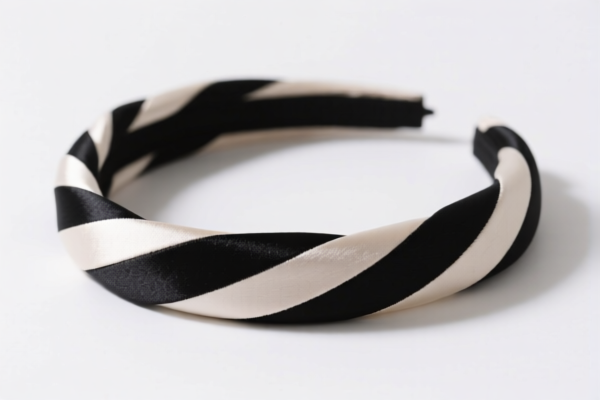
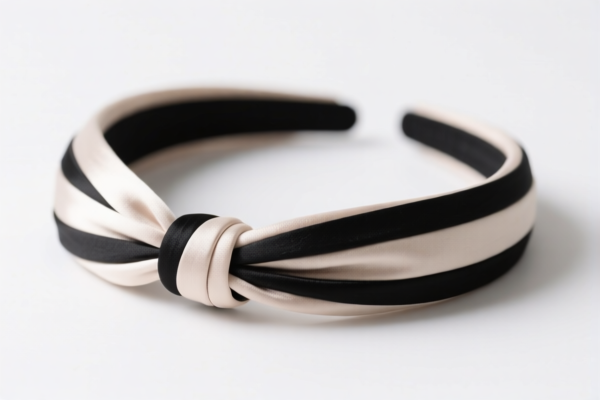
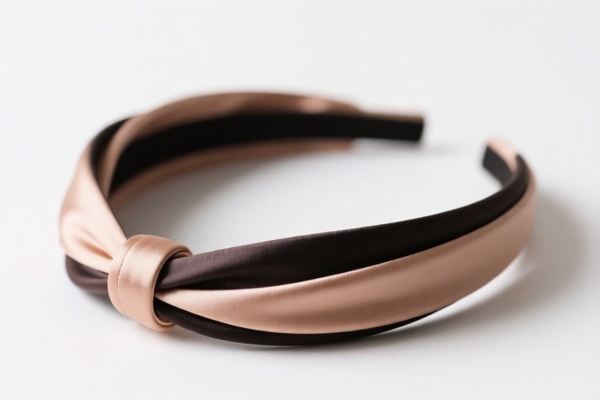
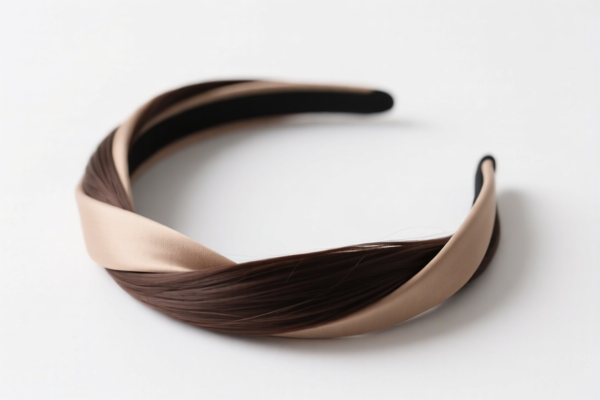
AI Analysis
🌸 Rose Hairband (Floral & Fabric Hair Accessories)
🌐 HS Code Reference & Customs Clearance Guide | 2026 Latest Tariff Analysis | Professional Strategy for US Imports
📌 I. Product Definition & Classification: What is a "Rose Hairband"?
A "Rose Hairband" is typically defined as a headband or hair accessory featuring a floral (rose) design. In international trade, the classification depends heavily on material composition (woven vs. plastic) and structure (knitted vs. woven vs. molded). It is generally categorized under either Chapter 61/62 (Articles of Apparel/Accessories) or Chapter 96 (Miscellaneous Manufactured Articles).
⚠️ Critical Distinction:
- If the rose is made of fabric/textile and the band is knitted or woven → Likely Chapter 61/62 (Textile Accessories).
- If the rose is made of plastic/rubber or the entire item is a rigid hair ornament → Likely Chapter 96 (Hair Ornaments).
- If it is a silk item, special rules may apply under Chapter 61/62.
📦 II. HS Code Classification Details (2026 Tariff Book)
Based on the provided data, here are the 6 most relevant HS Codes for "Rose Hairband" imports into the US.
| HS Code | Product Description & Logic | Total Tax Rate | Tax Breakdown |
|---|---|---|---|
6217.10.10.10 |
Silk/Band Form: Hairband form matching, likely containing silk components. | 19.8% | Base: 2.3% + Sec. 301: 7.5% + Section 122: 10% |
6117.80.20.00 |
Knitted Fabric Accessory: Hairband considered an apparel accessory, material is woven/knitted fabric. | 18.7% | Base: 1.2% + Sec. 301: 7.5% + Section 122: 10% |
6117.80.85.00 |
Knitted Headband: Headband type, material is knitted or crocheted. | 32.1% | Base: 14.6% + Sec. 301: 7.5% + Section 122: 10% |
9615.19.60.00 |
Textile/Plastic Ornament: Hair ornament, material is fabric or plastic. | 21.0% | Base: 11.0% + Sec. 301: 0.0% + Section 122: 10% |
9615.11.40.00 |
Plastic/Rubber Ornament: Hair ornament, material is plastic or hard rubber. | 15.3% | Base: 5.3% + Sec. 301: 0.0% + Section 122: 10% |
6217.10.85.00 |
Other Garment Accessory: Other made-up clothing accessories, no material conflict. | 24.6% | Base: 14.6% + Sec. 301: 0.0% + Section 122: 10% |
🔍 Key Insight:
- Lowest Tax Rate:6117.80.20.00(18.7%) if classified as a knitted/woven fabric accessory.
- Highest Tax Rate:6117.80.85.00(32.1%) if classified as a knitted headband with specific material attributes triggering higher base duties.
- Section 122 Impact: All codes above include a 10% Section 122 tariff (Trade Expansion Act), which is mandatory for most general imports.
💰 III. 2026 Tariff Rate Detailed Analysis (US Imports from China)
✅ Applicable Country: USA (US)
✅ Origin: China (CN)
✅ Effective Time: Current rates apply as per provided data.
🎯 1. Textile-Based Classifications (Chapters 61/62)
A. 6117.80.20.00 – Best Value for Knitted/Woven Fabric Bands
| Item | Details |
|---|---|
| Base Duty | 1.2% |
| Section 301 Tariff | +7.5% (Additional duties on Chinese goods) |
| Section 122 Tariff | +10% (Trade Expansion Act) |
| Total Effective Rate | 18.7% |
| Calculation | CIF Value × 18.7% |
| De Minimis Eligibility | ❌ No (Value typically exceeds $800 de minimis threshold for textile accessories from China due to high duties) |
📌 Why this code?
If your "Rose Hairband" is made of elasticated fabric, knit, or woven textile with a rose attached, this is the most common and cost-effective classification.
B. 6117.80.85.00 – High Duty for Knitted Headbands
| Item | Details |
|---|---|
| Base Duty | 14.6% |
| Section 301 Tariff | +7.5% |
| Section 122 Tariff | +10% |
| Total Effective Rate | 32.1% |
| Calculation | CIF Value × 32.1% |
| Risk | High duty burden; only use if the item is strictly defined as a "knitted headband" under subheading 85. |
⚠️ Warning: Avoid this code unless your product is purely a knitted headband without additional textile accessory classifications. The 13.4% difference from
6117.80.20.00is significant.
C. 6217.10.10.10 – Silk Content
| Item | Details |
|---|---|
| Base Duty | 2.3% |
| Section 301 Tariff | +7.5% |
| Section 122 Tariff | +10% |
| Total Effective Rate | 19.8% |
| Condition | Must contain silk components. |
💡 Opportunity: If your rose is silk, this code offers a competitive rate close to the general fabric accessory.
🎯 2. Ornament-Based Classifications (Chapter 96)
D. 9615.19.60.00 – Mixed Material (Fabric/Plastic Rose)
| Item | Details |
|---|---|
| Base Duty | 11.0% |
| Section 301 Tariff | +0.0% |
| Section 122 Tariff | +10% |
| Total Effective Rate | 21.0% |
| Scenario | Plastic rose on a fabric band, or mixed materials. |
📌 Note: No Section 301 surcharge here, but base duty is higher.
E. 9615.11.40.00 – Plastic/Rubber Hair Ornament
| Item | Details |
|---|---|
| Base Duty | 5.3% |
| Section 301 Tariff | +0.0% |
| Section 122 Tariff | +10% |
| Total Effective Rate | 15.3% |
| Scenario | Entire hairband/rose is plastic or hard rubber. |
✅ Lowest Section 301 Impact: This code avoids the 7.5% Section 301 tariff, resulting in a total of 15.3%. Ideal for all-plastic rose hairbands.
F. 6217.10.85.00 – Other Accessories
| Item | Details |
|---|---|
| Base Duty | 14.6% |
| Section 301 Tariff | +0.0% |
| Section 122 Tariff | +10% |
| Total Effective Rate | 24.6% |
| Scenario | Fallback category for other made-up clothing accessories. |
🛠️ IV. Customs Clearance Practical Advice
✅ 1. Documentation Checklist (Essential for Smooth Clearance)
| Document | Requirement | Notes |
|---|---|---|
| Product Specification | ✔️ Mandatory | Detail materials: Is the rose fabric, silk, or plastic? Is the band knit or woven? |
| Commercial Invoice | ✔️ Mandatory | Clearly state "Rose Hairband" or "Hair Accessory". Avoid vague terms like "Decoration". |
| Material Breakdown | ✔️ Recommended | Specify % of silk, cotton, polyester, or plastic. Critical for 6217.10.10.10 vs 6117.80.20.00. |
| Photos | ✔️ Recommended | Show the rose material close-up and the band texture. |
| Origin Certificate | ❓ Conditional | If claiming preferential rates under other FTAs (not applicable here for China-US), provide CO. |
✅ 2. Classification Strategy (How to Choose the Right HS Code)
| Product Feature | Recommended HS Code | Why? |
|---|---|---|
| Fabric Band + Fabric/Silk Rose | 6117.80.20.00 (18.7%) |
Lowest total tax for textile accessories. |
| All Plastic/Rubber Rose & Band | 9615.11.40.00 (15.3%) |
Lowest total tax overall; no Section 301. |
| Mixed Material (Plastic Rose, Fabric Band) | 9615.19.60.00 (21.0%) |
Classified as hair ornament; avoids Section 301. |
| Silk Content Present | 6217.10.10.10 (19.8%) |
Specific subheading for silk-containing band forms. |
| Knitted Headband (Strict Definition) | 6117.80.85.00 (32.1%) |
Use only if explicitly a "knitted headband"; otherwise, try 6117.80.20.00. |
🚀 Pro Tip:
If your product is mostly fabric but has a small plastic flower, consult with a customs broker. Sometimes classifying under6117.80.20.00is safer if the "essential character" is the textile band. However, if the plastic flower is dominant,9615.19.60.00might be more accurate.
✅ 3. Common Pitfalls & Avoidance
❌ Pitfall 1: Calling it "Hair Clip" instead of "Hairband"
👉 Risk: Different HS Code, potentially different duty rate. Always match the physical form.
❌ Pitfall 2: Ignoring Section 122 Tariff
👉 Risk: All listed codes include a 10% Section 122 duty. Forgetting to budget for this leads to unexpected costs.
❌ Pitfall 3: Misclassifying Silk Content
👉 Risk: Claiming silk (6217.10.10.10) when it’s polyester leads to penalties. Ensure material composition is accurate.
❌ Pitfall 4: Overlooking Section 301
👉 Risk: Textile codes (6117, 6217) often have 7.5% Section 301. Plastic codes (9615) may not. Choose wisely based on material.
🌍 V. Summary & Recommendation
| Material Type | Best HS Code | Total Tax | Notes |
|---|---|---|---|
| Knitted/Woven Fabric | 6117.80.20.00 |
18.7% | Most common for fabric hairbands. |
| All Plastic | 9615.11.40.00 |
15.3% | Lowest tax if plastic. |
| Silk-Included | 6217.10.10.10 |
19.8% | Good for luxury silk hairbands. |
| Mixed/Fallback | 9615.19.60.00 |
21.0% | For mixed materials, no Sec 301. |
📌 Final Advice:
- For mass-market fabric rose hairbands: Use6117.80.20.00(18.7%).
- For plastic/resin rose hairbands: Use9615.11.40.00(15.3%).
- Always include Section 122 (10%) in your cost calculations.
- Get a Pre-Ruling if your product has mixed materials to avoid customs delays.
📣 Action Step:
📞 Contact your customs broker with:
1. Product photos (close-up of rose material).
2. Material composition list (% of silk, cotton, plastic, etc.).
3. Intended classification preference (e.g., "We want to classify as fabric accessory").🚀 Optimize your landed cost by choosing the right HS Code!
✨ Precision in Classification = Profit in Your Pocket!
💼 Don’t let hidden tariffs eat your margins!
Customer Reviews
About HS Code Classification
The Harmonized System (HS) is an internationally standardized nomenclature developed by the World Customs Organization (WCO) to classify traded products. Over 200 countries use the HS system as the basis for customs tariffs, trade statistics, and import/export regulations.
Each HS code follows a hierarchical structure:
- Chapter (2 digits) — Broad category of goods (e.g., Chapter 84: Machinery and Mechanical Appliances)
- Heading (4 digits) — More specific grouping within the chapter
- Subheading (6 digits) — Internationally standardized breakdown, used by all WCO member countries
- National subdivisions (8-10 digits) — Country-specific extensions for further classification, such as US HTSUS 10-digit codes
Correct HS code classification is essential for smooth customs clearance, accurate duty payment, and compliance with trade regulations. Misclassification can lead to customs delays, overpayment of duties, or penalties.
When importing from CN to US, the applicable tariff rates may include:
- Most-Favored-Nation (MFN) rate — The standard duty rate applied to WTO members
- General rate — Applied to countries without trade agreements
- Trade remedy duties — Additional tariffs such as Section 301 (anti-dumping), Section 232 (national security), or countervailing duties
The information provided on this page is for reference purposes only. For official classification, please consult with your local customs authority or a licensed customs broker.