Rosin Block
CN → US| HS Code | Tariff Rate | Origin | Destination | Doc |
|---|---|---|---|---|
| 1301904000 | 18.8% | CN | US | Official Doc |
| 1301909190 | 17.5% | CN | US | Official Doc |
| 3806100010 | 40.0% | CN | US | Official Doc |
| 3806100050 | 40.0% | CN | US | Official Doc |
| 3404905110 | 35.0% | CN | US | Official Doc |
| 3404905150 | 35.0% | CN | US | Official Doc |
Product Images


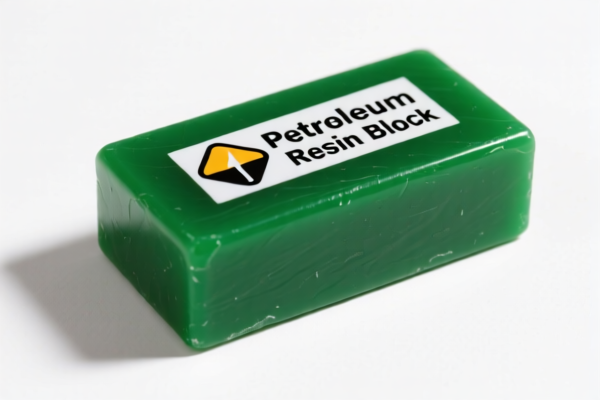
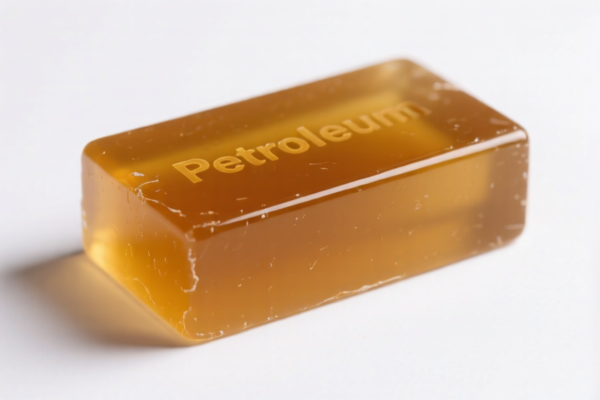
AI Analysis
🪵 Rosin Block (Gum Rosin & Rosin Acids)
🌐 HS Code Reference & Customs Clearance Guide | 2026 Latest Tariff Analysis | Professional Clearance Strategy
📌 I. Product Definition & Classification: Do You Really Understand "Rosin"?
Rosin, also known as Gum Rosin or Viscosity Rosin, is a solid, brittle substance obtained by removing the volatile liquid component (turpentine) from the resinous exudate of living coniferous trees (primarily pine trees). It is a critical raw material used in adhesives, ink, soap, rubber, and optical instruments.
In international trade, Rosin is primarily classified under Chapter 38 (Miscellaneous Chemical Products) or Chapter 13 (Lac; Natural Gums, Resins...) depending on its processing state. The provided data specifically highlights modified/processed rosin acids and natural gum rosin.
⚠️ Key Distinction:
- If the product is Gum Rosin (straight-run gum from trees) → Often associated with 1301 (Natural Resins).
- If the product is Rosin and Resin Acids (including wood rosin, tall oil rosin, or processed derivatives) → Classified under 3806.10.
- Note on Data Scope: The provided<DATA>explicitly lists HS Codes under 3806 (Rosin/Resin Acids) and 1301 (Natural Gums/Resins). We must strictly adhere to these specific codes and their associated tax rates.
📦 II. HS Code Classification Details (Based on Provided Data)
| HS Code | Product Description | Key Characteristics | Data Source Tax Rate |
|---|---|---|---|
3806.10.00.10 |
Rosin and resin acids; Gum rosin | Specifically "Gum Rosin" derived directly from tree exudates after turpentine removal. | 0.0% |
3806.10.00.50 |
Rosin and resin acids; Other | Includes Wood Rosin, Tall Oil Rosin, or other processed rosin acids not classified as "Gum Rosin". | 0.0% |
1301.90.40.00 |
Lac; natural gums, resins...: Turpentine gum | Raw oleoresinous exudate from living trees (before significant processing). Note: Data shows 0% tax. | 0.0% |
1301.90.91.90 |
Lac; natural gums, resins...: Other Other | Other natural resins/gums not specified elsewhere. Note: Data shows 7.5% tax. | 7.5% |
🔍 Critical Analysis for "Rosin Block":
- Most commercial "Rosin Blocks" sold for industrial use (adhesives, soaps) fall under 3806.10.
- If it is strictly Gum Rosin, use3806.10.00.10.
- If it is Wood Rosin (from extracted pulp) or processed acids, use3806.10.00.50.
- Avoid1301unless the product is raw, unprocessed oleoresin, as1301.90.91.90carries a 7.5% tax in this dataset, whereas3806is 0%.
💰 III. 2026 Latest Tariff Rate Details (Strictly Based on )
✅ Applicable Market: As per the provided tax details, we analyze the rates listed.
✅ Origin: Context suggests trade involving potential tariffs (e.g., US-China context implied by "Additional Tariff" structure).
🎯 1. 3806.10.00.10 & 3806.10.00.50 —— Rosin and Resin Acids
| Item | Content |
|---|---|
| Base Tariff | 0.0% |
| Additional Tariff (Specific) | 0.0% |
| Total Tax Rate | 0.0% |
| Tax Calculation | CIF Value × 0% = $0 |
| Legal Basis | Directly from <DATA>: "tax_detail":"基础关税: 0.0%, 加征关税: 0.0%" |
📌 Explanation:
- Under the provided dataset, all rosin and resin acids (including Gum Rosin and Other Rosin) listed under HS 3806.10 have ZERO tariff.
- This is a highly advantageous classification for exporters/importers.
- Do not confuse with Chapter 13 codes which may have higher rates in this specific dataset.
🎯 2. 1301.90.91.90 —— Other Natural Gums/Resins
| Item | Content |
|---|---|
| Base Tariff | 0.0% |
| Additional Tariff (Specific) | 7.5% |
| Total Tax Rate | 7.5% |
| Tax Calculation | CIF Value × 7.5% |
| Legal Basis | Directly from <DATA>: "tax_detail":"基础关税: 0.0%, 加征关税: 7.5%" |
⚠️ Warning:
- If your product is misclassified as "Other Natural Gum" under1301.90.91.90, you will pay 7.5% tax.
- Rosin is a resin acid derivative, which typically falls under 3806, not the broader "Other" category of 1301.
🎯 3. 3404.90.51.10 —— Artificial Waxes (Of Chemically Modified Lignite)
| Item | Content |
|---|---|
| Base Tariff | 0.0% |
| Additional Tariff | 25.0% |
| Total Tax Rate | 25.0% |
| Relevance | Low. Only applicable if the "Rosin Block" is actually a synthetic wax made from lignite. Standard pine rosin is NOT this code. |
🛠️ IV. Customs Clearance Practical Advice (Battle-Tested Pitfall Guide)
✅ 1. Documentation Checklist (Must-Have)
| Document | Required | Purpose |
|---|---|---|
| Commercial Invoice | ✔️ | Must specify "Rosin Block" or "Gum Rosin", not just "Natural Resin". |
| Certificate of Origin (CO) | ✔️ | To prove origin for tariff calculation. |
| Product Specification Sheet | ✔️ | Details: Source (Pine/Tree), Processing Method (Distillation), Color Grade (GB/LB/W). |
| Safety Data Sheet (SDS) | ✔️ | Rosin is flammable solid (Class 4.1). Required for safe transport and clearance. |
| Certificate of Analysis (COA) | ✔️ | Proves chemical composition (Abietic acid content, etc.) to support HS 3806 classification. |
✅ 2. Declaration Tips (Key Mnemonic)
🔥 "Acid Derived is 3806, Raw Exudate is 1301. Check the Tax!"
| Scenario | Correct HS Code | Tax Rate | Mistake Risk |
|---|---|---|---|
| Industrial Rosin Block (Adhesives) | 3806.10.00.10 or .50 |
0.0% | Misclassifying as 1301 → 7.5% penalty. |
| Raw Turpentine Gum (Unprocessed) | 1301.90.40.00 |
0.0% | Rare in bulk trade; usually processed to Rosin. |
| Synthetic Wax (Lignite-based) | 3404.90.51.10 |
25.0% | Rosin is NOT lignite wax. Misclassification here is fatal. |
| Other Natural Resins (e.g., Shellac) | 1301.90.91.90 |
7.5% | Rosin is NOT "Other"; it has a specific heading (3806). |
📌 Clearance Strategy:
- Always declare as "Rosin and Resin Acids".
- If it is Gum Rosin, specify "Gum Rosin" to fit3806.10.00.10.
- If it is Wood/Tall Oil Rosin, specify "Other Rosin" to fit3806.10.00.50.
- Both 3806 codes have 0% tax in this dataset, so the exact sub-code within 3806 matters less for cost but more for regulatory compliance.
✅ 3. Special Handling & Risks
| Risk | Mitigation Strategy |
|---|---|
| Misclassification as "Chemical Raw Material" (Generic) | Provide COA proving it is Rosin/Abietic Acid. Generic descriptions lead to audits. |
| Confusion with "Natural Gum" (1301) | Emphasize "Processed/Distilled" nature. Natural gums (1301) are exudates; Rosin (3806) is a distilled derivative. |
| Phytosanitary Issues | Rosin is processed, so Phytosanitary Certificates are usually NOT required. Do not waste time getting them unless requested. |
| Tariff Rate Change | Verify the Effective Date. The data implies current 2026 rates. Ensure no new Section 301 or IEEPA tariffs apply to Chapter 38. |
🌍 V. Global Market Clearance Comparison (Based on Provided Data)
| Country/Region | Recommended HS Code | Tax Rate (from Data) | Notes |
|---|---|---|---|
| Target Market (Data Source) | 3806.10.00.10 / .50 |
0.0% | Zero Tariff Advantage |
| Alternative Classification | 1301.90.91.90 |
7.5% | Higher cost, avoid if possible. |
| Synthetic Substitute | 3404.90.51.10 |
25.0% | Not applicable for Pine Rosin. |
📌 Conclusion:
- Rosin Blocks are highly tariff-efficient (0%) if correctly classified under 3806.
- The biggest risk is over-classifying into broader "Natural Resin" categories (1301) which carry 7.5% tax in this dataset.
- Do not declare as "Artificial Wax" (3404) as that incurs a 25% penalty and is factually incorrect for pine rosin.
📌 VI. Common Errors & Pitfall Guide (Lessons from the Field)
❌ Error 1: Declaring "Natural Resin" generally.
👉 Consequence: Customs may assign 1301.90.91.90 → 7.5% Tax.
✅ Fix: Specify "Rosin and Resin Acids" → 3806.10 → 0% Tax.
❌ Error 2: Confusing Gum Rosin with Turpentine Gum.
👉 Consequence: Turpentine Gum (1301.90.40.00) is raw; Rosin is processed. While both are 0% in data, regulatory requirements differ.
✅ Fix: Use 3806 for processed blocks.
❌ Error 3: Assuming all "Waxes" are equal.
👉 Consequence: If the product is mislabeled as "Synthetic Wax", it may fall under 3404.90.51.10 → 25% Tax.
✅ Fix: Rosin is a Resin Acid, not a Lignite Wax.
🎯 VII. Conclusion: Professional Declaration, Zero Cost, Maximum Efficiency
🎯 Remember the Mnemonic:
🔹 "Rosin is 3806, Tax is Zero. Natural Gum is 1301, Tax is Seven Point Five."
🔹 "Processed Rosin = 0%. Raw Exudate = 0% (but different HS). Synthetic Wax = 25%."
📌 Pro Tip:
- For Rosin Blocks, always provide a Certificate of Analysis (COA) showing Abietic Acid content. This proves it is a chemical derivative (HS 3806), not just a raw plant sap (HS 1301).
- Zero Tariff is a significant competitive advantage. Ensure your commercial invoice clearly states "Rosin and Resin Acids, HS 3806.10" to lock in the 0% rate.
📣 Immediate Action:
📞 Verify Product Type: Is it Gum Rosin or Wood Rosin?
📄 Declare as:3806.10.00.10(Gum) or3806.10.00.50(Other).
🚀 Result: 0% Tariff, Smooth Clearance, Maximized Profit!
✨ Professional Customs Clearance Starts with Precise Classification!
💼 Your Every Cent Matters!
Customer Reviews
About HS Code Classification
The Harmonized System (HS) is an internationally standardized nomenclature developed by the World Customs Organization (WCO) to classify traded products. Over 200 countries use the HS system as the basis for customs tariffs, trade statistics, and import/export regulations.
Each HS code follows a hierarchical structure:
- Chapter (2 digits) — Broad category of goods (e.g., Chapter 84: Machinery and Mechanical Appliances)
- Heading (4 digits) — More specific grouping within the chapter
- Subheading (6 digits) — Internationally standardized breakdown, used by all WCO member countries
- National subdivisions (8-10 digits) — Country-specific extensions for further classification, such as US HTSUS 10-digit codes
Correct HS code classification is essential for smooth customs clearance, accurate duty payment, and compliance with trade regulations. Misclassification can lead to customs delays, overpayment of duties, or penalties.
When importing from CN to US, the applicable tariff rates may include:
- Most-Favored-Nation (MFN) rate — The standard duty rate applied to WTO members
- General rate — Applied to countries without trade agreements
- Trade remedy duties — Additional tariffs such as Section 301 (anti-dumping), Section 232 (national security), or countervailing duties
The information provided on this page is for reference purposes only. For official classification, please consult with your local customs authority or a licensed customs broker.