Rosin Soap
CN → US| HS Code | Tariff Rate | Origin | Destination | Doc |
|---|---|---|---|---|
| 3806200000 | 38.7% | CN | US | Official Doc |
| 3806900000 | 39.2% | CN | US | Official Doc |
| 3401115000 | 35.0% | CN | US | Official Doc |
| 3401190000 | 17.5% | CN | US | Official Doc |
| 3402905050 | 38.7% | CN | US | Official Doc |
Product Images
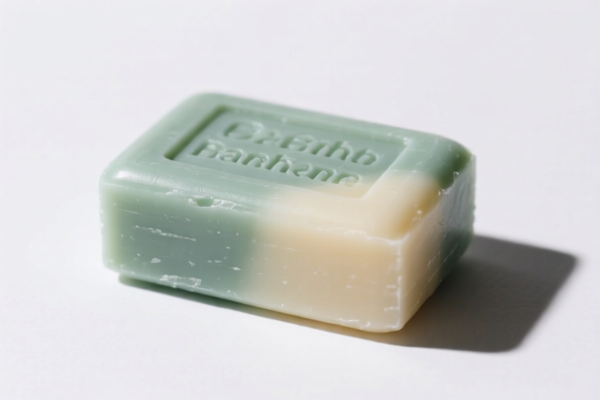
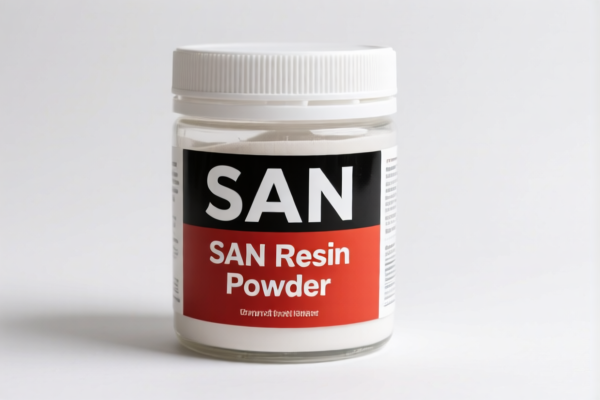

AI Analysis
🧼 Rosin Soap: Global HS Code Classification & Strategic Customs Clearance Guide (2026 Edition)
🌐 HS Code Reference & Clearance Strategy | 2026 Tariff Breakdown | Professional Export Protocol
📌 I. Product Definition: What Exactly Is "Rosin Soap"?
Rosin Soap is a specialized cleaning agent derived from ro sin (a byproduct of the pine tree) processed into rosin salts. Unlike ordinary soaps, it possesses unique chemical properties that make it ideal for: * Industrial Cleaning: Degreasing metal parts, removing rosin flux residues from PCBs. * Agricultural/Forestry: Treatment of wood and bark. * Chemical Manufacturing: Intermediate for resin modification.
⚠️ Key Classification Challenge:
Because Rosin Soap is a derivative of a natural resin but functions as a cleaning surfactant, it faces a "classification conflict" between Chapter 38 (Chemicals) and Chapter 34 (Soaps/Cleaners). The correct HS Code depends entirely on the primary function and physical state declared in the commercial invoice.
📦 II. HS Code Classification Matrix (2026 Official Tariff Reference)
Based on the 2026 customs data, Rosin Soap falls into two distinct categories depending on its specific chemical definition and physical form:
| HS Code | Product Description | Logic for Classification | Total Tax Rate |
|---|---|---|---|
3806.20.00.00 |
Rosin Derivative (Resin Salts) | Treated primarily as a chemical derivative of rosin (colophony salts), not just a cleaning agent. | 38.7% |
3806.90.00.00 |
Other Rosin Derivatives | Classified under "Others" in the resin derivative category when specific salt properties don't fit 3806.20. | 39.2% |
3401.11.50.00 |
Soap & Organic Surfactant (Solid) | Classified as Solid Soap (block/strip form) intended for cleaning. | 35.0% |
3401.19.00.00 |
Other Soaps | Classified as General Soap (non-bar) where the rosin content is secondary to surfactant action. | 17.5% |
3402.90.50.50 |
Detergent Preparation (Others) | Treated as a cleaning formulation (solution/paste) for industrial washing, not traditional soap. | 38.7% |
🔍 Critical Insight:
- High Tax Routes (3806.x&3402.x): Often apply when the product is labeled as a "Chemical" or "Industrial Detergent" with high rosin content but no traditional "soap" branding.
- Low Tax Route (3401.19.00.00): The only route under 17.5%, but requires strict proof that the product is primarily soap (e.g., block/strip form, traditional surfactant use case).
💰 III. 2026 Tariff Rate Breakdown (Detailed & Strategic)
✅ Applicable Market: United States (US)
✅ Country of Origin: China (CN)
✅ Applicable Policy: Section 301 (Trade Act) + Section 122 (Specific Sanctions)
🎯 Scenario A: The "High Tax" Trap (3806.20.00.00 & 3402.90.50.50)
Most common error for industrial rosin products.
| Component | Rate | Source/Rule |
|---|---|---|
| Base Duty | 3.7% | Standard Most-Favored-Nation (MFN) rate |
| Section 301 (Add-on) | +25.0% | USITC Footnote 9903.88.01 (High-Tech/Chemical Tariff) |
| Section 122 (Add-on) | +10.0% | Special Sanction Tariff (Specific to certain chemical imports) |
| 🔥 TOTAL EFFECTIVE RATE | 38.7% | High Risk Zone |
📌 Explanation:
- The 25% is a punitive tariff on specific chemical derivatives.
- The 10% is an additional "122 Clause" tariff (often triggered by specific chemical origin rules).
- Result: Nearly 40% tax on the CIF value.
🎯 Scenario B: The "Mid-Tax" Route (3806.90.00.00)
Used for "Other" resin salts.
| Component | Rate | Source/Rule |
|---|---|---|
| Base Duty | 4.2% | Standard MFN rate |
| Section 301 (Add-on) | +25.0% | USITC Footnote 9903.88.01 |
| Section 122 (Add-on) | +10.0% | Special Sanction Tariff |
| 🔥 TOTAL EFFECTIVE RATE | 39.2% | Highest Risk Zone |
📌 Warning: This is the most expensive classification. Avoid this unless the product is a non-soap resin salt with no cleaning properties.
🎯 Scenario C: The "Solid Soap" Route (3401.11.50.00)
Requires Block/Strip Form.
| Component | Rate | Source/Rule |
|---|---|---|
| Base Duty | 0.0% | Duty-Free (Soap category often enjoys MFN zero) |
| Section 301 (Add-on) | +25.0% | USITC Footnote 9903.88.01 (Applies to Surfactants) |
| Section 122 (Add-on) | +10.0% | Special Sanction Tariff |
| 🔥 TOTAL EFFECTIVE RATE | 35.0% | Moderate Risk |
📌 Condition: The product must be in solid block or bar form. Liquid or paste forms are often reclassified to
3402(38.7%).
🎯 Scenario D: The "Goldilocks" Route (3401.19.00.00)
The Lowest Tax Option (17.5%).
| Component | Rate | Source/Rule |
|---|---|---|
| Base Duty | 0.0% | Duty-Free |
| Section 301 (Add-on) | +7.5% | Reduced Rate (Specific "Other Soap" sub-category) |
| Section 122 (Add-on) | +10.0% | Special Sanction Tariff |
| 🔥 TOTAL EFFECTIVE RATE | 17.5% | ✅ Optimal Strategy |
📌 Why only 7.5% Add-on?
- The 301 Clause (25%) is reduced to 7.5% for this specific sub-category ("Other Soaps") compared to "Resin Salts" or "Industrial Detergents".
- Key: This classification requires proving the product is primarily soap (surfactant function > resin function) and not a specialized chemical derivative.
🛠️ IV. Customs Clearance Strategy & Operational Advice
✅ 1. Documentation Checklist (Non-Negotiable)
| Document | Requirement | Purpose |
|---|---|---|
| Technical Data Sheet (TDS) | Must specify: % Rosin, % Surfactant, Physical State (Solid/Liquid), pH Level. | Proves if it's a "Soap" (3401) or "Resin Salt" (3806). |
| Product Photographs | Must show: Packaging, Physical Form (Blocks, Bars, Granules), Labeling. | Visual proof of "Soap" form (3401.11). |
| Bill of Materials (BOM) | List of raw materials (Pine rosin, NaOH, Water, etc.). | Confirms "Soap" synthesis process vs. "Chemical" synthesis. |
| Intended Use Statement | "Used for general cleaning, not for industrial resin modification." | Supports classification under 3401. |
| Commercial Invoice | Description: "Rosin Soap (Solid Bar), 100% Organic Surfactant, for Industrial Cleaning." | Avoid words like "Resin Salt" or "Derivative" if possible. |
✅ 2. Declaration Strategy (The "Tax Arbitrage" Guide)
🔥 Golden Rule: "Call it Soap, Not Salt!"
To achieve the 17.5% rate (3401.19.00.00), you must avoid the 38.7%-39.2% traps (3806&3402).
| Scenario | Recommended HS Code | Declaration Wording | Tax Rate |
|---|---|---|---|
| Solid Blocks/Bars (Traditional shape) | 3401.19.00.00 |
"Rosin Soap Bars, for General Cleaning" | 17.5% ✅ |
| Liquid/Paste (Industrial fluid) | 3402.90.50.50 |
"Rosin-based Cleaning Solution" | 38.7% ⚠️ |
| Powder/Crystals (Raw Chemical) | 3806.20.00.00 |
"Sodium Rosinate (Resin Salt)" | 38.7% ⚠️ |
| Specialized Flux Remover | 3806.90.00.00 |
"Rosin Derivative for Electronics" | 39.2% ⚠️ |
⚠️ Critical Warning:
- Do NOT use the term "Resin Salt" in the commercial invoice if you want to claim 3401.
- Do NOT use the term "Cleaning Agent" if you want to claim 3401.19.00.00 (use "Soap").
- 3806 items are NOT considered soap; they are chemical derivatives.
✅ 3. Special Case Handling
| Case | Handling Strategy |
|---|---|
| "Mixed" Products (Soap + Chemical Additives) | If additives < 50% of function, classify as Soap. Declare "Soap with Rosin Additive". |
| Industrial Flux Remover | If the primary use is removing rosin flux, do NOT claim 3401. Declare as 3806 or 3402 to avoid audit. |
| OEM Customization | If a client asks for "Rosin Salt", ensure the HS Code is 3806. Do not force it into 3401 to save tax; this leads to penalties. |
🌍 V. Global Market Comparison (2026 Snapshot)
| Destination | Recommended HS Code | Total Tax (China Origin) | Key Insight |
|---|---|---|---|
| 🇺🇸 USA | 3401.19.00.00 |
17.5% | Only market with 301/122 combo. Avoid 3806 (39.2%). |
| 🇪🇺 EU | 3401.19.00 |
0% (Duty) + VAT | No 301/122. Very low tax, but VAT applies. |
| 🇨🇳 China | 3401.19.00 |
0% (Export) | Export duty-free. |
| 🇦🇺 Australia | 3401.19.00 |
0% (Duty) | No special sanctions on soap. |
📌 Conclusion: The US market is the only one where the HS Code choice (3401 vs 3806) changes the tax from 17.5% to 39.2%. This is a $21.7 difference per $100 value.
📌 VI. Common Pitfalls & "Do Not Do" List
❌ Mistake 1: Labeling "Rosin Soap" as "Sodium Rosinate"
👉 Result: Customs classifies it as 3806.20.00.00 (38.7%).
👉 Fix: Use "Rosin Soap" and emphasize "Soap" in the description.
❌ Mistake 2: Shipping liquid soap but declaring "Solid Soap"
👉 Result: Audit triggered → 3402.90.50.50 (38.7%) + Penalties.
👉 Fix: Match physical form to declaration.
❌ Mistake 3: Using "Cleaning Agent" for a block of soap
👉 Result: Customs may view it as 3402.90.50.50 (38.7%) instead of 3401.
👉 Fix: Use "Soap" in the name, "Cleaning Agent" only in the "Description of Use" section.
🎯 VII. Final Verdict: The Winning Strategy
🏆 Best Practice:
Declare as3401.19.00.00(Other Soaps)
Condition: Must be Solid Block/Bar and labeled "Soap", not "Resin Salt" or "Cleaning Solution".
Tax Outcome: 17.5% (vs. 38.7% or 39.2%).🚀 Action Plan:
1. Rebrand Packaging: Change "Rosin Salt" to "Rosin Soap".
2. Update TDS: Highlight "Surfactant Action" over "Resin Derivative".
3. Verify Form: Ensure product is physically solid.
4. File Pre-Arrival: Submit Advance Ruling to CBP for3401.19.00.00confirmation.
✨ Professional Tip:
"In the US, the difference between a 'Soap' and a 'Resin Salt' is a 21.7% tax gap. One word change in your invoice can save you thousands of dollars per container. Do not guess—classify correctly!"
📞 Need Help?
Contact a specialized Customs Broker to file a Binding Ruling for
3401.19.00.00.
Avoid the 39.2% Trap! 🚫💸
Customer Reviews
About HS Code Classification
The Harmonized System (HS) is an internationally standardized nomenclature developed by the World Customs Organization (WCO) to classify traded products. Over 200 countries use the HS system as the basis for customs tariffs, trade statistics, and import/export regulations.
Each HS code follows a hierarchical structure:
- Chapter (2 digits) — Broad category of goods (e.g., Chapter 84: Machinery and Mechanical Appliances)
- Heading (4 digits) — More specific grouping within the chapter
- Subheading (6 digits) — Internationally standardized breakdown, used by all WCO member countries
- National subdivisions (8-10 digits) — Country-specific extensions for further classification, such as US HTSUS 10-digit codes
Correct HS code classification is essential for smooth customs clearance, accurate duty payment, and compliance with trade regulations. Misclassification can lead to customs delays, overpayment of duties, or penalties.
When importing from CN to US, the applicable tariff rates may include:
- Most-Favored-Nation (MFN) rate — The standard duty rate applied to WTO members
- General rate — Applied to countries without trade agreements
- Trade remedy duties — Additional tariffs such as Section 301 (anti-dumping), Section 232 (national security), or countervailing duties
The information provided on this page is for reference purposes only. For official classification, please consult with your local customs authority or a licensed customs broker.