Rotary Electric Generator
CN → US| HS Code | Tariff Rate | Origin | Destination | Doc |
|---|---|---|---|---|
| 8501318100 | 37.5% | CN | US | Official Doc |
| 8501610100 | 37.5% | CN | US | Official Doc |
| 8501326100 | 37.0% | CN | US | Official Doc |
| 8501318100 | 37.5% | CN | US | Official Doc |
| 8502120000 | 37.5% | CN | US | Official Doc |
Product Images
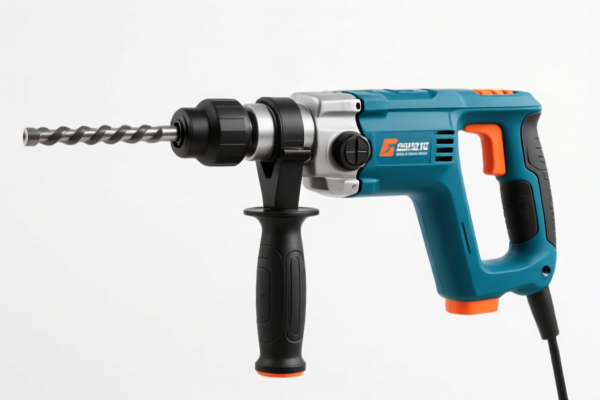
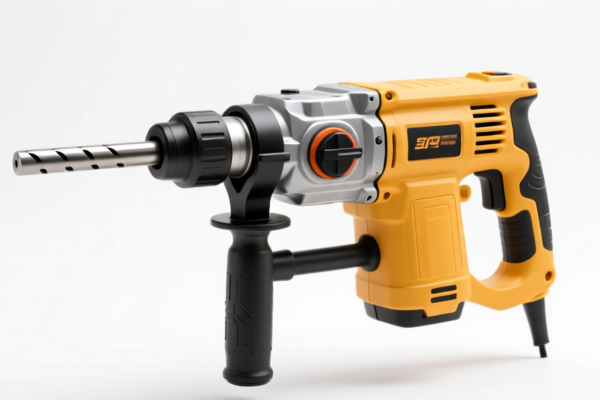
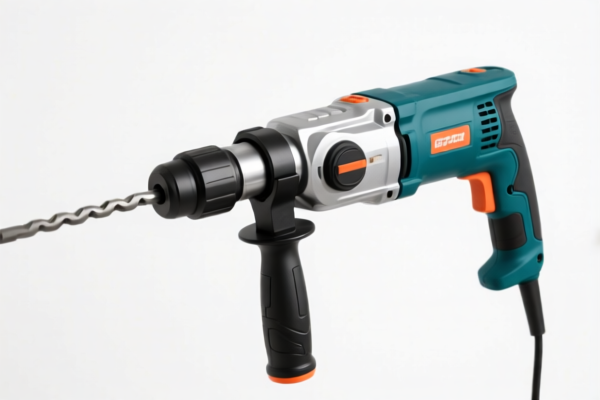
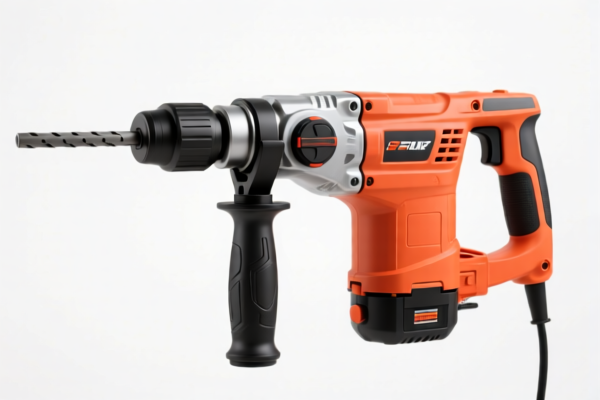
AI Analysis
⚡ Rotary Electric Generators: The Backbone of Global Power
🌐 HS Code Reference & Customs Clearance Guide | 2026 Latest Tariff Analysis | Professional-Level Strategy
📌 Part 1: Product Definition & Classification: Do You Really Understand "Rotary Generators"?
A Rotary Electric Generator is a machine that converts mechanical energy into electrical energy through electromagnetic induction. In international trade, these are not just "generators" but highly specific power sources classified by their function (Alternating Current vs. Direct Current), structure, and application.
Key distinctions in classification: * Alternators (AC Generators): Specifically designed for AC output, often falling under specific subheadings for electrical machinery parts or complete sets. * Rotary Converters: Devices that convert AC to DC or vice-versa using rotary machinery, distinct from static rectifiers. * Generator Sets (Gensets): Complete units including prime mover (engine/turbine) and alternator.
⚠️ Critical Distinction Point:
- If the item is a complete rotating machine generating AC → It often falls under 8501.62 or 8502.39 depending on size/application.
- If the item is a part/accessory specifically for a generator (e.g., a dedicated exhaust manifold for an 8501/8502 machine) → It falls under 8503.
- If it is a Rotary Converter (AC↔DC conversion via rotation) → It falls strictly under 8502.40.
📦 Part 2: HS Code Classification Details (2026 Latest Tariff Authority)
Based on the provided data, here are the precise classifications for Rotary Electric Generators and their components:
| HS Code | Product Description | Applicability Scenario | Technical Note |
|---|---|---|---|
8501.62.01.00 |
AC Generator (Alternator): Rotary type | Matches "AC Generator" function; "Rotary" fits mechanical characteristics. | ✅ Primary Choice for standalone AC rotary generators. |
8502.39.00.80 |
Generator Sets & Rotary Converters: Other | "Other" fallback category for generator sets/rotary converters without material/form conflicts. | ✅ Broad category for complete sets not specified elsewhere. |
8502.40.00.00 |
Electric Rotating Converters | Fully meets the definition and use of "Electric Rotating Converters." | ✅ Specific for AC↔DC rotary conversion machinery. |
8503.00.95.46 |
Parts for 8501/8502 Machines: Alternator-related | Specific application scope for AC generators; highly relevant to 8503 parts. | ✅ Only if this is a component/parts, not the whole machine. |
8503.00.95.50 |
Parts for 8501/8502 Machines: General Fallback | "Catch-all" for parts of machines in 8501/8502, including generator-related uses. | ✅ Only if this is a component/parts, not the whole machine. |
🔍 Key Reminder:
- Complete Machines (Generators, Gensets, Converters) must be classified under 8501 or 8502.
- Parts/Components specifically designed for these machines fall under 8503.
- Do not mix: A complete generator cannot be declared as a "Part" to reduce taxes. This is a common customs violation leading to penalties.
💰 Part 3: 2026 Latest Tariff Rate Details (Including Surcharges & Policy Add-ons)
✅ Applicable Country: United States (US)
✅ Origin: China (CN)
✅ Effective Date: Post-November 2025 (Current Enforcement)
The tariffs for these HS Codes are high due to specific trade regulations. Here is the detailed breakdown:
🎯 1. 8501.62.01.00 & 8502.39.00.80 & 8502.40.00.00 (Core Generators & Converters)
| Item | Content |
|---|---|
| Base Tariff | 2.5% (Ad Valorem) |
| Section 301 Surcharge | +25% (Additional Tariff) |
| 122 Clause Tariff | +10% (Specific Policy Surcharge) |
| Total Tax Rate | 37.5% |
| Calculation Basis | CIF Value × 37.5% |
| De Minimis Exemption | ❌ Not Applicable (Denied) |
| Legal Path | Base Tariff → Section 301 Footnote → 122 Clause Policy |
📌 Explanation:
- The 25% is the standard Section 301 tariff on Chinese electrical machinery.
- The 10% is an additional "122 Clause" surcharge, often related to specific strategic goods or anti-dumping/countervailing adjustments.
- Total 37.5% is the final landed cost multiplier for customs duties alone (excluding VAT/duties if applicable, though US imports typically pay duty on CIF).
🎯 2. 8503.00.95.46 & 8503.00.95.50 (Generator Parts)
| Item | Content |
|---|---|
| Base Tariff | 3.0% (Ad Valorem) |
| Section 301 Surcharge | +25% (Additional Tariff) |
| 122 Clause Tariff | +10% (Specific Policy Surcharge) |
| Total Tax Rate | 38.0% |
| Calculation Basis | CIF Value × 38.0% |
| De Minimis Exemption | ❌ Not Applicable (Denied) |
| Legal Path | Base Tariff → Section 301 Footnote → 122 Clause Policy |
📌 Note:
- Parts are taxed at 38.0%, which is slightly higher than some complete machines (37.5%) due to a higher base rate (3.0% vs 2.5%).
- Critical: Ensure parts are declared correctly. If a "part" is actually a functional sub-unit of a generator, it may be reclassified as a complete machine (8501/8502) by customs, potentially changing the tax basis but not necessarily reducing the duty rate significantly in this high-tariff bracket.
🛠️ Part 4: Customs Clearance Practical Advice (Combat Pitfalls Guide)
✅ 1. Preparation Checklist (Mandatory Documents)
| Document | Required | Explanation |
|---|---|---|
| ✅ Product Specification Sheet | ✔️ | Must detail: Voltage, Frequency (Hz), Power Output (kW/kVA), Rotation Speed (RPM), Phase (Single/Three). |
| ✅ Technical Drawings / Schematics | ✔️ | To prove if it's a complete machine (8501/8502) or a part (8503). |
| ✅ Product Photos (Including Nameplate) | ✔️ | Clear view of model number, brand, input/output ratings. |
| ✅ Commercial Invoice | ✔️ | Must explicitly state: "Rotary Electric Generator" or "Parts for Generator." Avoid vague terms like "Machine." |
| ✅ Packing List | ✔️ | Detail if accessories (cables, mounts) are included. |
| ✅ Certificate of Origin | ✔️ | Essential for verifying Chinese origin and applying surcharges correctly. |
✅ 2. Declaration Tips (Key Mantras)
🔥 "Function Determines Code, Parts vs. Whole is Key!"
| Scenario | Correct Declaration | Wrong Practice |
|---|---|---|
| Complete AC Generator | 8501.62.01.00 |
Declaring as "Motor" or "Part" → Misclassification Penalty |
| Rotary Converter (AC↔DC) | 8502.40.00.00 |
Declaring as "Generator" → Potential Rejection |
| Generator Set (Engine + Gen) | 8502.39.00.80 |
Splitting declaration → Higher Total Tax |
| Stator/Rotor (Part only) | 8503.00.95.46/50 |
Declaring as Complete Generator → Over-declaring (or under-declaring tax if rates differed, but here rates are similar) |
| Vague "Generator Part" | 8503.00.95.50 (Fallback) |
No specific description → Customs Detention & Inspection |
📌 Critical Advice:
- If importing Rotary Converters, ensure the nameplate says "Rotary Converter" or "Converter Set," not just "Generator." Mislabeling8502.40as8501can cause audits.
- For Parts, provide detailed descriptions (e.g., "Stator Winding Assembly for AC Generator") to justify8503classification.
✅ 3. Special Cases Handling
| Situation | Handling Advice |
|---|---|
| OEM Custom Generators | Provide original design specs and customer authorization to avoid "unknown product" delays. |
| Generator + Controller | If the controller is integral to the generator's operation, declare as part of the main HS Code (8501/8502). Do not split unless the controller is a separate, general-purpose unit. |
| Used Generators | Extra documentation required (condition report, inspection certificate). Some ports restrict used electrical machinery. |
| High Voltage vs. Low Voltage | Clearly state voltage levels. 8501.62 covers specific voltage ranges. Incorrect voltage reporting can lead to wrong sub-heading. |
🌍 Part 5: Global Market Comparison (2026 Latest)
| Country/Region | Recommended HS Code | Tariff Rate (China Origin) | Certification Requirements | Notes |
|---|---|---|---|---|
| 🇺🇸 USA | 8501.62.01.00 / 8502.39.00.80 |
37.5% - 38.0% | UL, NEMA | High Surcharge due to Section 301 & 122 Clause. |
| 🇪🇺 EU | 8501.62 / 8502.39 |
0% - 1.7% (Typically) | CE, EMC, Low Voltage Directive | No Section 301 surcharges. |
| 🇨🇳 China | 8501.62 / 8502.39 |
2.5% - 3.0% (Import Duty) | CCC (if applicable) | Low import duty, no punitive surcharges. |
| 🇲🇽 Mexico | 8501.62 / 8502.39 |
0% (under USMCA) | NOM | Zero Tariff if originating in USMCA region. |
📌 Conclusion:
- The USA imposes a 37.5%-38.0% effective tariff burden, making it the most expensive market for Chinese-origin rotary generators.
- Europe and Mexico offer significantly lower or zero tariffs, but require strict compliance with local safety and environmental standards (CE/NOM).
📌 Part 6: Common Mistakes & Pitfalls (Blood & Tears Lessons)
❌ Mistake 1: Declaring a Complete Generator as "Parts" (8503)
👉 Consequence: Customs may reclassify it, but since the rate is similar (38% vs 37.5%), the main issue is delay, inspection, and potential fines for misdeclaration. Also, parts might not have the same import rights or may trigger anti-dumping checks.
❌ Mistake 2: Using "Alternator" for a Rotary Converter (8502.40)
👉 Consequence: Misclassification. While the tax rate is similar, the technical definition differs. Customs may demand a Technical Expert Review.
❌ Mistake 3: Vague Description: "Generator Machine"
👉 Consequence: Customs cannot determine if it's AC/DC, Rotary/Fixed, or Part/Complete. Leads to Manual Examination and Storage Fees.
❌ Mistake 4: Ignoring the 122 Clause
👉 Consequence: Underestimating the landed cost. The 10% surcharge is mandatory. Budgeting without it leads to cash flow issues.
✅ Correct Declaration Example:
"Rotary Alternating Current Electric Generator, 3-Phase, 400V, 50Hz, 100kW, Model XYZ, UL Certified, HS Code 8501.62.01.00"
🎯 Part 7: Conclusion: Precise Classification Saves Millions!
🎯 Remember the Mantra:
🔹 "AC Gen is 8501, Converter is 8502, Parts are 8503. Never Mix Them!"
🔹 "38% Tax is Real, 25% + 10% + Base. Budget for Customs!"
🔹 "Description Must Match Function, Or You Pay the Price!"
📌 Pro Tip:
If your rotary generators are assembled in Vietnam, Mexico, or Malaysia and meet Rules of Origin, you may qualify for lower or zero tariffs (e.g., USMCA in Mexico).
Action:
📞 Consult a Customs Broker + Provide Technical Specs + Apply for Advance Ruling if volume is high.
🚀 Ensure Smooth Clearance, Maximize Profit, Avoid Surprises!
✨ Professional Customs Clearance Starts with Accurate Classification!
💼 Every Percent of Tax Matters!
Customer Reviews
About HS Code Classification
The Harmonized System (HS) is an internationally standardized nomenclature developed by the World Customs Organization (WCO) to classify traded products. Over 200 countries use the HS system as the basis for customs tariffs, trade statistics, and import/export regulations.
Each HS code follows a hierarchical structure:
- Chapter (2 digits) — Broad category of goods (e.g., Chapter 84: Machinery and Mechanical Appliances)
- Heading (4 digits) — More specific grouping within the chapter
- Subheading (6 digits) — Internationally standardized breakdown, used by all WCO member countries
- National subdivisions (8-10 digits) — Country-specific extensions for further classification, such as US HTSUS 10-digit codes
Correct HS code classification is essential for smooth customs clearance, accurate duty payment, and compliance with trade regulations. Misclassification can lead to customs delays, overpayment of duties, or penalties.
When importing from CN to US, the applicable tariff rates may include:
- Most-Favored-Nation (MFN) rate — The standard duty rate applied to WTO members
- General rate — Applied to countries without trade agreements
- Trade remedy duties — Additional tariffs such as Section 301 (anti-dumping), Section 232 (national security), or countervailing duties
The information provided on this page is for reference purposes only. For official classification, please consult with your local customs authority or a licensed customs broker.