Rotary Grater
CN → US| HS Code | Tariff Rate | Origin | Destination | Doc |
|---|---|---|---|---|
| 7323930045 | 62.0% | CN | US | Official Doc |
| 7323930035 | 62.0% | CN | US | Official Doc |
| 8210000000 | 38.7% | CN | US | Official Doc |
| 6911108090 | 38.3% | CN | US | Official Doc |
| 6911108010 | 38.3% | CN | US | Official Doc |
Product Images
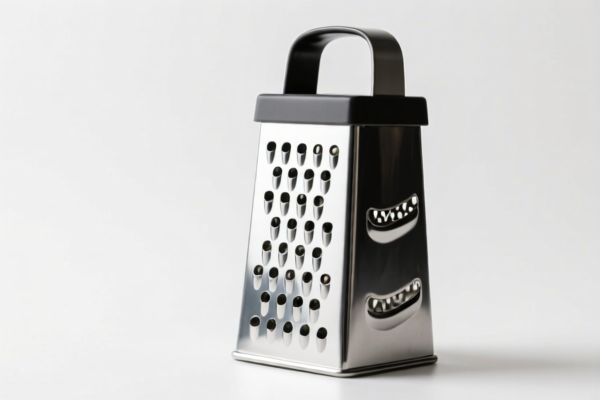
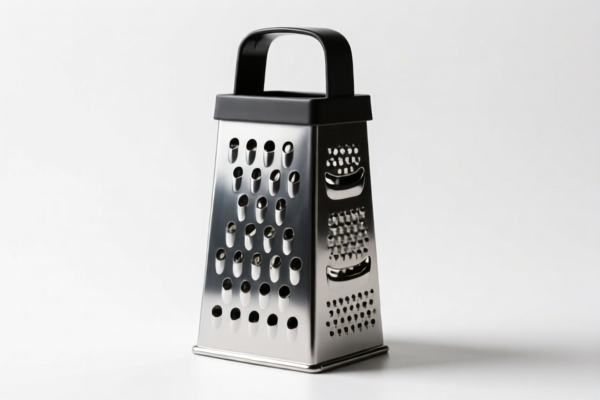
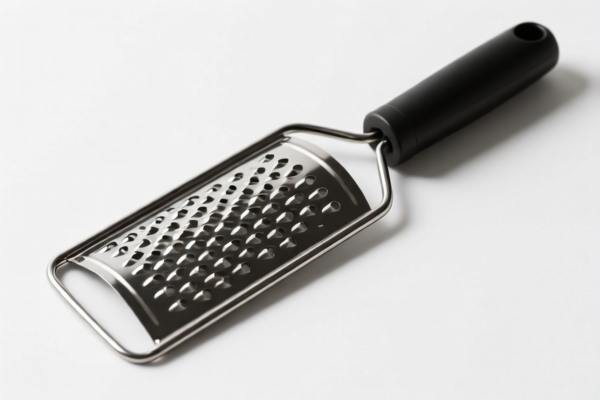
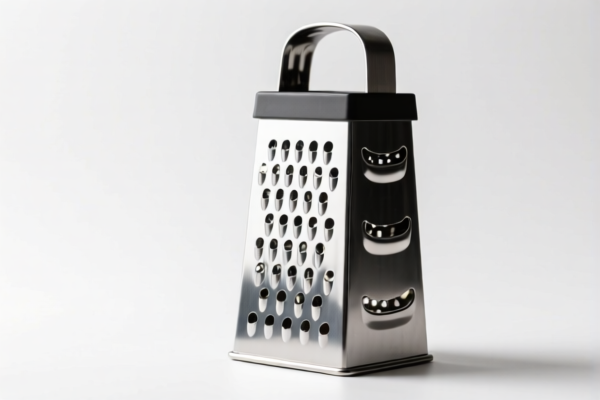
AI Analysis
🥄 Rotary Grater (不锈钢/陶瓷擦丝器)
🌐 HS Code Reference & Customs Clearance Guide | 2026 Latest Tariff Analysis | Professional Clearance Strategy
📌 1. Product Definition & Classification: Understanding the "Rotary Grater"
A Rotary Grater is a manual kitchen utensil used for shredding vegetables, fruits, or cheeses. In international trade, classification depends heavily on material and mechanism. It is generally categorized either under Stainless Steel Kitchen Articles or Manual Mechanical Appliances.
⚠️ Key Distinction Points:
- Metal Body (Stainless Steel): Usually classified under 7323.93 (Table/Kitchen articles of iron/steel) OR 8210.00 (Manual mechanical appliances for food preparation).
- Ceramic Body: Classified under 6911.10 (China/pottery kitchen ware).
- Mechanism: If purely a metal grate structure, it leans toward 7323. If it has a specific manual mechanical drive (crank/handle mechanism for grinding/grating), it may lean toward 8210, though 7323 is more common for simple rotary graters.
📦 2. HS Code Classification Details (Based on Provided Data)
Based on the provided data, here are the specific HS Codes, descriptions, and tax implications for Rotary Graters.
| HS Code | Product Description | Material | Mechanism/Type |
|---|---|---|---|
7323.93.00.45 |
Stainless Steel Rotary Grater | Stainless Steel | Other cooking/cooking ware appliances |
7323.93.00.35 |
Stainless Steel Rotary Grater | Stainless Steel | Kitchen/baking appliance (logic: not for stovetop use) |
8210.00.00.00 |
Stainless Steel Rotary Grater | Base Metal (Stainless Steel) | Manual mechanical appliance for food prep |
6911.10.80.90 |
Ceramic Rotary Grater | Ceramic | Kitchen utensil/tableware |
6911.10.80.10 |
Ceramic Rotary Grater | Ceramic | Kitchen utensil/food processing tool |
🔍 Important Note:
- Stainless Steel Graters: Primarily fall under 7323.93. However, some customs authorities may classify them under 8210.00 if they emphasize the "manual mechanical appliance" aspect. The tax rates differ significantly (see below).
- Ceramic Graters: Fall under 6911.10. The distinction between.80.90and.80.10is minor but relates to specific sub-classifications within china kitchenware.
💰 3. 2026 Latest Tariff Rate Breakdown (Detailed)
✅ Applicable Country: United States (US)
✅ Origin: China (CN)
✅ Effective Date: Current rates apply (including Section 301 & 122 tariffs)
🎯 1. 7323.93.00.45 & 7323.93.00.35 —— Stainless Steel Rotary Grater (Kitchen Articles)
| Item | Detail |
|---|---|
| Base Duty Rate | 2.0% |
| Section 301 (Add-on) | 0.0% (Note: Data shows 0.0% for this specific sub-code, likely due to specific HTSUS exemptions or exclusions for certain kitchen items) |
| Section 122 (Steel/Aluminum/Copper) | 50% |
| Total Tariff Rate | 62.0% |
| Tax Calculation | CIF Value × 62% |
| Legal Basis | Base Tariff + Section 122 Tariff |
📌 Explanation:
- Base Tariff (2.0%): Standard duty for stainless steel table/kitchen articles.
- Section 122 Tariff (50%): This is a critical component. Under Section 122, certain steel, aluminum, and copper products face a 50% additional tariff. Rotary graters made of stainless steel are often subject to this high rate.
- Total: 62%. This is a very high tariff. Ensure your supplier confirms if the product is exempt from Section 122 (some specific kitchen utensils might have different rulings, but the data provided clearly states 50%).
🎯 2. 8210.00.00.00 —— Stainless Steel Rotary Grater (Manual Mechanical Appliance)
| Item | Detail |
|---|---|
| Base Duty Rate | 3.7% |
| Section 301 (Add-on) | 25.0% |
| Section 122 (Steel/Aluminum/Copper) | 10% |
| Total Tariff Rate | 38.7% |
| Tax Calculation | CIF Value × 38.7% |
| Legal Basis | Base + Section 301 + Section 122 |
📌 Explanation:
- Base Tariff (3.7%): For manual mechanical appliances.
- Section 301 (25%): Standard additional tariff for Chinese goods under Trade Act Section 301.
- Section 122 (10%): Reduced compared to the 50% rate for kitchen articles (7323). This suggests that if classified as a "mechanical appliance" rather than a "kitchen article," the Section 122 rate might be lower (or different rules apply).
- Total: 38.7%. This is significantly lower than the 62% rate for7323.93. Strategic Classification Opportunity!
🎯 3. 6911.10.80.90 & 6911.10.80.10 —— Ceramic Rotary Grater
| Item | Detail |
|---|---|
| Base Duty Rate | 20.8% |
| Section 301 (Add-on) | 7.5% |
| Section 122 (Steel/Aluminum/Copper) | 10% |
| Total Tariff Rate | 38.3% |
| Tax Calculation | CIF Value × 38.3% |
| Legal Basis | Base + Section 301 + Section 122 |
📌 Explanation:
- Base Tariff (20.8%): Higher base rate for ceramic articles.
- Section 301 (7.5%): Lower Section 301 rate compared to metal products.
- Section 122 (10%): Applies as it may be considered a composite or related material, or the data reflects a specific ruling.
- Total: 38.3%. Slightly lower than the8210classification for steel graters.
🛠️ 4. Customs Clearance Practical Advice
✅ 1. Document Preparation Checklist
| Document | Required | Notes |
|---|---|---|
| ✅ Product Specification Sheet | ✔️ | Must clearly state Material (Stainless Steel vs. Ceramic), Function (Grating/Shredding), and Mechanism (Manual Rotary). |
| ✅ Product Photos | ✔️ | Clear images showing the entire unit, including handle, crank, and grating surface. |
| ✅ Commercial Invoice | ✔️ | Description must match HS Code definition. Avoid vague terms like "Kitchen Tool." Use "Stainless Steel Rotary Grater" or "Ceramic Food Grater." |
| ✅ Packing List | ✔️ | Weight and dimensions. |
| ✅ Material Certificate | ✔️ | Proof of stainless steel grade (e.g., 304/316) if claiming specific exemptions or lower base rates. |
✅ 2. Classification Strategy & Optimization
🔥 "Material Matters: Steel vs. Mechanical vs. Ceramic"
| Scenario | Recommended HS Code | Total Tax | Reason |
|---|---|---|---|
| Stainless Steel Grater (Standard) | 7323.93.00.45 or .35 |
62.0% | Classified as "Kitchen Article" → Subject to 50% Section 122. |
| Stainless Steel Grater (Mechanical Focus) | 8210.00.00.00 |
38.7% | Classified as "Manual Mechanical Appliance" → Lower Section 122 (10%). STRONGLY RECOMMENDED IF APPLICABLE. |
| Ceramic Grater | 6911.10.80.90 or .10 |
38.3% | Ceramic base rate is high, but Section 301 & 122 are lower. |
📌 Critical Tip:
- Fight for8210.00.00.00: If your rotary grater has a distinct mechanical crank/handle mechanism, argue for classification as a "Manual Mechanical Appliance" rather than a simple "Kitchen Article." The tax difference is 23.3% (62% vs 38.7%).
- Provide Evidence: Submit diagrams showing the mechanical action of the rotary grater to support the8210classification.
- Ceramic Alternative: If the mechanical argument fails, consider if a ceramic variant is feasible for your market, as it offers a competitive 38.3% rate.
✅ 3. Special Considerations
| Situation | Advice |
|---|---|
| Section 122 Applicability | Confirm with your customs broker if stainless steel rotary graters are indeed subject to the 50% Section 122 rate under 7323. Some specific kitchen utensils may have exclusions. |
| Country of Origin | Ensure the Certificate of Origin clearly states China (CN) if shipping from China, as tariffs are specific to Chinese origin. |
| De Minimis | ❌ No De Minimis Exemption: These goods are subject to high tariffs and do not qualify for de minimis thresholds. |
🌍 5. Global Market Comparison (2026)
| Country/Region | Recommended HS Code | Estimated Total Tariff (China Origin) | Notes |
|---|---|---|---|
| 🇺🇸 USA | 8210.00.00.00 |
38.7% | Best rate for steel. 7323 is 62%. |
| 🇨🇳 China | 8210.00.00.00 |
~3.7% (Import) | Low base rate. |
| 🇪🇺 EU | 8210.00.00.00 |
~0-5% (Check CE) | Generally lower duties, but requires CE marking. |
| 🇬🇧 UK | 8210.00.00.00 |
~0-5% | Post-Brexit rules apply. |
📌 Conclusion:
- USA is the most complex market for rotary graters due to high Section 301 and Section 122 tariffs.
- Classification is KEY: Misclassification between7323and8210can result in a 23.3% tariff difference.
📌 6. Common Errors & Pitfalls (Lessons Learned)
❌ Error 1: Classifying all stainless steel kitchen items under 7323.93
👉 Consequence: Paying 62% instead of 38.7%.
👉 Fix: Argue for 8210.00.00.00 if the item has a mechanical function.
❌ Error 2: Ignoring Section 122 Tariffs
👉 Consequence: Unexpected 50% additional duty on steel products.
👉 Fix: Verify Section 122 applicability for your specific product type.
❌ Error 3: Vague Product Description ("Kitchen Tool")
👉 Consequence: Customs delays, audits, or incorrect classification.
👉 Fix: Use precise terms: "Rotary Grater, Manual, Stainless Steel."
✅ Correct Practice:
"Manual Rotary Grater, Stainless Steel, with Crank Handle, for Kitchen Food Preparation"
→ Classify under8210.00.00.00if mechanical aspects are prominent.
🎯 7. Conclusion: Smart Classification, Significant Savings
🎯 Remember:
🔹 "Steel or Mechanical? Argue for 8210!"
🔹 "62% vs 38.7%: A 23% Difference is Worth Fighting For!"
🔹 "Ceramic is a Safe Bet at 38.3%."
📌 Pro Tip:
- Pre-arrival Ruling: Consider applying for an Advance Ruling from U.S. Customs and Border Protection (CBP) to confirm the correct HS Code and tariff rate. This provides legal certainty and prevents post-import audits.
- Supplier Communication: Inform your supplier to label products clearly with material composition and function to support your classification argument.
📣 Immediate Action:
📞 Contact your customs broker to discuss the
8210.00.00.00classification for stainless steel rotary graters.
🚀 Optimize your supply chain by choosing the most tax-efficient classification or material.
✨ Professional clearance starts with precise classification!
💼 Every percentage point counts in international trade!
Customer Reviews
About HS Code Classification
The Harmonized System (HS) is an internationally standardized nomenclature developed by the World Customs Organization (WCO) to classify traded products. Over 200 countries use the HS system as the basis for customs tariffs, trade statistics, and import/export regulations.
Each HS code follows a hierarchical structure:
- Chapter (2 digits) — Broad category of goods (e.g., Chapter 84: Machinery and Mechanical Appliances)
- Heading (4 digits) — More specific grouping within the chapter
- Subheading (6 digits) — Internationally standardized breakdown, used by all WCO member countries
- National subdivisions (8-10 digits) — Country-specific extensions for further classification, such as US HTSUS 10-digit codes
Correct HS code classification is essential for smooth customs clearance, accurate duty payment, and compliance with trade regulations. Misclassification can lead to customs delays, overpayment of duties, or penalties.
When importing from CN to US, the applicable tariff rates may include:
- Most-Favored-Nation (MFN) rate — The standard duty rate applied to WTO members
- General rate — Applied to countries without trade agreements
- Trade remedy duties — Additional tariffs such as Section 301 (anti-dumping), Section 232 (national security), or countervailing duties
The information provided on this page is for reference purposes only. For official classification, please consult with your local customs authority or a licensed customs broker.