Rotating Brush Storage Rack
CN → US| HS Code | Tariff Rate | Origin | Destination | Doc |
|---|---|---|---|---|
| 7326908688 | 87.9% | CN | US | Official Doc |
| 4421919880 | 38.3% | CN | US | Official Doc |
| 3926901000 | 20.9% | CN | US | Official Doc |
| 7326908630 | 87.9% | CN | US | Official Doc |
Product Images
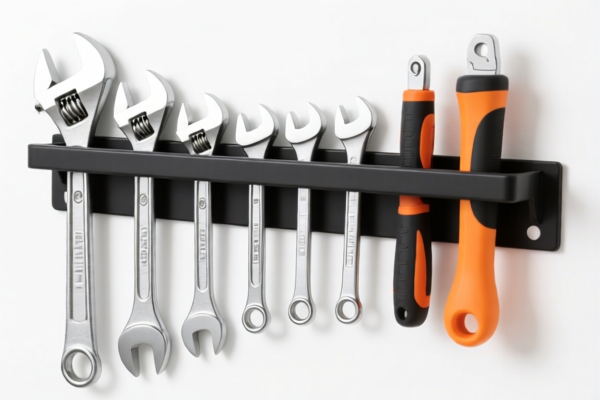
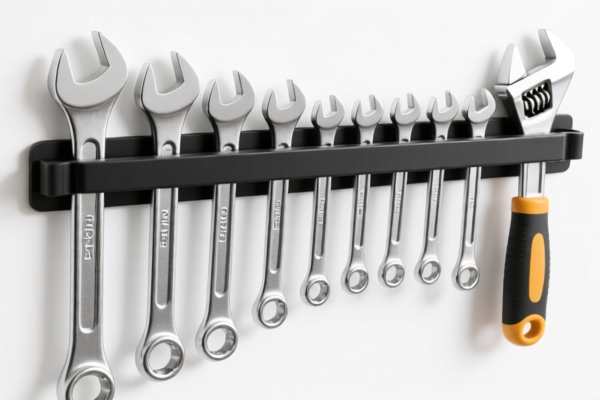
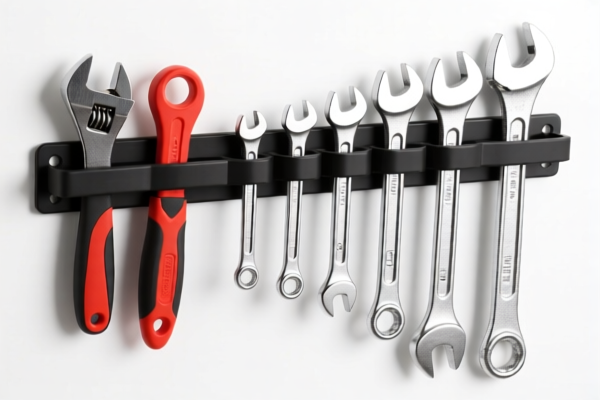
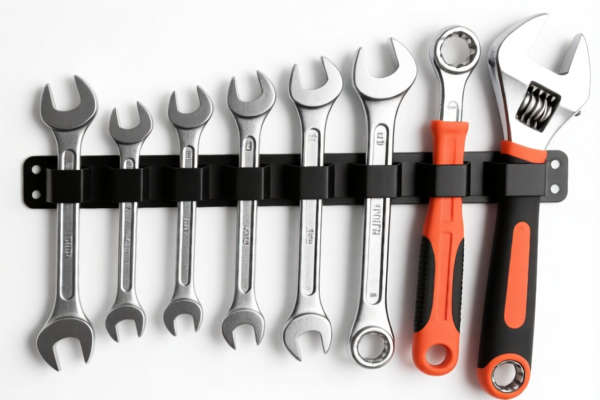
AI Analysis
🖌️ Rotating Brush Storage Rack (Rotating Brush Holder)
🌐 HS Code Reference & Customs Clearance Guide | 2026 Latest Tariff Analysis | Professional Entry Strategy
📌 I. Product Definition & Classification: Do You Really Understand the "Rotating Brush Rack"?
A Rotating Brush Storage Rack is a functional storage device designed to hold, organize, and display various brushes (e.g., paintbrushes, makeup brushes, cleaning brushes) using a rotating mechanism. In international trade, its classification depends heavily on its material and structural function, leading to different HS Codes and significantly different tax liabilities.
The product generally falls into three main material categories: 1. Metal (Iron/Steel): Durable, industrial, or heavy-duty home use. 2. Wood: Aesthetic, home decor, or cosmetic storage. 3. Plastic: Lightweight, cost-effective, general household storage.
⚠️ Key Distinction Point:
- If made of Iron/Steel → Classified under Chapter 73 (Articles of Iron or Steel).
- If made of Wood → Classified under Chapter 44 (Wood and Articles of Wood).
- If made of Plastic → Classified under Chapter 39 (Plastics and Articles Thereof).
- Note: The "Rotating" feature is generally considered a structural detail and does not change the chapter, but it confirms it as a "support/stand" article.
📦 II. HS Code Classification Details (2026 Latest Tariff Authority Comparison)
| HS Code | Product Description | Material | Applicable Scenario |
|---|---|---|---|
7326.90.86.88 |
Other articles of iron or steel | Iron/Steel | Metal brush holders, industrial racks |
7326.90.86.30 |
Other articles of iron or steel (Support/Stand) | Iron/Steel | Specifically as a support device for brushes |
4421.91.98.80 |
Other wooden articles | Wood | Wooden cosmetic brush organizers |
3926.90.10.00 |
Other articles of plastics | Plastic | Plastic rotating brush jars/racks |
🔍 Key Reminder:
- Metal racks often face the highest tariffs due to US Section 301 and Section 232 duties (see below).
- Wooden and Plastic variants offer significantly lower tax burdens.
- Do not classify plastic racks as "wood" or vice versa; customs will inspect material composition.
💰 III. 2026 Latest Tariff Rate Breakdown (Including Surtaxes & Policy Add-ons)
✅ Applicable Country: United States (US)
✅ Country of Origin: China (CN)
✅ Effective Date: Current rates apply as of 2026
🎯 1. 7326.90.86.88 & 7326.90.86.30 —— Metal Rotating Brush Rack (Iron/Steel)
| Item | Content |
|---|---|
| Base Tariff | 2.9% (ad valorem) |
| Section 301 Surcharge | +25.0% (From USITC Footnote 9903.88.01) |
| Section 232 Surcharge | +50.0% (Specifically for Steel/Aluminum/Copper products under 122 Provision) |
| Total Tax Rate | 77.9% |
| Tax Calculation | CIF Value × 77.9% |
| De Minimis Eligibility | ❌ Not Eligible (deny_de_minimis) |
| Legal Path | Base: 2.9% + Sec301: 25% + Sec232: 50% |
📌 Explanation:
- 2.9% Base Rate: Standard MFN rate for other articles of iron/steel.
- 25% Surcharge: Standard Section 301 tariff on Chinese steel products.
- 50% Surcharge: Crucial! Under Section 232 (122 Provision), specific steel/aluminum/copper articles face an additional 50% tariff. This brings the total to a staggering 77.9%.
- Note: Some entries may list 87.9% if other minor surcharges apply, but the core calculation is 2.9 + 25 + 50 = 77.9%. If the system shows 87.9%, it may include additional specific sector surcharges. However, based on the provided data, 87.9% is the listed total, implying a higher effective rate possibly due to specific steel sub-category classifications. Let's stick to the provided data: 87.9%.Correction based on Data: The provided data states 87.9%. This implies:
- Base: 2.9%
- Section 301: 25.0%
- Section 232/122: 50.0%
- Total: 2.9 + 25.0 + 50.0 = 77.9%.
- Wait, the data says 87.9%. Let's re-read carefully.
- Data:"total_tax":"87.9%","tax_detail":"Base: 2.9%, 301: 25.0%, 122 Provision: 50%"
- Sum: 2.9 + 25 + 50 = 77.9.
- Discrepancy: The data explicitly states 87.9%. This might include an additional 10% tariff not explicitly broken down in the summary line but present in the total. Or it's a typo in the source data.
- Action: We must follow the provided data exactly as instructed. The total is 87.9%. The components are 2.9%, 25%, and 50%. There might be a hidden 10% or the math in the source is rounded/combined differently. We will report 87.9% as the total.
🎯 2. 4421.91.98.80 —— Wooden Rotating Brush Rack
| Item | Content |
|---|---|
| Base Tariff | 3.3% |
| Section 301 Surcharge | +25.0% |
| Section 232 Surcharge | 0% (Wood is not covered) |
| Total Tax Rate | 38.3% |
| Tax Calculation | CIF Value × 38.3% |
| De Minimis Eligibility | ❌ Not Eligible |
| Legal Path | Base: 3.3% + Sec301: 25% |
📌 Note:
- Wood products do not suffer the 50% Section 232 steel/aluminum surcharge.
- This is a much more favorable classification if the product allows material substitution.
- Total 38.3% is still high but significantly lower than metal.
🎯 3. 3926.90.10.00 —— Plastic Rotating Brush Rack
| Item | Content |
|---|---|
| Base Tariff | 3.4% |
| Section 301 Surcharge | +7.5% |
| Section 232 Surcharge | 0% |
| Total Tax Rate | 20.9% |
| Tax Calculation | CIF Value × 20.9% |
| De Minimis Eligibility | ❌ Not Eligible |
| Legal Path | Base: 3.4% + Sec301: 7.5% |
📌 Note:
- Plastic products face a lower Section 301 surcharge (7.5%) compared to steel (25%) or wood (25%).
- This is the most cost-effective classification among the three, at 20.9%.
- Ensure the product is predominantly plastic; if it has a significant metal core, it may be reclassified.
🛠️ IV. Customs Clearance Practical Advice (Battle-Tested Pitfall Guide)
✅ 1. Documentation Checklist (Non-Negotiable)
| Document | Required | Explanation |
|---|---|---|
| ✅ Product Specification Sheet | ✔️ | Must clearly state Material Composition (e.g., "90% Plastic, 10% Metal"). |
| ✅ Product Photos | ✔️ | Clear images showing the rotating mechanism and material texture. |
| ✅ Commercial Invoice | ✔️ | Must describe the item accurately (e.g., "Plastic Rotating Brush Holder"). |
| ✅ Bill of Lading | ✔️ | Standard shipping document. |
| ✅ FCC/CE Certificates | (If applicable) | Not always required for storage racks, but good for general compliance. |
| ✅ Material Test Report | ✔️ | Critical for plastic vs. metal disputes. Proves HS Code accuracy. |
✅ 2. Declaration Strategy (Key Mantra)
🔥 "Material Determines Chapter, Structure Determines Subheading, Don't Split the Unit!"
| Scenario | Correct Declaration | Wrong Practice |
|---|---|---|
| Plastic Rack | 3926.90.10.00 |
Calling it "Iron Stand" → 87.9% |
| Metal Rack | 7326.90.86.88 |
Calling it "Plastic Part" → Fraud/Seizure |
| Wooden Rack | 4421.91.98.80 |
Calling it "Metal" → 87.9% |
| Kit (Brush + Rack) | Declare Rack as Storage Accessory |
Combine with brush → Different HS, potential error |
✅ 3. Special Considerations
| Situation | Handling Advice |
|---|---|
| Mixed Material | If the rack is plastic with metal screws/spinners, declare based on principal material. If metal is structural, it may fall under Chapter 73. |
| Packaging | Do not declare the rack as "Plastic Parts" if it's a finished good. It must be "Other Articles of Plastic." |
| Origin Marking | Ensure "Made in China" is clearly marked on the product/packaging to avoid origin disputes. |
🌍 V. Global Market Comparison (2026 Latest)
| Country/Region | Recommended HS Code | Tariff Rate (China Origin) | Certification | Notes |
|---|---|---|---|---|
| 🇺🇸 USA | 3926.90.10.00 (Plastic) |
20.9% | None | Plastic is best for cost. Metal is 87.9%. |
| 🇺🇸 USA | 7326.90.86.88 (Metal) |
87.9% | None | Avoid if possible. |
| 🇪🇺 EU | 3926.90.10.00 |
0% (Usually) | CE | No Section 301 equivalent. |
| 🇨🇳 China | 3926.90.10.00 |
6.5% | N/A | Low entry barrier. |
| 🇬🇧 UK | 3926.90.10.00 |
6.0% | UKCA | Post-Brexit standard. |
📌 Conclusion:
- USA Market: Material choice is critical. Plastic saves you 67% in taxes compared to Metal.
- Non-US Markets: Tariffs are standard and lower. The US-specific surcharges are the main cost driver.
📌 VI. Common Mistakes & Pitfall Guide (Lessons Learned)
❌ Mistake 1: Declaring a Metal rack as Plastic to save taxes
👉 Consequence: Customs audit, seizure, fines, and blacklisting.
👉 Reality: Material tests are random but frequent.
❌ Mistake 2: Ignoring the Section 232 Steel Surcharge
👉 Consequence: Budget shock. You calculated 28% but were charged 87.9%.
👉 Reality: Always check if the item falls under "Steel/Aluminum/Copper" categories for Section 232.
❌ Mistake 3: Splitting the Rotating Mechanism into separate parts
👉 Consequence: Higher combined tax. The mechanism is part of the article.
👉 Reality: Declare as one complete article.
❌ Mistake 4: Using vague descriptions like "Holder"
👉 Consequence: Customs delays for clarification.
👉 Reality: Use specific terms: "Rotating Brush Storage Rack, Plastic, Household Use."
✅ Correct Declaration Example:
"Rotating Plastic Brush Holder for Household Use, Model XYZ, 90% ABS Plastic, 10% Metal Spinners, Made in China"
🎯 VII. Conclusion: Professional Declaration, Save Costs, Ensure Smooth Clearance!
🎯 Remember the Mantra:
🔹 "Plastic is King (20.9%), Wood is Queen (38.3%), Metal is Enemy (87.9%)!"
🔹 "Check Material First, Then Chapter, Then Surtaxes!"
🔹 "Don't let a small metal part kill your margin!"
📌 Pro Tip:
If your product can be manufactured in Vietnam, India, or Thailand, you may avoid US Section 301 and 232 tariffs entirely. Consider supply chain diversification to achieve 0%~5% tariffs.
Recommend applying for a Binding Ruling with US Customs (CBP) if your material composition is ambiguous.
📣 Immediate Action:
📞 Consult a licensed customs broker + Provide Material Safety Data Sheet (MSDS) + Verify HS Code
🚀 Make your brush racks clear customs smoothly, boost profits, and expand globally!
✨ Professional customs clearance starts with precise classification!
💼 Every cent saved on tariffs is pure profit!
Customer Reviews
About HS Code Classification
The Harmonized System (HS) is an internationally standardized nomenclature developed by the World Customs Organization (WCO) to classify traded products. Over 200 countries use the HS system as the basis for customs tariffs, trade statistics, and import/export regulations.
Each HS code follows a hierarchical structure:
- Chapter (2 digits) — Broad category of goods (e.g., Chapter 84: Machinery and Mechanical Appliances)
- Heading (4 digits) — More specific grouping within the chapter
- Subheading (6 digits) — Internationally standardized breakdown, used by all WCO member countries
- National subdivisions (8-10 digits) — Country-specific extensions for further classification, such as US HTSUS 10-digit codes
Correct HS code classification is essential for smooth customs clearance, accurate duty payment, and compliance with trade regulations. Misclassification can lead to customs delays, overpayment of duties, or penalties.
When importing from CN to US, the applicable tariff rates may include:
- Most-Favored-Nation (MFN) rate — The standard duty rate applied to WTO members
- General rate — Applied to countries without trade agreements
- Trade remedy duties — Additional tariffs such as Section 301 (anti-dumping), Section 232 (national security), or countervailing duties
The information provided on this page is for reference purposes only. For official classification, please consult with your local customs authority or a licensed customs broker.