Rotor
CN → US| HS Code | Tariff Rate | Origin | Destination | Doc |
|---|---|---|---|---|
| 8503004500 | 35.0% | CN | US | Official Doc |
| 8503006500 | 38.0% | CN | US | Official Doc |
Product Images
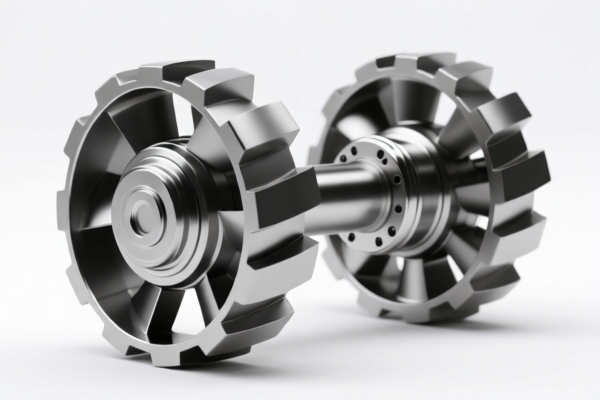
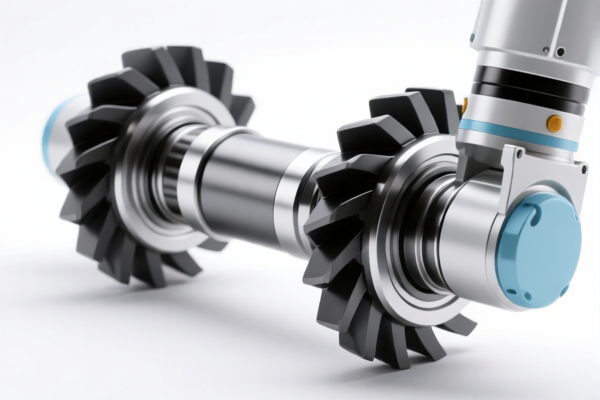
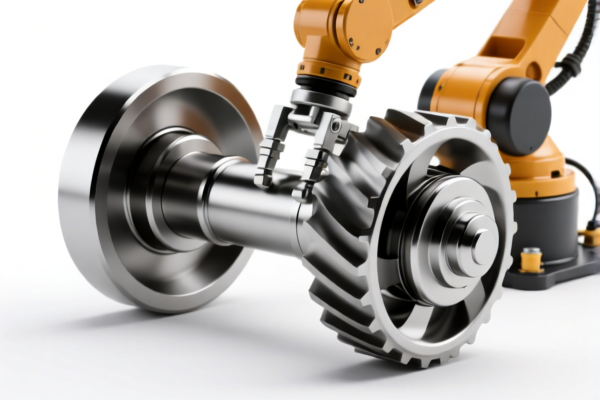
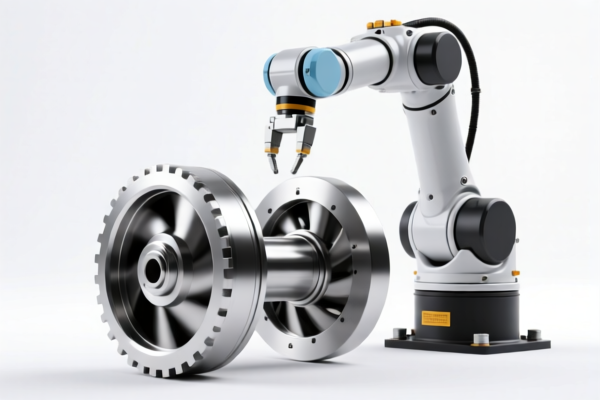
AI Analysis
⚙️ Rotors for Generators (Specifically for Aircraft)
🌐 HS Code Reference & Customs Clearance Guide | 2026 Latest Tariff Analysis | Professional Clearance Strategy
📌 I. Product Definition & Classification: Do You Understand "Rotors"?
Rotors are critical rotating components of electrical machines (generators and motors). In international trade, specifically for heading 8501 (Electrical machinery and equipment), the classification of rotors depends heavily on their end-use and integration level.
Key Distinction for Rotors: 1. Generators for Aircraft: Rotors designed solely for use in aircraft generators are classified under a specific subheading due to high-value industrial applications. 2. Other Generators: Rotors for other types of generators (industrial, automotive, domestic) fall under "Other" categories.
⚠️ Critical Classification Point:
- If the rotor is specifically designed for aircraft generators → It is classified under 8503.00.45.00.
- If the rotor is for other generators (non-aircraft) → It is classified under 8503.00.65.00.
- Note: Parts suitable solely or principally for heading 8501 or 8502 machines are classified under Heading 8503.
📦 II. HS Code Classification Details (2026 Latest Tariff Authority Comparison)
Based on the provided data, here are the two relevant HS Codes for Rotors:
| HS Code | Product Description | Applicable Scenario | Specific Condition |
|---|---|---|---|
8503.00.45.00 |
Stators and rotors for heading 8501: For generators suitable for use on aircraft | Aircraft power systems, aviation maintenance | ✅ Specifically for Aircraft |
8503.00.65.00 |
Stators and rotors for heading 8501: Other | Industrial generators, automotive alternators, other electrical machinery | ✅ Not for aircraft |
🔍 Key Reminder:
- Both codes fall under Heading 8503 (Parts suitable for use solely or principally with machines of heading 8501 or 8502).
- The distinction is solely based on whether the rotor is for aircraft generators or other generators.
- Do not confuse with motor rotors (Heading 8501) unless they are spare parts for those machines.
💰 III. 2026 Latest Tariff Rate Details (Including Surtaxes & Policy Add-ons)
✅ Applicable Country: United States (US)
✅ Origin: China (CN)
✅ Effective Time: Current applicable rates (based on provided data)
🎯 1. 8503.00.45.00 — Rotors for Aircraft Generators
| Item | Content |
|---|---|
| Base Tariff | 0.0% (ad valorem) |
| Surtax (Section 301) | +25.0% |
| Total Tax Rate | 25.0% |
| Tax Calculation | CIF Value × 25% |
| Legal Basis | Heading 8503, Subheading 45.00 |
📌 Explanation:
- Although the base tariff is 0%, the Section 301 surtax of 25% applies to Chinese-origin goods.
- This is a high-value component for aerospace; ensure documentation proves "aircraft suitability" to avoid misclassification.
🎯 2. 8503.00.65.00 — Other Rotors (Non-Aircraft)
| Item | Content |
|---|---|
| Base Tariff | 3.0% (ad valorem) |
| Surtax (Section 301) | +25.0% |
| Total Tax Rate | 28.0% |
| Tax Calculation | CIF Value × 28% |
| Legal Basis | Heading 8503, Subheading 65.00 |
📌 Explanation:
- The base tariff is 3.0%, which is lower than aircraft-specific parts.
- However, the Section 301 surtax of 25% still applies, making the total effective rate 28%.
- This is the standard rate for industrial, automotive, or domestic generator rotors.
🛠️ IV. Customs Clearance Practical Advice (Real-World Pitfall Avoidance Guide)
✅ 1. Preparation Checklist (Must-Have Documents)
| Document | Must Provide | Description |
|---|---|---|
| ✅ Product Specification Sheet | ✔️ | Detailed specs: dimensions, material, voltage, power rating, intended machine model |
| ✅ Certificate of End-Use | ✔️ | Crucial! Must state if the rotor is for aircraft or other generators |
| ✅ Product Photos (with labels) | ✔️ | Clear view of part number, manufacturer, and technical markings |
| ✅ Commercial Invoice | ✔️ | Must clearly describe the item as "Rotor for Generator" and specify end-use |
| ✅ Packing List | ✔️ | List all components; avoid declaring as "Machine Parts" without specificity |
| ✅ Origin Certificate (CO) | ✔️ | To prove origin as China (if applicable) and determine surtax applicability |
✅ 2. Declaration Tips (Key Mantra)
🔥 "Aircraft Rotors: 0% Base + 25% Surtax = 25% Total"
🔥 "Other Rotors: 3% Base + 25% Surtax = 28% Total"
| Scenario | Correct Declaration | Wrong Practice |
|---|---|---|
| Rotor for Aircraft Generator | HS Code: 8503.00.45.00Description: "Rotor for Aircraft Generator" |
Misclassifying as "Other" → 28% vs 25% (Overpayment) or Underpayment if declared incorrectly |
| Rotor for Industrial Generator | HS Code: 8503.00.65.00Description: "Rotor for Industrial Generator" |
Misclassifying as "Aircraft" → 25% vs 28% (Underpayment risk, leads to penalties) |
| Mixed Shipment | Declare each item separately with correct HS Code | Lump sum declaration → Customs rejection or audit |
✅ 3. Special Situation Handling
| Situation | Handling Advice |
|---|---|
| OEM Rotor for Aircraft | Provide Aircraft Manufacturer’s Certificate or Purchase Order specifying aircraft model. This is critical for 8503.00.45.00. |
| Rotor for Hybrid Vehicle | Likely falls under "Other" (8503.00.65.00) unless specifically for aircraft. Check end-use carefully. |
| Rotor with Stator as Assembly | If sold as a complete stator-rotor assembly for a generator, it may still be classified under 8503 as parts. Ensure description matches. |
| Unknown End-Use | If end-use is ambiguous, customs may default to "Other" (8503.00.65.00) at 28%. Always clarify with the importer. |
🌍 V. Global Major Market Comparison (2026 Latest)
| Country/Region | Recommended HS Code | Tariff (China Origin) | Certification Requirements | Notes |
|---|---|---|---|---|
| 🇺🇸 USA | 8503.00.45.00 or 8503.00.65.00 |
25% or 28% | None specific, but需提供 Origin Proof | Section 301 Surtax Applies |
| 🇨🇳 China | 8503.00.45.00 or 8503.00.65.00 |
0% or 3% | CCC (if applicable) | No surtax |
| 🇪🇺 EU | 8503.00.00.00 |
0% | CE, RoHS | No additional surtax |
| 🇬🇧 UK | 8503.00.00.00 |
0% | UKCA, RoHS | No additional surtax |
| 🇯🇵 Japan | 8503.00.00.00 |
0% | PSE | No additional surtax |
📌 Conclusion:
- The USA is the only major market with high additional tariffs (25-28%) for Chinese-origin rotors.
- Aircraft rotors have a slightly lower total tax (25%) compared to other rotors (28%) in the US.
- For other markets, the base tariff is usually 0%, making US exports significantly more expensive.
📌 VI. Common Errors & Pitfall Avoidance (Lessons Learned)
❌ Error 1: Declaring "Rotor for Generator" without specifying end-use.
👉 Consequence: Customs may apply the higher rate (28%) or request additional documentation, causing delays.
❌ Error 2: Misclassifying Aircraft Rotors as "Other" (8503.00.65.00).
👉 Consequence: Overpayment of 3% per unit. While not huge per unit, it adds up for large shipments.
❌ Error 3: Misclassifying Industrial Rotors as "Aircraft" (8503.00.45.00).
👉 Consequence: Underpayment of 3%, leading to penalties, fines, and potential legal action for customs fraud.
❌ Error 4: Failing to provide End-Use Documentation.
👉 Consequence: Customs cannot verify the classification, leading to audit flags and shipment delays.
✅ Correct Practice:
"Rotor, Aluminum, for Aircraft Generator, Model XYZ, Serial No. 12345, Origin: China, HS Code: 8503.00.45.00"
🎯 VII. Conclusion: Professional Declaration, Time-Saving, Cost-Effective!
🎯 Remember the Mantra:
🔹 "Aircraft Rotors: 25% Total"
🔹 "Other Rotors: 28% Total"
🔹 "Base Tariff + 25% Surtax = Your Cost"
📌 Tips:
- If your rotors are not for aircraft, use 8503.00.65.00.
- If they are for aircraft, use 8503.00.45.00 and provide proof.
- Always declare HS Code and End-Use clearly to avoid customs issues.
📣 Immediate Action:
📞 Contact professional customs brokers + Provide product specs + Apply for Advance Ruling if unsure.
🚀 Ensure your rotors, clear customs smoothly, reduce costs, and maximize profits!
✨ Professional clearance starts with accurate classification!
💼 Your cost is worth being precisely calculated!
Customer Reviews
About HS Code Classification
The Harmonized System (HS) is an internationally standardized nomenclature developed by the World Customs Organization (WCO) to classify traded products. Over 200 countries use the HS system as the basis for customs tariffs, trade statistics, and import/export regulations.
Each HS code follows a hierarchical structure:
- Chapter (2 digits) — Broad category of goods (e.g., Chapter 84: Machinery and Mechanical Appliances)
- Heading (4 digits) — More specific grouping within the chapter
- Subheading (6 digits) — Internationally standardized breakdown, used by all WCO member countries
- National subdivisions (8-10 digits) — Country-specific extensions for further classification, such as US HTSUS 10-digit codes
Correct HS code classification is essential for smooth customs clearance, accurate duty payment, and compliance with trade regulations. Misclassification can lead to customs delays, overpayment of duties, or penalties.
When importing from CN to US, the applicable tariff rates may include:
- Most-Favored-Nation (MFN) rate — The standard duty rate applied to WTO members
- General rate — Applied to countries without trade agreements
- Trade remedy duties — Additional tariffs such as Section 301 (anti-dumping), Section 232 (national security), or countervailing duties
The information provided on this page is for reference purposes only. For official classification, please consult with your local customs authority or a licensed customs broker.