Rough Larch Logs
CN → US| HS Code | Tariff Rate | Origin | Destination | Doc |
|---|---|---|---|---|
| 4401210000 | 35.0% | CN | US | Official Doc |
| 4407110052 | 35.0% | CN | US | Official Doc |
| 4407110042 | 35.0% | CN | US | Official Doc |
| 4401110000 | 35.0% | CN | US | Official Doc |
| 4403220165 | 35.0% | CN | US | Official Doc |
Product Images
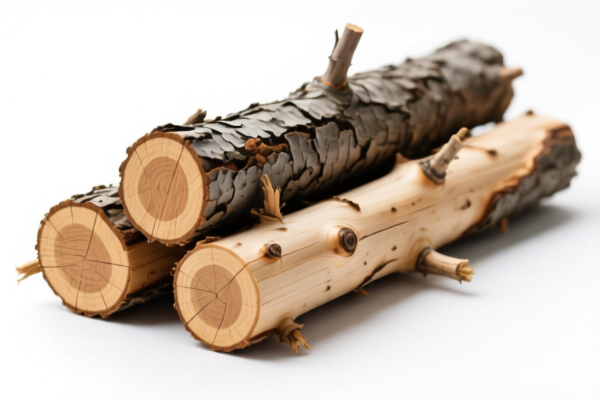
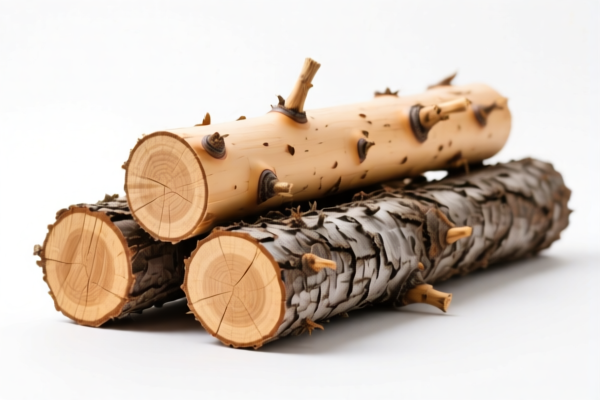
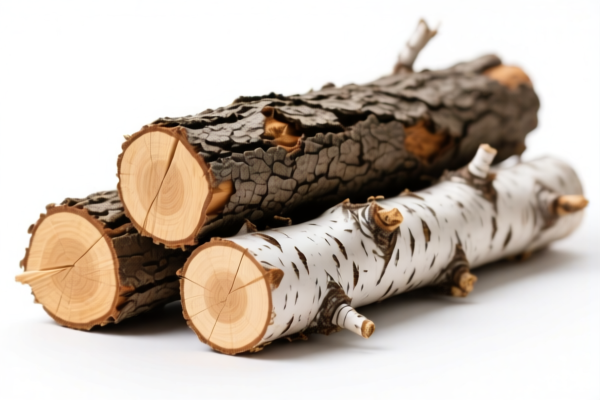
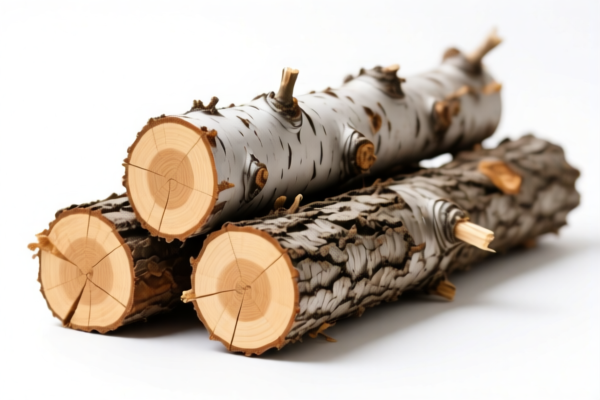
AI Analysis
🌲 Rough Larch Logs (Unprocessed Timber)
🌐 HS Code Reference & Customs Clearance Guide | 2026 Latest Tariff Analysis | Professional Compliance Strategy
📌 I. Product Definition & Classification: What Exactly Are "Rough Larch Logs"?
Larch (Larix) is a deciduous coniferous tree widely used in construction, furniture making, and fuel. In international trade, "Rough Larch Logs" refer to timber that has been sawn or otherwise simply squared, whether or not it has been peeled, chipped, or edging-squared, but not further processed into planks or sheets.
Crucially, under the Harmonized System (HS), Larch is classified as a Softwood (Coniferous Wood). This distinction is vital because softwoods often face different tariff treatments compared to hardwoods, especially when subject to specific trade remedies like Section 301 or Section 232 tariffs.
⚠️ Key Distinction:
- If the logs are merely unworked or simply squared (logs/rough wood) → They fall under Chapter 44, Heading 4401 or 4403.
- If they are further processed into sawn wood of a certain thickness (planks/lumber) → They may fall under Heading 4407.
- Fuel Wood: If the logs are specifically sized for burning, they may fall under specific fuel subheadings in 4401.11.
📦 II. HS Code Classification Details (2026 Latest Tariff Authority Mapping)
Based on the provided data, here are the specific HS Codes applicable to Rough Larch Logs. Note that Larch is treated as Coniferous Wood (Softwood) in these entries.
| HS Code | Product Description | Application Scenario | Tax Rate (Total) |
|---|---|---|---|
4401.21.00.00 |
Rough Softwood (Coniferous), in the primary form | Raw logs, round timber, fuel wood logs (not yet sawn) | 35.0% |
4407.11.00.52 |
Rough Sawn Softwood (Larch/Pine Category) | Sawn but rough/uneven softwood lumber | 35.0% |
4407.11.00.42 |
Rough Sawn Softwood (Larch/Pine Category) | Sawn but rough/uneven softwood lumber (Alternative subcode) | 35.0% |
4401.11.00.00 |
Rough Softwood, in the form of fuel wood | Logs specifically prepared as fuel (burning stock) | 35.0% |
4403.22.01.65 |
Rough Softwood Logs (Whether or not peeled or debarked) | Raw logs, debarked or edged, for construction/industrial use | 35.0% |
🔍 Critical Note:
- All listed HS Codes for Rough Larch (a softwood) attract a Total Tax Rate of 35.0%.
- This rate is composed of Base Tariff (0%) + Section 301 Additional Tariff (25%) + Section 122 Tariff (10%).
- Do not confuse with Hardwoods (e.g., Oak, Maple), which have different HS headings (4403.29, 4407.91, etc.).
💰 III. 2026 Latest Tariff Breakdown (Detailed Policy Analysis)
✅ Applicable Country: United States (US)
✅ Origin: China (CN)
✅ Effective Time: Current rates apply (Section 301 & 122 measures active)
🎯 1. The 35% Total Tariff Structure Explained
For all the HS Codes listed above (4401.21.00.00, 4407.11.00.52, 4407.11.00.42, 4401.11.00.00, 4403.22.01.65), the tax calculation is identical:
| Item | Content |
|---|---|
| Base MFN Tariff | 0.0% (Most Favored Nation rate for many softwood logs is zero, depending on specific subcodes) |
| Section 301 Additional Tariff | +25.0% (Retaliatory tariff on Chinese goods, per USITC Footnote 9903.01.25) |
| Section 122 Tariff (Trade Promotion Authority) | +10.0% (Specific levy on certain Chinese imports, often applied to wood products to protect domestic industries) |
| Total Effective Rate | 35.0% |
| Calculation Base | CIF Value (Cost + Insurance + Freight) × 35% |
| De Minimis Exemption Eligibility | ❌ No (Wood products are generally excluded from $800 de minimis low-value shippings exemptions if classified under these chapters) |
| Legal Authority Path | USITC:4401/4403/4407 → FOOTNOTE:9903.88.01 (Section 301) + Section 122 Provision |
📌 Explanation:
- "Base Tariff 0%": Many raw log imports have a low or zero base duty to allow raw material entry.
- "Section 301 25%": This is the primary punitive tariff on Chinese wood products. It is non-negotiable unless an exclusion applies (which is rare and temporary).
- "Section 122 10%": This additional levy targets specific sectors, including timber, to support US domestic wood producers.
- Combined Impact: Even though the base is 0%, the effective cost increase is 35% of the CIF value.
🛠️ IV. Customs Clearance Practical Advice (Actionable Checklist)
✅ 1. Required Documentation (Mandatory)
| Document | Must Provide | Notes |
|---|---|---|
| ✅ Phytosanitary Certificate | ✔️ | Issued by the country of origin. Essential to prove no pests (e.g., bark beetles). |
| ✅ Fumigation Certificate | ✔️ | Often required alongside phytosanitary cert. ISPM 15 compliant if on pallets. |
| ✅ Commercial Invoice | ✔️ | Must specify: "Rough Larch Logs," HS Code, Origin (China), CIF Value. |
| ✅ Packing List | ✔️ | Detailed volume (cubic meters), weight, and bundle numbers. |
| ✅ Bill of Lading/Air Waybill | ✔️ | Proof of shipment. |
| ✅ Country of Origin Certificate | ✔️ | Required to determine tariff applicability. |
| ✅ Product Description | ✔️ | "Coniferous Wood, Softwood, Larch, Rough, Unprocessed." |
📌 Warning:
- Bark Removal: If logs are debarked, specify "Debarked" in the description. If barked, specify "Barked." Customs may inspect for pests in the bark.
- Moisture Content: High moisture may require special handling but does not change HS code.
✅ 2. Classification Strategy (Avoid Misclassification)
| Scenario | Correct HS Code | Incorrect Code | Consequence of Error |
|---|---|---|---|
| Raw, round logs for construction | 4403.22.01.65 |
4407.11.00.42 |
Penalty: Misclassification of "sawn" vs. "raw." |
| Logs cut for burning | 4401.11.00.00 |
4401.21.00.00 |
Risk: Incorrect fuel classification may trigger different inspection rules. |
| Sawn but rough planks | 4407.11.00.42 or .52 |
4401.21.00.00 |
Penalty: "Primary form" vs. "Sawn wood" distinction is strict. |
| Hardwood logs (e.g., Oak) | Not listed here | 4403.22.01.65 |
Audit Risk: Larch is softwood; declaring hardwood logs under softwood codes is fraud. |
🔥 Golden Rule:
"Raw Logs = 4401/4403; Sawn Lumber = 4407; Fuel = 4401.11. Never mix Softwood (Larch) with Hardwood codes."
✅ 3. Special Circumstances
| Situation | Handling Advice |
|---|---|
| Bark Present | Ensure Phytosanitary Cert explicitly states "No pests." US CBP may seize shipments if pests are found in bark. |
| Mixed Shipments | Declare Larch separately from other woods. Mixed shipments can delay inspection and increase scrutiny. |
| Transshipment | If transshipped through a third country (e.g., Vietnam), ensure the Certificate of Origin still proves Chinese origin, otherwise, tariffs may still apply or trigger anti-circumvention investigations. |
| Valuation | CBP may challenge CIF value if unusually low. Provide contracts, payment proofs, and freight invoices to justify value. |
🌍 V. Global Market Comparison (2026)
| Country/Region | Recommended HS Code | Tariff (China Origin) | Key Requirement | Notes |
|---|---|---|---|---|
| 🇺🇸 USA | 4403.22.01.65 / 4401.21.00.00 |
35% (25% Sec 301 + 10% Sec 122) | Phytosanitary Cert | Highest cost due to trade wars. |
| 🇨🇳 China | 4403.22.00.00 |
0-5% (Import Duty) | None | China exports Larch; imports are minimal. |
| 🇪🇺 EU | 4403.22.00 |
0% (Most MFN) | Fumigation/Heat Treatment | No Section 301/122 equivalents. |
| 🇬🇧 UK | 4403.22.00 |
0% | Phytosanitary | Post-Brexit, UK follows similar tariff lines. |
| 🇯🇵 Japan | 4403.22.00 |
0-3.2% | Phytosanitary | Low tariffs, strict biosecurity. |
📌 Conclusion:
- USA is the most expensive market for Rough Larch Logs due to the 35% cumulative tariff.
- EU and Asia offer significantly lower duty rates, but biosecurity (phosphorus/pest) regulations are equally strict.
- Cost-Saving Tip: If possible, source Larch from non-China origins (e.g., Russia, Canada, EU) to avoid the 25% Section 301 tariff, though Russia faces its own sanctions.
📌 VI. Common Mistakes & Pitfalls (Lessons Learned)
❌ Mistake 1: Declaring "Lumber" when the product is "Raw Logs"
👉 Result: If you declare 4407 (Sawn) but ship raw logs, CBP may reclassify and assess penalties for misdeclaration.
❌ Mistake 2: Ignoring the Section 122 Tariff
👉 Result: Many importers only account for the 25% Section 301 tariff and forget the additional 10%. Total cost underestimation leads to cash flow issues.
❌ Mistake 3: Incomplete Phytosanitary Documentation
👉 Result: Cargo held at port for fumigation or destroyed. Cost: Demurrage + Re-fumigation + Delay penalties.
❌ Mistake 4: Mixing Larch with Hardwood in one container
👉 Result: Complex customs inspection. Hardwoods may have different pest risks, leading to full container inspection and delays.
✅ Correct Approach:
"Rough Larch Logs, Coniferous Softwood, Debarked, Certified Phytosanitary, HS Code 4403.22.01.65, Origin China."
🎯 VII. Conclusion: Professional Compliance for Timber Imports
🎯 Remember:
🔹 "Logs are Logs, Lumber is Lumber. Larch is Softwood. Don't mix them."
🔹 "35% Tax in the US: 0% Base + 25% Sec 301 + 10% Sec 122. Plan your pricing accordingly."
🔹 "Phytosanitary Cert is Non-Negotiable. Without it, the cargo doesn't land."
📌 Pro Tip:
If you are importing large volumes, consider applying for an Exclusion under Section 301 (if available) or explore Bonded Warehouses to defer duty payment until the wood is sold domestically.
📣 Immediate Action:
📞 Consult a licensed customs broker to verify the latest Section 122 applicability for your specific shipment date.
📄 Ensure Phytosanitary Certs are issued by the official plant protection organization in the country of origin.
🚀 Clear your Rough Larch Logs with confidence, avoiding costly delays and penalties!
✨ Precision in Classification Saves Money in Customs!
💼 Every percentage point in duty affects your bottom line. Get it right the first time.
Customer Reviews
About HS Code Classification
The Harmonized System (HS) is an internationally standardized nomenclature developed by the World Customs Organization (WCO) to classify traded products. Over 200 countries use the HS system as the basis for customs tariffs, trade statistics, and import/export regulations.
Each HS code follows a hierarchical structure:
- Chapter (2 digits) — Broad category of goods (e.g., Chapter 84: Machinery and Mechanical Appliances)
- Heading (4 digits) — More specific grouping within the chapter
- Subheading (6 digits) — Internationally standardized breakdown, used by all WCO member countries
- National subdivisions (8-10 digits) — Country-specific extensions for further classification, such as US HTSUS 10-digit codes
Correct HS code classification is essential for smooth customs clearance, accurate duty payment, and compliance with trade regulations. Misclassification can lead to customs delays, overpayment of duties, or penalties.
When importing from CN to US, the applicable tariff rates may include:
- Most-Favored-Nation (MFN) rate — The standard duty rate applied to WTO members
- General rate — Applied to countries without trade agreements
- Trade remedy duties — Additional tariffs such as Section 301 (anti-dumping), Section 232 (national security), or countervailing duties
The information provided on this page is for reference purposes only. For official classification, please consult with your local customs authority or a licensed customs broker.