Rough Non Coniferous Wood Material
CN → US| HS Code | Tariff Rate | Origin | Destination | Doc |
|---|---|---|---|---|
| 4407990295 | 35.0% | CN | US | Official Doc |
| 4407990242 | 35.0% | CN | US | Official Doc |
| 4404200040 | 35.0% | CN | US | Official Doc |
| 4403990128 | 35.0% | CN | US | Official Doc |
| 4404200080 | 35.0% | CN | US | Official Doc |
Product Images
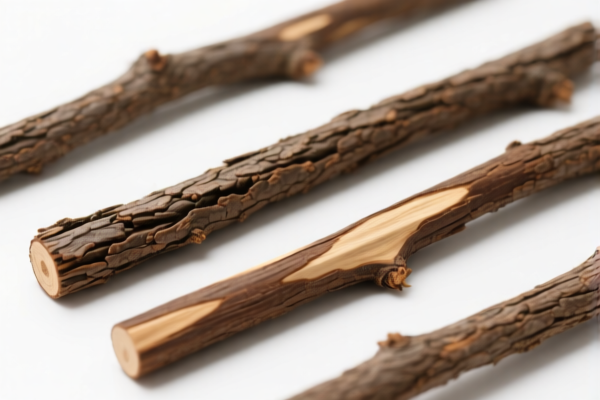
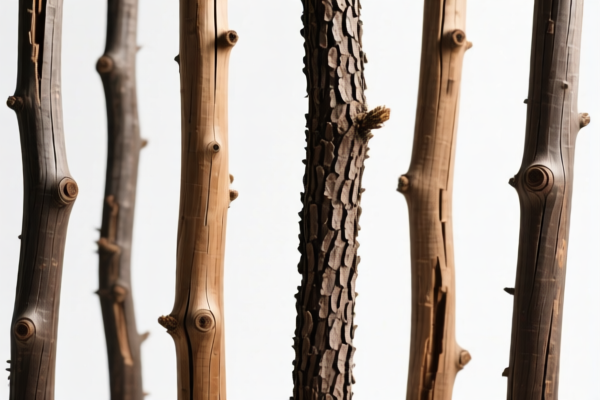
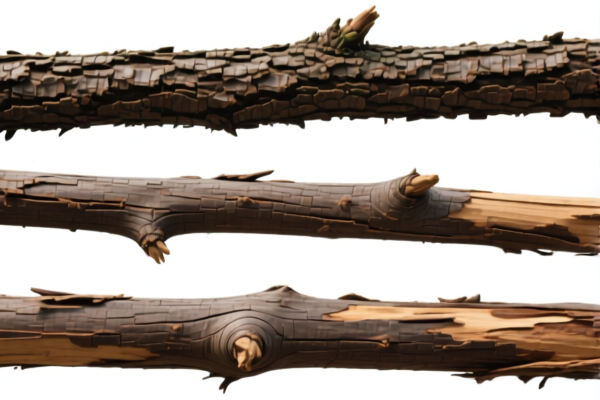
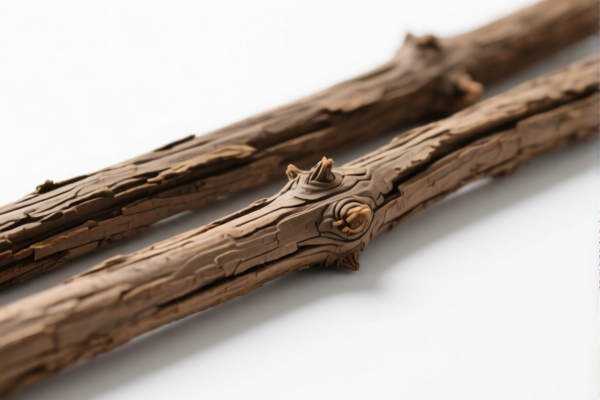
AI Analysis
🪵 Rough Non-Coniferous Wood Material (Sawn Wood, Poles, Firewood)
🌐 HS Code Reference & Customs Clearance Guide | 2026 Latest Tariff Structure | Professional Clearance Strategy
📌 I. Product Definition & Classification: What Exactly is "Rough Non-Coniferous Wood"?
Rough Non-Coniferous Wood refers to wood derived from deciduous trees (hardwoods) that has been shaped or processed but retains a "rough" or primary state. It is distinct from softwoods (conifers like pine/spruce) which have different HS classifications. In international trade, this category is broadly split into three main functional groups based on processing level and end-use:
- Sawn Wood for Construction (
4407): Planed, sanded, or finger-joined wood used for building structures, flooring, or furniture. - Wood Poles, Posts, & Stakes (
4403,4404): Treated or untreated timber used for fencing, landscaping, or utility poles. - Raw/Fuel Wood (
4401): Primary forms like logs or wood chips destined for combustion or further industrial processing.
⚠️ Key Distinction Point:
- If the wood is sawn longitudinally (lengthwise) and used for construction/building purposes → It falls under Chapter 4407.
- If the wood is cut into rounds/stakes primarily for fencing or structural support (like piles) → It falls under Chapter 4403 or 4404.
- If the wood is in primary form (logs, chips) for fuel or pulp → It falls under Chapter 4401.
- All items below are subject to strict US tariffs due to US-China trade policies.
📦 II. HS Code Classification Details (2026 Latest Tariff Authority Cross-Reference)
Based on the provided data, here is the precise breakdown for Non-Coniferous Wood:
| HS Code | Product Description | Application Scenario | Tariff Category |
|---|---|---|---|
4407.99.02.95 |
Other Sawn Wood for Building (Non-Coniferous) | General construction lumber, structural beams, decking | 🏗️ Construction Lumber |
4407.99.02.42 |
Sawn Wood for Building (Non-Coniferous) – Pecan/Nut Wood | Specialty hardwoods (e.g., Hickory/Pecan) for high-end furniture or flooring | 🌰 Specialty Hardwood |
4404.20.00.40 |
Non-Coniferous Wood Stakes (Fence Stakes) | Garden fencing, landscape edging, temporary barriers | 🌿 Fencing/Landscaping |
4403.99.01.28 |
Non-Coniferous Wood Stakes (Logs, Poles, Posts) | Utility poles, deep foundation piles, heavy-duty support structures | 🏗️ Heavy Duty Poles |
4404.20.00.80 |
Non-Coniferous Wood Stakes (Poles, Posts, Stakes) | General purpose wooden stakes, garden support, structural posts | 🏗️ General Stakes |
4401.12.00.00 |
Non-Coniferous Wood (Primary Form/Fuel Wood) | Firewood, wood chips, raw logs for biomass or pulp | 🔥 Fuel/Raw Material |
🔍 Important Reminder:
- All these HS codes share the SAME tariff structure: 0% Base + 25% Section 301 + 10% Section 122 = 35% Total.
- There is no preferential tariff for these specific wood categories from China to the US.
- Misclassification between "Sawn Wood" (4407) and "Wood Stakes" (4403/4404) is common but critical for correct inspection protocols.
💰 III. 2026 Latest Tariff Rate Details (Including Surcharges & Policy Add-ons)
✅ Applicable Country: United States (US)
✅ Origin: China (CN)
✅ Effective Time: Ongoing (as per 2025/2026 trade rules)
🎯 1. General Rate for All Listed HS Codes (4407.99.02.95, 4407.99.02.42, 4404.20.00.40, etc.)
| Item | Content |
|---|---|
| Base Tariff Rate | 0% (Ad Valorem) |
| Section 301 Surcharge (USITC) | +25% (List 3/4A - Wood Products) |
| Section 122 Tariff | +10% (Bilateral trade measure) |
| Total Tariff Rate | 35% |
| Tax Calculation | CIF Value × 35% |
| De Minimis Exemption | ❌ NOT Available (deny_de_minimis) |
| Legal Basis Path | USITC:Section301 → Section122 → HS Code Specific Footnote |
📌 Explanation:
- The 25% surcharge is applied under Section 301 of the Trade Act of 1974, targeting specific Chinese imports including sawn wood and wood products.
- The 10% additional tariff is imposed under Section 122 (or similar bilateral provisions) for certain Chinese-origin goods.
- Total Cost Impact: For every $10,000 worth of wood imported, $3,500 is paid in duties alone.
- No De Minimis Benefit: Unlike small parcels, commercial shipments of wood are strictly monitored and taxed at full rate.
🛠️ IV. Customs Clearance Practical Advice (Combat Pitfalls Guide)
✅ 1. Document Preparation Checklist (Non-Negotiable)
| Document | Mandatory? | Notes |
|---|---|---|
| ✅ Phytosanitary Certificate | ✔️ Yes | Issued by origin country’s plant protection agency. CRITICAL for wood to prevent pest quarantine. |
| ✅ Commercial Invoice | ✔️ Yes | Must clearly state: "Non-Coniferous Wood," HS Code, CIF value, and country of origin. |
| ✅ Packing List | ✔️ Yes | Detail weight, dimensions, and packaging type (palletized, bundled). |
| ✅ ISPM 15 Mark | ✔️ Yes | If wood is used for packaging (pallets/crates), it MUST bear the ISPM 15 heat treatment/methyl bromide mark. |
| ✅ Bill of Lading/Air Waybill | ✔️ Yes | Standard transport document. |
| ✅ Import License/Permit | ⚠️ Check | Some hardwoods (e.g., Walnut, Pecan) may require CITES documentation if endangered species. |
🚨 Warning:
- No Phytosanitary Certificate = Immediate Rejection/Return of shipment.
- Missing ISPM 15 Mark on packaging = Fumigation at Port (Costly Delay).
✅ 2. Declaration Tips (Critical Keywords)
🔥 "Wood is Organic, Declare Precisely!"
| Scenario | Correct Declaration | Error to Avoid |
|---|---|---|
| Sawn Lumber for Building | 4407.99.02.95 – "Sawn Wood, Non-Coniferous, for Construction" |
Vague: "Wood Planks" → Leads to higher scrutiny or misclassification. |
| Pecan/Hickory Wood | 4407.99.02.42 – "Sawn Wood, Non-Coniferous, Pecan/Nut Wood" |
Vague: "Hardwood" → Must specify species if special code applies. |
| Fence Stakes | 4404.20.00.40 – "Wood Stakes, Non-Coniferous, Fence Type" |
Vague: "Poles" → Could be confused with 4403 (heavy duty). |
| Wooden Piles/Posts | 4403.99.01.28 – "Wood Posts, Non-Coniferous, for Construction/Piling" |
Vague: "Logs" → Could be 4401 (fuel) if not clear on use. |
| Firewood/Raw Logs | 4401.12.00.00 – "Wood Chips/Logs, Non-Coniferous, Primary Form" |
Vague: "Timber" → If intended for fuel, declare as such to avoid construction scrutiny. |
✅ 3. Special Handling & Risk Management
| Situation | Handling Advice |
|---|---|
| Endangered Species (CITES) | If wood is from protected trees (e.g., certain Walnut species), provide CITES Permit. Failure → Confiscation. |
| Wood Packaging (Pallets) | Ensure ISPM 15 stamp is visible. If missing, expect fumigation or destruction. |
| High Moisture Content | Declare actual moisture content. If >20%, may require additional drying certification to prevent mold during transit. |
| Mixed Shipments | If container has both Coniferous and Non-Coniferous wood, declare separately. Mixing codes can trigger full-container inspection. |
| Value Declaration | Be accurate. Undervaluation → Penalties + Audit. Overvaluation → Higher Tariff (35% of inflated value). |
🌍 V. Global Customs Comparison (2026 Overview)
| Country/Region | HS Code Focus | Tariff Rate (China Origin) | Key Requirement |
|---|---|---|---|
| 🇺🇸 United States | 4407, 4403, 4404, 4401 |
35% (Total) | Phytosanitary Cert, ISPM 15, 301 Duty |
| 🇨🇳 China | 4407 etc. |
~5-10% | CITES (if applicable), Quality Inspection |
| 🇪🇺 EU | 4407 etc. |
0% (Most Favored Nation) | Fumigation Certificate (EPPO standard) |
| 🇯🇵 Japan | 4407 etc. |
~5-10% | Phytosanitary Cert, Wood Pest Inspection |
| 🇦🇺 Australia | 4407 etc. |
~5-5% | Strict Biosecurity (BAU Inspection) |
📌 Conclusion:
- USA has the highest tariff burden (35%) for non-coniferous wood from China.
- Biosecurity (Phytosanitary/ISPM 15) is the #1 risk factor globally for wood products.
- Documentation Accuracy is more critical than in other sectors due to agricultural risks.
📌 VI. Common Errors & Pitfalls (Lessons Learned)
❌ Error 1: Using generic term "Wood Lumber" instead of specifying "Non-Coniferous"
👉 Result: Customs may classify under a higher-duty or restricted category → Delays & Fines.
❌ Error 2: Forgetting Phytosanitary Certificate
👉 Result: Shipment Rejected/Destroyed at port. Total Loss.
❌ Error 3: Misdeclaring "Construction Wood" as "Fuel Wood" to avoid inspection
👉 Result: Smuggling Investigation if found. Heavy Penalties.
❌ Error 4: Not marking ISPM 15 on pallets
👉 Result: Fumigation charges ($500–$2000+) or removal of pallets at your cost.
✅ Correct Practice:
"Sawn Hardwood (Non-Coniferous), For Construction Use, HS 4407.99.02.95, Phytosanitary Cert No. XXX, ISPM 15 Certified Pallets"
🎯 VII. Conclusion: Precision Saves Money & Time
🎯 Remember the Motto:
🔹 "Wood Needs Cert, Tariff is 35%, Declare Species, Avoid the Mess!"
🔹 "No Phytosanitary = No Entry. No ISPM 15 = Extra Fee."
📌 Pro Tip:
- For high-value specialty woods (like Pecan/Hickory 4407.99.02.42), ensure species verification documents are ready.
- Consider pre-clearance services or bonded warehouses in the US to manage cash flow for the 35% duty.
- Always check CITES lists before shipping any non-coniferous hardwood.
📣 Immediate Action:
📞 Consult a Licensed Customs Broker
📄 Prepare Phytosanitary + ISPM 15
🚀 Ensure Accurate HS Code Classification
💰 Budget for 35% Duty + Logistics
✨ Professional Clearance, From Accurate Declaration!
💼 Every Piece of Wood Matters – Handle with Care!
Customer Reviews
About HS Code Classification
The Harmonized System (HS) is an internationally standardized nomenclature developed by the World Customs Organization (WCO) to classify traded products. Over 200 countries use the HS system as the basis for customs tariffs, trade statistics, and import/export regulations.
Each HS code follows a hierarchical structure:
- Chapter (2 digits) — Broad category of goods (e.g., Chapter 84: Machinery and Mechanical Appliances)
- Heading (4 digits) — More specific grouping within the chapter
- Subheading (6 digits) — Internationally standardized breakdown, used by all WCO member countries
- National subdivisions (8-10 digits) — Country-specific extensions for further classification, such as US HTSUS 10-digit codes
Correct HS code classification is essential for smooth customs clearance, accurate duty payment, and compliance with trade regulations. Misclassification can lead to customs delays, overpayment of duties, or penalties.
When importing from CN to US, the applicable tariff rates may include:
- Most-Favored-Nation (MFN) rate — The standard duty rate applied to WTO members
- General rate — Applied to countries without trade agreements
- Trade remedy duties — Additional tariffs such as Section 301 (anti-dumping), Section 232 (national security), or countervailing duties
The information provided on this page is for reference purposes only. For official classification, please consult with your local customs authority or a licensed customs broker.