Rough Oak Square
CN → US| HS Code | Tariff Rate | Origin | Destination | Doc |
|---|---|---|---|---|
| 4407910022 | 35.0% | CN | US | Official Doc |
| 4407910063 | 35.0% | CN | US | Official Doc |
| 4403910040 | 35.0% | CN | US | Official Doc |
| 4403910020 | 35.0% | CN | US | Official Doc |
| 4407960011 | 35.0% | CN | US | Official Doc |
Product Images
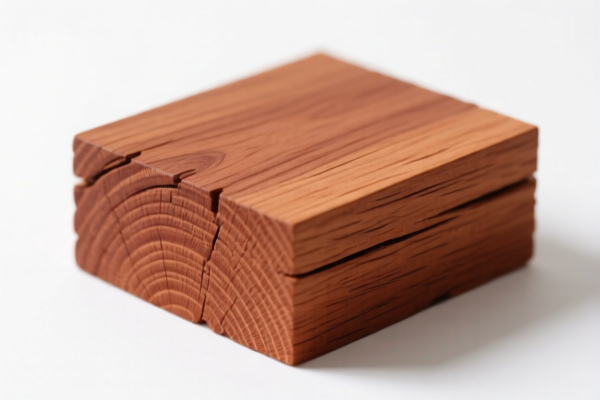
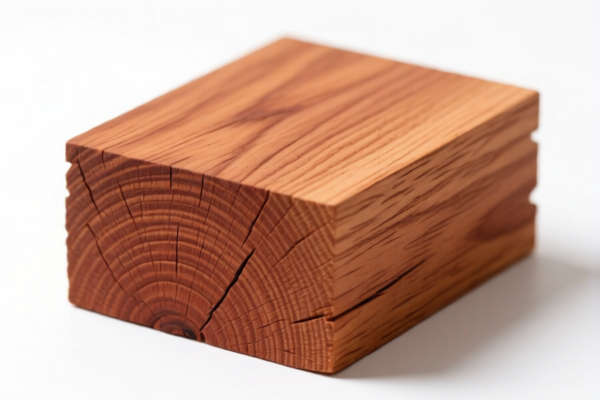
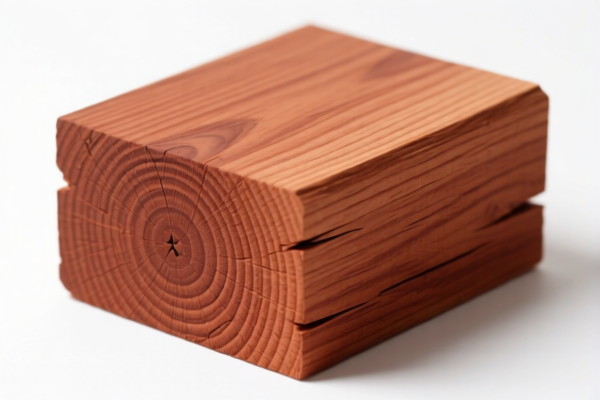
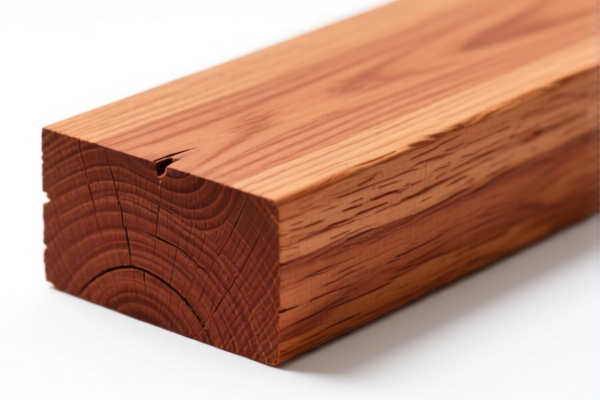
AI Analysis
🌳 Rough Oak Square: Timber & Lumber Classification Guide (USA Import)
🌐 HS Code Reference & Customs Clearance Strategy | 2026 Latest Tariff Analysis | Professional Clearance Protocol
📌 I. Product Definition & Classification: What is "Rough Oak Square"?
"Rough Oak Square" refers to wood products derived from Oak trees, processed into square or rectangular cross-sections ("squares"). In international trade, the classification depends strictly on the degree of processing and the specific Oak variety (Red vs. Other).
The Two Main Categories:
1. Raw Logs/Logs in the Rough (4403): Wood that has been merely debarked, rough-sawn, or roughly squared for transport. It is the primary form of timber.
2. Sawn Wood of Less Than 6mm (4407): Wood that has been planed, sanded, or further processed longitudinally, but remains relatively thin or is a specific sub-category of sawn wood.
⚠️ Critical Distinction Point:
- If the wood is roughly sawn, rough-squared, or in the log stage → It falls under Chapter 4403. - If the wood is thoroughly sawn, planed, or specified as "sawn wood" (especially if categorized under specific sub-headings for "squared" timber that implies further processing than just rough-hewing) → It may fall under Chapter 4407. - Note on Oak Types: The data distinguishes between "Red Oak" (Red Oak) and "Other Oak" (White Oak/Other).
📦 II. HS Code Classification Matrix (2026 Latest Tariff Authority对照)
| HS Code | Product Description | Key Characteristics | Processing State |
|---|---|---|---|
4403.91.00.40 |
Oak Timber, Roughly Sawed/Squared | Material: Oak; Form: Roughly squared/log | ✅ Raw/Rough |
4403.91.00.20 |
Oak Timber, Coarsely Sawn/Rough Square Definition | Material: Oak; Definition: Coarsely sawn | ✅ Raw/Rough |
4407.91.00.22 |
Red Oak Square, Longitudinally Sliced/Planed | Material: Red Oak; Processed: Planed/Sliced | ✅ Processed |
4407.91.00.63 |
Other Oak Square, Thickness > 6mm | Material: Other Oak; Condition: Thick (>6mm) | ✅ Processed |
4403.91.00.?? (Implied) |
General Rough Oak | If not Red/Other specific | ⚠️ Check Details |
🔍 Key Reminder:
-4403Series: These are considered "Wood in the Rough." They are less processed. The description "Rough Square" strongly aligns with4403.91.00.40and4403.91.00.20. -4407Series: These are "Sawn Wood."4407.91.00.22specifically targets Red Oak that is planed/sliced.4407.91.00.63targets Other Oak (e.g., White Oak) if it is thicker than 6mm. - Misclassification Risk: Declaring a "Rough" log as "Sawn/Planed" (4407) to avoid scrutiny is a major red flag. However, if the product is actually planed/sliced, it must go to4407.
💰 III. 2026 Tariff Rate Breakdown (Detailed Analysis)
✅ Applicable Country: United States (US)
✅ Country of Origin: China (CN) (Assumed based on tariff structure context)
✅ Effective Date: Current rates apply (2025-2026 window)
All items in your provided dataset share the identical tax structure. This is a critical efficiency point for importers.
🎯 1. 4403.91.00.40 & 4403.91.00.20 (Rough Oak Timber)
| Item | Content |
|---|---|
| Base Duty Rate | 0.0% (ad valorem) |
| Section 301 Duty (USITC) | +25.0% |
| Section 122 Duty (IEEPA) | +10.0% |
| Total Effective Duty | 35.0% |
| Tax Calculation | CIF Value × 35% |
| De Minimis Exemption | ❌ Not Applicable (Deny de minimis for these codes) |
| Legal Basis Path | USITC:4403.91.00.40 → FOOTNOTE:301 (25%) + IEEPA:122 (10%) |
📌 Explanation:
- 0% Base: Wood products often have low base tariffs. - 25% Section 301: This is the standard USITC retaliation tariff on many Chinese wood products. - 10% Section 122: This refers to the specific IEEPA (International Emergency Economic Powers Act) provisions targeting certain Chinese goods (often cited as "122 clauses" in specific customs databases). - Total 35%: This is a high tariff rate. Importers must budget significantly for this cost.
🎯 2. 4407.91.00.22 (Red Oak, Planed/Sliced)
| Item | Content |
|---|---|
| Base Duty Rate | 0.0% |
| Section 301 Duty | +25.0% |
| Section 122 Duty | +10.0% |
| Total Effective Duty | 35.0% |
| Tax Calculation | CIF Value × 35% |
| De Minimis Exemption | ❌ Not Applicable |
| Legal Basis Path | USITC:4407.91.00.22 → FOOTNOTE:301 + IEEPA:122 |
📌 Note: Even though
4407implies more processing (planing/slicing), the tariff burden remains exactly the same (35%) as the rough logs. Therefore, there is no tariff incentive to misclassify rough wood as processed wood (which risks penalties) or vice versa. Classification must be based on physical reality.
🎯 3. 4407.91.00.63 (Other Oak, >6mm)
| Item | Content |
|---|---|
| Base Duty Rate | 0.0% |
| Section 301 Duty | +25.0% |
| Section 122 Duty | +10.0% |
| Total Effective Duty | 35.0% |
| Tax Calculation | CIF Value × 35% |
| De Minimis Exemption | ❌ Not Applicable |
🛠️ IV. Customs Clearance Practical Advice (Risk Mitigation)
✅ 1. Documentation Checklist (Non-Negotiable)
| Document | Mandatory? | Purpose |
|---|---|---|
| ✅ Commercial Invoice | ✔️ | Must specify "Oak" and "Rough/Planed" status. |
| ✅ Packing List | ✔️ | Must detail dimensions to prove if it is "Rough" or "Sawn." |
| ✅ Phytosanitary Certificate | ✔️ | CRITICAL for all wood products from China. Must show fumigation. |
| ✅ Species Confirmation Letter | ✔️ | Must confirm if it is Red Oak or Other Oak (e.g., White Oak). This determines 4407.91.00.22 vs 63. |
| ✅ Processing Description | ✔️ | Explicitly state: "Roughly Sawed" (for 4403) OR "Longitudinally Planed/Sliced" (for 4407). |
✅ 2. Declaration Tips (Key Mnemonic)
🔥 “Rough = 4403, Planed = 4407. Red vs Other Matters. Tax is 35% Regardless!”
| Scenario | Correct HS Code | Risk if Wrong |
|---|---|---|
| Logs/Roughly Squared | 4403.91.00.40 or 20 |
If declared as 4407 (processed), Customs may question why no planing marks/accuracy. |
| Red Oak, Planed/Sliced | 4407.91.00.22 |
If declared as 4403 (rough), you might be under-declaring value/process, but tax is same. However, phytosanitary checks differ. |
| Other Oak (>6mm), Planed | 4407.91.00.63 |
Common for White Oak flooring/lumber. Ensure thickness is documented. |
| Birch (Wrong Species) | 4407.96.00.11 |
⚠️ Do not declare Oak as Birch. If Birch is mislabeled, it changes the code but Tax is still 35% (4407.96.00.11). However, species fraud is a serious violation. |
📌 Important: The provided data includes
4407.96.00.11for Birch. If your product is Birch, use this code. If it is Oak, do NOT use this code.
✅ 3. Special Handling
| Situation | Advice |
|---|---|
| Mixed Shipment (Oak + Birch) | Split the manifest. Do not mix species. Each has its own HS Code (Oak: 4403.91/4407.91; Birch: 4407.96). |
| Thickness Dispute | For 4407.91.00.63, thickness must be >6mm. If it is <6mm, it may fall into a different sub-category or be excluded from this specific code. |
| Phytosanitary | Ensure the wood is heat-treated (HT) or fumigated (MB). US CBP is strict on bark-free or treated wood. |
🌍 V. Global Market Comparison (2026)
| Market | Recommended HS Code (Oak) | Base Duty | US-Specific Surcharges | Total Approx. |
|---|---|---|---|---|
| 🇺🇸 USA | 4403.91 or 4407.91 |
0% | +25% (301) + 10% (122) | 35% |
| 🇨🇳 China (Export) | 4403.91 / 4407.91 |
N/A | N/A | 0% (Export duty may apply depending on local policy) |
| 🇪🇺 EU | 4403.91 / 4407.91 |
~5-10% | No US-style surcharges | ~5-10% |
| 🇨🇦 Canada | 4403.91 / 4407.91 |
0% (IFTA) | No major surcharges | ~0-5% |
📌 Conclusion:
- The 35% total duty is specific to US imports from China.
- No other major market in the list has this specific combination of Section 301 and 122 tariffs.
- Cost Impact: For a $10,000 shipment, expect $3,500 in duties alone.
📌 VI. Common Mistakes & Pitfalls (Lessons Learned)
❌ Mistake 1: Mixing Red Oak and White Oak in one line item.
👉 Consequence: If the customs officer determines it is White Oak but you declared Red Oak (4407.91.00.22), they may still apply the 35% tax, but you risk penalties for misdeclaration.
👉 Solution: Separate shipments by species if possible. If mixed, declare the "Other Oak" (4407.91.00.63) if it covers the majority, but specify the mix in the description.
❌ Mistake 2: Calling "Rough Sawn" wood "Planed" to look like higher-value goods.
👉 Consequence: While the tax is the same (35%), the inspection rate may increase. Planed wood requires proof of processing. Rough wood requires proof of treatment.
👉 Solution: Be truthful about the processing state.
❌ Mistake 3: Ignoring the Birch code (4407.96.00.11).
👉 Consequence: If you ship Birch but declare Oak, it’s species fraud. If you ship Oak and declare Birch, it’s also fraud.
👉 Solution: Verify species botanically or via supplier certificate.
🎯 VII. Conclusion: Precision in Wood Classification
🎯 Key Takeaway:
🔹 "Oak is Oak, but Red vs Other matters for Code accuracy."
🔹 "Rough = 4403, Planed = 4407."
🔹 "Tax is 35% flat for all these items from China to USA."
🔹 "Birch is a different code (4407.96), but same 35% tax!"
📌 Pro Tip:
- Always request a Phytosanitary Certificate from the Chinese exporter.
- Keep photographs of the lumber surface (rough vs. planed) to justify the HS Code choice.
- If your supplier claims "Red Oak," get a botanical specimen or certified invoice stating Quercus rubra.
📣 Immediate Action:
📞 Contact your freight forwarder with the exact HS Code (
4403.91.00.40for rough Red/Other Oak, or4407.91.00.22for planed Red Oak).
🚀 Prepare for 35% duty payment in your cash flow planning.
✨ Professional Clearance Starts with Accurate Classification!
💼 Your Wood, Your Tax, Your Rule!
Customer Reviews
About HS Code Classification
The Harmonized System (HS) is an internationally standardized nomenclature developed by the World Customs Organization (WCO) to classify traded products. Over 200 countries use the HS system as the basis for customs tariffs, trade statistics, and import/export regulations.
Each HS code follows a hierarchical structure:
- Chapter (2 digits) — Broad category of goods (e.g., Chapter 84: Machinery and Mechanical Appliances)
- Heading (4 digits) — More specific grouping within the chapter
- Subheading (6 digits) — Internationally standardized breakdown, used by all WCO member countries
- National subdivisions (8-10 digits) — Country-specific extensions for further classification, such as US HTSUS 10-digit codes
Correct HS code classification is essential for smooth customs clearance, accurate duty payment, and compliance with trade regulations. Misclassification can lead to customs delays, overpayment of duties, or penalties.
When importing from CN to US, the applicable tariff rates may include:
- Most-Favored-Nation (MFN) rate — The standard duty rate applied to WTO members
- General rate — Applied to countries without trade agreements
- Trade remedy duties — Additional tariffs such as Section 301 (anti-dumping), Section 232 (national security), or countervailing duties
The information provided on this page is for reference purposes only. For official classification, please consult with your local customs authority or a licensed customs broker.