Rough Oak Square (Furniture Grade)
CN → US| HS Code | Tariff Rate | Origin | Destination | Doc |
|---|---|---|---|---|
| 4403910040 | 35.0% | CN | US | Official Doc |
| 4403910020 | 35.0% | CN | US | Official Doc |
| 4407910022 | 35.0% | CN | US | Official Doc |
| 4409292660 | 35.0% | CN | US | Official Doc |
| 4407910063 | 35.0% | CN | US | Official Doc |
Product Images
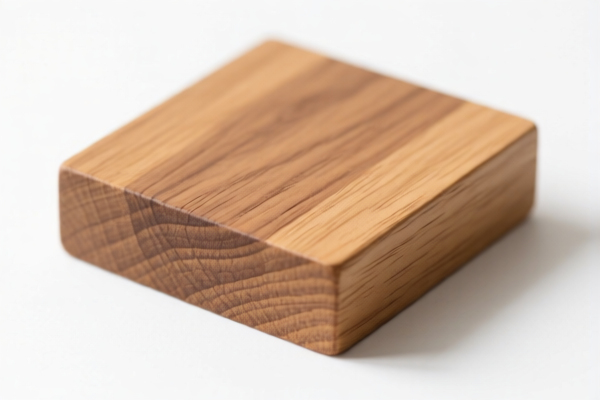
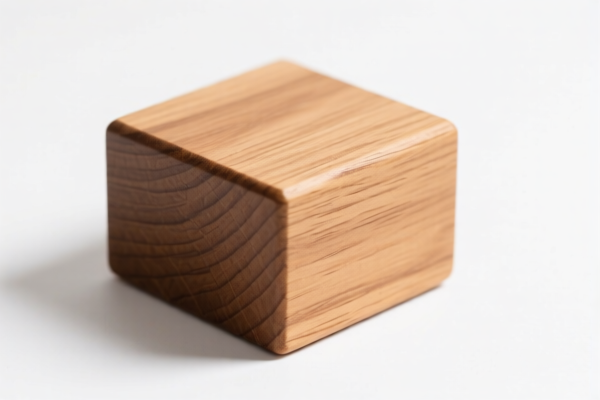
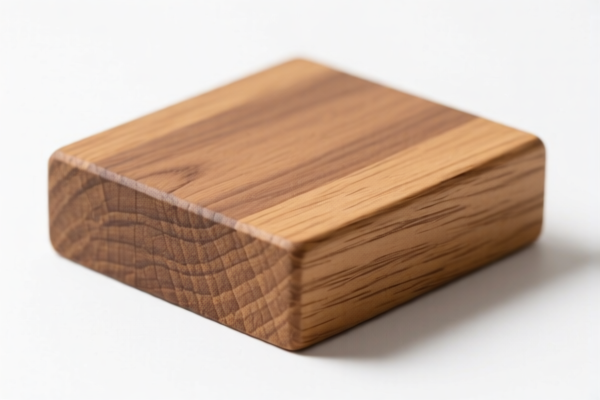
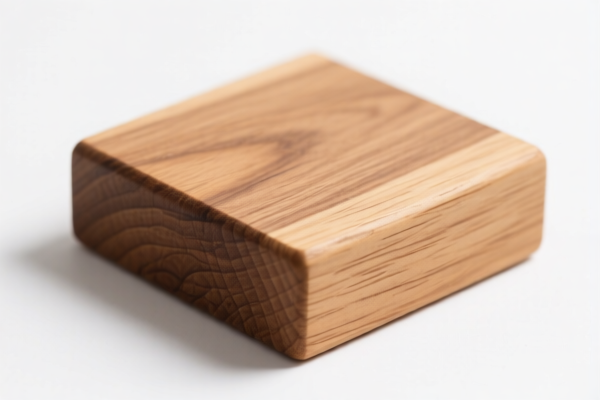
AI Analysis
🪵 Rough Oak Square (Furniture Grade Wood)
🌐 HS Code Reference & Customs Clearance Guide | 2026 Latest Tariff Analysis | Professional-Level Clearance Strategy
📌 I. Product Definition & Classification: Do You Really Understand "Rough Oak Square"?
"Rough Oak Square" refers to semi-processed wood products derived from Oak (a type of hardwood/阔叶木). In international trade, the classification depends heavily on the state of processing (roughly sawn vs. finely planed) and the specific dimensions. It generally falls into two categories:
- Primary Processing Stage (Log/Rough Sawing): Logs that have been debarked and roughly squared off but not yet processed into standard lumber dimensions. This is considered "Unprocessed Wood."
- Semi-Processed Stage (Furniture Grade/Planed): Wood that has been longitudinally sawn, planed, or shaped to specific thicknesses (usually >6mm), suitable for furniture manufacturing. This is considered "Processed Wood."
⚠️ Key Distinction Point:
- If the wood is merely "Roughly Squared" (方割/粗方木) without precise longitudinal sawing or planing → Falls under Chapter 44.03 (Wood in the Rough).
- If the wood is "Longitudinally Sawed" (纵向锯切) and meets specific thickness requirements (e.g., >6mm) for furniture parts → Falls under Chapter 44.07 or 44.09.
📦 II. HS Code Classification Details (2026 Latest Tariff Authority Comparison)
Based on the provided data, here are the specific HS Codes for Rough Oak Square:
| HS Code | Product Description | Applicable Scenario | Processing State |
|---|---|---|---|
4403.91.00.40 |
Oak, Roughly Squared (Unprocessed) | Raw material for further processing; logs roughly squared. | ✅ Unprocessed / Rough Sawing |
4403.91.00.20 |
Oak, Rough Square Wood (Red Oak Characteristics) | Primary form coarse sawn wood; fits Red Oak classification. | ✅ Unprocessed / Coarse Sawing |
4407.91.00.22 |
Oak, Square Wood (Longitudinally Sawed) | Furniture-grade semi-finished product; meets longitudinal sawing requirements. | ✅ Processed / Longitudinally Sawed |
4407.91.00.63 |
Oak, Rough Square Wood (>6mm Thickness) | Longitudinally sawed wood, thickness >6mm; other Oak classification. | ✅ Processed / Longitudinally Sawed |
4409.29.26.60 |
Oak, Rough Square Wood (Flooring Attribute) | Hardwood (Oak); shape is rough square; usage aligns with wood flooring processing. | ✅ Processed / Flooring/Finish Ready |
🔍 Critical Reminder:
-4403Codes are for unprocessed/roughly sawn wood. They are the entry point for raw logs.
-4407&4409Codes are for processed wood (sawn, planed, or shaped).
- Misclassifying a "Rough Square" log as "Furniture Grade" (4407) or vice versa can lead to significant tariff discrepancies and customs delays.
💰 III. 2026 Latest Tariff Rate Breakdown (Including Additional Taxes & Policy Surcharges)
✅ Applicable Country: United States (US)
✅ Origin: China (CN)
✅ Effective Date: Current rates apply (Note: Rates shown are consistent across all provided codes)
🎯 1. All Listed HS Codes (4403.91.00.40, 4403.91.00.20, 4407.91.00.22, 4409.29.26.60, 4407.91.00.63)
| Item | Content |
|---|---|
| Base Tariff Rate | 0.0% (ad valorem) |
| Section 301 Tariff | +25.0% (Additional Tariff) |
| Section 122 Tariff | +10.0% (Additional Tariff) |
| Total Tariff Rate | 35.0% |
| Tax Calculation | CIF Value × 35% |
| De Minimis Exemption | ❌ Not Applicable (Deny De Minimis) |
| Legal Basis Path | Section 301 → Section 122 → USITC:4403/4407/4409 Codes |
📌 Explanation:
- "Base Tariff 0%": Wood products generally have a low base tariff under the Harmonized Tariff Schedule (HTS).
- "Section 301 Tariff 25%": This is the well-known additional tariff imposed on Chinese goods under the Trade Act of 1974, Section 301.
- "Section 122 Tariff 10%": This refers to the additional tariff imposed under Section 122 of the Trade Act of 1974 (often used for national security or balance of payments reasons, specifically applied here to Chinese wood products).
- Total 35%: This is a very high effective tariff. Even though the base is 0%, the additional duties make the cost of importing rough oak square significant.
🛠️ IV. Customs Clearance Practical Advice (Real-World Pitfall Avoidance Guide)
✅ 1. Documentation Checklist (None Missing)
| Document | Must Provide | Explanation |
|---|---|---|
| ✅ Product Specification Sheet | ✔️ | Must specify: Wood Type (Oak/Red Oak), Processing State (Rough/Longitudinally Sawed), Dimensions, Moisture Content. |
| ✅ Photographs | ✔️ | Clear photos of the wood surface showing grain, shape (roughly squared vs. planed), and any branding. |
| ✅ Commercial Invoice | ✔️ | Must clearly state: "Rough Oak Square" or "Oak Lumber, Furniture Grade" and match the HS Code description. |
| ✅ Packing List | ✔️ | Detailing quantity, weight, and packaging type (e.g., palletized, stacked). |
| ✅ Phytosanitary Certificate | ✔️ | Crucial for wood products. Must confirm no pests/diseases, compliant with ISPM 15 standards. |
| ✅ Fumigation Certificate | ✔️ | Proof of treatment if required by destination country regulations. |
✅ 2. Declaration Tips (Key Mantra)
🔥 "Shape Determines Code, Process Defines Tax, 'Rough' vs 'Sawed' Matters!"
| Scenario | Correct Declaration | Wrong Approach |
|---|---|---|
| Raw Logs Roughly Squared | 4403.91.00.40 or 4403.91.00.20 |
Misclassifying as 4407 → Potential penalty for incorrect classification. |
| Planed/Sawn for Furniture | 4407.91.00.22 or 4407.91.00.63 |
Declaring as 4403 → Under-declaring processing level. |
| Flooring Grade Rough Square | 4409.29.26.60 |
Misclassifying as general lumber → Misses specific flooring attributes. |
| Mixed Shipments | Split Declaration | Mixing 4403 and 4407 in one line item → Customs rejection. |
✅ 3. Special Handling Cases
| Case | Handling Advice |
|---|---|
| Red Oak vs. White Oak | Ensure the invoice specifies "Red Oak" if using 4403.91.00.20 (which mentions Red Oak characteristics). Other oaks may fall under different subheadings. |
| Moisture Content | High moisture content may require additional phytosanitary checks. Declare moisture percentage to avoid rejection. |
| Treated Wood | If wood is pressure-treated or chemically treated, provide safety data sheets (SDS) to avoid hazardous material flags. |
| Pre-Ruling Request | Given the high tariff (35%), consider applying for an Advance Ruling from CBP to confirm the correct HS Code and tariff applicability before shipment. |
🌍 V. Global Market Comparison (2026 Latest)
| Country/Region | Recommended HS Code | Tariff (China Origin) | Certification Requirements | Notes |
|---|---|---|---|---|
| 🇺🇸 USA | 4403.91.00.40 etc. |
35% (0% + 25% + 10%) | ISPM 15 Phytosanitary | High additional tariffs. |
| 🇨🇳 China | 4403.91.00.40 etc. |
Varies (Import Duty) | CCC (if applicable) | No Section 301/122 tariffs. |
| 🇪🇺 EU | 4403.91.00 etc. |
0% - 3% (FLEGT) | FLEGT License / EUTR Compliance | Strict deforestation regulations. |
| 🇯🇵 Japan | 4403.91.00 etc. |
3% - 5% | Phytosanitary Certificate | Standard import duties apply. |
📌 Conclusion:
- USA imposes the highest effective tariff (35%) on Chinese rough oak square due to multiple additional duties.
- Phytosanitary compliance is critical globally to prevent shipment rejection.
- Accurate classification between "Rough" (4403) and "Processed" (4407/4409) is essential to avoid customs penalties.
📌 VI. Common Mistakes & Pitfall Guide (Blood & Tears Lessons)
❌ Mistake 1: Classifying "Roughly Squared Logs" as "Furniture Grade Lumber" (4407)
👉 Consequence: Customs may reject for misclassification, or apply different regulatory requirements for processed wood.
❌ Mistake 2: Ignoring Section 122 Tariff (10%)
👉 Consequence: Unexpected costs. The total tariff is not just 25% (Section 301), but 35% (25% + 10%).
❌ Mistake 3: Missing Phytosanitary Certificate
👉 Consequence: Shipment held or destroyed due to pest risk.
❌ Mistake 4: Vague Description on Invoice ("Wood")
👉 Consequence: Customs delays for clarification, potential penalties for insufficient data.
✅ Correct Approach:
"Rough Oak Square, Red Oak, Longitudinally Sawed, Furniture Grade, Phytosanitary Certificate Attached, ISPM 15 Compliant"
🎯 VII. Conclusion: Professional Declaration, Time-Saving, Cost-Efficient!
🎯 Remember the Mantra:
🔹 "Rough vs. Sawn Dictates Code, 35% Total Tax is the Reality, Phytosanitary is the Key!"
🔹 "HS Code Determines Destiny, Tariff Difference is 35 Points, Declaration Error Costs Thousands!"
📌 Pro Tip:
Given the 35% total tariff, consider:
1. Advance Ruling: Secure pre-approval from CBP on the HS Code.
2. Supply Chain Optimization: Evaluate if sourcing from non-Chinese origins (e.g., North American Oak) can bypass the 35% tariff.
3. Professional Broker: Engage a licensed customs broker with expertise in wood products to ensure accurate classification and documentation.
📣 Immediate Action:
📞 Contact a Professional Customs Broker + Provide Product Photos + Apply for HS Code Advance Ruling
🚀 Ensure Smooth Clearance, Efficient Export, and Cost Control!
✨ Professional Clearance Starts with Accurate Classification!
💼 Every Cent of Cost Deserves Precise Calculation!
Customer Reviews
About HS Code Classification
The Harmonized System (HS) is an internationally standardized nomenclature developed by the World Customs Organization (WCO) to classify traded products. Over 200 countries use the HS system as the basis for customs tariffs, trade statistics, and import/export regulations.
Each HS code follows a hierarchical structure:
- Chapter (2 digits) — Broad category of goods (e.g., Chapter 84: Machinery and Mechanical Appliances)
- Heading (4 digits) — More specific grouping within the chapter
- Subheading (6 digits) — Internationally standardized breakdown, used by all WCO member countries
- National subdivisions (8-10 digits) — Country-specific extensions for further classification, such as US HTSUS 10-digit codes
Correct HS code classification is essential for smooth customs clearance, accurate duty payment, and compliance with trade regulations. Misclassification can lead to customs delays, overpayment of duties, or penalties.
When importing from CN to US, the applicable tariff rates may include:
- Most-Favored-Nation (MFN) rate — The standard duty rate applied to WTO members
- General rate — Applied to countries without trade agreements
- Trade remedy duties — Additional tariffs such as Section 301 (anti-dumping), Section 232 (national security), or countervailing duties
The information provided on this page is for reference purposes only. For official classification, please consult with your local customs authority or a licensed customs broker.