Rough Oak Wood for Barrel Making
CN → US| HS Code | Tariff Rate | Origin | Destination | Doc |
|---|---|---|---|---|
| 4407910022 | 35.0% | CN | US | Official Doc |
| 4407910063 | 35.0% | CN | US | Official Doc |
Product Images
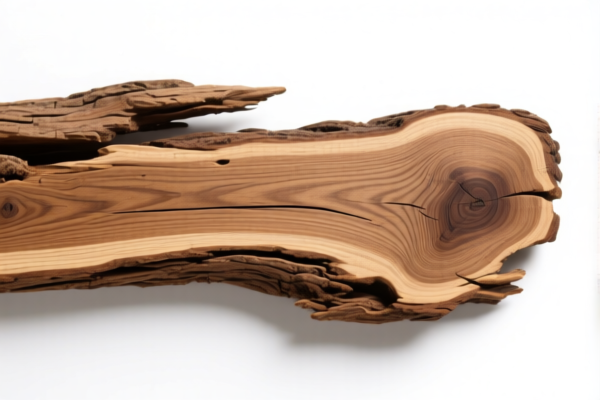
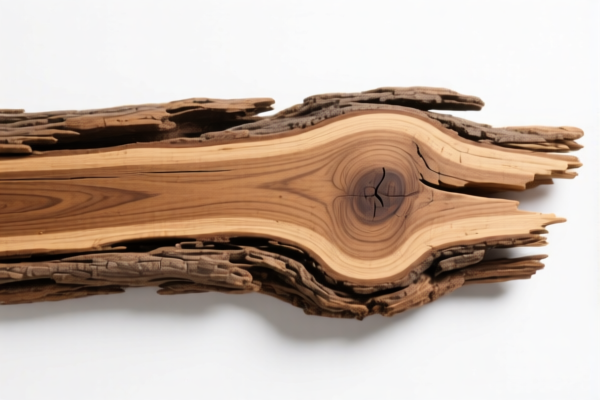
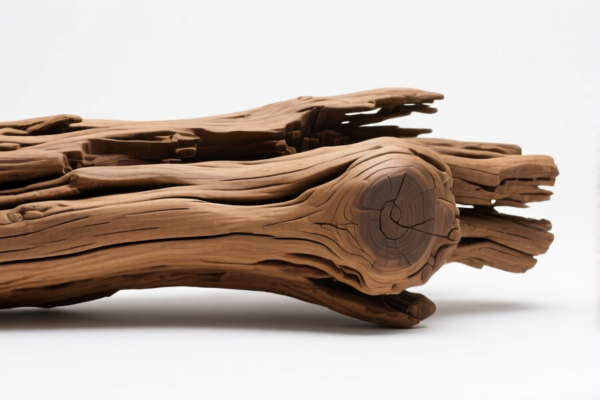
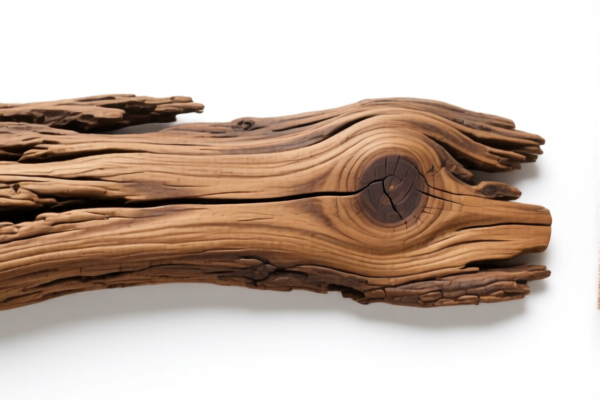
AI Analysis
🪵 Rough Oak Wood for Barrel Making (Red Oak & General Oak)
🌐 HS Code Reference & Customs Clearance Guide | 2026 Latest Tariff Analysis | Professional Compliance Strategy
📌 I. Product Definition & Classification: Understanding "Rough Oak Lumber"
Rough Oak Wood, specifically intended for barrel making, refers to wood that has been sawn, chipped, sliced, or peeled lengthwise. It is a semi-processed product with a thickness exceeding 6 mm. In international trade, the classification hinges on two critical factors:
1. Species: Is it Red Oak (Quercus rubra etc.) or Other Oak?
2. Processing State: It is "sawn or chipped lengthwise," whether or not planed, sanded, or end-jointed.
⚠️ Key Distinction Point:
- If the wood is Red Oak → It falls under specific subheading 4407.91.00.22.
- If the wood is Other Oak (White Oak, European Oak, etc.) → It falls under general subheading 4407.91.00.63.
- Thickness Constraint: Must be > 6mm. If ≤ 6mm, it may be classified differently (e.g., as wood veneers or chips).
- Barrel Making: While the end-use is barrel making, the HS code is determined by the physical state and species, not the final product (barrels).
📦 II. HS Code Classification Details (2026 Latest Tariff Authority Comparison)
| HS Code | Product Description | Applicable Scenario | Tax Rate (Total) |
|---|---|---|---|
4407.91.00.22 |
Red Oak (Quercus spp.), sawn/chipped lengthwise, thickness > 6mm | Red oak planks/limbs for wine/whiskey barrels | 25.0% |
4407.91.00.63 |
Other Oak (Quercus spp.), sawn/chipped lengthwise, thickness > 6mm | White oak, European oak, or mixed oak logs/planks | 25.0% |
🔍 Key Reminder:
- Both categories fall under Chapter 44: Wood and Articles of Wood.
- The primary differentiator is the Oak Species.
- Red Oak is often preferred for certain barrel types due to its porosity, while White Oak is traditional for whiskey/wine due to tight grain. However, both are subject to the same 25% total tariff in this context.
💰 III. 2026 Latest Tariff Rate Details (Including Surtax & Policy Add-ons)
✅ Applicable Country: United States (US)
✅ Origin: China (CN)
✅ Effective Time: 2025/2026 (As per current trade policies)
🎯 1. 4407.91.00.22 —— Red Oak (Quercus spp.)
| Item | Content |
|---|---|
| Base Tariff | 0.0% (Ad valorem) |
| Additional Tariff (Section 301) | +25.0% |
| Total Tax Rate | 25.0% |
| Tax Calculation | CIF Value × 25% |
| De Minimis Exemption | ❌ Not Applicable (Deny De Minimis for Section 301 goods from China) |
| Legal Basis Path | USITC:4407.91.00.22 → FOOTNOTE:Section 301 |
📌 Explanation:
- The Base Tariff of 0% reflects the standard Most Favored Nation (MFN) rate for wood products.
- The Additional Tariff of 25% is imposed under Section 301 of the Trade Act of 1974, targeting specific Chinese wood products.
- Total Effective Rate: 25%. This is a high-cost item for importers.
🎯 2. 4407.91.00.63 —— Other Oak (Quercus spp.)
| Item | Content |
|---|---|
| Base Tariff | 0.0% (Ad valorem) |
| Additional Tariff (Section 301) | +25.0% |
| Total Tax Rate | 25.0% |
| Tax Calculation | CIF Value × 25% |
| De Minimis Exemption | ❌ Not Applicable (Deny De Minimis for Section 301 goods from China) |
| Legal Basis Path | USITC:4407.91.00.63 → FOOTNOTE:Section 301 |
📌 Note:
- Identical tariff structure to Red Oak.
- Whether you import White Oak or European Oak (if originating from China), the 25% surcharge applies equally.
🛠️ IV. Customs Clearance Practical Advice (Avoiding Pitfalls)
✅ 1. Required Documentation Checklist (Non-Negotiable)
| Document | Must Provide | Description |
|---|---|---|
| ✅ Commercial Invoice | ✔️ | Must clearly state "Rough Oak Wood," species (Red/White), thickness (>6mm), and HS Code. |
| ✅ Packing List | ✔️ | Detail weight, dimensions, and number of bundles/planks. |
| ✅ Phytosanitary Certificate | ✔️ | CRITICAL: Issued by the country of origin. Must confirm wood is free from pests/diseases (ISPM 15 standard). |
| ✅ Fumigation Certificate | ✔️ | Proof of treatment if required by origin country. |
| ✅ Certificate of Origin | ✔️ | To verify origin (China) and apply correct tariffs. |
| ✅ Product Specification | ✔️ | Include moisture content, grade, and cut type (sawn/peeled). |
✅ 2. Declaration Tips (Key Mnemonics)
🔥 "Species Matters, Thickness Checks, Phytosanitary is Key!"
| Scenario | Correct Declaration | Wrong Action |
|---|---|---|
| Red Oak | HS 4407.91.00.22 |
Mislabeling as "Other Oak" → Risk of penalty. |
| White Oak | HS 4407.91.00.63 |
Mislabeling as "Red Oak" → Inaccurate data. |
| Thickness ≤ 6mm | Not 4407 | Declaring as 4407 → Rejection/Recalification. |
| No Phytosanitary Cert | ❌ Blocked | Attempting clearance without it → Seizure. |
| Barrel Finished | HS 4421 | Declaring as "Wood" → Wrong chapter. |
✅ 3. Special Circumstances Handling
| Scenario | Handling Advice |
|---|---|
| End-Jointed Boards | Still classified under 4407 if thickness > 6mm and species is oak. |
| Planed/Sanded | Still 4407 if the description matches "whether or not planed, sanded." |
| Origin Non-China | If from EU, Canada, etc., 0% Additional Tariff may apply. Verify FTAs. |
| Small Samples | No De Minimis Exemption for Section 301 goods. Full 25% applies even for small shipments. |
🌍 V. Global Market Customs Comparison (2026 Latest)
| Country/Region | Recommended HS Code | Tariff (China Origin) | Certification Required | Notes |
|---|---|---|---|---|
| 🇺🇸 United States | 4407.91.00.22 / .63 |
25.0% (Total) | Phytosanitary + ISPM 15 | High tariff impact; check for exemptions. |
| 🇨🇳 China | 4407.91.00.22 / .63 |
Varies (Import Duty) | Phytosanitary | Domestic trade not applicable here. |
| 🇪🇺 European Union | 4407.91 |
0% (If GSP/FTA applies) | Phytosanitary + EUDR Compliance | New EU Deforestation Regulation (EUDR) requires traceability. |
| 🇬🇧 United Kingdom | 4407.91 |
0% (Post-Brexit) | Phytosanitary | Similar to EU. |
| 🇯🇵 Japan | 4407.91 |
0% (CPTPP) | Phytosanitary | Low tariff if origin eligible. |
📌 Conclusion:
- US Importers face a 25% tariff burden.
- EU/UK importers must comply with EUDR (Deforestation Regulation), requiring GPS coordinates of the forest plot.
- No tariff advantage between Red Oak and Other Oak in the US context; both are taxed equally.
📌 VI. Common Mistakes & Pitfall Guide (Lessons Learned)
❌ Mistake 1: Declaring "Barrel Staves" as "Finished Barrels"
👉 Consequence: Wrong HS Code (4421 vs 4407) → Penalties + Delays.
👉 Correction: Declare based on raw material state (sawn wood), not end-use.
❌ Mistake 2: Ignoring Phytosanitary Certificate
👉 Consequence: Shipment Rejected/Destroyed at port.
👉 Correction: Always ensure ISPM 15 marking and valid phytosanitary cert.
❌ Mistake 3: Misclassifying Species
👉 Consequence: If Red Oak is declared as "Other Oak," it may seem minor, but accurate description is required for legal compliance.
👉 Correction: Provide scientific name (Quercus rubra vs Quercus alba).
❌ Mistake 4: Assuming De Minimis Applies
👉 Consequence: Small shipments (<$800) still subject to 25% tariff from China.
👉 Correction: Budget for tariffs regardless of shipment size.
✅ Correct Practice:
"Rough Red Oak Lumber, Sawn, Thickness 8mm, for Barrel Making, Origin: China, Phytosanitary Cert Attached"
🎯 VII. Conclusion: Professional Clearance, Cost Control, Efficiency!
🎯 Remember the Mnemonic:
🔹 "Species First, Thickness Check, Phytosanitary Key."
🔹 "Red or Other Oak, 25% Tax Shake. No De Minimis, Costs Don't Break."
📌 Pro Tip:
If your oak wood originates from non-China countries (e.g., France, USA, Canada), check for Free Trade Agreements (FTAs) or GSP status to reduce tariffs to 0%.
For US imports, consider Advance Rulings to confirm HS Code classification before shipment.
📣 Immediate Action:
📞 Contact a licensed customs broker + Provide Product Photos + Verify Phytosanitary Status
🚀 Ensure your Rough Oak Wood clears customs smoothly, legally, and cost-effectively!
✨ Professional Clearance Starts with Precise Classification!
💼 Every Dollar of Tariff is Worth Saving with the Right HS Code!
Customer Reviews
About HS Code Classification
The Harmonized System (HS) is an internationally standardized nomenclature developed by the World Customs Organization (WCO) to classify traded products. Over 200 countries use the HS system as the basis for customs tariffs, trade statistics, and import/export regulations.
Each HS code follows a hierarchical structure:
- Chapter (2 digits) — Broad category of goods (e.g., Chapter 84: Machinery and Mechanical Appliances)
- Heading (4 digits) — More specific grouping within the chapter
- Subheading (6 digits) — Internationally standardized breakdown, used by all WCO member countries
- National subdivisions (8-10 digits) — Country-specific extensions for further classification, such as US HTSUS 10-digit codes
Correct HS code classification is essential for smooth customs clearance, accurate duty payment, and compliance with trade regulations. Misclassification can lead to customs delays, overpayment of duties, or penalties.
When importing from CN to US, the applicable tariff rates may include:
- Most-Favored-Nation (MFN) rate — The standard duty rate applied to WTO members
- General rate — Applied to countries without trade agreements
- Trade remedy duties — Additional tariffs such as Section 301 (anti-dumping), Section 232 (national security), or countervailing duties
The information provided on this page is for reference purposes only. For official classification, please consult with your local customs authority or a licensed customs broker.