Rough Oak for Shipbuilding
CN → US| HS Code | Tariff Rate | Origin | Destination | Doc |
|---|---|---|---|---|
| 4407910022 | 35.0% | CN | US | Official Doc |
| 4403910040 | 35.0% | CN | US | Official Doc |
| 4403910020 | 35.0% | CN | US | Official Doc |
| 4407910063 | 35.0% | CN | US | Official Doc |
Product Images
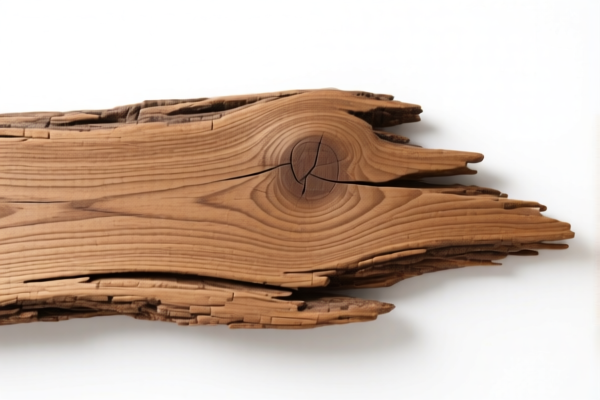
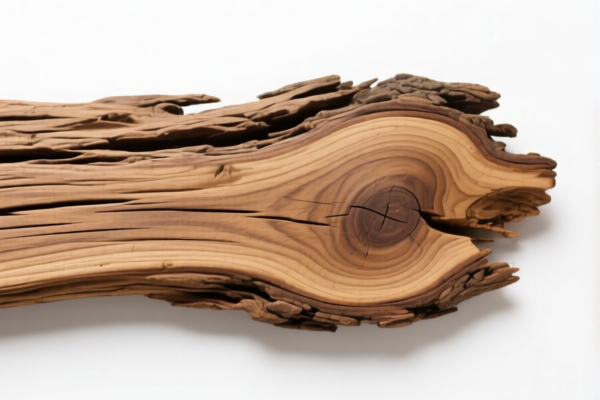
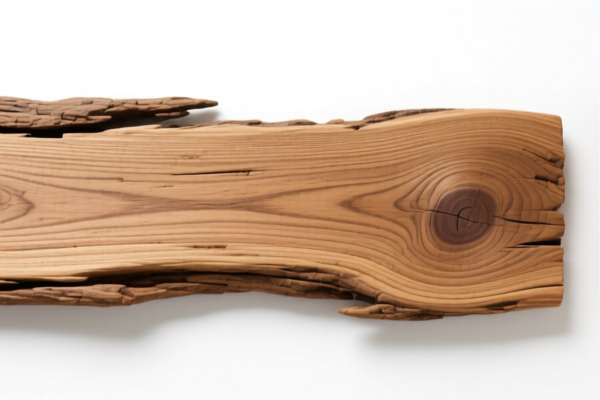
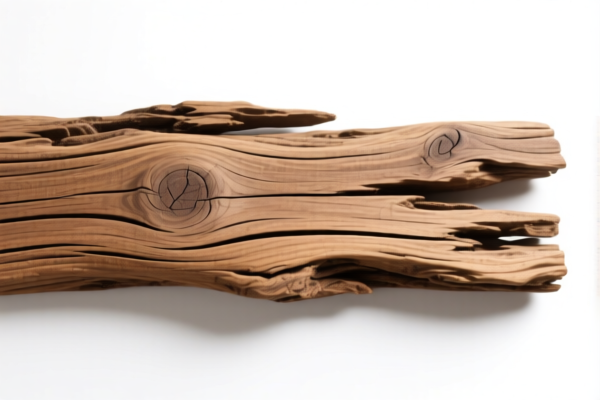
AI Analysis
🌳 Rough Oak for Shipbuilding (Marine-Grade Timber)
🌐 HS Code Reference & Customs Clearance Guide | 2026 Latest Tariff Analysis | Professional Clearance Strategy
📌 I. Product Definition & Classification: Do You Really Understand "Rough Oak"?
Rough Oak for Shipbuilding refers to timber that has been sawn or mechanically split but not further worked (e.g., planed, tongued, grooved, or dressed). In international trade, specifically under the Harmonized System (HS), this material is classified based on its species (Oak), form (Rough/Square), and specific use (Shipbuilding).
Key Classification Distinction:
- 4403 vs. 4407:
- 4403: Wood untreated or merely prepared (sawn, split). This is the primary category for raw timber.
- 4407: Wood mechanically worked (e.g., planed, sanded, finger-joined).
⚠️ Critical Point: If the oak is merely "rough sawn" or "square" without further finishing, it falls under 4403. If it has been planed or dressed, it moves to 4407. The descriptions provided in the data highlight specific sub-categories based on this nuance.
📦 II. HS Code Classification Details (2026 Latest Tariff Authority Alignment)
Based on the provided data, the product falls into four specific sub-categories under Chapters 4403 and 4407. All are subject to the same high tariff structure due to their origin and nature.
| HS Code | Product Description | Key Characteristics | Form/Material Match |
|---|---|---|---|
4407.91.00.22 |
Rough Square Oak (Shipbuilding Grade) | Specifically matched with longitudinal sawn timber; Material is Oak. | ✅ Longitudinal Sawn + Rough Square |
4403.91.00.40 |
Rough Square Oak (Shipbuilding Grade) | Shape and material match classification; "Shipbuilding Grade" is a use description. | ✅ Rough Square + Oak |
4403.91.00.20 |
Rough Square Oak (Shipbuilding Grade) | Rough square shape matches Oak material; "Shipbuilding Grade" belongs to use category. | ✅ Rough Square + Oak |
4407.91.00.63 |
Rough Square Oak (Shipbuilding Grade) | Material is Oak; Shape is longitudinally sawn timber; Falls under "Other Oak" category. | ✅ Longitudinal Sawn + Other Oak |
🔍 Important Note:
- All four HS codes listed above carry the exact same tax rate and regulatory burden.
- The distinction between4403(untreated/rough) and4407(worked) depends on the degree of machining. Ensure your product documentation accurately reflects whether the wood has been planed/dressed (4407) or is merely sawn/split (4403).
- "Shipbuilding Grade" is considered a usage description and does not change the fundamental material classification but may be relevant for regulatory compliance or quality standards.
💰 III. 2026 Latest Tariff Rate Breakdown (Including Additional Taxes & Policy Surcharges)
✅ Applicable Country: United States (US)
✅ Origin: China (CN)
✅ Effective Date: Current rates apply as per 2025-2026 trade policies
🎯 1. All Listed HS Codes (4403.91... & 4407.91...)
| Item | Details |
|---|---|
| Base Tariff Rate | 0.0% (Ad Valorem) |
| Section 301 Additional Tariff | +25.0% |
| Section 122 Tariff | +10.0% |
| Total Tariff Rate | 35.0% |
| Tax Calculation | CIF Value × 35% |
| De Minimis Eligibility | ❌ NOT Eligible (Denied under current trade restrictions) |
| Legal Basis Path | USITC:4403.91.00 / 4407.91.00 → Section 301: Footnote 25 → Section 122: Trade Expansion Act |
📌 Explanation:
- Base Rate (0%): Standard MFN rate for most wood products from non-challenge countries.
- Section 301 (+25%): Imposed under the U.S. Trade Representative’s actions against China, affecting a broad range of industrial goods, including timber.
- Section 122 (+10%): A specific additional tariff provision often applied to imports deemed to threaten U.S. national security or economic interests.
- Total (35%): This is a significant cost burden. Importers must factor this into their landed cost calculations. There is no de minimis exemption (unlike small packages), meaning this tax applies to the full value of the shipment.
🛠️ IV. Customs Clearance Practical Advice (Real-World Pitfall Avoidance)
✅ 1. Documentation Checklist (Non-Negotiable)
| Document | Required | Notes |
|---|---|---|
| ✅ Commercial Invoice | ✔️ | Must clearly state: "Rough Oak, Shipbuilding Grade," HS Code, and Country of Origin (China). |
| ✅ Packing List | ✔️ | Detail dimensions, weight, and number of pieces. Specify "Rough Sawn" or "Longitudinally Sawn." |
| ✅ Bill of Lading (B/L) | ✔️ | Ensure freight terms (CIF/FOB) are clear for tax calculation base. |
| ✅ Phytosanitary Certificate | ✔️ | CRITICAL: Wood products require strict pest control certification to prevent invasive species. |
| ✅ Fumigation Certificate | ✔️ | Proof of treatment (e.g., heat treatment or methyl bromide) as per ISPM 15 standards. |
| ✅ Material Declaration | ✔️ | Confirm species is Quercus (Oak) and not a protected species under CITES. |
| ✅ Certificate of Origin | ✔️ | Required to verify origin as China for Section 301/122 application. |
✅ 2. Declaration Strategy (Key Tips)
🔥 “Declare Material First, Use Second; Rough vs. Worked is Key!”
| Scenario | Correct Declaration | Incorrect Declaration |
|---|---|---|
| Raw, Sawn Oak | 4403.91.00.20 or .40 |
Misdeclaring as .63 (worked) → Potential misclassification penalty. |
| Planed/Dressed Oak | 4407.91.00.22 or .63 |
Misdeclaring as 4403 (rough) → Avoids inspection but risks fines if found processed. |
| Shipbuilding Grade | State "For Shipbuilding Use" | Omitting use → May delay customs inspection if quality standards are questioned. |
| Mixed Loads | Separate HS codes for each type | Mixing rough and worked wood in one line item → Major red flag, leads to detailed examination. |
✅ 3. Special Considerations
| Situation | Handling Advice |
|---|---|
| CITES Compliance | Ensure the Oak species is not endangered. If it is, an export permit from the country of origin is mandatory. |
| Pest Inspection | US Customs and Border Protection (CBP) and USDA may inspect for bark, insects, or rot. Clean wood (no bark) is preferred to avoid delays. |
| Value Declaration | Declare the fair market value. Under-valuation to reduce the 35% tax will result in severe penalties, seizure, and potential legal action. |
| Section 122 Scrutiny | Shipments under Section 122 are subject to higher scrutiny. Ensure all paperwork is flawless to avoid detention. |
🌍 V. Global Market Comparison (2026 Context)
| Country/Region | Recommended HS Code | Tariff (China Origin) | Key Requirements | Notes |
|---|---|---|---|---|
| 🇺🇸 USA | 4403.91 or 4407.91 |
35% (0% + 25% + 10%) | Phytosanitary, Fumigation | High tariff burden; no de minimis. |
| 🇨🇳 China | 4403.91 |
~5-10% (Varies) | Import License (if applicable) | Lower tariffs, but check quota restrictions. |
| 🇪🇺 EU | 4403.91 |
0-6% (General) | EUTS (EU Timber Regulation) | Requires Due Diligence Statement to prove legality. |
| 🇬🇧 UK | 4403.91 |
0-6% | UK Timber Regulation | Similar to EU, post-Brexit rules apply. |
📌 Conclusion:
- The US market is the most costly for Chinese-origin rough oak due to the layered tariffs (Section 301 + Section 122).
- EU and UK focus on legality and sustainability rather than high tariffs, but compliance documentation is rigorous.
- Consider supply chain diversification if targeting the US to mitigate the 35% tariff burden.
📌 VI. Common Errors & Pitfalls (Lessons Learned)
❌ Error 1: Declaring "Worked" Oak as "Rough" Oak
👉 Consequence: If the wood is planed but declared as rough, you may face penalties for misclassification. CBP can re-classify and charge back-taxes.
❌ Error 2: Ignoring Phytosanitary Requirements
👉 Consequence: Shipment detained or destroyed by USDA if bark or pests are found. Cost: 100% loss + storage fees.
❌ Error 3: Under-declaring Value to Avoid Tariffs
👉 Consequence: Seizure of goods, fines up to 2x the value, and criminal charges for fraud.
❌ Error 4: Confusing "Shipbuilding Grade" with a Specific HS Code
👉 Consequence: "Shipbuilding Grade" is a use description, not a HS code. Using it to justify a different code will lead to audits.
✅ Correct Practice:
"Rough Sawn Oak, Quercus Species, Fumigated per ISPM 15, No Bark, For Shipbuilding Use. HS Code: 4403.91.00.20. Origin: China."
🎯 VII. Conclusion: Precision in Classification Saves Money!
🎯 Remember the Key Rules:
🔹 "Rough vs. Worked determines the Chapter (4403 vs. 4407)."
🔹 "35% Total Tariff in US is Non-Negotiable for China Origin."
🔹 "Phytosanitary Cert is as Important as the Invoice."
📌 Pro Tip:
If your oak is sourced from non-China origins (e.g., EU, Russia, Canada), the Section 301 (25%) and Section 122 (10%) taxes do NOT apply. The total tariff may drop to 0% (Base).
Strategy: Verify the origin meticulously. Mislabeling origin is fraud, but legally sourcing from non-China countries can save you 35% in tariffs.
📣 Immediate Action:
📞 Consult a licensed customs broker before shipping.
📄 Obtain Phytosanitary & Fumigation Certificates prior to departure.
📝 Prepare accurate Commercial Invoices specifying "Rough" or "Sawn."
✨ Professional Clearance Starts with Accurate Classification!
💼 Every percentage point of tariff matters in the timber trade!
Customer Reviews
About HS Code Classification
The Harmonized System (HS) is an internationally standardized nomenclature developed by the World Customs Organization (WCO) to classify traded products. Over 200 countries use the HS system as the basis for customs tariffs, trade statistics, and import/export regulations.
Each HS code follows a hierarchical structure:
- Chapter (2 digits) — Broad category of goods (e.g., Chapter 84: Machinery and Mechanical Appliances)
- Heading (4 digits) — More specific grouping within the chapter
- Subheading (6 digits) — Internationally standardized breakdown, used by all WCO member countries
- National subdivisions (8-10 digits) — Country-specific extensions for further classification, such as US HTSUS 10-digit codes
Correct HS code classification is essential for smooth customs clearance, accurate duty payment, and compliance with trade regulations. Misclassification can lead to customs delays, overpayment of duties, or penalties.
When importing from CN to US, the applicable tariff rates may include:
- Most-Favored-Nation (MFN) rate — The standard duty rate applied to WTO members
- General rate — Applied to countries without trade agreements
- Trade remedy duties — Additional tariffs such as Section 301 (anti-dumping), Section 232 (national security), or countervailing duties
The information provided on this page is for reference purposes only. For official classification, please consult with your local customs authority or a licensed customs broker.