Rough Spruce and Fir Poles
CN → US| HS Code | Tariff Rate | Origin | Destination | Doc |
|---|---|---|---|---|
| 4407120019 | 35.0% | CN | US | Official Doc |
| 4407120017 | 35.0% | CN | US | Official Doc |
| 4401110000 | 35.0% | CN | US | Official Doc |
| 4407120059 | 35.0% | CN | US | Official Doc |
| 4407120020 | 35.0% | CN | US | Official Doc |
| 4403240135 | 35.0% | CN | US | Official Doc |
Product Images
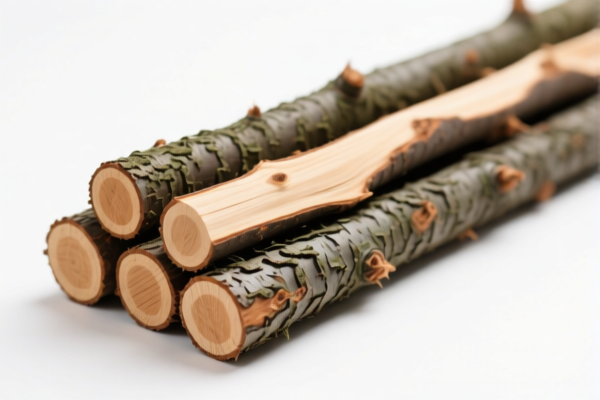
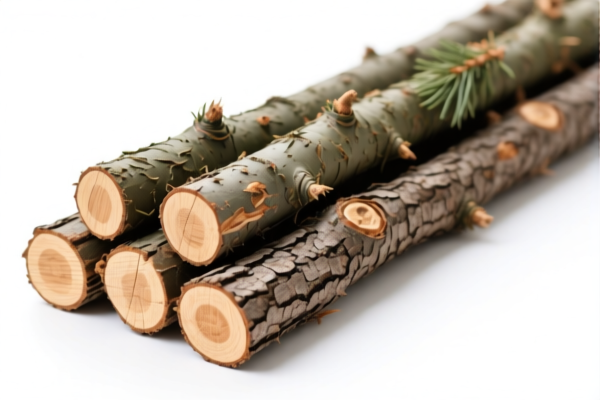
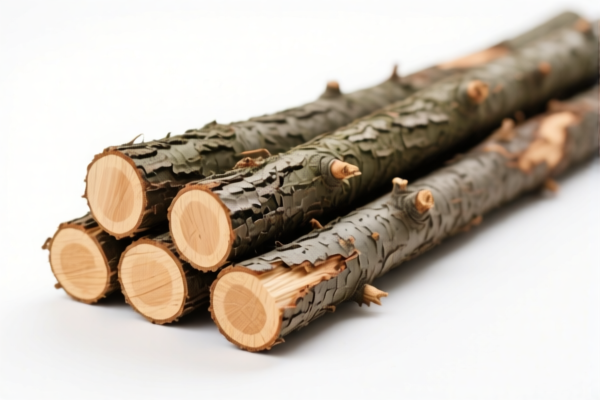
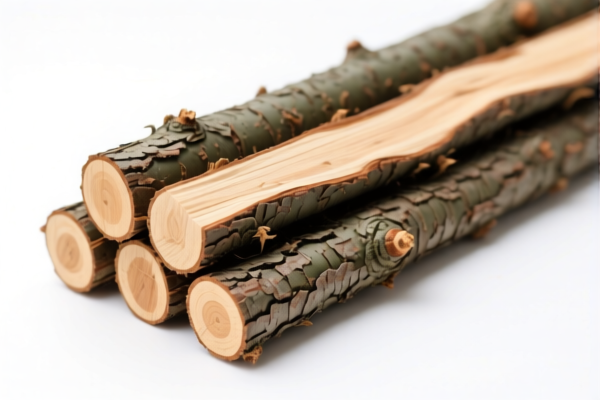
AI Analysis
🌲 Rough Spruce and Fir Poles | Unprocessed Coniferous Timber
🌐 HS Code Reference & Customs Clearance Guide | 2026 Latest Tariff Breakdown | Strategic Compliance for Wood Imports
📌 Part 1: Product Definition & Classification: What Exactly Are "Rough Spruce and Fir Poles"?
In international trade, timber products are strictly categorized by their processing state (raw vs. processed) and species. "Rough Spruce and Fir Poles" fall under the category of Coniferous Wood (Softwood).
These products are characterized by: * Material: Exclusively Spruce (Picea) or Fir (Abies). * State: "Rough" implies the wood has been cut to length but has not been planed, sanded, or further processed into finished lumber. It retains the natural bark (or debarked surface) and rough texture. * Form: Poles or logs, intended for structural use, fencing, or further industrial processing.
⚠️ Key Classification Distinction:
- If the wood is burnable fuel and in raw log form → 4401.11.00.00
- If the wood is structural/construction material (even if rough/unprocessed) → 4407.12.00.xx or 4403.24.01.35
- Note: The distinction between "Logs" (4401) and "Sawn/Chipped Wood" (4407) can be subtle. Customs often scrutinize whether the "pole" is merely a log or has been dimensioned to a specific profile.
📦 Part 2: HS Code Classification Details (2026 Latest Tariff Authority)
Based on the provided data, the following HS Codes apply to Rough Spruce and Fir Poles. All items carry a Total Tax Rate of 35.0% due to specific trade measures.
| HS Code | Product Description | Summary & Fit |
|---|---|---|
4407.12.00.19 |
Rough Spruce and Fir Poles | Material: Spruce/Fir. Form: Rough. Status: Unprocessed timber. Fits the "other" category for rough-sawn coniferous wood. |
4407.12.00.17 |
Rough Spruce and Fir Poles | Material: Spruce/Fir. Form: Rough/Unprocessed. Status: Corresponds to rough raw materials for needles/conifers. |
4401.11.00.00 |
Fir and Spruce Logs (Fuel/General) | Form: Logs. Status: Fits the "fuel wood" or general log category for conifers. Used when the wood is less processed than sawn poles. |
4407.12.00.59 |
Fir and Spruce Poles (Other) | Form: Longitudinally sawn/chipped. Status: "Other" category for coniferous wood where roughness is not specified or varied. |
4407.12.00.20 |
Fir and Spruce Poles | Material: Explicitly Spruce & Fir. Status: Matches coniferous material requirements for processed poles. |
4403.24.01.35 |
Fir and Spruce Logs/Treated Wood | Material: Explicitly Spruce & Fir. Form: Logs. Status: Fully matches the material and log form definition in the classification explanation. |
🔍 Critical Note:
- 4407 codes generally apply to wood that has been sawn or chipped lengthwise.
- 4401 codes apply to wood in the raw log state (often for fuel or pulp).
- If your "poles" are simply round logs with minimal cutting, 4401.11.00.00 or 4403.24.01.35 might be more appropriate. If they are squared or dimensioned, 4407 codes are likely correct.
💰 Part 3: 2026 Latest Tariff Rate Breakdown (Including Surcharges & Policy Add-ons)
✅ Applicable Country: USA (US)
✅ Country of Origin: China (CN) (Inferred from "122" and trade context)
✅ Effective Date: Current applicable rates (Section 301 & IEEPA)
🎯 1. 4407.12.00.19 / 4407.12.00.17 / 4407.12.00.59 / 4407.12.00.20
Rough Spruce/Fir Poles (Sawn/Processed Coniferous Wood)
| Item | Content |
|---|---|
| Base Tariff | 0.0% (Standard MFN rate for many woods) |
| Section 301 Tariff | +25.0% (USITC Footnote 9903.88.01 / Section 301) |
| Section 122 Tariff | +10.0% (Specific policy surcharge for certain wood products) |
| Total Tax Rate | 35.0% |
| Calculation Basis | CIF Value × 35% |
| De Minimis Eligibility | ❌ No (High tariffs usually exclude de minimis relief) |
| Legal Path | USITC:4407.12.xx.xx → Section 301: 25% → Section 122: 10% |
📌 Explanation:
- The 25% is the standard Section 301 duty on Chinese wood products.
- The 10% is the additional Section 122 tariff, often applied to specific strategic or sensitive imports.
- Total 35% is significant. Importers must factor this into landed cost calculations.
🎯 2. 4401.11.00.00
Fir and Spruce Logs
| Item | Content |
|---|---|
| Base Tariff | 0.0% |
| Section 301 Tariff | +25.0% |
| Section 122 Tariff | +10.0% |
| Total Tax Rate | 35.0% |
| Calculation Basis | CIF Value × 35% |
| Legal Path | USITC:4401.11.00.00 → Section 301 → Section 122 |
📌 Note:
- Even though these are "logs," if they are imported from China, they are subject to the same heavy surcharges as processed wood.
- Ensure the physical form matches "logs" (round, minimal processing) to avoid reclassification penalties.
🎯 3. 4403.24.01.35
Fir and Spruce Logs (Treated/Specific)
| Item | Content |
|---|---|
| Base Tariff | 0.0% |
| Section 301 Tariff | +25.0% |
| Section 122 Tariff | +10.0% |
| Total Tax Rate | 35.0% |
| Legal Path | USITC:4403.24.01.35 → Section 301 → Section 122 |
📌 Note:
- This code often implies wood that has been preserved or treated, or specific log sizes.
- Confirm if wood is treated (pesticide/chemical) as this may require ISPM 15 phytosanitary certification.
🛠️ Part 4: Customs Clearance Practical Advice (Battle-Tested Tips)
✅ 1. Documentation Checklist (Non-Negotiable)
| Document | Required? | Explanation |
|---|---|---|
| ✅ Commercial Invoice | ✔️ | Must specify "Rough Spruce and Fir Poles," HS Code, and Country of Origin. |
| ✅ Packing List | ✔️ | Detail dimensions (length, diameter) to prove "rough pole" status vs. "log." |
| ✅ Phytosanitary Certificate | ✔️ | CRITICAL. All wood imports require proof of no pests/fungi (ISPM 15 compliance). |
| ✅ IPPC Mark | ✔️ | Stamps on pallets/wood bundles showing heat treatment or fumigation. |
| ✅ Product Photos | ✔️ | Show bark presence, rough texture, and lack of planing/sanding. |
| ✅ Bill of Lading | ✔️ | Clean bill of lading required. |
✅ 2. Declaration Strategy (Key Mnemonics)
🔥 "Check Bark, Check Shape, Verify Origin, Avoid Fines!"
| Scenario | Correct Declaration | Wrong Approach |
|---|---|---|
| Round Logs | 4401.11.00.00 or 4403.24.01.35 |
Misclassifying as "Sawn Lumber" → Risk of penalty. |
| Squared/Dimensioned Poles | 4407.12.00.xx |
Calling them "Logs" → Customs may reclassify and audit. |
| Treated Wood | Explicitly state "Treated" + HS Code | Hiding treatment → Seizure & Destruction. |
| Mixed Species | Declare only Spruce/Fir | Including Pine/Oak → Misdeclaration → Delays. |
✅ 3. Special Case Handling
| Situation | Handling Advice |
|---|---|
| Pest Inspection | CBP and USDA APHIS may inspect for emerald ash borer or pine beetles. Ensure no bark if required by specific entry type, or verify heat treatment. |
| Origin Evasion | If wood is transshipped (e.g., via Canada/Mexico), ensure Country of Origin is China. False origin claims lead to 300% penalties. |
| Value Assessment | Ensure CIF value includes freight/insurance. Under-declaring value to reduce tax is a common trigger for audits. |
🌍 Part 5: Global Market Comparison (2026 Latest)
| Country/Region | Recommended HS Code | Tariff (China Origin) | Certification | Notes |
|---|---|---|---|---|
| 🇺🇸 USA | 4407.12.xx / 4401.11.00 |
35.0% (25% Sec 301 + 10% Sec 122) | ISPM 15 | Highest duty burden. Strict phytosanitary checks. |
| 🇨🇳 China | 4407.12.xx |
~5-10% | Phytosanitary | Lower duties, but focus on export quality. |
| 🇪🇺 EU | 4407.12.xx |
0-20% (depends on trade agreements) | FLEGT/GMP+ | Strict legality verification (EUTR). |
| 🇲🇽 Mexico | 4407.12.xx |
0% (USMCA) | Phytosanitary | Potential duty savings if processed in NAFTA region. |
📌 Conclusion:
- The USA imposes a 35% effective duty on these goods from China.
- Mexico or other USMCA countries may offer 0% duty if substantial transformation occurs, but raw poles often retain origin.
📌 Part 6: Common Mistakes & Pitfalls (Lessons Learned)
❌ Mistake 1: Declaring "Rough Poles" as "Sawn Lumber"
👉 Consequence: Wrong HS code → Reclassification + Back Taxes.
👉 Fix: Ensure description matches "Rough" or "Unprocessed."
❌ Mistake 2: Missing Phytosanitary Certificate
👉 Consequence: Seizure and Destruction of cargo at port.
👉 Fix: Obtain IPPC treatment certification BEFORE shipment.
❌ Mistake 3: Ignoring Section 122 Tariff
👉 Consequence: Underpayment of duty → Penalties and Interest.
👉 Fix: Calculate 35% total, not just 25%.
❌ Mistake 4: Incorrect Origin Declaration
👉 Consequence: Fraud Allegations → Heavy fines.
👉 Fix: Verify mill origin certificates.
✅ Correct Declaration Example:
"Rough Spruce and Fir Poles, Unprocessed, Heat Treated (ISPM 15), Origin: China, HS: 4407.12.00.19"
🎯 Part 7: Conclusion: Professional Classification, Cost Efficiency!
🎯 Remember:
🔹 "Rough means rough: don't plan, don't sand, declare as 4407 or 4401."
🔹 "35% is the price for Chinese wood poles into the US."
🔹 "Phytosanitary is not optional: no cert, no entry."
📌 Pro Tip:
If you are importing large volumes, consider applying for an Advance Ruling from CBP to confirm the exact HS Code (4407.12.00.19 vs 4401.11.00.00) to avoid post-entry audits.
📣 Immediate Action:
📞 Engage a licensed customs broker + Provide Phytosanitary Cert + Confirm Origin.
🚀 Ensure your wood poles clear customs smoothly, avoid destruction, and manage costs!
✨ Professional clearance starts with precise classification!
💼 Every percentage point of duty counts!
Customer Reviews
About HS Code Classification
The Harmonized System (HS) is an internationally standardized nomenclature developed by the World Customs Organization (WCO) to classify traded products. Over 200 countries use the HS system as the basis for customs tariffs, trade statistics, and import/export regulations.
Each HS code follows a hierarchical structure:
- Chapter (2 digits) — Broad category of goods (e.g., Chapter 84: Machinery and Mechanical Appliances)
- Heading (4 digits) — More specific grouping within the chapter
- Subheading (6 digits) — Internationally standardized breakdown, used by all WCO member countries
- National subdivisions (8-10 digits) — Country-specific extensions for further classification, such as US HTSUS 10-digit codes
Correct HS code classification is essential for smooth customs clearance, accurate duty payment, and compliance with trade regulations. Misclassification can lead to customs delays, overpayment of duties, or penalties.
When importing from CN to US, the applicable tariff rates may include:
- Most-Favored-Nation (MFN) rate — The standard duty rate applied to WTO members
- General rate — Applied to countries without trade agreements
- Trade remedy duties — Additional tariffs such as Section 301 (anti-dumping), Section 232 (national security), or countervailing duties
The information provided on this page is for reference purposes only. For official classification, please consult with your local customs authority or a licensed customs broker.