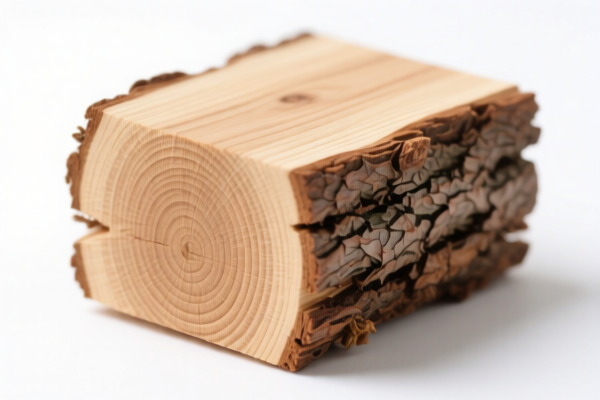
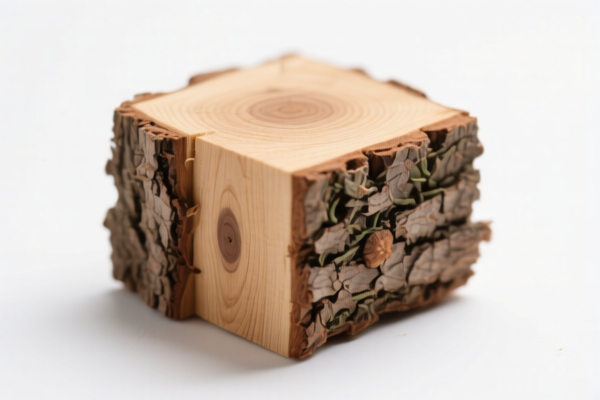
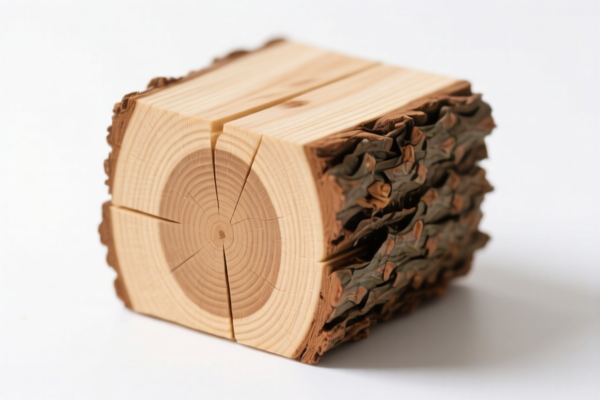
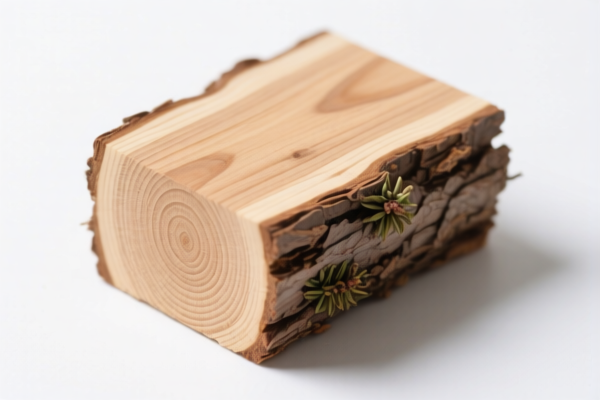
Rough Square Coniferous Timber
CN → US| HS Code | Tariff Rate | Origin | Destination | Doc |
|---|---|---|---|---|
| 4407110042 | 35.0% | CN | US | Official Doc |
| 4407120017 | 35.0% | CN | US | Official Doc |
Product Images
AI Analysis
🪵 Rough Square Coniferous Timber (Sawn Wood)
🌐 HS Code Reference & Customs Clearance Guide | 2026 Latest Tariff Analysis | Professional Clearance Strategy
📌 I. Product Definition & Classification: Do You Know "Rough Square Timber"?
Rough Square Coniferous Timber refers to wood that has been sawn or chipped lengthwise, sliced, or peeled. It is characterized by a rectangular or square cross-section ("Square"), a thickness exceeding 6 mm, and an untreated, unplaned surface ("Rough").
In international trade, coniferous timber is primarily categorized by species and treatment status. The two most common specific classifications for rough coniferous wood are: * Pine Species (Pinus spp.): Such as Eastern White Pine (Pinus strobus) or Red Pine (Pinus resinosa). * Spruce/Fir Species (Abies/Picea spp.): Such as Sitka Spruce (Picea sitchensis).
⚠️ Key Distinction:
- "Rough" (Unplaned/Sanded): If the wood surface is not planed, sanded, or end-jointed, it falls under "Rough" subcategories. - "Treated" vs. "Not Treated": The data provided specifies "Not treated", meaning the wood has not undergone chemical preservation (like CCA or ACQ) or heat treatment. Treated wood often has different HS codes due to health/environmental regulations. - "Square": Implies a rectangular cross-section, distinct from logs or simple planks, though broadly covered under Chapter 44 sawn wood.
📦 II. HS Code Classification Details (2026 Latest Tariff Authority Comparison)
Based on the provided <DATA>, here are the precise HS Codes and corresponding tax details for Rough, Not Treated, Coniferous Timber.
| HS Code | Product Description | Applicable Species | Treatment Status | Surface Condition |
|---|---|---|---|---|
4407.11.00.42 |
Wood sawn lengthwise, of a thickness > 6 mm: Coniferous: Of pine (Pinus spp.) Other: Not treated: Eastern white pine (Pinus strobus) and red pine (Pinus resinosa) | Pine (Pinus spp.) Specifically: Eastern White Pine & Red Pine |
Not Treated | Rough (Unplaned, Unsanded) |
4407.12.00.17 |
Wood sawn lengthwise, of a thickness > 6 mm: Coniferous: Of fir (Abies spp.) and spruce (Picea spp.) Other: Not treated: Sitka spruce (Picea sitchensis) | Spruce/Fir (Abies/Picea spp.) Specifically: Sitka Spruce |
Not Treated | Rough (Unplaned, Unsanded) |
🔍 Important Notes:
- Chapter 44: Covers "Wood and articles of wood; wood charcoal."
- Heading 4407: Specifically covers "Wood sawn or chipped lengthwise, sliced or peeled, whether or not planed, sanded or end-jointed, of a thickness exceeding 6 mm."
- Subheading 4407.11/12: Distinguishes between Pine (Pinus) and Fir/Spruce (Abies/Picea).
- Specificity: The 8-digit codes (4407.11.00.42and4407.12.00.17) are highly specific. Misidentifying the species (e.g., calling Spruce "Pine") can lead to customs delays or penalties.
💰 III. 2026 Latest Tariff Rate Details (Including Additional Taxes & Policy Supplements)
✅ Applicable Country: United States (US)
✅ Origin: China (CN) (Implied by the 25% additional tariff structure typical of US-China trade relations)
✅ Effective Time: Current as of 2026
🎯 1. 4407.11.00.42 —— Rough Pine Timber (Eastern White/Red Pine)
| Item | Content |
|---|---|
| Base Tariff Rate | 0.0% (ad valorem) |
| Section 301 Additional Tariff | +25.0% (USITC Footnote) |
| Total Tax Rate | 25.0% |
| Tax Calculation | CIF Value × 25% |
| De Minimis Exemption | ❌ Not Applicable (Valued goods subject to Section 301 are generally excluded) |
| Legal Basis Path | USITC:4407.11.00.42 → SECTION301:Footnote |
📌 Explanation:
- The base tariff for rough sawn wood is often low (0%) to encourage raw material import for construction/manufacturing.
- However, the 25% additional tariff is a critical cost driver, imposed under US Trade Law Section 301 on certain Chinese-origin products.
- Total Cost Impact: For every $10,000 CIF value, you pay $2,500 in additional duties.
🎯 2. 4407.12.00.17 —— Rough Spruce/Fir Timber (Sitka Spruce)
| Item | Content |
|---|---|
| Base Tariff Rate | 0.0% (ad valorem) |
| Section 301 Additional Tariff | +25.0% (USITC Footnote) |
| Total Tax Rate | 25.0% |
| Tax Calculation | CIF Value × 25% |
| De Minimis Exemption | ❌ Not Applicable |
| Legal Basis Path | USITC:4407.12.00.17 → SECTION301:Footnote |
📌 Note:
- Same tax structure as Pine.
- Sitka Spruce is often used in musical instruments, aircraft, and high-strength construction. Ensure proper botanical identification to avoid misclassification.
🛠️ IV. Customs Clearance Practical Advice (Real-World Pitfall Avoidance)
✅ 1. Required Documentation Checklist (Non-Negotiable)
| Document | Must Provide | Description |
|---|---|---|
| ✅ Commercial Invoice | ✔️ | Must clearly state "Rough Sawn Coniferous Timber," species (e.g., Pinus strobus), thickness (>6mm), and dimensions. |
| ✅ Packing List | ✔️ | Detail number of bundles, total volume (cubic meters/feet), and weight. |
| ✅ Phytosanitary Certificate | ✔️ | CRITICAL: Wood imports require certification that the wood is free from pests (e.g., Emerald Ash Borer, Pine Wood Nematode). Issued by origin country's agricultural authority. |
| ✅ ISPM 15 Marking | ✔️ | If wood is packed in pallets/crates, they must be heat-treated or fumigated and bear the ISPM 15 logo. |
| ✅ Species Identification | ✔️ | Botanical name must be explicit. "Pine" is too vague; use Pinus strobus or Pinus resinosa. |
| ✅ Bill of Lading/Air Waybill | ✔️ | Standard shipping documents. |
✅ 2. Declaration Tips (Key Mantras)
🔥 “Species Specific, Phytosanitary Ready, Thickness Confirmed!”
| Scenario | Correct Declaration | Wrong Practice |
|---|---|---|
| Rough Wood | Declare as "Rough," not "Planed" or "Sanded" | Misdeclaring as "Sanded" → Wrong HS Code → Potential Duty Discrepancy |
| Thickness | Confirm > 6 mm | If ≤ 6 mm, it may fall under different heading (e.g., 4408 for veneer) |
| Species | Use Latin Name (Pinus strobus) | Use only common name ("White Pine") → Customs may hold for identification |
| Treatment | Declare "Not Treated" | If treated, must declare preservative type → Different HS/Regulations |
✅ 3. Special Case Handling
| Scenario | Handling Advice |
|---|---|
| Mixed Species Shipments | Do not mix Pine and Spruce in one HS Code declaration. Split by HS Code or declare as generic "Coniferous" if allowed, but specific codes are safer for accuracy. |
| Lumber vs. Timber | If dimensions are very large (logs), it might be Chapter 4401. If sawn to square/rectangular and >6mm thick, it is Chapter 4407. |
| Pest Inspection | US CBP (Customs and Border Protection) frequently inspects wood. Ensure pallets are ISPM 15 compliant to avoid fumigation costs or re-export. |
| Valuation | CIF (Cost, Insurance, Freight) is the basis for duty. Ensure insurance and freight are accurately declared to avoid under-valuation penalties. |
🌍 V. Global Market Customs Comparison (2026 Latest)
| Country/Region | Recommended HS Code | Tariff Rate (China Origin) | Key Requirement | Notes |
|---|---|---|---|---|
| 🇺🇸 USA | 4407.11.00.42 / 4407.12.00.17 |
25% (Additional) | Phytosanitary Certificate, ISPM 15 | High duty cost; strict pest control |
| 🇨🇳 China | 4407.11.00.00 (General) |
5-10% (Varies) | Fumigation Certificate | Standard import duties apply |
| 🇪🇺 EU | 4407.10.00 (General) |
0-6.5% (Depending on FTA) | FLEGT/EUTR Compliance | Strict due diligence on legality of wood |
| 🇯🇵 Japan | 4407.10.00 (General) |
0-1.7% | Phytosanitary Certificate | Generally low tariffs, but strict biosecurity |
📌 Conclusion:
- USA: The 25% additional tariff is the biggest cost factor.
- EU/China/Japan: Focus more on phytosanitary compliance and legal sourcing proof rather than high tariffs.
- Recommendation: If targeting the US market, consider sourcing from countries with lower or no Section 301 tariffs (e.g., Canada, Russia for some species, or Southeast Asia if species match) to reduce costs.
📌 VI. Common Errors & Pitfalls Guide (Blood & Tears Lessons)
❌ Error 1: Missing Phytosanitary Certificate
👉 Consequence: Goods rejected/re-exported at US port. Cost: $5,000+ in storage/freight penalties.
❌ Error 2: Misdeclaring Species (e.g., calling Spruce "Pine")
👉 Consequence: Customs audit, potential misdeclaration penalties (fines up to 40% of duty value).
❌ Error 3: Non-Compliant Pallets (No ISPM 15 Mark)
👉 Consequence: Fumigation required upon entry. Cost: $500-$2,000 per container. Delay: 2-5 days.
❌ Error 4: Ignoring Thickness Requirement
👉 Consequence: If thickness ≤ 6mm, HS Code changes to 4408 (Veneers). Different duty rate!
✅ Correct Approach:
"Rough Sawn Eastern White Pine Timber, Pinus strobus, Thickness 50mm, Not Treated, ISPM 15 Pallets, Phytosanitary Cert Attached."
🎯 VII. Conclusion: Professional Declaration, Save Time, Reduce Costs!
🎯 Remember Mantra:
🔹 "Species Latin, Phyto Cert, ISPM 15 Pallets, 25% Duty Wait!"
🔹 "HS Code Defines Cost, Phyto Cert Defines Clearance!"
📌 Pro Tip:
If your timber is sourced from Canada or Russia, the 25% Section 301 tariff may not apply (depending on current trade agreements and origin rules).
Recommendation: Apply for a Pre-Ruling (CBP Ruling) with US Customs before shipment to confirm the HS Code and duty rate, avoiding unexpected costs.
📣 Immediate Action:
📞 Contact your Freight Forwarder + Provide Phytosanitary Certificate + Verify ISPM 15 Marking
🚀 Ensure your timber clears customs smoothly, avoids pests, and minimizes duty costs!
✨ Professional Clearance Starts with Accurate Classification!
💼 Every percent of duty saved is pure profit!
Customer Reviews
About HS Code Classification
The Harmonized System (HS) is an internationally standardized nomenclature developed by the World Customs Organization (WCO) to classify traded products. Over 200 countries use the HS system as the basis for customs tariffs, trade statistics, and import/export regulations.
Each HS code follows a hierarchical structure:
- Chapter (2 digits) — Broad category of goods (e.g., Chapter 84: Machinery and Mechanical Appliances)
- Heading (4 digits) — More specific grouping within the chapter
- Subheading (6 digits) — Internationally standardized breakdown, used by all WCO member countries
- National subdivisions (8-10 digits) — Country-specific extensions for further classification, such as US HTSUS 10-digit codes
Correct HS code classification is essential for smooth customs clearance, accurate duty payment, and compliance with trade regulations. Misclassification can lead to customs delays, overpayment of duties, or penalties.
When importing from CN to US, the applicable tariff rates may include:
- Most-Favored-Nation (MFN) rate — The standard duty rate applied to WTO members
- General rate — Applied to countries without trade agreements
- Trade remedy duties — Additional tariffs such as Section 301 (anti-dumping), Section 232 (national security), or countervailing duties
The information provided on this page is for reference purposes only. For official classification, please consult with your local customs authority or a licensed customs broker.