Rough Square Oak (Barrel Grade)
CN → US| HS Code | Tariff Rate | Origin | Destination | Doc |
|---|---|---|---|---|
| 4407910063 | 35.0% | CN | US | Official Doc |
| 4407910022 | 35.0% | CN | US | Official Doc |
| 4407910022 | 35.0% | CN | US | Official Doc |
| 4407910063 | 35.0% | CN | US | Official Doc |
| 4407910022 | 35.0% | CN | US | Official Doc |
Product Images
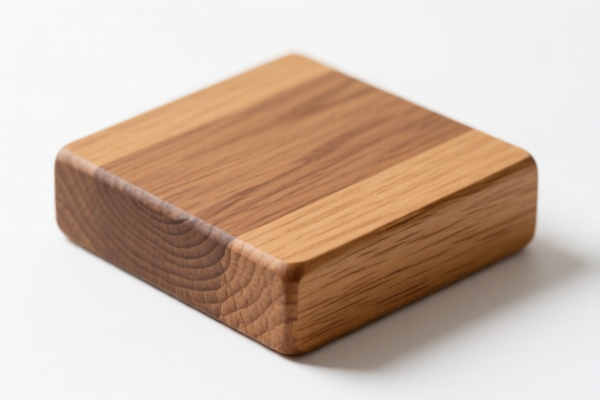
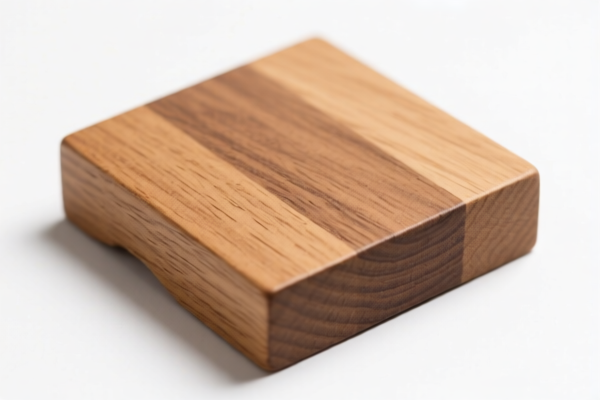


AI Analysis
🌳 Oak Timber: Rough Square (Barrel Grade)
🌐 HS Code Reference & Customs Clearance Guide | 2026 Latest Tariff Analysis | Professional Clearance Strategy
📌 I. Product Definition & Classification: Do You Know "Oak Timber"?
Oak Timber, specifically in the form of "Rough Square" and labeled as "Barrel Grade," falls under the category of wood that has been sawn or chipped lengthwise. In international trade, this is classified based on two key factors:
1. Material: Oak (excluding Red Oak in specific sub-categories, though general "Oak" often defaults to non-red oak in certain HS structures, or is grouped broadly depending on the 8-digit code).
2. Processing State: "Rough Square" indicates it is not planed, sanded, or joined. It is in its primary sawn state, suitable for further processing (such as barrel making, furniture, or construction).
⚠️ Key Distinction:
- "Rough Square": Indicates longitudinal sawing without further smoothing. This aligns with Chapter 44 provisions for sawn wood.
- "Barrel Grade": Refers to the quality or intended end-use (barrel staves), but does not change the fundamental classification as sawn wood under HS 4407. It is still wood, not finished barrels (which would be HS 4413).
📦 II. HS Code Classification Details (2026 Latest Tariff Authoritative Comparison)
Based on the provided data, the product matches two primary HS Codes. Both share the same tax structure, but the distinction lies in the specific Oak variety (Red vs. Non-Red) and internal coding logic.
| HS Code | Product Description | Applicability | Reason for Match |
|---|---|---|---|
4407.91.00.22 |
Sawn wood, oak, lengthwise sawn or chipped, roughly squared | ✅ Matched | "Oak" matches material; "Rough Square" matches "lengthwise sawn"; "Barrel Grade" is compatible with processing state. |
4407.91.00.63 |
Sawn wood, other oak, lengthwise sawn or chipped | ✅ Matched | "Oak" matches material; "Rough Square" matches processing; "Barrel Grade" is consistent with non-red oak categories. |
🔍 Important Note:
- Both codes apply to sawn oak wood.
- The difference between.22and.63often lies in the specific sub-type of oak (e.g., Red Oak vs. White/Other Oak) within the US Harmonized Tariff Schedule.
- "Barrel Grade" is a quality designation, not a change in HS classification. It does not push the item to finished goods (Chapter 44.13).
- "Rough Square" confirms it is not further worked (planed/sanded), keeping it in Chapter 44.07.
💰 III. 2026 Latest Tariff Rate Breakdown (Including Surtaxes & Policy Add-ons)
✅ Applicable Country: United States (US)
✅ Origin: China (CN)
✅ Effective Date: From November 10, 2025 (and subsequent imports)
🎯 1. 4407.91.00.22 — Sawn Wood, Oak, Lengthwise Sawn
| Item | Content |
|---|---|
| Base Tariff | 0.0% (ad valorem) |
| USITC Surtax | +25.0% (Under Section 301, Footnote 9903.88.01 or similar) |
| IEEPA Surtax | +10.0% (Against Chinese/HK products, effective Nov 10, 2025) |
| Total Tariff Rate | 35.0% |
| Tax Calculation | CIF Value × 35% |
| De Minimis Eligibility | ❌ Not Eligible (denied under current trade policies) |
| Legal Basis Path | IEEPA:9903.01.25 → IEEPA:9903.01.24 → USITC:4407.91.00.22 → FOOTNOTE:9903.88.01 |
📌 Explanation:
- The 25% USITC tax is part of the Section 301 tariffs on Chinese imports.
- The 10% IEEPA tax is an additional surcharge under the International Emergency Economic Powers Act targeting specific Chinese categories.
- Total: 35%. This is a high tariff rate, requiring careful cost planning.
🎯 2. 4407.91.00.63 — Other Sawn Wood, Oak
| Item | Content |
|---|---|
| Base Tariff | 0.0% |
| USITC Surtax | +25.0% |
| IEEPA Surtax | +10.0% |
| Total Tariff Rate | 35.0% |
| Tax Calculation | CIF × 35% |
| De Minimis Eligibility | ❌ Not Eligible |
| Legal Basis Path | IEEPA:9903.01.25 → IEEPA:9903.01.24 → USITC:4407.91.00.63 → FOOTNOTE:9903.88.01 |
📌 Note:
- Identical tariff structure to.22.
- Whether classified as Red Oak (.22) or Other Oak (.63), the 35% total tax applies.
- "Barrel Grade" does not exempt the product from these surcharges.
🛠️ IV. Customs Clearance Practical Advice (Battlefield Pitfall Avoidance Guide)
✅ 1. Required Documentation Checklist (None Can Be Omitted)
| Document | Mandatory? | Explanation |
|---|---|---|
| ✅ Commercial Invoice | ✔️ | Must clearly state "Sawn Oak Wood, Rough Square, Barrel Grade." Avoid vague terms like "Wood Material." |
| ✅ Packing List | ✔️ | Detail dimensions, quantity, and gross/net weight. |
| ✅ Certificate of Origin (CO) | ✔️ | Essential for proving Chinese origin to apply the correct surtaxes. |
| ✅ ISPM 15 Phytosanitary Certificate | ✔️ | Critical for wood products! Must show heat treatment or fumigation to prevent pest entry. |
| ✅ Product Photos | ✔️ | Show "Rough Square" profile and any markings/labels. |
| ✅ Bill of Lading | ✔️ | Ensure HS Codes are listed as 4407.91.00.22 or 4407.91.00.63. |
✅ 2. Declaration Tips (Key Mantra)
🔥 “Rough Sawn, Not Finished; Barrel Grade, Still Wood; Tax 35%, Prepare Cash Flow!”
| Scenario | Correct Declaration | Wrong Practice |
|---|---|---|
| Rough Oak Staves | 4407.91.00.22/63 |
Misdeclare as "Barrels" (HS 4413) → Penalty for Misclassification |
| Planned/Sanded Oak | 4409.10 (if planed) |
Declare as "Rough" → Underpayment of Tax |
| Wood Chips/Shavings | 4401.30 |
Declare as "Sawn Wood" → Wrong Category |
| Finished Barrels | 4413.00 |
Declare as "Rough Wood" → Underpayment of Tax |
✅ 3. Special Handling
| Situation | Handling Advice |
|---|---|
| "Barrel Grade" Claims | Do not declare as "Finished Goods." It is still raw material. Emphasize "Sawn Wood" in description. |
| Phytosanitary Issues | Ensure wood is treated and marked with the IPPC logo. Uncertified wood will be rejected or destroyed. |
| Mixed Shipments | If mixed with other wood types, separate declarations are required. Do not lump "Oak" with "Pine" unless under a broader category (which is rare for specific HS codes). |
🌍 V. Global Market Clearance Comparison (2026 Latest)
| Country/Region | Recommended HS Code | Tariff (China Origin) | Certification | Notes |
|---|---|---|---|---|
| 🇺🇸 United States | 4407.91.00.22/63 |
35% (0% Base + 25% + 10%) | ISPM 15 | High tariff; strict phytosanitary rules. |
| 🇨🇳 China | 4407.91 |
Varies (Import) | N/A | If exporting to China, different rates apply. |
| 🇪🇺 European Union | 4407.91 |
0% (if EUTM compliant) | ISPM 15 + FSC | No Section 301 or IEEPA taxes. |
| 🇬🇧 United Kingdom | 4407.91 |
0% | ISPM 15 | Post-Brexit rules apply; no US-style surtaxes. |
| 🇨🇦 Canada | 4407.91 |
0% (under CUSMA) | ISPM 15 | Duty-free for US-origin wood; check for Chinese origin issues. |
📌 Conclusion:
- The US is the only major market imposing the 35% combined tariff on Chinese oak timber under current policies.
- Europe and UK are more favorable with 0% base tariffs (if FSC/PEFC certified).
- Phytosanitary compliance (ISPM 15) is universally critical for wood products.
📌 VI. Common Mistakes & Pitfall Guide (Blood & Tears Lessons)
❌ Mistake 1: Declaring "Rough Square Oak" as "Finished Barrels"
👉 Consequence: Wrong HS Code (4413 vs. 4407). If declared as finished goods, you may face penalties for misclassification and incorrect tax assessment.
❌ Mistake 2: Ignoring ISPM 15 Certification
👉 Consequence: Shipment held or destroyed at US port. No amount of tariff planning can save uncertified wood.
❌ Mistake 3: Assuming "Barrel Grade" Means Exempt
👉 Consequence: 35% tax still applies. Quality grade does not override HS classification or trade tariffs.
❌ Mistake 4: Mixing Red Oak and White Oak Without Distinction
👉 Consequence: May lead to audits or delays if the specific sub-code (.22 vs .63) is ambiguous. Clarify the oak type on the invoice.
✅ Correct Practice:
“Sawn Oak Wood, Rough Square, Barrel Grade, Heat Treated (ISPM 15 Compliant), HS Code 4407.91.00.22, Origin: China”
🎯 VII. Conclusion: Professional Declaration, Save Money, Ensure Smooth Clearance!
🎯 Remember the Mantra:
🔹 “Rough Sawn, Not Finished; ISPM 15 is King; 35% Tax in US; Clear Code is Best!”
🔹 “‘Barrel Grade’ is Quality, Not Classification; Don’t Get Trapped by Mislabeling!”
📌 Pro Tip:
If your oak timber is originating from Vietnam, Mexico, or Canada, you may qualify for lower or zero tariffs in the US under trade agreements (CUSMA, USMCA, etc.).
Recommendation:
📞 Consult a licensed customs broker
📄 Obtain an Advance Ruling from US CBP if unsure between.22and.63
🚀 Ensure ISPM 15 Compliance before shipment
💼 Plan for 35% Tariff Cost in your CIF pricing if shipping from China to the US.
✨ Professional Clearance Starts with Accurate Classification!
💼 Every Percent of Tax Matters to Your Bottom Line!
Customer Reviews
About HS Code Classification
The Harmonized System (HS) is an internationally standardized nomenclature developed by the World Customs Organization (WCO) to classify traded products. Over 200 countries use the HS system as the basis for customs tariffs, trade statistics, and import/export regulations.
Each HS code follows a hierarchical structure:
- Chapter (2 digits) — Broad category of goods (e.g., Chapter 84: Machinery and Mechanical Appliances)
- Heading (4 digits) — More specific grouping within the chapter
- Subheading (6 digits) — Internationally standardized breakdown, used by all WCO member countries
- National subdivisions (8-10 digits) — Country-specific extensions for further classification, such as US HTSUS 10-digit codes
Correct HS code classification is essential for smooth customs clearance, accurate duty payment, and compliance with trade regulations. Misclassification can lead to customs delays, overpayment of duties, or penalties.
When importing from CN to US, the applicable tariff rates may include:
- Most-Favored-Nation (MFN) rate — The standard duty rate applied to WTO members
- General rate — Applied to countries without trade agreements
- Trade remedy duties — Additional tariffs such as Section 301 (anti-dumping), Section 232 (national security), or countervailing duties
The information provided on this page is for reference purposes only. For official classification, please consult with your local customs authority or a licensed customs broker.