Roughly Processed Material
CN → US| HS Code | Tariff Rate | Origin | Destination | Doc |
|---|---|---|---|---|
| 2515110000 | 35.0% | CN | US | Official Doc |
| 2515200000 | 38.0% | CN | US | Official Doc |
| 2516110000 | 35.0% | CN | US | Official Doc |
| 2516201000 | 35.0% | CN | US | Official Doc |
| 6802230000 | 38.7% | CN | US | Official Doc |
Product Images
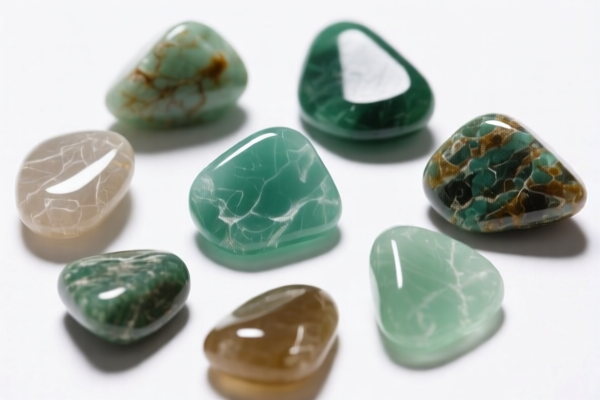
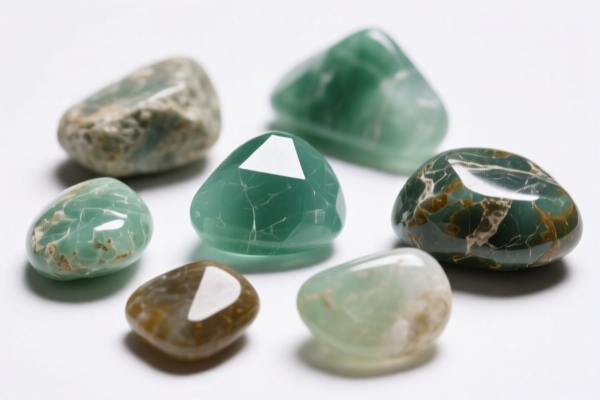
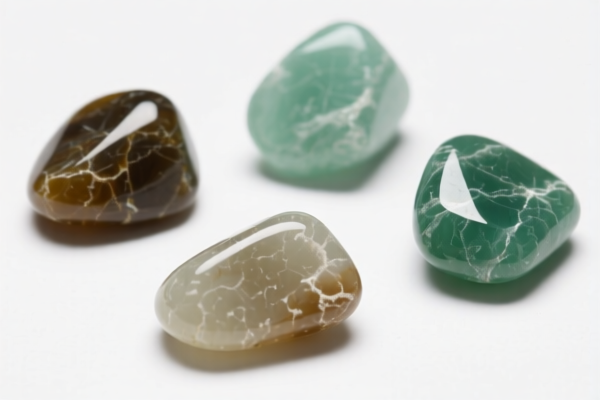
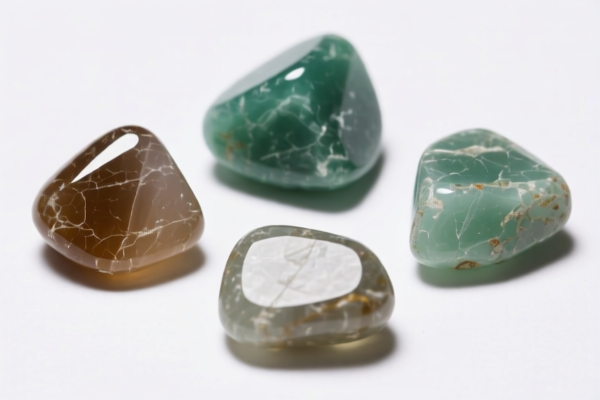
AI Analysis
🪨 Roughly Processed Material (Stone)
🌐 HS Code Reference & Customs Clearance Guide | 2026 Latest Tariff Analysis | Professional Entry Strategy
📌 I. Product Definition & Classification: What is "Roughly Processed Stone"?
Roughly processed stone refers to natural stone materials that have undergone initial shaping but have not yet reached their final finished state. In international trade, these materials are primarily categorized by material type (e.g., marble, granite, sandstone) and processing level (roughly squared, roughly trimmed, or simply cut).
Key Distinction Points: - Material Type: Marble, Travertine, Onyx, etc. vs. Granite, Basalt, etc. vs. Sandstone. - Processing Level: "Roughly squared" (simple geometric shape) vs. "Roughly trimmed" (cut into slabs/blocks but unpolished). - Final Use: Not yet for construction finishing (like tiles or countertops), but rather for further加工 or structural use.
⚠️ Critical Classification Rule:
- If the stone is Marble/Travertine/Onyx, it generally falls under 2515.
- If the stone is Granite/Slate/Sandstone, it generally falls under 2516 or 6802 (if processed into specific articles).
- Rough processing implies minimal shaping (e.g., sawn blocks, roughly squared pillars) without polishing, grinding, or intricate carving.
📦 II. HS Code Classification Details (2026 Latest Tariff Authority Comparison)
Based on the provided data, here is the detailed breakdown for roughly processed stone materials:
| HS Code | Product Description | Material Type | Processing State |
|---|---|---|---|
2515.11.00.00 |
Roughly Processed Stone, roughly squared or trimmed | Marble, Travertine, Onyx | Roughly squared/trimmed |
2515.20.00.00 |
Roughly Processed Stone, roughly squared or trimmed | Other Limestone & Calcareous Stone | Roughly squared/trimmed |
2516.11.00.00 |
Roughly Processed Stone, roughly squared or trimmed | Granite, Porphyry, Basalt | Roughly squared/trimmed |
2516.20.10.00 |
Roughly Processed Stone, roughly squared or trimmed | Sandstone | Roughly squared/trimmed |
6802.23.00.00 |
Worked Monumental/Building Stone, simply cut/sawn | General Stone (Various) | Simply cut/sawn (no complex finishing) |
🔍 Key Reminder:
- 2515.11.00.00 is specific to Marble/Travertine/Onyx. Do not confuse with granite (which is 2516).
- 2516.11.00.00 is for Granite/Porphyry/Basalt. These are harder stones than marble.
- 2516.20.10.00 is specifically for Sandstone.
- 6802.23.00.00 covers worked stone (like simple sawn blocks) that does not fall into the specific "roughly squared" categories of Chapter 25, or is considered a "worked article" rather than a raw material.
💰 III. 2026 Latest Tariff Rate Breakdown (Including Additional Taxes & Policy Surcharges)
✅ Applicable Country: United States (US)
✅ Origin: China (CN)
✅ Effective Time: From November 10, 2025 (including subsequent imports)
🎯 1. 2515.11.00.00 – Marble/Travertine/Onyx, Roughly Squared
| Item | Content |
|---|---|
| Base Tariff | 0.0% |
| Section 301 Additional Tariff | +25.0% |
| Section 122 Tariff | +10.0% |
| Total Tariff Rate | 35.0% |
| Tax Calculation | CIF Value × 35.0% |
| De Minimis Exemption Available? | ❌ No (denied_de_minimis) |
| Legal Basis Path | IEEPA:9903.01.25 → IEEPA:9903.01.24 → USITC:2515.11.00.00 → FOOTNOTE:9903.88.01 |
📌 Explanation:
- Although the base tariff for marble is 0%, the Section 301 additional tariff of 25% applies to Chinese-origin stone products.
- The Section 122 tariff of 10% is also applied, bringing the total to 35%.
- This is a high-cost category; proper classification is critical to avoid overpayment.
🎯 2. 2515.20.00.00 – Other Limestone/Calcareous Stone, Roughly Squared
| Item | Content |
|---|---|
| Base Tariff | 3.0% |
| Section 301 Additional Tariff | +25.0% |
| Section 122 Tariff | +10.0% |
| Total Tariff Rate | 38.0% |
| Tax Calculation | CIF Value × 38.0% |
| De Minimis Exemption Available? | ❌ No |
| Legal Basis Path | IEEPA:9903.01.25 → IEEPA:9903.01.24 → USITC:2515.20.00.00 → FOOTNOTE:9903.88.01 |
📌 Note:
- This category applies to limestone, chalk, and oolite (non-marble calcareous stones).
- The base tariff is 3%, which is higher than marble (0%).
- Total 38% makes this even more expensive than marble imports.
🎯 3. 2516.11.00.00 – Granite, Porphyry, Basalt, Roughly Squared
| Item | Content |
|---|---|
| Base Tariff | 0.0% |
| Section 301 Additional Tariff | +25.0% |
| Section 122 Tariff | +10.0% |
| Total Tariff Rate | 35.0% |
| Tax Calculation | CIF Value × 35.0% |
| De Minimis Exemption Available? | ❌ No |
| Legal Basis Path | IEEPA:9903.01.25 → IEEPA:9903.01.24 → USITC:2516.11.00.00 → FOOTNOTE:9903.88.01 |
📌 Explanation:
- Granite is a hard stone and is classified under Chapter 2516.
- Like marble, it has a 0% base tariff but is subject to the same 35% total tax due to Section 301 and 122 tariffs.
🎯 4. 2516.20.10.00 – Sandstone, Roughly Squared
| Item | Content |
|---|---|
| Base Tariff | 0.0% |
| Section 301 Additional Tariff | +25.0% |
| Section 122 Tariff | +10.0% |
| Total Tariff Rate | 35.0% |
| Tax Calculation | CIF Value × 35.0% |
| De Minimis Exemption Available? | ❌ No |
| Legal Basis Path | IEEPA:9903.01.25 → IEEPA:9903.01.24 → USITC:2516.20.10.00 → FOOTNOTE:9903.88.01 |
📌 Note:
- Sandstone is also classified under Chapter 2516 but in a different subheading than granite.
- The tariff rate is identical to granite: 35% total.
🎯 5. 6802.23.00.00 – Worked Stone, Simply Cut/Sawn
| Item | Content |
|---|---|
| Base Tariff | 3.7% |
| Section 301 Additional Tariff | +25.0% |
| Section 122 Tariff | +10.0% |
| Total Tariff Rate | 38.7% |
| Tax Calculation | CIF Value × 38.7% |
| De Minimis Exemption Available? | ❌ No |
| Legal Basis Path | IEEPA:9903.01.25 → IEEPA:9903.01.24 → USITC:6802.23.00.00 → FOOTNOTE:9903.88.01 |
📌 Explanation:
- This HS code is for worked stone articles that are simply cut or sawn but do not fit the specific "roughly squared" definitions of Chapters 2515/2516.
- It has a higher base tariff (3.7%) than most marble/granite codes.
- Total 38.7% is the highest tariff rate among the listed codes. Use this only if the product does not fit other categories.
🛠️ IV. Customs Clearance Operational Advice (Practical Pitfall Guide)
✅ 1. Required Documentation Checklist (No Exceptions)
| Document | Mandatory | Description |
|---|---|---|
| ✅ Product Specification Sheet | ✔️ | Must specify material type (Marble, Granite, Sandstone), dimensions, and processing level. |
| ✅ Product Photos | ✔️ | Clear images showing the surface texture, edges, and any markings. Must clearly show "rough" state. |
| ✅ Commercial Invoice | ✔️ | Must accurately describe the product using the exact HS Code description (e.g., "Roughly Squared Granite Blocks"). |
| ✅ Packing List | ✔️ | Detail the weight, volume, and packaging method. |
| ✅ Certificate of Origin (CO) | ✔️ | Proof of Chinese origin for tariff calculation. |
| ✅ Customs Declaration Form | ✔️ | Accurate HS Code declaration. |
✅ 2. Declaration Tips (Key Mantras)
🔥 "Material First, Processing Second, Name Accurate, Tax Avoided!"
| Situation | Correct Declaration | Incorrect Practice |
|---|---|---|
| Marble Blocks | 2515.11.00.00 |
Misclassified as Granite → Wrong tax base |
| Granite Blocks | 2516.11.00.00 |
Misclassified as Marble → Confusion |
| Sandstone Blocks | 2516.20.10.00 |
Misclassified as General Stone → Higher tax |
| Simply Sawn Slabs | 6802.23.00.00 |
Misclassified as "Roughly Squared" → May face penalties |
| Polished Stone | Not in this list | Must use different HS codes (e.g., 6802.93) |
⚠️ Warning:
- Do not declare polished or finished stone as "roughly processed."
- Do not mix different stone types in one declaration line without clear separation.
- Do not use vague terms like "Stone Blocks" without specifying the material.
✅ 3. Special Case Handling
| Situation | Handling Advice |
|---|---|
| Mixed Material Shipment | Separate declarations for Marble, Granite, and Sandstone to ensure accurate tariff application. |
| Partial Polishing | If any surface is polished, it may no longer qualify as "roughly processed" and may fall under 6802. |
| OEM Custom Shapes | Provide design drawings to prove the "roughly squared" state. |
| High-Value Stone | Consider applying for Advance Ruling to confirm HS Code and avoid post-clearance audits. |
🌍 V. Global Market Comparison (2026 Latest)
| Country/Region | Recommended HS Code | Tariff Rate | Certification Requirements | Notes |
|---|---|---|---|---|
| 🇺🇸 United States | 2515.11.00.00 / 2516.11.00.00 |
35.0% (Marble/Granite) 38.0% (Limestone) 38.7% (Worked Stone) |
None specific for raw stone | High tariff barrier; budget accordingly. |
| 🇨🇳 China | 2515.11.00.00 |
0% (Base) | N/A | No additional tariffs for domestic use. |
| 🇪🇺 European Union | 2515.11.00.00 |
0% - 2.5% | CE Marking (if construction product) | No Section 301/122 equivalents. |
| 🇬🇧 United Kingdom | 2515.11.00.00 |
0% - 2.5% | UKCA Marking | Post-Brexit rules apply. |
| 🇦🇺 Australia | 2515.11.00.00 |
5% | N/A | Moderate tariff, no additional taxes. |
📌 Conclusion:
- The US market imposes the highest effective tariff (35-38.7%) due to Section 301 and 122 measures.
- Marble and Granite have slightly lower total tariffs (35%) compared to Limestone and Worked Stone (38-38.7%).
- Non-US markets (EU, UK, AU) are significantly cheaper for stone imports.
📌 VI. Common Errors & Pitfall Guide (Lessons Learned)
❌ Error 1: Misclassifying Marble as Granite
👉 Consequence: No direct tax difference (both 35%), but may trigger customs audit for material misrepresentation.
❌ Error 2: Declaring Polished Stone as Roughly Processed
👉 Consequence: Underpayment of duties; potential fines and back taxes. Polished stone often falls under 6802 with different rates.
❌ Error 3: Vague Description: "Stone Blocks"
👉 Consequence: Customs may assign a default higher tariff code or demand additional documentation, causing delays.
❌ Error 4: Ignoring Section 122 Tariff
👉 Consequence: Underpayment by 10%; significant financial loss and penalties.
✅ Correct Practice:
"Roughly Squared Marble Blocks, Unpolished, for Construction Use, Model XYZ, Origin China"
🎯 VII. Conclusion: Professional Declaration, Cost Optimization, Risk Mitigation!
🎯 Remember the Mantra:
🔹 "Material Dictates Code, Processing Dictates Rate. Marble & Granite 35%, Limestone 38%, Worked 38.7%!"
🔹 "HS Code is Life, Tariff Difference is Wealth, Declaration Precision Saves Money!"
📌 Tips:
- If your stone is originating from Vietnam, Mexico, Thailand, or Malaysia, you may qualify for IEEPA exemptions, reducing the tariff to 0%~5%.
- It is highly recommended to apply for an Advance Ruling before shipment to ensure correct HS Code classification and avoid post-clearance disputes.
📣 Immediate Action:
📞 Contact a professional customs broker + Provide product photos + Apply for HS Code Advance Ruling
🚀 Let your stone clear customs smoothly, export efficiently, and maximize profits!
✨ Professional Clearance Starts with Accurate Classification!
💼 Every cent of your cost deserves to be calculated precisely!
Customer Reviews
About HS Code Classification
The Harmonized System (HS) is an internationally standardized nomenclature developed by the World Customs Organization (WCO) to classify traded products. Over 200 countries use the HS system as the basis for customs tariffs, trade statistics, and import/export regulations.
Each HS code follows a hierarchical structure:
- Chapter (2 digits) — Broad category of goods (e.g., Chapter 84: Machinery and Mechanical Appliances)
- Heading (4 digits) — More specific grouping within the chapter
- Subheading (6 digits) — Internationally standardized breakdown, used by all WCO member countries
- National subdivisions (8-10 digits) — Country-specific extensions for further classification, such as US HTSUS 10-digit codes
Correct HS code classification is essential for smooth customs clearance, accurate duty payment, and compliance with trade regulations. Misclassification can lead to customs delays, overpayment of duties, or penalties.
When importing from CN to US, the applicable tariff rates may include:
- Most-Favored-Nation (MFN) rate — The standard duty rate applied to WTO members
- General rate — Applied to countries without trade agreements
- Trade remedy duties — Additional tariffs such as Section 301 (anti-dumping), Section 232 (national security), or countervailing duties
The information provided on this page is for reference purposes only. For official classification, please consult with your local customs authority or a licensed customs broker.