Roughly Processed Wood
CN → US| HS Code | Tariff Rate | Origin | Destination | Doc |
|---|---|---|---|---|
| 4407120017 | 35.0% | CN | US | Official Doc |
| 4407120019 | 35.0% | CN | US | Official Doc |
| 2516110000 | 35.0% | CN | US | Official Doc |
| 2516201000 | 35.0% | CN | US | Official Doc |
| 6802230000 | 38.7% | CN | US | Official Doc |
Product Images
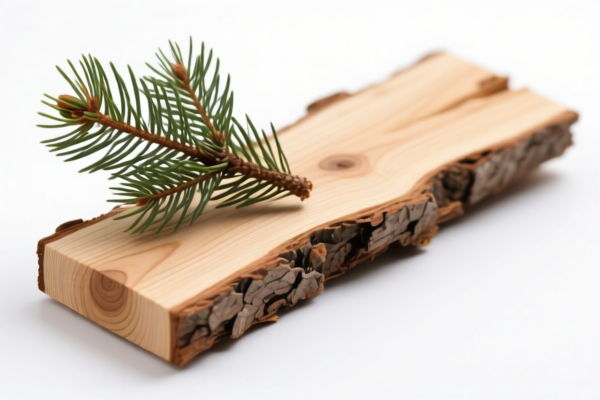
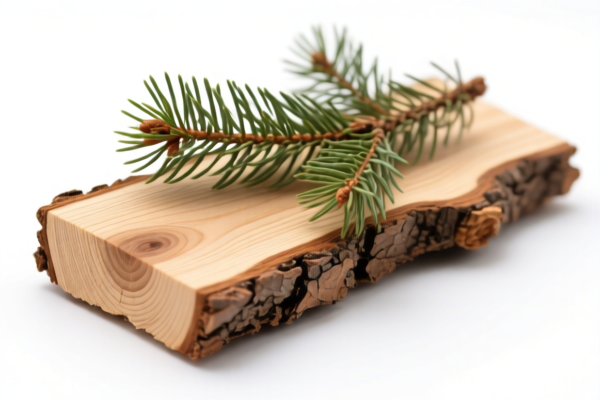
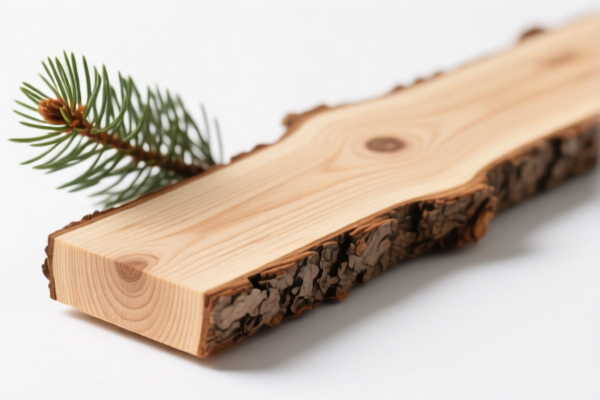
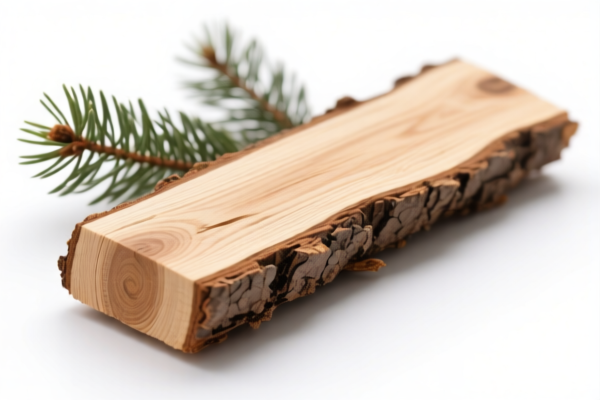
AI Analysis
🌲 Roughly Processed Wood (Spruce & Pine)
🌐 HS Code Reference & Customs Clearance Guide | 2026 Latest Tariff Analysis | Professional Customs Strategy
📌 I. Product Definition & Classification: What is "Roughly Processed Wood"?
Roughly processed wood refers to timber that has been sawn or chipped longitudinally but has not been planed, sanded, or joined. In international trade, this category is critical because it sits between raw logs and finished lumber, triggering specific tariff structures, especially for US imports from China.
The most common types under this classification include: * Spruce (Picea spp.): Often used for construction, pulp, and general carpentry. * Pine (Pinus spp.): Widely used in construction and furniture manufacturing.
⚠️ Key Distinction:
- If the wood is merely sawn (square-edged or round-edged) without planing → Chapter 44 (Roughly Processed Wood)
- If the wood is planed, sanded, or tongued/grooved → Chapter 44 (Finished/Semi-finished Lumber) or Chapter 46
- Note: The data provided specifically highlights Spruce (Sitka Spruce) and general Rough Pine/Spruce forms.
📦 II. HS Code Classification Details (2026 Latest Tariff Authority对照)
Based on the provided , here are the specific HS Codes for roughly processed wood (and related rough stone materials mentioned for context):
| HS Code | Product Description | Material/State | Application Scenario |
|---|---|---|---|
4407.12.00.17 |
Roughly processed spruce wood | Sitka Spruce / Rough stock | Construction framing, industrial use, pulp |
4407.12.00.19 |
Roughly processed spruce wood | General Spruce / Rough state | General timber trade, unplaned lumber |
2516.11.00.00 |
Roughly processed stone | General Stone / Roughly worked | Construction aggregates, rough slabs |
2516.20.10.00 |
Roughly processed stone | Sandstone / Rough/Unfinished | Cladding, rough hewn blocks |
6802.23.00.00 |
Roughly worked stone articles | Stone articles / Simply cut/sawn | Basic stone components, non-decorative |
🔍 Focus on Wood (Chapter 44):
- The core HS Codes for your query are 4407.12.00.17 and 4407.12.00.19.
- These fall under Heading 4407: Wood sawn or chipped lengthwise, sliced or peeled, whether or not planed, sanded or finger-jointed, of a thickness exceeding 6 mm.
- Subheading 4407.12 specifically refers to Of Spruce or Pine (Southern Pine).
💰 III. 2026 Latest Tariff Rate Breakdown (Including Surtaxes & Policy Surcharges)
✅ Applicable Country: United States (US)
✅ Origin: China (CN)
✅ Effective Date: 2025/2026 (Based on provided data context)
🎯 1. 4407.12.00.17 & 4407.12.00.19 — Roughly Processed Spruce/Pine Wood
| Item | Detail |
|---|---|
| Basic Tariff (MFN) | 0.0% (Ad Valorem) |
| Section 301 Surtax | +25.0% (USITC Footnote 9903.88.01) |
| 122 Clause Tariff | +10.0% (Specific USITC provision for Chinese wood products) |
| Total Tariff Rate | 35.0% |
| Tax Calculation | CIF Value × 35% |
| De Minimis Exemption | ❌ Not Applicable (Most wood products from China are excluded from de minimis relief under current enforcement) |
| Legal Basis Path | USITC:4407.12.00.17 → FOOTNOTE:9903.88.01 → Section 301 + 122 Clause |
📌 Explanation:
- "Basic Tariff 0%": Under normal Most Favored Nation (MFN) status, wood products often enter at 0%.
- "+25% Section 301": This is the primary retaliatory tariff imposed on a wide range of Chinese goods.
- "+10% 122 Clause Tariff": This specific surcharge targets Chinese wood and stone products, effectively adding an extra layer of duty on top of Section 301.
- Total 35%: This is a high-cost burden for importers. Profit margins on rough lumber are typically thin, making this tariff significant.
🎯 2. Related Stone Products (For Context)
| Item | Detail |
|---|---|
| Basic Tariff | 0.0% (for 2516.11/20) or 3.7% (for 6802.23) |
| Section 301 Surtax | +25.0% |
| 122 Clause Tariff | +10.0% |
| Total Tariff Rate | 35.0% (for 2516 codes) or 38.7% (for 6802.23) |
🛠️ IV. Customs Clearance Practical Advice (Battle-Tested Pitfall Guide)
✅ 1. Preparation Checklist (Essential Documents)
| Document | Required | Explanation |
|---|---|---|
| ✅ Commercial Invoice | ✔️ | Must clearly state "Roughly Processed Spruce/Pine Wood" and specify Sitka Spruce if applicable. |
| ✅ Packing List | ✔️ | Detail the number of bundles, total volume (CBM), and weight. |
| ✅ Phytosanitary Certificate | ✔️ | CRITICAL: Required by USDA APHIS to prove wood is free from pests and diseases. |
| ✅ Fumigation Certificate | ✔️ | Proof that the wood has been treated (e.g., MB or Heat Treatment) per ISPM 15 standards. |
| ✅ Bill of Lading | ✔️ | Standard shipping document. |
| ✅ Product Photos | ✔️ | Show the rough state (no planing, no jointing) to prove it matches HS 4407. |
📌 Note: If the wood is planed, sanded, or has tongues/grooves, it may still be 4407, but if it is fully finished (sanded, polished), it might move to 4409 (Wood continuously shaped), which could have different tariff implications. Stick to "Rough" to match 4407.12.
✅ 2. Declaration Tips (Critical Keywords)
🔥 "Rough State, No Planing, Spruce/Pine Origin, Fumigated"
| Scenario | Correct Declaration | Error to Avoid |
|---|---|---|
| Sitka Spruce, Rough Sawn | 4407.12.00.17 |
Misdeclare as "Pine" → Risk of audit. |
| General Spruce, Rough Sawn | 4407.12.00.19 |
Misdeclare as "Finished Lumber" → Higher duty or rejection. |
| Sandstone, Rough Cut | 2516.20.10.00 |
Misdeclare as "Processed Stone" → Higher duty. |
| Stone Articles, Simply Cut | 6802.23.00.00 |
Misdeclare as "Raw Stone" → Incorrect classification. |
✅ 3. Special Considerations for Wood Imports
| Issue | Recommendation |
|---|---|
| Phytosanitary Compliance | Ensure all wood has an ISPM 15 Mark (heat treatment stamp). Without this, customs will reject the shipment or order re-export. |
| Origin Declaration | Clearly state "Made in China" to avoid penalties for misdeclaration. Tariff rates are origin-specific. |
| Volume Measurement | Declare both Weight and Volume (CBM). Wood tariffs can sometimes be volume-based depending on specific trade agreements, but US duties are typically ad valorem (CIF value). |
| Anti-Dumping Duties | Check if specific types of Chinese wood face Anti-Dumping (AD) or Countervailing Duty (CVD) investigations. While the provided data shows 35%, additional AD/CVD could apply if a specific investigation is active. |
🌍 V. Global Market Comparison (2026 Overview)
| Country/Region | Recommended HS Code | Tariff Rate (China Origin) | Certification Requirements | Notes |
|---|---|---|---|---|
| 🇺🇸 USA | 4407.12.00.17/19 |
35% (0% + 25% + 10%) | Phytosanitary + ISPM 15 | Highest barrier due to 301 + 122 Clause. |
| 🇨🇳 China | 4407.12.00.17/19 |
0-5% (Import Duty) | None for export | Low duty on import, but focus is on export compliance. |
| 🇪🇺 EU | 4407.12.00 |
0-2.5% | FLEGT License / Due Diligence | No Section 301 equivalent, but strict deforestation regulations (EUDR) apply from 2025. |
| 🇬🇧 UK | 4407.12.00 |
0-2.5% | UK EUTR Due Diligence | Similar to EU, post-Brexit rules apply. |
📌 Conclusion:
- The USA is the most challenging market for Chinese wood products due to the 35% total tariff.
- The EU and UK have lower tariffs but stricter environmental regulations (Deforestation-Free Supply Chain).
- Consider transshipment or third-country processing (e.g., Vietnam, Mexico) to mitigate US tariffs, but beware of rules of origin audits.
📌 VI. Common Errors & Pitfalls (Lessons from Experience)
❌ Error 1: Declaring "Planed Lumber" as "Roughly Processed Wood"
👉 Consequence: Misdeclaration. If the wood is planed, it may still be 4407, but if it’s fully finished, it could be 4409. Incorrect description leads to customs delays and fines.
❌ Error 2: Missing Phytosanitary Certificate
👉 Consequence: Shipment rejected by USDA APHIS. Wood must be fumigated or heat-treated. No cert = No entry.
❌ Error 3: Ignoring the "122 Clause"
👉 Consequence: Underpaying duties. The 10% surcharge is specific and often overlooked. Expect 35%, not just 25%.
❌ Error 4: Confusing Sitka Spruce with General Spruce
👉 Consequence: Using 4407.12.00.19 for Sitka Spruce. While both are 4407.12, specific sub-codes exist (17 for Sitka). Misclassification can lead to targeted audits.
✅ Correct Practice:
"Roughly Sawn Sitka Spruce Lumber, Heat Treated (ISPM 15), No Planing, From China"
🎯 VII. Conclusion: Professional Declaration Saves Money!
🎯 Remember the Mantra:
🔹 "Rough State, 35% Total, Phytosanitary is Key!"
🔹 "HS 4407.12 for Spruce/Pine, 0% Base + 25% 301 + 10% 122!"
📌 Pro Tip:
If you are importing large volumes, consider applying for a Section 301 Exclusion (if available) or restructuring your supply chain to source from non-China origins to avoid the 35% tariff burden.
📣 Immediate Action:
📞 Contact a licensed customs broker + Provide Phytosanitary Cert + Verify ISPM 15 Stamp
🚀 Ensure your wood products clear US Customs smoothly and avoid costly rejections!
✨ Precise Classification, Cost-Effective Clearance!
💼 Your Wood Shipment Deserves Expert Handling!
Customer Reviews
About HS Code Classification
The Harmonized System (HS) is an internationally standardized nomenclature developed by the World Customs Organization (WCO) to classify traded products. Over 200 countries use the HS system as the basis for customs tariffs, trade statistics, and import/export regulations.
Each HS code follows a hierarchical structure:
- Chapter (2 digits) — Broad category of goods (e.g., Chapter 84: Machinery and Mechanical Appliances)
- Heading (4 digits) — More specific grouping within the chapter
- Subheading (6 digits) — Internationally standardized breakdown, used by all WCO member countries
- National subdivisions (8-10 digits) — Country-specific extensions for further classification, such as US HTSUS 10-digit codes
Correct HS code classification is essential for smooth customs clearance, accurate duty payment, and compliance with trade regulations. Misclassification can lead to customs delays, overpayment of duties, or penalties.
When importing from CN to US, the applicable tariff rates may include:
- Most-Favored-Nation (MFN) rate — The standard duty rate applied to WTO members
- General rate — Applied to countries without trade agreements
- Trade remedy duties — Additional tariffs such as Section 301 (anti-dumping), Section 232 (national security), or countervailing duties
The information provided on this page is for reference purposes only. For official classification, please consult with your local customs authority or a licensed customs broker.