Round Bamboo Floor Mat
CN → US| HS Code | Tariff Rate | Origin | Destination | Doc |
|---|---|---|---|---|
| 4602110700 | 35.0% | CN | US | Official Doc |
| 4602114500 | 41.6% | CN | US | Official Doc |
| 5705002090 | 38.3% | CN | US | Official Doc |
| 4421919880 | 38.3% | CN | US | Official Doc |
| 4421999880 | 38.3% | CN | US | Official Doc |
Product Images
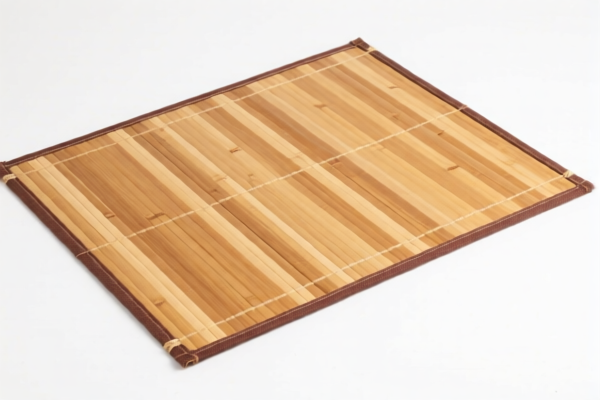
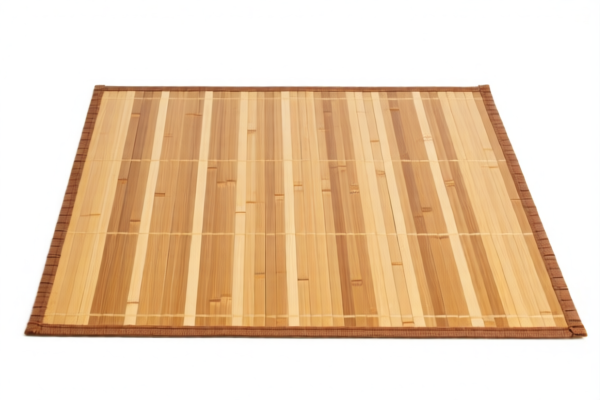
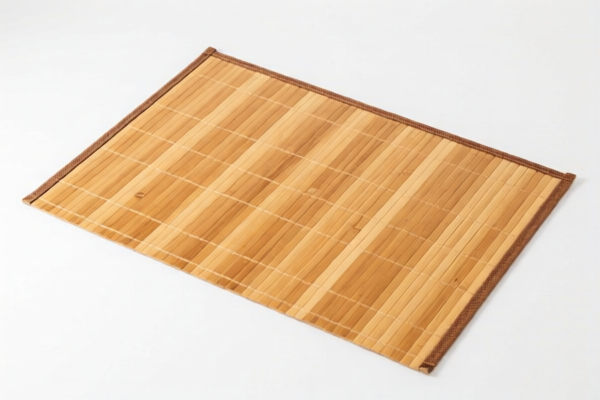
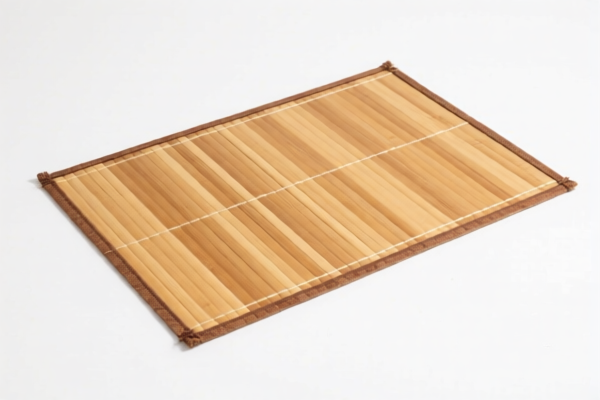
AI Analysis
🎋 Round Bamboo Floor Mat (Zhu Bian Di Dian)
🌐 HS Code Reference & Customs Clearance Guide | 2026 Latest Tariff Analysis | Professional Clearance Strategy
📌 I. Product Definition & Classification: What Exactly Is a "Bamboo Floor Mat"?
A Round Bamboo Floor Mat is a decorative or functional floor covering made primarily from processed bamboo strips, woven or bound together. In international trade, its classification is not straightforward. It depends entirely on the manufacturing process, material composition, and specific usage. Is it a textile? A wooden product? Or a specialized woven article?
⚠️ Key Distinction Points:
- If it is classified as a "Woven Article of Vegetables Fibers" (Chapter 46) → HS 4602.
- If it is classified as a "Floor Covering of Textile Materials" (Chapter 57) → HS 5705.
- If it is classified as a "Wood/Bamboo Product" (Chapter 44) → HS 4421.
📦 II. HS Code Classification Details (2026 Latest Tariff Authority Comparison)
Based on the provided data, here are the 5 possible HS Codes for a "Round Bamboo Floor Mat" and the reasoning behind each:
| HS Code | Product Description | Application Scenario | Tariff Category Logic |
|---|---|---|---|
4602.11.07.00 |
Bamboo woven floor mat, material: bamboo, form: woven, use: matting | Classified under Chapter 46 (Articles of Wickerwork); specifically "Wickerwork of bamboo". | Category: Woven Vegetable Fiber Products. |
4602.11.45.00 |
Bamboo woven floor mat, categorized as "Other bamboo woven products" | Also Chapter 46, but a different sub-heading for "Other" woven bamboo items not fitting the first specific code. | Category: Woven Vegetable Fiber Products (Other). |
5705.00.20.90 |
Bamboo floor mat, classified as Textile/Fiber Floor Covering | Misclassification or specific interpretation where bamboo is treated as a "textile fiber" for floor coverings. | Category: Other Carpets & Floor Coverings of Textile Materials. |
4421.91.98.80 |
Bamboo woven floor mat, categorized as "Other wood/bamboo products" | Classified under Chapter 44 (Wood and articles of wood); bamboo is often treated akin to wood. | Category: Wooden/Bamboo Articles (Other). |
4421.99.98.80 |
Bamboo woven floor mat, classified as "Other wooden products (Fallback)" | The generic "catch-all" for wooden/bamboo items in Chapter 44 that don't fit other specific subheadings. | Category: Wooden/Bamboo Articles (General/Other). |
🔍 Critical Reminder:
- Chapter 46 (4602.11) is the most accurate for traditional "woven bamboo" products if the bamboo is not processed like wood (e.g., laminated or pressed).
- Chapter 57 (5705.00) is risky unless the product is explicitly manufactured like a textile carpet (e.g., thin bamboo strips fused with backing).
- Chapter 44 (4421.91/99) applies if the bamboo is processed into planks, panels, or rigid structures resembling wood products.
💰 III. 2026 Latest Tariff Rate Breakdown (Including Additional Taxes & Policy Surcharges)
✅ Applicable Country: United States (US)
✅ Origin: China (CN)
✅ Effective Time: 2025 November 10 onwards (including subsequent imports)
🎯 1. 4602.11.07.00 —— Wickerwork of Bamboo (Specific Woven Mat)
| Item | Content |
|---|---|
| Base Tariff | 0% (ad valorem) |
| USITC Additional Tariff | +25% (Section 301 Tariffs) |
| IEEPA Additional Tariff | +10% (China/HK specific, effective Nov 10, 2025) |
| Total Rate | 35.0% |
| Tax Calculation | CIF Value × 35% |
| De Minimis Eligibility | ❌ No (deny_de_minimis) |
| Legal Basis Path | IEEPA:9903.01.25 → IEEPA:9903.01.24 → USITC:4602.11.07.00 → FOOTNOTE:Section 301 |
📌 Explanation:
- Base 0%: Wickerwork of bamboo often enjoys low base tariffs.
- 25% Section 301: Standard additional tariff for Chinese goods.
- 10% IEEPA: New surcharge targeting specific Chinese categories.
- Total 35%: High, but lowest among the 5 options!
🎯 2. 4602.11.45.00 —— Other Bamboo Woven Products
| Item | Content |
|---|---|
| Base Tariff | 6.6% |
| USITC Additional Tariff | +25% |
| IEEPA Additional Tariff | +10% |
| Total Rate | 41.6% |
| Tax Calculation | CIF Value × 41.6% |
| De Minimis Eligibility | ❌ No |
| Legal Basis Path | IEEPA:9903.01.25 → IEEPA:9903.01.24 → USITC:4602.11.45.00 |
📌 Note:
- The 6.6% base tariff makes this option expensive.
- Only choose this if4602.11.07.00is rejected by customs due to specific product features.
🎯 3. 5705.00.20.90 —— Textile Floor Coverings
| Item | Content |
|---|---|
| Base Tariff | 3.3% |
| USITC Additional Tariff | +25% |
| IEEPA Additional Tariff | +10% |
| Total Rate | 38.3% |
| Tax Calculation | CIF Value × 38.3% |
| De Minimis Eligibility | ❌ No |
| Legal Basis Path | IEEPA:9903.01.25 → IEEPA:9903.01.24 → USITC:5705.00.20.90 |
📌 Caution:
- Misclassifying a bamboo mat as a "textile" can lead to customs penalties if not strictly compliant.
- Total rate (38.3%) is higher than4602.11.07.00(35%).
🎯 4 & 5. 4421.91.98.80 & 4421.99.98.80 —— Wood/Bamboo Articles
| Item | Content |
|---|---|
| Base Tariff | 3.3% |
| USITC Additional Tariff | +25% |
| IEEPA Additional Tariff | +10% |
| Total Rate | 38.3% |
| Tax Calculation | CIF Value × 38.3% |
| De Minimis Eligibility | ❌ No |
| Legal Basis Path | IEEPA:9903.01.25 → IEEPA:9903.01.24 → USITC:4421.91/99 |
📌 Note:
- Both codes have the same total rate (38.3%).
-4421.91.98.80is for "Other wood/bamboo products," while4421.99.98.80is the generic fallback.
- These are higher than the optimal 4602.11.07.00.
🛠️ IV. Customs Clearance Practical Advice (Real-World Pitfall Avoidance)
✅ 1. Documentation Checklist (Missing Any = Delay/Rejection)
| Document | Must Provide | Description |
|---|---|---|
| ✅ Product Specification Sheet | ✔️ | Dimensions, weave pattern, bamboo species, treatment (heat-treated/chemically treated). |
| ✅ Material Composition Certificate | ✔️ | Prove it is 100% Bamboo (or specify % if blended). Critical for Chapter 46 vs. 44. |
| ✅ Product Photos (Detailed) | ✔️ | Show the weave structure, backing material (if any), and edges. |
| ✅ Commercial Invoice | ✔️ | Clearly state "Woven Bamboo Floor Mat" or "Bamboo Wickerwork". Avoid vague terms like "Bamboo Product." |
| ✅ Packing List | ✔️ | Show weight, dimensions, and number of pieces. |
| ✅ FSC/PEFC Certificate (Optional) | ✔️ | If sustainability is required by the buyer, though not mandatory for US customs. |
✅ 2. Declaration Tips (Key Mantras)
🔥 "Weave Structure is Key, Chapter 46 is King, Base 0% Saves Money!"
| Scenario | Correct Declaration | Wrong Practice |
|---|---|---|
| Traditional Woven Bamboo | HS 4602.11.07.00 | Misclassifying as Wood (4421) → Higher Tax |
| Bamboo Mat with Fabric Backing | Check if it's still "Woven" | If heavily backed, might fall to 5705/4421 → 38.3% Tax |
| Laminated Bamboo Panels | HS 4421.91.98.80 | Calling it "Woven" → Customs Rejection |
| Vague Description "Bamboo Rug" | Use Specific Description | Vague terms → Delayed Release & Audit |
✅ 3. Special Handling Cases
| Case | Handling Advice |
|---|---|
| Bamboo Mat with Non-Woven Backing | If the backing is integral, still try 4602.11.07.00. If backing is separate, consider 5705.00.20.90. |
| Heat-Treated Bamboo | Specify "Heat-Treated" to prevent pest concerns, but does not change HS Code. |
| Custom/Made-to-Order | Provide order details to prove it's a standard woven mat, not a unique art piece (which might have different rules). |
| Mixed Materials (e.g., Bamboo + Rattan) | If >50% bamboo by weight/value, still likely 4602. If mixed evenly, consult customs broker. |
🌍 V. Global Market Comparison (2026 Latest)
| Country/Region | Recommended HS Code | Tariff (China Origin) | Certification Requirements | Notes |
|---|---|---|---|---|
| 🇺🇸 USA | 4602.11.07.00 |
35% (Optimal) | FSC (Optional), Phytosanitary (if raw) | Highest risk market due to Section 301. |
| 🇨🇳 China | 4602.11.07.00 |
~0-5% (Export) | N/A | Domestic production tax incentives may apply. |
| 🇪🇺 EU | 4602.11.00.00 |
0% | FSC/PEFC (Preferred), No FSC (Standard) | Lowest tariff market for bamboo. |
| 🇦🇺 Australia | 4602.11.00.00 |
~0-5% | N/A | Free Trade Agreement may apply. |
| 🇯🇵 Japan | 4602.11.00.00 |
~0-5% | Fumigation Certificate (if raw) | Strict phytosanitary rules for bamboo. |
📌 Conclusion:
- USA has the highest tariffs due to political tariffs (301 + IEEPA).
- EU/Australia/Japan offer significantly lower costs for the same product.
- Optimization: If possible, consider market diversification to reduce tariff burden.
📌 VI. Common Errors & Pitfall Guide (Lessons from Blood & Tears)
❌ Error 1: Classifying as 4421 (Wood) instead of 4602 (Wickerwork)
👉 Consequence: Base tax jumps from 0% to 3.3% → Total rate increases from 35% to 38.3%.
(Savings: 3.3% on CIF value)
❌ Error 2: Vague Description "Bamboo Rug"
👉 Consequence: Customs may reclassify to 4421 or 5705 → Delay + Possible Penalties.
❌ Error 3: Ignoring Section 301 & IEEPA in Cost Calculation
👉 Consequence: Underquoting landing cost → Profit margin wiped out.
(35% is not a small number!)
❌ Error 4: Not Specifying "Woven" Structure
👉 Consequence: Customs may view it as a bamboo panel (4421) → Higher base tax.
✅ Correct Practice:
"Round Woven Bamboo Floor Mat, 100% Natural Bamboo, Heat-Treated, Wickerwork Product, HS 4602.11.07.00"
🎯 VII. Conclusion: Professional Declaration, Save Cost & Time!
🎯 Remember the Mantra:
🔹 "Woven is 46, Base is 0, 35% Total is Best!"
🔹 "Don't say Wood, Say Wickerwork, Save 3.3% Base!"
🔹 "301 + IEEPA = 35%, Plan Your Pricing!"
📌 Pro Tip:
If your bamboo mat is originating from Vietnam, Thailand, or Malaysia, you may qualify for IEEPA exemptions or lower Section 301 rates due to supply chain shifts.
Recommendation:
1. Apply for Advance Ruling from US Customs to confirm 4602.11.07.00.
2. Ensure precise description on invoices.
3. Consider diversifying to EU/ASEAN markets for better margins.
📣 Take Action Now:
📞 Contact a Professional Customs Broker + Provide Product Photos + Apply for HS Pre-Ruling
🚀 Let your Bamboo Mats Clear Customs Smoothly, Maximize Profit, and Expand Global Sales!
✨ Professional Clearance Starts with Accurate Classification!
💼 Every Percent of Tax Saved Is Pure Profit!
Customer Reviews
About HS Code Classification
The Harmonized System (HS) is an internationally standardized nomenclature developed by the World Customs Organization (WCO) to classify traded products. Over 200 countries use the HS system as the basis for customs tariffs, trade statistics, and import/export regulations.
Each HS code follows a hierarchical structure:
- Chapter (2 digits) — Broad category of goods (e.g., Chapter 84: Machinery and Mechanical Appliances)
- Heading (4 digits) — More specific grouping within the chapter
- Subheading (6 digits) — Internationally standardized breakdown, used by all WCO member countries
- National subdivisions (8-10 digits) — Country-specific extensions for further classification, such as US HTSUS 10-digit codes
Correct HS code classification is essential for smooth customs clearance, accurate duty payment, and compliance with trade regulations. Misclassification can lead to customs delays, overpayment of duties, or penalties.
When importing from CN to US, the applicable tariff rates may include:
- Most-Favored-Nation (MFN) rate — The standard duty rate applied to WTO members
- General rate — Applied to countries without trade agreements
- Trade remedy duties — Additional tariffs such as Section 301 (anti-dumping), Section 232 (national security), or countervailing duties
The information provided on this page is for reference purposes only. For official classification, please consult with your local customs authority or a licensed customs broker.