Rubber Additive Compound
CN → US| HS Code | Tariff Rate | Origin | Destination | Doc |
|---|---|---|---|---|
| 4005100000 | 35.0% | CN | US | Official Doc |
| 4005200000 | 35.0% | CN | US | Official Doc |
| 3403112000 | 35.2% | CN | US | Official Doc |
| 3403115000 | 36.4% | CN | US | Official Doc |
| 3403112000 | 35.2% | CN | US | Official Doc |
Product Images
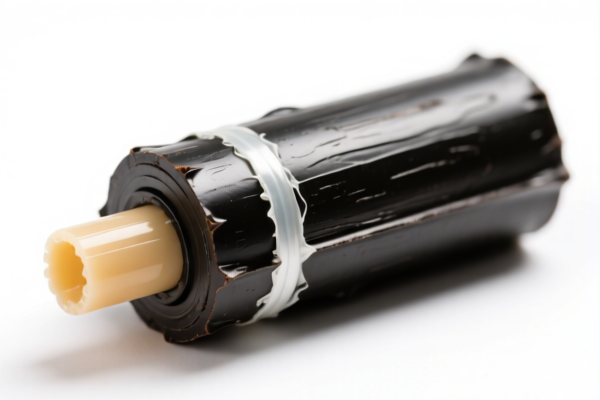
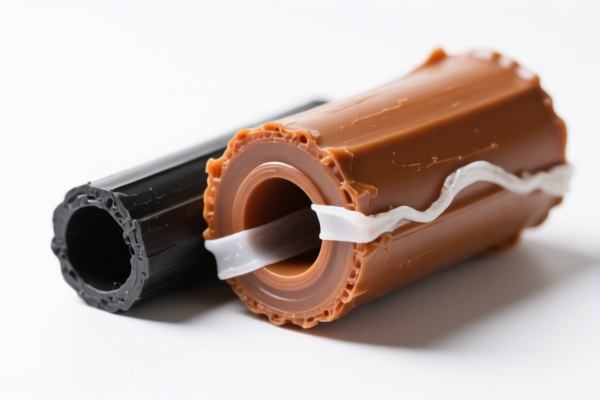
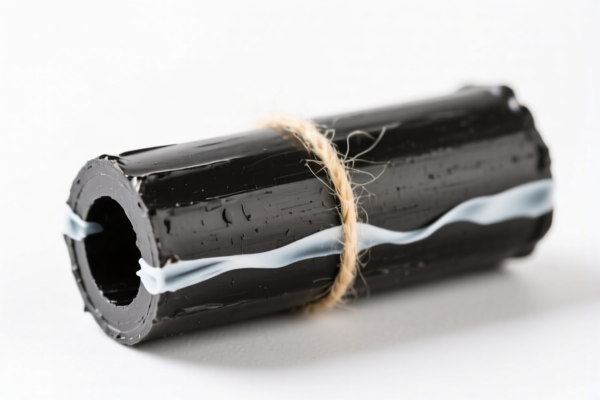
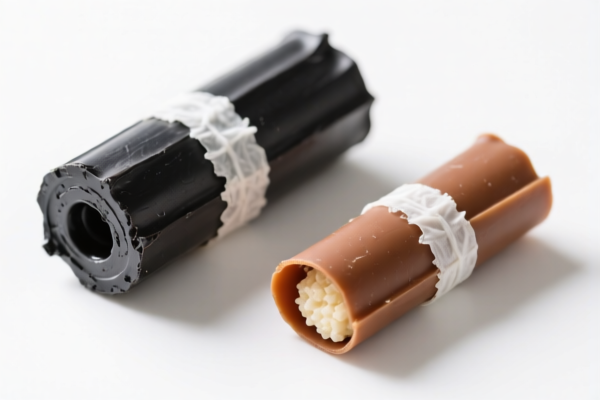
AI Analysis
🧪 Rubber Additive Compound: HS Code Classification & U.S. Customs Clearance Guide
🌐 HS Code Reference & Customs Clearance Strategy | 2026 Latest Tariff Analysis | Professional-Level Strategy
📌 1. Product Definition & Classification: What exactly is "Rubber Additive Compound"?
"Rubber Additive Compound" is a broad term in the rubber processing industry. In international trade, its classification depends entirely on its chemical nature, form, and primary function. It generally falls into two main categories: 1. Raw Materials/Intermediates: Such as fillers (carbon black, silica) or pre-mixed masterbatches, which share the material properties of unvulcanized rubber compounds. 2. Formulated Preparations: Such as lubricants, release agents, or chemical mixtures, which are classified as preparations for treating other materials or chemical preparations.
⚠️ Key Distinction:
- If the product is a filler, reinforcing agent, or unvulcanized mix → Classified under Chapter 40 (Rubber).
- If the product is a lubricant, release agent, or surface treatment chemical → Classified under Chapter 34 (Soap, Oil, Wax, etc.).
- Misclassification Risk: Declaring a chemical lubricant as a rubber raw material (or vice versa) can lead to significant tariff differences and customs delays.
📦 2. HS Code Classification Details (2026 Latest Tariff Authority Comparison)
Based on the provided data, here are the four most likely HS Codes for "Rubber Additive Compound," depending on its specific composition and function:
| HS Code | Product Description | Applicability Logic | Key Material Attribute |
|--------|--------------------------|-----------------------------|
| 4005.10.00.00 | Rubber Filler Compounds | Classified as a raw material/additive in rubber processing. | Consistent with unvulcanized rubber compounds. |
| 4005.20.00.00 | Rubber Filler Compounds | Classified as a primary form of adding or mixing raw materials. | Consistent with unvulcanized rubber compounds and derivatives. |
| 3403.11.20.00 | Rubber Lubricant Compound / Chemical Mixture | Classified as a preparation form, fitting lubricating preparations or chemical mixtures. | Chemical preparation nature; no material conflict. |
| 3403.11.50.00 | Rubber Lubricant Compound | Classified as a preparation for treating other materials, fitting the logic of material treatment use. | Material treatment purpose logic. |
🔍 Key Reminder:
- HS 4005: If the product is primarily a filler (like carbon black, silica) or a pre-mixed rubber masterbatch, it belongs to Chapter 40. The total tax burden is 35.0%. - HS 3403: If the product is a lubricant, mold release agent, or surface treatment chemical, it belongs to Chapter 34. The tax burden is 35.2%–36.4%. - Do not mix: A product cannot be both a "rubber raw material" (Ch. 40) and a "surface lubricant" (Ch. 34) simultaneously. Determine the primary function.
💰 3. 2026 Latest Tariff Rate Breakdown (Including Surtax & Policy Add-ons)
✅ Applicable Country: United States (US)
✅ Origin: China (CN)
✅ Effective Date: From November 10, 2025 (including subsequent imports)
🎯 1. 4005.10.00.00 & 4005.20.00.00 – Rubber Filler Compounds (Chapter 40)
These two codes are functionally similar in terms of tariff structure for this specific commodity list.
| Item | Content |
|---|---|
| Base Tariff | 0.0% (ad valorem) |
| USITC Surtax (Section 301) | +25.0% (Additional Duty) |
| IEEPA Surtax (Section 122/301 variant) | +10.0% (Specific 122 Clause or similar China-specific add-on) |
| Total Effective Rate | 35.0% |
| Tax Calculation | CIF Value × 35% |
| De Minimis Exemption | ❌ Not Available (Deny de_minimis) |
| Legal Basis Path | Base: 0% → USITC: 25% → IEEPA: 10% |
📌 Explanation:
- Although the base tariff for rubber compounds is often low or zero, the 25% Section 301 surtax and 10% IEEPA surtax apply to products of Chinese origin. - Total 35%: This is a fixed high rate for these classifications. - Note: Both4005.10.00.00and4005.20.00.00share the same total tax rate of 35.0%.
🎯 2. 3403.11.20.00 – Rubber Lubricant/Chemical Mixture (Chapter 34)
| Item | Content |
|---|---|
| Base Tariff | 0.2% (ad valorem) |
| USITC Surtax (Section 301) | +25.0% |
| IEEPA Surtax | +10.0% |
| Total Effective Rate | 35.2% |
| Tax Calculation | CIF Value × 35.2% |
| De Minimis Exemption | ❌ Not Available (Deny de_minimis) |
| Legal Basis Path | Base: 0.2% → USITC: 25% → IEEPA: 10% |
📌 Explanation:
- Slightly higher than Chapter 40 due to the 0.2% base tariff. - The surtaxes remain identical: 25% + 10%.
🎯 3. 3403.11.50.00 – Rubber Lubricant Compound (Chapter 34, Other)
| Item | Content |
|---|---|
| Base Tariff | 1.4% (ad valorem) |
| USITC Surtax (Section 301) | +25.0% |
| IEEPA Surtax | +10.0% |
| Total Effective Rate | 36.4% |
| Tax Calculation | CIF Value × 36.4% |
| De Minimis Exemption | ❌ Not Available (Deny de_minimis) |
| Legal Basis Path | Base: 1.4% → USITC: 25% → IEEPA: 10% |
📌 Explanation:
- This code typically covers "other preparations" not specified elsewhere. - The higher base rate (1.4%) pushes the total tax to 36.4%. - Recommendation: If your product fits3403.11.20.00(lubricant/chemical mixture), prefer this over3403.11.50.00to save 1.2% in tariffs.
🛠️ 4. Customs Clearance Practical Advice (Pitfall Avoidance Guide)
✅ 1. Required Documentation Checklist
| Document | Mandatory | Explanation |
|---|---|---|
| ✅ Product Specification Sheet | ✔️ | Must clearly state: Composition, Function (Filler vs. Lubricant), Physical State (Powder/Liquid/Paste). |
| ✅ Formula / Ingredient List | ✔️ | Crucial for distinguishing between Chapter 40 (Raw Material) and Chapter 34 (Preparation). |
| ✅ Product Photos | ✔️ | Clear shots of packaging, label, and product appearance. |
| ✅ Commercial Invoice | ✔️ | Must match the HS Code description. Avoid vague terms like "Rubber Chemicals"; use "Rubber Lubricant Compound" or "Rubber Filler Compound." |
| ✅ Certificate of Origin (CO) | ✔️ | Required to prove Chinese origin and apply surtaxes correctly. |
✅ 2. Declaration Best Practices (Key Mnemonics)
🔥 "Function First, Form Second! Name Precisely, Save on Tax!"
| Scenario | Correct Declaration | Incorrect Practice |
|---|---|---|
| Product is a filler (e.g., Carbon Black mix) | 4005.10.00.00 or 4005.20.00.00 |
Declare as "Lubricant" → Wrong Chapter |
| Product is a lubricant/release agent | 3403.11.20.00 |
Declare as "Rubber Raw Material" → Wrong Chapter |
| Product is a general chemical mix | 3403.11.20.00 |
Declare as 3403.11.50.00 → Higher tax (36.4% vs 35.2%) |
✅ 3. Special Situations
| Situation | Handling Advice |
|---|---|
| Multi-function Additive | If it acts as both filler and lubricant, declare based on primary function. Provide technical data to support the claim. |
| OEM Custom Formula | Provide the customer’s specification sheet and formula breakdown to justify the specific HS Code. |
| Mixed Container | If the container has both Chapter 40 and Chapter 34 goods, declare separately. Do not blend. |
🌍 5. Global Market Comparison (2026 Latest)
| Country/Region | Recommended HS Code | Tariff (China Origin) | Certification Requirements | Notes |
|---|---|---|---|---|
| 🇺🇸 USA | 4005.10.00.00 / 3403.11.20.00 |
35.0% - 36.4% | None specific (General) | High surtaxes apply. No de minimis. |
| 🇨🇳 China | 4005.10.00.00 / 3403.11.20.00 |
Low/Standard | None | No Section 301/IEEPA. |
| 🇪🇺 EU | 4005.10.00 / 3403.11.00 |
Varies (Often 0-3%) | REACH | No US-style surtaxes. |
| 🇲🇽 Mexico | 4005.10.00 / 3403.11.00 |
Low (USMCA) | None | Potential benefits under USMCA if rules of origin met. |
📌 Conclusion:
- USA is the most challenging market due to 25% + 10% surtaxes. - EU and China have significantly lower tariff burdens. - Mexico offers potential advantages under USMCA, but origin rules must be strictly followed.
📌 6. Common Errors & Pitfall Guide (Lessons Learned)
❌ Error 1: Using "Rubber Chemicals" as a generic term without specifying if it's a filler or lubricant.
👉 Consequence: Customs may assign the highest default rate or demand additional testing.
❌ Error 2: Declaring a lubricant as a "Raw Material" to avoid Section 301.
👉 Consequence: False Declaration, fines, and potential seizure. The 10% IEEPA and 25% USITC apply to most Chinese rubber/chemical imports regardless of sub-heading.
❌ Error 3: Confusing 3403.11.20.00 (35.2%) with 3403.11.50.00 (36.4%).
👉 Consequence: Overpaying by 1.2% on every shipment. Always check if your product fits the "Lubricant/Chemical Mixture" definition for 3403.11.20.00.
✅ Correct Practice:
"Rubber Lubricant Compound, Chemical Preparation, For Rubber Processing, Model XYZ, 25kg Bag"
🎯 7. Conclusion: Precise Classification, Cost Efficiency!
🎯 Remember the Mnemonic:
🔹 "Filler = 4005 (35%), Lubricant = 3403 (35.2%-36.4%)!
🔹 "Base + 25% + 10% = Total Tax. No De Minimis!"
🔹 "Name it Precisely, Save on Every Crate!"
📌 Pro Tip:
If your product is exclusively a filler (like carbon black) and not a pre-mixed compound, check if it falls under 4003.00 (Reclaimed Rubber) or 2803.00 (Carbon Black) for different base rates. However, for "Compound" specifically, 4005.10/20 is the most accurate.
📣 Immediate Action:
📞 Contact your freight forwarder + Provide Formula + Apply for Advance Ruling (if unsure)
🚀 Ensure smooth customs clearance, optimize costs, and maximize profit margins!
✨ Professional Customs Clearance Starts with Precise Classification!
💼 Every dollar of cost deserves precise calculation!
Customer Reviews
About HS Code Classification
The Harmonized System (HS) is an internationally standardized nomenclature developed by the World Customs Organization (WCO) to classify traded products. Over 200 countries use the HS system as the basis for customs tariffs, trade statistics, and import/export regulations.
Each HS code follows a hierarchical structure:
- Chapter (2 digits) — Broad category of goods (e.g., Chapter 84: Machinery and Mechanical Appliances)
- Heading (4 digits) — More specific grouping within the chapter
- Subheading (6 digits) — Internationally standardized breakdown, used by all WCO member countries
- National subdivisions (8-10 digits) — Country-specific extensions for further classification, such as US HTSUS 10-digit codes
Correct HS code classification is essential for smooth customs clearance, accurate duty payment, and compliance with trade regulations. Misclassification can lead to customs delays, overpayment of duties, or penalties.
When importing from CN to US, the applicable tariff rates may include:
- Most-Favored-Nation (MFN) rate — The standard duty rate applied to WTO members
- General rate — Applied to countries without trade agreements
- Trade remedy duties — Additional tariffs such as Section 301 (anti-dumping), Section 232 (national security), or countervailing duties
The information provided on this page is for reference purposes only. For official classification, please consult with your local customs authority or a licensed customs broker.