Rubber Additive MBTS Lubricating Grease
CN → US| HS Code | Tariff Rate | Origin | Destination | Doc |
|---|---|---|---|---|
| 3812105000 | 40.0% | CN | US | Official Doc |
| 2934201000 | 41.5% | CN | US | Official Doc |
| 2934201500 | 41.5% | CN | US | Official Doc |
| 3812101000 | 41.5% | CN | US | Official Doc |
| 2930306000 | 38.7% | CN | US | Official Doc |
Product Images
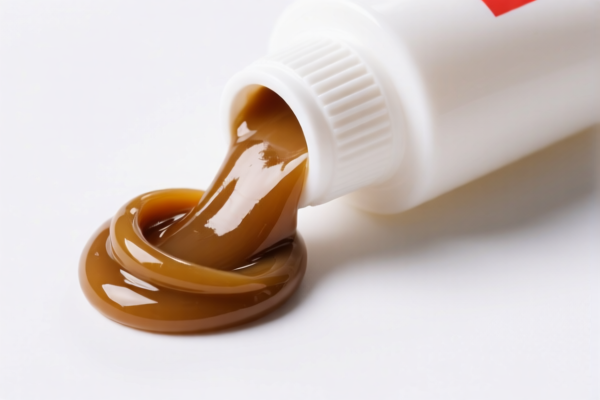
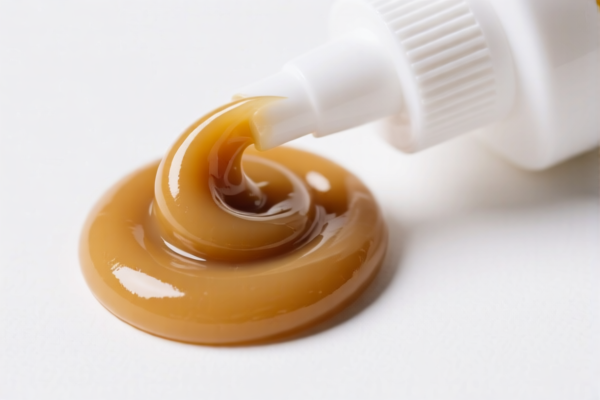
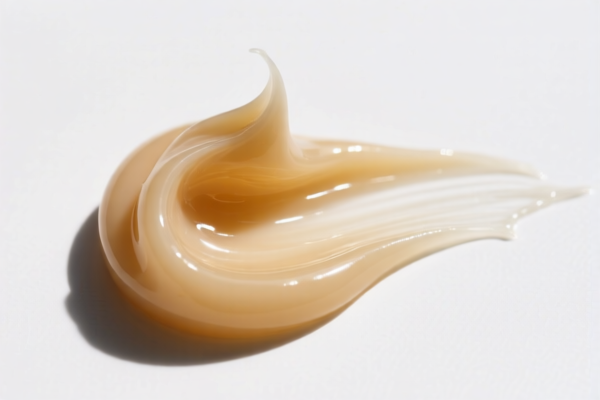

AI Analysis
⚙️ Rubber Additive MBTS (2-Mercaptobenzothiazole)
🌐 HS Code Reference & Customs Clearance Guide | 2026 Latest Tariff Analysis | Professional Entry Strategy for Chemicals & Rubber Auxiliaries
📌 I. Product Definition & Classification: What is MBTS?
MBTS (2-Mercaptobenzothiazole) is a critical intermediate and activator used in the vulcanization of rubber. It functions primarily as an accelerator and anti-ozonant. However, in international trade, its classification is contentious because it straddles the line between "chemical intermediates" and "rubber manufacturing auxiliaries."
Key Distinction Points: * As a Rubber Auxiliary: Used directly in tire or rubber component manufacturing to speed up curing. → Chapter 38 * As a Chemical Intermediate: Classified by its molecular structure (benzothiazole ring, sulfur-containing heterocycle). → Chapter 29
⚠️ Critical Customs Insight:
- If the product is marketed and used specifically as a rubber additive, customs often prefer 3812.
- If the product is sold as a chemical compound regardless of end-use, or if the specific rubber use is not clearly declared, it falls under 2934 (Heterocyclic compounds) or 2930 (Sulfur compounds).
- Misclassification Risk: Declaring a pure chemical as "Rubber Additive" (3812) without proof of specific rubber formulation may trigger audits. Conversely, declaring a rubber-specific blend as a general chemical (2934) may result in higher base duties depending on the specific sub-heading interpretation.
📦 II. HS Code Classification Details (2026 Latest Tariff Authority)
Based on the provided data, here are the five possible classifications for MBTS, each with distinct tax implications:
| HS Code | Summary / Classification Logic | Tax Rate (Total) | Tax Detail Breakdown |
|---|---|---|---|
| 3812.10.50.00 | Rubber Auxiliary: MBTS is used as a rubber accelerator. | 40.0% | Base: 5.0%, Sec 301: 25.0%, 122 Section: 10% |
| 2934.20.10.00 | Heterocyclic Compound: MBTS contains a benzothiazole ring structure. | 41.5% | Base: 6.5%, Sec 301: 25.0%, 122 Section: 10% |
| 2934.20.15.00 | Specific Heterocycle: MBTS is 2-mercaptobenzothiazole, fitting the benzothiazole definition. | 41.5% | Base: 6.5%, Sec 301: 25.0%, 122 Section: 10% |
| 3812.10.10.00 | Aromatic Rubber Accelerator: MBTS acts as an aromatic rubber accelerator. | 41.5% | Base: 6.5%, Sec 301: 25.0%, 122 Section: 10% |
| 2930.30.60.00 | Sulfur Organic Compound: MBTS is classified as a thiourea derivative or sulfur organic compound. | 38.7% | Base: 3.7%, Sec 301: 25.0%, 122 Section: 10% |
🔍 Analysis of the Table:
- Lowest Duty:2930.30.60.00offers the lowest total duty at 38.7% due to a lower base rate (3.7% vs 5.0%/6.5%).
- Highest Duty:2934.20.10.00,2934.20.15.00, and3812.10.10.00share the highest total duty at 41.5%.
- Middle Ground:3812.10.50.00sits at 40.0%.
- Common Factor: All classifications include a 25% Section 301 tariff and a 10% Section 122 tariff (assuming US origin imports from China, based on the "122 Section" and "301" references common in US-China trade data).
💰 III. 2026 Latest Tariff Rate Breakdown (Detailed Legal Basis)
✅ Applicable Country: USA (US)
✅ Origin: China (CN)
✅ Validity: Current as of 2026 tariff schedules
🎯 1. The "Chemical" Route: Chapters 29 (Heterocyclic & Sulfur Compounds)
A. HS Code 2934.20.10.00 & 2934.20.15.00
- Logic: MBTS is a heterocyclic compound containing a benzothiazole ring.
- Base Rate: 6.5%
- Section 301 (Trade War): +25.0%
- Section 122 (Bifurcation/Tariff): +10.0%
- Total Effective Rate: 41.5%
- Legal Path:
HTS:2934.20→Footnote: Sec 301→Footnote: Sec 122
B. HS Code 2930.30.60.00
- Logic: MBTS is a sulfur-containing organic compound (thiol/thiazole derivative).
- Base Rate: 3.7%
- Section 301 (Trade War): +25.0%
- Section 122 (Bifurcation/Tariff): +10.0%
- Total Effective Rate: 38.7% (Lowest Duty Option)
- Legal Path:
HTS:2930.30→Footnote: Sec 301→Footnote: Sec 122
🎯 2. The "Rubber Auxiliary" Route: Chapter 38
A. HS Code 3812.10.50.00
- Logic: Specifically identified as a rubber auxiliary (accelerator).
- Base Rate: 5.0%
- Section 301 (Trade War): +25.0%
- Section 122 (Bifurcation/Tariff): +10.0%
- Total Effective Rate: 40.0%
- Legal Path:
HTS:3812.10→Footnote: Sec 301→Footnote: Sec 122
B. HS Code 3812.10.10.00
- Logic: Aromatic rubber accelerator.
- Base Rate: 6.5%
- Section 301 (Trade War): +25.0%
- Section 122 (Bifurcation/Tariff): +10.0%
- Total Effective Rate: 41.5%
- Legal Path:
HTS:3812.10→Footnote: Sec 301→Footnote: Sec 122
📌 Crucial Explanation:
- Section 301 (25%): Applies to all Chinese-origin goods listed in the US Trade Representative's List 3/4. Chemicals and rubber inputs are typically included.
- Section 122 (10%): This refers to specific additional tariffs often applied to certain Chinese goods to balance trade deficits or address unfair practices.
- Base Rate Variance: The difference between 3.7%, 5.0%, and 6.5% is the only variable. The additive tariffs (35% total) are constant across all five codes.
🛠️ IV. Customs Clearance Practical Advice (Avoid Pitfalls)
✅ 1. Preparation Checklist (Mandatory)
| Document | Required? | Description |
|---|---|---|
| Product Specification Sheet | ✅ Yes | Must clearly state "2-Mercaptobenzothiazole" and CAS number (149-30-4). |
| Chemical Structure Diagram | ✅ Yes | Proves the benzothiazole ring (for 2934) or sulfur content (for 2930). |
| Certificate of Analysis (COA) | ✅ Yes | Purity level (>98%, >99%, etc.) affects valuation. |
| Safety Data Sheet (SDS) | ✅ Yes | Critical for hazardous material classification (often Class 9 or corrosive). |
| Commercial Invoice | ✅ Yes | Must specify "Rubber Accelerator" OR "Chemical Intermediate" consistently. |
| Proof of End-Use (Optional) | ✅ Recommended | If claiming 3812, provide documents showing it is used in rubber compounding. |
✅ 2. Classification Strategy (Key Tips)
🔥 "Choose the Lowest Legal Rate: Structure vs. Use"
| Scenario | Recommended HS Code | Reason |
|---|---|---|
| Pure Chemical Sale | 2930.30.60.00 | Lowest base rate (3.7%) → 38.7% Total. Safest if end-use is not exclusively rubber. |
| Explicit Rubber Additive | 3812.10.50.00 | Middle ground (40.0%). Justifiable if product is pre-blended for rubber. |
| Strict Heterocyclic Definition | 2934.20.10.00/15.00 | Highest rate (41.5%). Only use if chemical structure is the primary selling point and "rubber" is secondary. |
| Aromatic Accelerator Focus | 3812.10.10.00 | Highest rate (41.5%). Avoid unless specific regulatory requirements mandate it. |
⚠️ Warning:
- Do NOT declare MBTS as "Lubricating Grease" (HS 3403) unless it is a grease product containing MBTS, not MBTS itself. MBTS is a solid chemical powder/crystal, not a grease. Misdeclaration leads to fraud penalties.
- If you declare it as "Rubber Auxiliary" (3812), be prepared for CBP to request evidence that it is specifically formulated for rubber. If it's a bulk chemical, 2930 or 2934 is safer.
✅ 3. Special Handling Notes
| Issue | Solution |
|---|---|
| Hazardous Material | MBTS is often classified as a dangerous good (UN1942 or similar). Ensure proper IMDG/IATA labeling for air/sea freight. |
| Valuation | Ensure the declared value includes any royalties or license fees related to the chemical patent. |
| Anti-Dumping | Check if MBTS is subject to specific anti-dumping duties from China to the US. If so, additional duties may apply beyond the 35% base + 301/122. |
🌍 V. Global Market Comparison (2026)
| Market | Recommended HS Code | Estimated Total Duty | Key Requirements |
|---|---|---|---|
| 🇺🇸 USA | 2930.30.60.00 (Best Value) | 38.7% | SDS, COA, CBP Pre-ruling recommended |
| 🇨🇳 China | 2930.30.60.00 | ~3.7% (Low Base) | No Section 301/122. Standard import VAT 13%. |
| 🇪🇺 EU | 2930.30.60.00 | ~6.5% + VAT | REACH Registration mandatory for chemicals. |
| 🇬🇧 UK | 2930.30.60.00 | ~6.5% + VAT | UKCA marking if applicable. |
| 🇯🇵 Japan | 2930.30.60.00 | ~6.0% | Fire Service Act registration if stored in bulk. |
📌 Conclusion for USA:
- The Section 301 (25%) and Section 122 (10%) tariffs dominate the cost structure.
- To minimize costs, choose HS 2930.30.60.00 if legally defensible.
- Avoid 3812.10.10.00 and 2934.20 series unless specifically required by customer specifications.
📌 VI. Common Errors & Pitfalls (Blood Lessons)
❌ Error 1: Declaring MBTS as "Lubricant" (HS 3403)
👉 Consequence: Severe penalty for misdeclaration. MBTS is a solid additive, not a grease.
👉 Correction: Always declare as chemical/rubber auxiliary.
❌ Error 2: Using 3812 without proof of rubber use
👉 Consequence: CBP may reclassify to 2934 or 2930, leading to duty reassessment and delays.
👉 Correction: Provide end-use statements or customer POs specifying rubber application.
❌ Error 3: Ignoring Section 122 Tariffs
👉 Consequence: Underpayment of duties by 10%.
👉 Correction: Always include the 10% Section 122 tariff in cost calculations for China-origin goods.
❌ Error 4: Failing to provide SDS
👉 Consequence: Cargo held at port for hazardous material inspection.
👉 Correction: Attach SDS (Section 14) with all shipments.
✅ Correct Practice:
"2-Mercaptobenzothiazole (MBTS), Pure Chemical Intermediate, CAS 149-30-4, For Use in Rubber Vulcanization. HS 2930.30.60.00."
🎯 VII. Conclusion: Professional Clearance, Cost Efficiency
🎯 Remember:
🔹 "Chemical Structure Dictates Code, Use Dictates Proof."
🔹 "Lowest Base Rate Wins: 2930 (3.7%) vs 3812 (5-6.5%)."
🔹 "Total Duty = Base + 25% (301) + 10% (122)."
📌 Pro Tip:
If you are importing pure MBTS, consider HS 2930.30.60.00 for the 38.7% total duty rate.
If you are importing MBTS pre-blended into rubber compounds, then 3812.10.50.00 (40.0%) may be more appropriate, but the savings are minimal.
Always consult a customs broker to confirm the latest CBP rulings on "Rubber Auxiliaries" vs "Chemical Intermediates."
📣 Immediate Action:
📞 Get a Binding Ruling from CBP before your first shipment.
📄 Prepare SDS and COA for every container.
🚀 Optimize for HS 2930.30.60.00 to save 1.3-2.8% in duty costs compared to other codes.
✨ Precision in Classification, Profit in Clearance!
💼 MBTS: Small Molecule, Big Impact on Tariffs.
Customer Reviews
About HS Code Classification
The Harmonized System (HS) is an internationally standardized nomenclature developed by the World Customs Organization (WCO) to classify traded products. Over 200 countries use the HS system as the basis for customs tariffs, trade statistics, and import/export regulations.
Each HS code follows a hierarchical structure:
- Chapter (2 digits) — Broad category of goods (e.g., Chapter 84: Machinery and Mechanical Appliances)
- Heading (4 digits) — More specific grouping within the chapter
- Subheading (6 digits) — Internationally standardized breakdown, used by all WCO member countries
- National subdivisions (8-10 digits) — Country-specific extensions for further classification, such as US HTSUS 10-digit codes
Correct HS code classification is essential for smooth customs clearance, accurate duty payment, and compliance with trade regulations. Misclassification can lead to customs delays, overpayment of duties, or penalties.
When importing from CN to US, the applicable tariff rates may include:
- Most-Favored-Nation (MFN) rate — The standard duty rate applied to WTO members
- General rate — Applied to countries without trade agreements
- Trade remedy duties — Additional tariffs such as Section 301 (anti-dumping), Section 232 (national security), or countervailing duties
The information provided on this page is for reference purposes only. For official classification, please consult with your local customs authority or a licensed customs broker.