Rubber Anti Aging Sheet
CN → US| HS Code | Tariff Rate | Origin | Destination | Doc |
|---|---|---|---|---|
| 4016996050 | 37.5% | CN | US | Official Doc |
| 4016993550 | 35.0% | CN | US | Official Doc |
| 3403990000 | 41.5% | CN | US | Official Doc |
| 3403195000 | 40.8% | CN | US | Official Doc |
| 4008111000 | 35.0% | CN | US | Official Doc |
Product Images
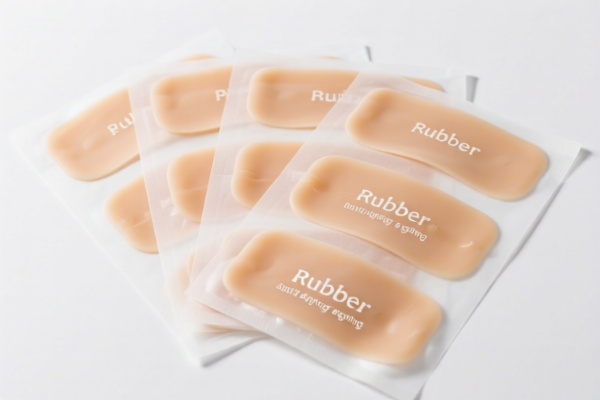
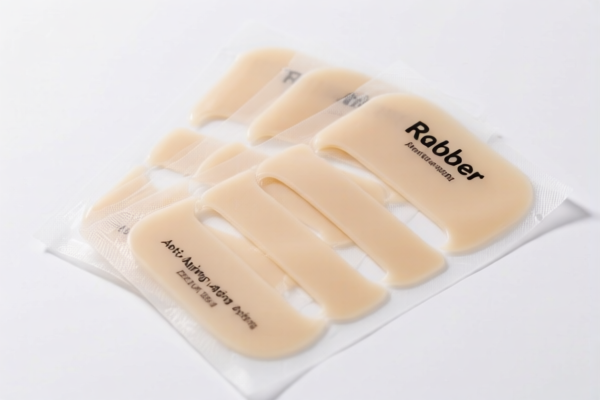
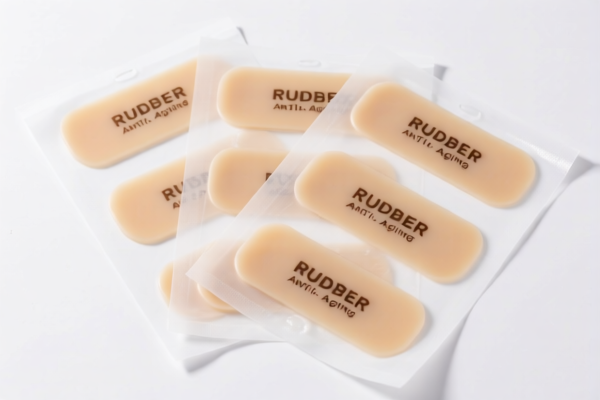
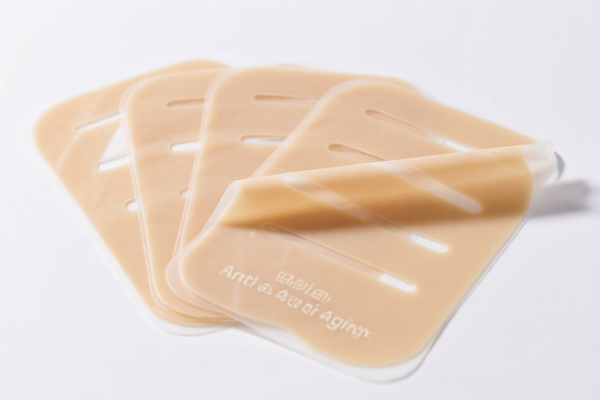
AI Analysis
🛡️ Rubber Anti-Aging Sheet (Rubber Anti-Aging Product)
🌐 HS Code Reference & Customs Clearance Guide | 2026 Latest Tariff Analysis | Professional Customs Strategy
📌 I. Product Definition & Classification: Do You Really Know "Rubber Anti-Aging Sheets"?
The "Rubber Anti-Aging Sheet" is a specialized rubber product or chemical auxiliary used to extend the service life of rubber materials. In international trade, its classification depends entirely on its material form (physical sheet vs. chemical agent) and function (physical protection vs. chemical treatment).
There are two main categories:
1. Physical Rubber Sheet (Sulfurated Rubber Product)
A finished rubber sheet used for physical protection, sealing, or insulation, which may contain anti-aging additives during manufacturing. It is classified as a rubber article.
2. Chemical Anti-Aging Agent/Compound
A chemical substance used to treat or protect rubber materials from oxidation, ozone, or UV damage. It is classified as a chemical preparation.
⚠️ Key Distinction Point:
- If it is a solid rubber sheet (physical item) → Classify under Chapter 40 (Rubber and Articles Thereof).
- If it is a liquid/paste/chemical powder (chemical substance) → Classify under Chapter 34 (Oil Preparations, Wax, etc.).
📦 II. HS Code Classification Details (2026 Latest Tariff Authority Comparison)
Based on the provided data, there are five specific HS Codes corresponding to different forms and materials of "Rubber Anti-Aging" products.
| HS Code | Product Description | Material/Form | Total Tax Rate | Tax Detail Breakdown |
|---|---|---|---|---|
4016.99.60.50 |
Rubber Anti-Aging Sheet (Physical Sheet) | Rubber (Sulfurated) | 37.5% | Base: 2.5% + Sec. 301: 25% + IEEPA: 10% |
4016.99.35.50 |
Rubber Anti-Aging Sheet (Physical Sheet) | Natural Rubber | 35.0% | Base: 0.0% + Sec. 301: 25% + IEEPA: 10% |
3403.99.00.00 |
Rubber Anti-Aging Agent (Chemical) | Chemical Preparation | 41.5% | Base: 6.5% + Sec. 301: 25% + IEEPA: 10% |
3403.19.50.00 |
Rubber Anti-Aging Agent (Lubricant/Processor) | Chemical Preparation | 40.8% | Base: 5.8% + Sec. 301: 25% + IEEPA: 10% |
4008.11.10.00 |
Rubber Protection Pad (Physical Pad) | Natural Rubber | 35.0% | Base: 0.0% + Sec. 301: 25% + IEEPA: 10% |
🔍 Key Analysis:
- Physical Sheets vs. Chemical Agents: Physical sheets (4016...) generally have lower base tariffs than chemical agents (3403...), but both are subject to heavy US sanctions.
- Natural vs. Sulfurated Rubber: Natural rubber products (4016.99.35.50,4008.11.10.00) enjoy a 0% base tariff, whereas sulfurated rubber (4016.99.60.50) has a 2.5% base tariff.
- Chemical Form Matters: Chemical agents are split between3403.99(Other) and3403.19(Lubricants/Processing Agents). The latter has a slightly lower base rate (5.8% vs. 6.5%).
💰 III. 2026 Latest Tariff Rate Breakdown (Including Surcharges & Policy Add-ons)
✅ Applicable Country: United States (US)
✅ Origin: China (CN)
✅ Effective Time: Includes imports from November 10, 2025 onwards
🎯 1. 4016.99.60.50 —— Rubber Anti-Aging Sheet (Sulfurated Rubber)
| Item | Content |
|---|---|
| Base Tariff | 2.5% (ad valorem) |
| USITC Surcharge (Section 301) | +25% |
| IEEPA Surcharge (China) | +10% |
| Total Tax Rate | 37.5% |
| Tax Calculation | CIF Value × 37.5% |
| De Minimis Eligibility | ❌ No (High tax rate disqualifies it from Section 321 de minimis exemption) |
| Legal Basis Path | IEEPA:9903.01.25 → USITC:4016.99.60.50 → FOOTNOTE:301 |
📌 Explanation:
- Base 2.5%: Standard MFN rate for other vulcanized rubber articles.
- 25% Section 301: USITC imposed this on Chinese rubber goods.
- 10% IEEPA: Additional tariff under International Emergency Economic Powers Act for Chinese goods.
- Result: A total of 37.5% makes this a high-cost import.
🎯 2. 4016.99.35.50 —— Rubber Anti-Aging Sheet (Natural Rubber)
| Item | Content |
|---|---|
| Base Tariff | 0.0% |
| USITC Surcharge (Section 301) | +25% |
| IEEPA Surcharge (China) | +10% |
| Total Tax Rate | 35.0% |
| Tax Calculation | CIF Value × 35.0% |
| De Minimis Eligibility | ❌ No |
| Legal Basis Path | IEEPA:9903.01.25 → USITC:4016.99.35.50 → FOOTNOTE:301 |
📌 Note:
- Saving 2.5% compared to sulfurated rubber due to the 0% base rate for natural rubber articles.
- Still subject to full 35% punitive tariff.
🎯 3. 3403.99.00.00 —— Rubber Anti-Aging Agent (Chemical, Other)
| Item | Content |
|---|---|
| Base Tariff | 6.5% |
| USITC Surcharge (Section 301) | +25% |
| IEEPA Surcharge (China) | +10% |
| Total Tax Rate | 41.5% |
| Tax Calculation | CIF Value × 41.5% |
| De Minimis Eligibility | ❌ No |
| Legal Basis Path | IEEPA:9903.01.25 → USITC:3403.99.00.00 → FOOTNOTE:301 |
📌 Warning:
- This is the highest tax rate among all listed HS Codes.
- Applies to general chemical anti-aging preparations not specifically classified elsewhere.
🎯 4. 3403.19.50.00 —— Rubber Anti-Aging Agent (Lubricant/Processing Agent)
| Item | Content |
|---|---|
| Base Tariff | 5.8% |
| USITC Surcharge (Section 301) | +25% |
| IEEPA Surcharge (China) | +10% |
| Total Tax Rate | 40.8% |
| Tax Calculation | CIF Value × 40.8% |
| De Minimis Eligibility | ❌ No |
| Legal Basis Path | IEEPA:9903.01.25 → USITC:3403.19.50.00 → FOOTNOTE:301 |
📌 Optimization Tip:
- If the product is a lubricant or material processing agent, it can be classified here.
- Saves 0.7% compared to3403.99.00.00.
🎯 5. 4008.11.10.00 —— Rubber Protection Pad (Natural Rubber)
| Item | Content |
|---|---|
| Base Tariff | 0.0% |
| USITC Surcharge (Section 301) | +25% |
| IEEPA Surcharge (China) | +10% |
| Total Tax Rate | 35.0% |
| Tax Calculation | CIF Value × 35.0% |
| De Minimis Eligibility | ❌ No |
| Legal Basis Path | IEEPA:9903.01.25 → USITC:4008.11.10.00 → FOOTNOTE:301 |
📌 Note:
- Similar to4016.99.35.50, this is a natural rubber article with 0% base tariff.
- Applies if the product is specifically a "pad" for protection.
🛠️ IV. Customs Clearance Practical Advice (Battle-Tested Pitfall Avoidance)
✅ 1. Preparation Checklist (All Required)
| Document | Must Provide | Description |
|---|---|---|
| ✅ Product Spec Sheet | ✔️ | Must specify: Material (Natural vs. Sulfurated), Form (Sheet vs. Liquid), Function (Anti-aging vs. Protection) |
| ✅ MSDS (Material Safety Data Sheet) | ✔️ | Critical for Chemicals (Ch 34). Must show non-hazardous status if possible. |
| ✅ Product Photos | ✔️ | Clear images of the sheet/pad, including labels and texture. |
| ✅ Commercial Invoice | ✔️ | Must accurately describe the product (e.g., "Rubber Sheet" vs. "Anti-Aging Agent"). |
| ✅ Bill of Lading | ✔️ | Weight and volume details. |
| ✅ Certificate of Origin (CO) | ✔️ | To prove origin (China). |
✅ 2. Declaration Skills (Key Mnemonics)
🔥 "Material Dictates Class, Form Defines Code, Tax is Heavy!"
| Situation | Correct Declaration | Wrong Practice | Consequence |
|---|---|---|---|
| Solid Rubber Sheet | 4016.99.60.50 or 4016.99.35.50 |
Declare as "Chemical" | Misclassification, penalty, delay |
| Liquid/Paste Anti-Aging Agent | 3403.99.00.00 or 3403.19.50.00 |
Declare as "Rubber Sheet" | Misclassification, penalty, delay |
| Natural Rubber Pad | 4008.11.10.00 |
Declare as "Sulfurated Rubber" | Pay 2.5% extra base tax unnecessarily |
| Chemical Lubricant | 3403.19.50.00 |
Declare as "Other Chemical" (3403.99) |
Pay 0.7% extra base tax unnecessarily |
📌 Critical Reminder:
- Do not try to use the de minimis exemption (Section 321, < $800). The total tax rate (35-41.5%) exceeds the 30% threshold for de minimis eligibility in many cases, and customs specifically flags rubber/chemical products from China.
- Be precise: Use terms like "Vulcanized Rubber Sheet" or "Rubber Processing Agent" depending on the exact nature.
✅ 3. Special Cases Handling
| Situation | Handling Advice |
|---|---|
| OEM Anti-Aging Sheet | Provide client PO and design specs. Ensure material is clearly stated as natural or synthetic/sulfurated. |
| Anti-Aging Agent in Liquid Form | Must provide MSDS. If it acts as a lubricant, argue for 3403.19 to save 0.7%. |
| Mixed Shipment (Sheet + Agent) | Declare separately! Do not combine into one line item. Different HS Codes, different tax rates. |
| Product Used for Military | No general exemption. Still subject to Section 301 + IEEPA. |
🌍 V. Global Major Market Customs Comparison (2026 Latest)
| Country/Region | Recommended HS Code | Tariff (China Origin) | Certification Requirement | Notes |
|---|---|---|---|---|
| 🇺🇸 USA | 4016.99.60.50 / 3403.99.00.00 |
35% - 41.5% | No specific certs, but accurate classification is key | Highest cost due to 301 & IEEPA |
| 🇨🇳 China | 4016.99.60.50 / 3403.99.00.00 |
Varies (Low) | CCC (if applicable) | No additional surcharges |
| 🇪🇺 EU | 4016.99 / 3403.99 |
Varies (Often 0-4%) | REACH (Chemicals) | No US-style punitive tariffs |
| 🇦🇺 Australia | 4016.99 / 3403.99 |
Varies (4-5%) | ADR (Chemicals) | No punitive tariffs |
| 🇯🇵 Japan | 4016.99 / 3403.99 |
Varies (0-5%) | JIS/Chemical Safety | No punitive tariffs |
📌 Conclusion:
- The US is the most expensive market for these products due to Section 301 (25%) and IEEPA (10%).
- China, EU, and other markets do not impose these punitive tariffs, making them significantly cheaper for import.
- Strategy: If targeting the US, consider supply chain diversification (e.g., manufacturing in Vietnam or Thailand) to potentially qualify for different tariff treatments, though rubber/chemicals are often strictly monitored for origin fraud.
📌 VI. Common Mistakes & Pitfall Guide (Blood-Teaching Lessons)
❌ Mistake 1: Declaring a "Rubber Sheet" as "Plastic Product"
👉 Consequence: Customs audit reveals it's rubber → Penalty + Back Duty
❌ Mistake 2: Using "Anti-Aging Sheet" as the only description for chemicals
👉 Consequence: Customs assumes it's a rubber article (Ch 40) but finds chemical properties (Ch 34) → Reclassification + Delay
❌ Mistake 3: Ignoring the "Natural Rubber" vs. "Sulfurated Rubber" distinction
👉 Consequence: Paying 2.5% extra base tariff on 4016.99.60.50 when you could use 4016.99.35.50 (0% base) → Unnecessary cost
❌ Mistake 4: Assuming De Minimis Exemption applies to high-tax items
👉 Consequence: Package seized or taxed at full 37.5%+ because total duty exceeds 30% of value → Confiscation or Return
✅ Correct Practice:
"Vulcanized Rubber Sheet, Anti-Aging Additive, 2mm Thickness, Model XYZ, HS 4016.99.60.50"
OR
"Rubber Processing Agent, Liquid, Anti-Oxidant, MSDS Attached, HS 3403.99.00.00"
🎯 VII. Conclusion: Precise Classification Saves Money!
🎯 Remember Mnemonic:
🔹 "Sheet is 40, Chemical is 34, US Tax is Heavy!"
🔹 "Natural Base 0%, Sulfurated Base 2.5%, Chemical Base 5-6%"
🔹 "301 + IEEPA = 35%+, No De Minimis, Plan Ahead!"
📌 Pro Tip:
If your product is a liquid/paste, check if it can be classified as a lubricant (3403.19) to save 0.7% base tariff.
If it is a natural rubber sheet, ensure your supplier certifies it as Natural Rubber (4016.99.35.50) to save 2.5% base tariff.
Total Savings: Up to 3.2% on base tariffs alone!
📣 Immediate Action:
📞 Contact a professional customs broker
📝 Prepare detailed product specs (Material, Form, Function)
📄 Obtain MSDS for chemical products
🚀 Secure your supply chain against high US tariffs!
✨ Professional customs clearance starts with accurate classification!
💼 Every percentage point saved is pure profit!
Customer Reviews
About HS Code Classification
The Harmonized System (HS) is an internationally standardized nomenclature developed by the World Customs Organization (WCO) to classify traded products. Over 200 countries use the HS system as the basis for customs tariffs, trade statistics, and import/export regulations.
Each HS code follows a hierarchical structure:
- Chapter (2 digits) — Broad category of goods (e.g., Chapter 84: Machinery and Mechanical Appliances)
- Heading (4 digits) — More specific grouping within the chapter
- Subheading (6 digits) — Internationally standardized breakdown, used by all WCO member countries
- National subdivisions (8-10 digits) — Country-specific extensions for further classification, such as US HTSUS 10-digit codes
Correct HS code classification is essential for smooth customs clearance, accurate duty payment, and compliance with trade regulations. Misclassification can lead to customs delays, overpayment of duties, or penalties.
When importing from CN to US, the applicable tariff rates may include:
- Most-Favored-Nation (MFN) rate — The standard duty rate applied to WTO members
- General rate — Applied to countries without trade agreements
- Trade remedy duties — Additional tariffs such as Section 301 (anti-dumping), Section 232 (national security), or countervailing duties
The information provided on this page is for reference purposes only. For official classification, please consult with your local customs authority or a licensed customs broker.