Rubber Anti Aging Sheets
CN → US| HS Code | Tariff Rate | Origin | Destination | Doc |
|---|---|---|---|---|
| 3403990000 | 41.5% | CN | US | Official Doc |
| 3403195000 | 40.8% | CN | US | Official Doc |
| 4008111000 | 35.0% | CN | US | Official Doc |
| 4016996050 | 37.5% | CN | US | Official Doc |
| 4016990500 | 20.9% | CN | US | Official Doc |
Product Images
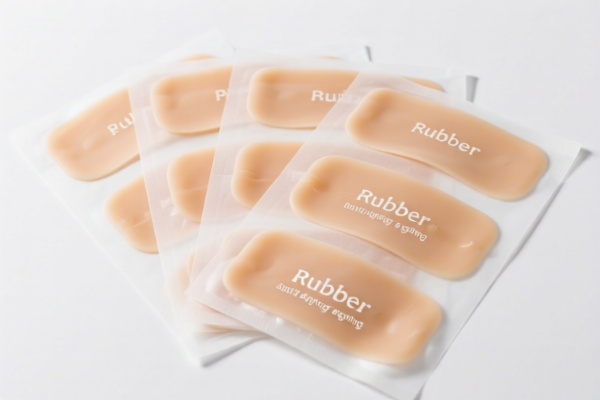
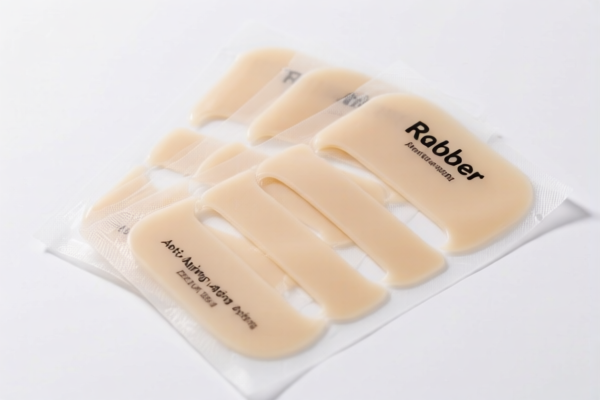
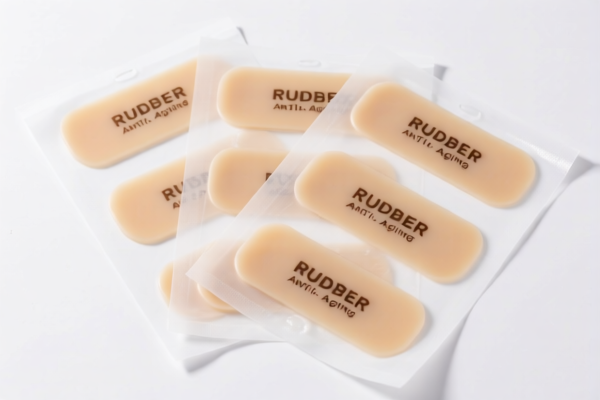
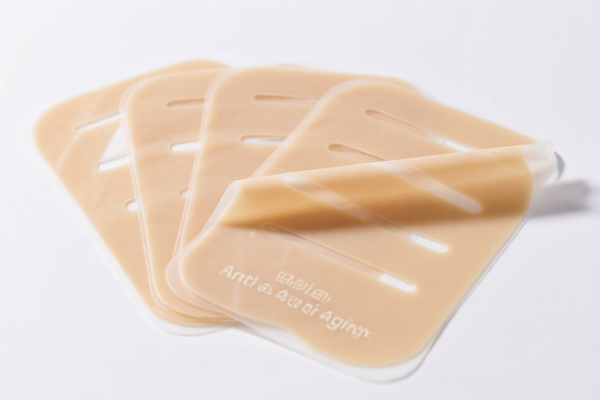
AI Analysis
🛡️ Rubber Anti-Aging Sheets (Protective Pads & Chemical Agents)
🌐 HS Code Reference & Customs Clearance Guide | 2026 Latest Tariff Analysis | Professional Clearance Strategy
📌 I. Product Definition & Classification: Do You Understand "Rubber Anti-Aging Sheets"?
The term "Rubber Anti-Aging Sheets" is ambiguous in international trade. It can refer to two distinct categories of goods: 1. Chemical Agents: Chemical preparations (additives) used to protect rubber from aging (oxidation/ozone). 2. Physical Products: Rubber pads/mats made from vulcanized rubber, designed for protection (anti-shock, anti-wear), which may contain anti-aging agents.
⚠️ Key Distinction Point: - If the product is a liquid/paste/powder chemical added during manufacturing → Classified under Chapter 34 (Chemical Preparations). - If the product is a solid vulcanized rubber pad/mat used for protection → Classified under Chapter 40 (Rubber and Articles Thereof).
📦 II. HS Code Classification Details (2026 Latest Tariff Authority Comparison)
Based on the provided data, here are the possible classifications depending on the physical form and chemical composition:
| HS Code | Product Description | Application Scenario | Key Characteristic |
|---|---|---|---|
3403.99.00.00 |
Rubber anti-aging agent, chemical preparation, for rubber protection | Additive in rubber manufacturing, maintenance chemicals | ✅ Chemical Preparation |
3403.19.50.00 |
Rubber anti-aging agent, chemical treatment preparation, for material protection | Surface treatment, industrial maintenance | ✅ Chemical Preparation |
4008.11.10.00 |
Rubber protection pad, made of rubber, pad-shaped form | Shock absorption, vibration isolation | ✅ Raw Rubber Sheet/Pad |
4016.99.60.50 |
Rubber protection pad, vulcanized rubber, pad-shaped article | Specific industrial use, vulcanized | ✅ Vulcanized Rubber |
4016.99.05.00 |
Rubber protection pad, vulcanized rubber, general pad-shaped item | General purpose protection, anti-slip | ✅ Vulcanized Rubber |
🔍 Key Reminder:
- Chemical Agents (HS 3403) are processed substances intended to prevent aging.
- Rubber Pads (HS 4016/4008) are finished articles made of rubber.
- Misclassification Risk: Declaring a chemical additive as a rubber pad (or vice versa) can lead to severe penalties and delays.
💰 III. 2026 Latest Tariff Rate Breakdown (Including Surtaxes & Policy Add-ons)
✅ Applicable Country: United States (US)
✅ Origin: China (CN)
✅ Effective Date: Ongoing (Based on current USITC/IEEPA rules)
🎯 1. 3403.99.00.00 —— Rubber Anti-Aging Agent (Chemical Preparation)
| Item | Content |
|---|---|
| Base Tariff | 6.5% (ad valorem) |
| Section 301 Surtax | +25.0% |
| Section 122 Tariff | +10.0% |
| Total Tax Rate | 41.5% |
| Tax Calculation | CIF Value × 41.5% |
| De Minimis Eligibility | ❌ Not Applicable (High duty rates) |
| Legal Basis Path | USITC:3403.99.00.00 → Section 301: 25% → Section 122: 10% |
📌 Explanation:
- "Base Tariff 6.5%" is the standard Most Favored Nation (MFN) rate for other chemical preparations.
- "Section 301 Surtax 25%" applies to most Chinese-origin chemical goods under US trade restrictions.
- "Section 122 Tariff 10%" is an additional national security surcharge.
- Total 41.5% is a high-cost item. Pre-calculation is mandatory.
🎯 2. 3403.19.50.00 —— Rubber Anti-Aging Agent (Chemical Treatment)
| Item | Content |
|---|---|
| Base Tariff | 5.8% |
| Section 301 Surtax | +25.0% |
| Section 122 Tariff | +10.0% |
| Total Tax Rate | 40.8% |
| Tax Calculation | CIF Value × 40.8% |
| De Minimis Eligibility | ❌ Not Applicable |
| Legal Basis Path | USITC:3403.19.50.00 → Section 301: 25% → Section 122: 10% |
📌 Note:
- Slightly lower base tariff (5.8%) compared to3403.99.00.00, but still subject to the same surcharges.
- Suitable for "chemical treatment preparations" rather than general rubber additives.
- Total 40.8% remains high; cost impact is significant.
🎯 3. 4008.11.10.00 —— Rubber Protection Pad (Raw Rubber)
| Item | Content |
|---|---|
| Base Tariff | 0.0% |
| Section 301 Surtax | +25.0% |
| Section 122 Tariff | +10.0% |
| Total Tax Rate | 35.0% |
| Tax Calculation | CIF Value × 35.0% |
| De Minimis Eligibility | ❌ Not Applicable |
| Legal Basis Path | USITC:4008.11.10.00 → Section 301: 25% → Section 122: 10% |
📌 Explanation:
- Base tariff is 0%, which is rare for rubber imports from China, but surcharges still apply.
- "Raw rubber" or "non-vulcanized" sheets may qualify for lower base rates.
- Total 35.0% is lower than chemical agents but still substantial.
🎯 4. 4016.99.60.50 —— Rubber Protection Pad (Vulcanized, Specific Use)
| Item | Content |
|---|---|
| Base Tariff | 2.5% |
| Section 301 Surtax | +25.0% |
| Section 122 Tariff | +10.0% |
| Total Tax Rate | 37.5% |
| Tax Calculation | CIF Value × 37.5% |
| De Minimis Eligibility | ❌ Not Applicable |
| Legal Basis Path | USITC:4016.99.60.50 → Section 301: 25% → Section 122: 10% |
📌 Note:
- "Vulcanized rubber" articles typically have higher base tariffs.
- Specific use classification (60.50) may have a lower base (2.5%) compared to general-purpose pads.
- Total 37.5% is moderate-high.
🎯 5. 4016.99.05.00 —— Rubber Protection Pad (Vulcanized, General Use)
| Item | Content |
|---|---|
| Base Tariff | 3.4% |
| Section 301 Surtax | +7.5% |
| Section 122 Tariff | +10.0% |
| Total Tax Rate | 20.9% |
| Tax Calculation | CIF Value × 20.9% |
| De Minimis Eligibility | ❌ Not Applicable |
| Legal Basis Path | USITC:4016.99.05.00 → Section 301: 7.5% → Section 122: 10% |
📌 Critical Insight:
- This is the MOST COST-EFFECTIVE option among the listed codes.
- Section 301 Surtax is only 7.5% (not 25%) for this specific subheading, likely due to trade policy adjustments for general rubber articles.
- Total 20.9% is significantly lower than chemical agents (40%+).
- Recommendation: If the product is a "general-purpose rubber pad," this is the optimal HS Code.
🛠️ IV. Customs Clearance Practical Advice (Real-World Pitfall Avoidance)
✅ 1. Document Checklist (Essential)
| Document | Required | Description |
|---|---|---|
| ✅ Product Specifications | ✔️ | Detailed composition: chemical formula (for 3403) or vulcanization status (for 4016). |
| ✅ Technical Data Sheet (TDS) | ✔️ | Must specify if it’s a "chemical agent" or "finished rubber product." |
| ✅ Photos (Clear Labeling) | ✔️ | Show packaging: liquid container (chemical) vs. solid pad (rubber). |
| ✅ Certificate of Origin (CO) | ✔️ | Crucial for determining Section 301/122 applicability. |
| ✅ Commercial Invoice | ✔️ | Accurate description: "Rubber Anti-Aging Chemical" vs. "Vulcanized Rubber Pad." |
| ✅ Packing List | ✔️ | Weight/volume details to support classification. |
✅ 2. Declaration Tips (Key Mnemonic)
🔥 "Chemical vs. Physical: Know Your Form! Pads Pay Less, Chemicals Cost More!"
| Scenario | Correct Declaration | Error to Avoid |
|---|---|---|
| Liquid/Powder Additive | 3403.99.00.00 or 3403.19.50.00 |
Declaring as "Rubber Pad" → Smuggling suspicion |
| Solid Rubber Pad (General) | 4016.99.05.00 |
Declaring as "Chemical" → 41.5% tax instead of 20.9% |
| Solid Rubber Pad (Specific) | 4016.99.60.50 |
Over-declaring specific use without proof |
| Raw Rubber Sheet | 4008.11.10.00 |
Confusing with vulcanized rubber |
✅ 3. Special Circumstances Handling
| Situation | Handling Advice |
|---|---|
| Mixed Package (Chemical + Pad) | Must Split Declaration. Chemicals go to 3403, Pads go to 4016. Do not mix in one HS code. |
| OEM Custom Pads | Provide design specs to justify 4016.99.60.50 if it has a specific industrial function. |
| Anti-Aging Treated Pads | If the pad is finished with anti-aging properties, it’s still a Rubber Article (Chapter 40), not a chemical preparation. |
| Section 122 Exemptions | Check if your product qualifies for any national security exemptions (rare for rubber/chemicals). |
🌍 V. Global Market Comparison (2026 Latest)
| Country/Region | Recommended HS Code | Tariff (China Origin) | Certification | Notes |
|---|---|---|---|---|
| 🇺🇸 USA | 4016.99.05.00 |
20.9% | No specific | Lowest US Duty |
| 🇺🇸 USA | 3403.99.00.00 |
41.5% | SDS Required | High Chemical Duty |
| 🇨🇳 China | 4016.99.05.00 |
5-8% | CCC (if applicable) | Lower Base Tariff |
| 🇪🇺 EU | 4016.99.05.00 |
0-3% | REACH Compliance | Low EU Duty |
| 🇯🇵 Japan | 4016.99.05.00 |
0% | JIS Standards | No Anti-Aging Specific Tax |
📌 Conclusion:
- USA is the most costly market due to Section 301/122 surcharges.
- Choosing4016.99.05.00for rubber pads saves ~20% in taxes compared to chemical classifications.
- Always clarify product form: Is it a chemical or a product?
📌 VI. Common Errors & Pitfall Guide (Lessons Learned)
❌ Error 1: Calling a rubber pad "Anti-Aging Chemical"
👉 Result: Pay 41.5% tax instead of 20.9%. Overpayment!
❌ Error 2: Declaring a liquid additive as "Rubber Sheet"
👉 Result: Customs rejects clearance, demands re-inspection, fines for misdeclaration. Delay!
❌ Error 3: Ignoring Section 122 Tariff
👉 Result: Underestimating total cost by 10%. Profit Loss!
❌ Error 4: Using vague terms like "Rubber Product"
👉 Result: Customs assigns arbitrary HS code, potentially higher duty. Uncertainty!
✅ Correct Practice:
"Vulcanized Rubber Protection Pad, General Purpose, Non-Slip, Model XYZ" →
4016.99.05.00(20.9%)
"Rubber Anti-Aging Agent, Chemical Preparation, Liquid" →3403.99.00.00(41.5%)
🎯 VII. Conclusion: Smart Classification, Cost Savings, Smooth Clearance!
🎯 Remember the Mantra:
🔹 "Chemicals are Heavy (41%), Pads are Light (20%)!"
🔹 "Form Determines Code, Code Determines Cost!"
🔹 "Don’t Mix Liquid and Solid, or Customs Will Stop!"
📌 Pro Tip:
If your product is a finished rubber pad with anti-aging properties, always choose Chapter 40 (Rubber Articles), specifically 4016.99.05.00 for the lowest US duty.
If you are exporting chemical additives, expect ~41% duty and factor this into your pricing strategy.
📣 Immediate Action:
📞 Contact Customs Broker + Provide Product Photos + Request HS Code Pre-Ruling
🚀 Ensure Smooth Customs Clearance, Optimize Costs, Boost Profits!
✨ Professional Customs Clearance Starts with Accurate Classification!
💼 Every Dollar Saved on Tariffs is a Dollar Added to Your Bottom Line!
Customer Reviews
About HS Code Classification
The Harmonized System (HS) is an internationally standardized nomenclature developed by the World Customs Organization (WCO) to classify traded products. Over 200 countries use the HS system as the basis for customs tariffs, trade statistics, and import/export regulations.
Each HS code follows a hierarchical structure:
- Chapter (2 digits) — Broad category of goods (e.g., Chapter 84: Machinery and Mechanical Appliances)
- Heading (4 digits) — More specific grouping within the chapter
- Subheading (6 digits) — Internationally standardized breakdown, used by all WCO member countries
- National subdivisions (8-10 digits) — Country-specific extensions for further classification, such as US HTSUS 10-digit codes
Correct HS code classification is essential for smooth customs clearance, accurate duty payment, and compliance with trade regulations. Misclassification can lead to customs delays, overpayment of duties, or penalties.
When importing from CN to US, the applicable tariff rates may include:
- Most-Favored-Nation (MFN) rate — The standard duty rate applied to WTO members
- General rate — Applied to countries without trade agreements
- Trade remedy duties — Additional tariffs such as Section 301 (anti-dumping), Section 232 (national security), or countervailing duties
The information provided on this page is for reference purposes only. For official classification, please consult with your local customs authority or a licensed customs broker.