Rubber Anti aging Agent
CN → US| HS Code | Tariff Rate | Origin | Destination | Doc |
|---|---|---|---|---|
| 3403990000 | 41.5% | CN | US | Official Doc |
| 3403195000 | 40.8% | CN | US | Official Doc |
| 2904995000 | 38.7% | CN | US | Official Doc |
| 2904994700 | 40.5% | CN | US | Official Doc |
Product Images
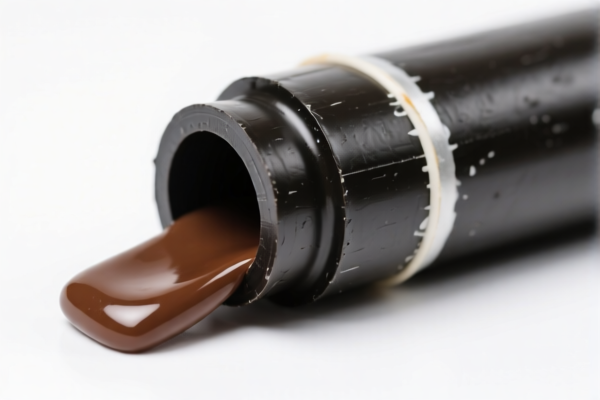
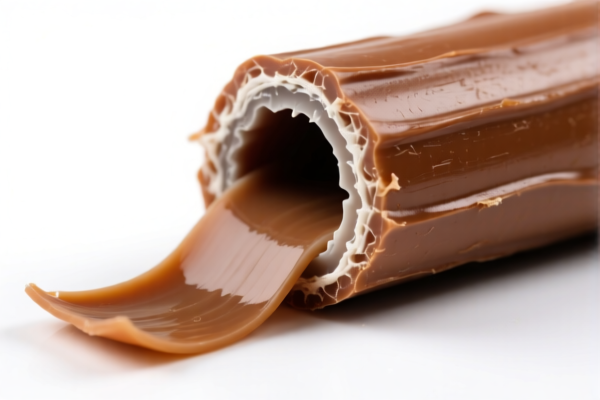
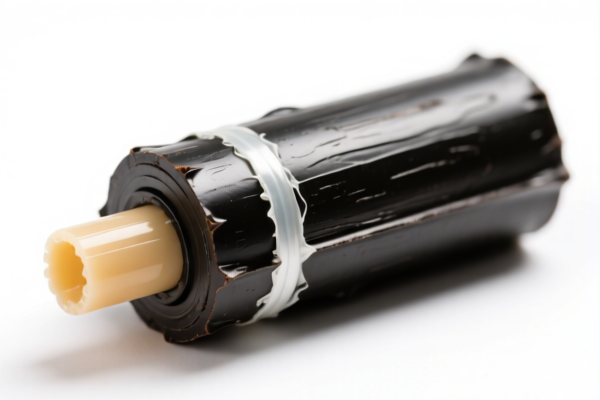
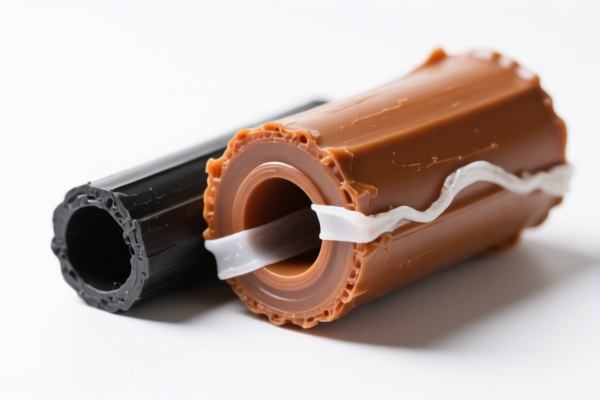
AI Analysis
🛡️ Rubber Anti-Aging Agent (Rubber Antioxidant/Anti-Ozonant)
🌐 HS Code Reference & Customs Clearance Guide | 2026 Latest Tariff Analysis | Professional Clearance Strategy
📌 I. Product Definition & Classification: What Exactly is "Rubber Anti-Aging Agent"?
Rubber Anti-Aging Agents are specialized chemical additives used to extend the lifespan of rubber products by protecting them from environmental degradation caused by oxygen, ozone, heat, and light. In international trade, these chemicals are classified based on their chemical composition (whether they are organic compounds or mixtures) and their primary function (chemical processing vs. lubrication/protection).
⚠️ Key Distinction:
- If the product is a specific chemical compound (e.g., a derivative of hydrocarbons) → It falls under Chapter 29 (Organic Chemicals).
- If the product is a mixture/preparation designed for preserving or treating materials → It falls under Chapter 34 (Oils, Greases, Chemical Preparations).
📦 II. HS Code Classification Details (2026 Latest Tariff Authority Comparison)
Based on the provided data, there are four potential HS Code categories. The correct classification depends on the specific chemical nature of your anti-aging agent.
| HS Code | Product Description | Applicability | Chemical Nature |
|---|---|---|---|
2904.99.50.00 |
Natural Rubber Anti-Aging Agent (General) | Chemical synthesis or processing; organic compounds; hydrocarbon derivatives. | ✅ Organic Compound |
2904.99.47.00 |
Natural Rubber Anti-Aging Agent (Sulfonated/Nitrated) | Derivatives of sulfonated, nitrated, or nitrosated hydrocarbons; aromatic derivative attributes. | ✅ Specific Derivative |
3403.19.50.00 |
Rubber Anti-Aging Agent (Material Treatment) | Chemical treatment preparations for materials (rubber); fits lubrication/treatment preparation scope. | ✅ Preparation/Mixture |
3403.99.00.00 |
Rubber Anti-Aging Agent (General Protection) | Oils or chemical preparations for protecting/treating materials; fits lubrication and anticorrosion scope. | ✅ General Preparation |
🔍 Critical Reminder:
- Chapter 29 (2904.xx) applies if the anti-aging agent is a pure or defined chemical substance (e.g., specific antioxidant molecules).
- Chapter 34 (3403.xx) applies if the anti-aging agent is a formulated mixture, paste, or oil-based preparation used for surface protection or material treatment.
- Misclassification can lead to significant tax differences and customs delays.
💰 III. 2026 Latest Tariff Rate Breakdown (Including Surcharges & Policy Add-ons)
✅ Applicable Country: United States (US)
✅ Origin: China (CN)
✅ Effective Date: 2025/2026 (Current Trade Policy)
🎯 1. 2904.99.50.00 —— General Organic Rubber Anti-Aging Agent
| Item | Details |
|---|---|
| Base Tariff | 3.7% (ad valorem) |
| Section 301 Surcharge | +25.0% (Standard USITC 301 Tariff) |
| Section 122 Tariff | +10.0% (Specific Policy Surcharge) |
| Total Tariff Rate | 38.7% |
| Tax Calculation | CIF Value × 38.7% |
| De Minimis Exemption | ❌ Not Eligible (Subject to high duties) |
| Legal Basis Path | USITC:2904.99.50.00 → FOOTNOTE:301 → FOOTNOTE:122 |
📌 Explanation:
- This code is for organic compounds that do not fall into more specific sub-categories.
- The 38.7% rate is high due to the combination of base tariff, Section 301, and Section 122.
- Suitable for general synthetic antioxidants used in natural rubber processing.
🎯 2. 2904.99.47.00 —— Sulfonated/Nitrated Rubber Anti-Aging Agent
| Item | Details |
|---|---|
| Base Tariff | 5.5% (ad valorem) |
| Section 301 Surcharge | +25.0% (Standard USITC 301 Tariff) |
| Section 122 Tariff | +10.0% (Specific Policy Surcharge) |
| Total Tariff Rate | 40.5% |
| Tax Calculation | CIF Value × 40.5% |
| De Minimis Exemption | ❌ Not Eligible |
| Legal Basis Path | USITC:2904.99.47.00 → FOOTNOTE:301 → FOOTNOTE:122 |
📌 Explanation:
- This code is specific to hydrocarbon derivatives that are sulfonated, nitrated, or nitrosated.
- The base tariff is higher (5.5%) due to the specific chemical classification, leading to a total of 40.5%.
- Use this only if your product is explicitly a derivative of these specific chemical modifications.
🎯 3. 3403.19.50.00 —— Material Treatment Preparation (Rubber Specific)
| Item | Details |
|---|---|
| Base Tariff | 5.8% (ad valorem) |
| Section 301 Surcharge | +25.0% (Standard USITC 301 Tariff) |
| Section 122 Tariff | +10.0% (Specific Policy Surcharge) |
| Total Tariff Rate | 40.8% |
| Tax Calculation | CIF Value × 40.8% |
| De Minimis Exemption | ❌ Not Eligible |
| Legal Basis Path | USITC:3403.19.50.00 → FOOTNOTE:301 → FOOTNOTE:122 |
📌 Explanation:
- This code applies to preparations used for treating materials (like rubber) that function similarly to lubricants or processing aids.
- It is a preparation/mixture, not a pure chemical.
- Total rate is 40.8%, slightly higher than general organic compounds due to a higher base tariff.
🎯 4. 3403.99.00.00 —— General Chemical Preparations for Protection
| Item | Details |
|---|---|
| Base Tariff | 6.5% (ad valorem) |
| Section 301 Surcharge | +25.0% (Standard USITC 301 Tariff) |
| Section 122 Tariff | +10.0% (Specific Policy Surcharge) |
| Total Tariff Rate | 41.5% |
| Tax Calculation | CIF Value × 41.5% |
| De Minimis Exemption | ❌ Not Eligible |
| Legal Basis Path | USITC:3403.99.00.00 → FOOTNOTE:301 → FOOTNOTE:122 |
📌 Explanation:
- This is the residual category for oils, greases, or chemical preparations for treating materials, not elsewhere specified.
- It has the highest base tariff (6.5%) among the options, leading to the highest total rate of 41.5%.
- Use this only if the product is a general-purpose protective preparation that doesn't fit the specific "rubber treatment" sub-category.
🛠️ IV. Customs Clearance Practical Advice (Real-World Pitfall Guide)
✅ 1. Documentation Checklist (All Mandatory)
| Document | Required? | Description |
|---|---|---|
| ✅ Product Specification Sheet | ✔️ | Must include chemical name, CAS number, composition %, and physical state (solid/liquid). |
| ✅ Safety Data Sheet (SDS) | ✔️ | Crucial for customs to determine if it’s a hazardous chemical or a pure substance vs. mixture. |
| ✅ Formula/Composition Analysis | ✔️ | Critical for distinguishing between Chapter 29 (pure chemical) and Chapter 34 (mixture). |
| ✅ Commercial Invoice | ✔️ | Must clearly state: "Rubber Anti-Aging Agent," HS Code, and Country of Origin. |
| ✅ Bill of Lading | ✔️ | Consistent with invoice and packing list. |
| ✅ Packing List | ✔️ | Net/Gross weight, number of packages. |
✅ 2. Declaration Tips (Key Rules)
🔥 “Chemical Purity Determines Chapter, Composition Determines Rate!”
| Scenario | Correct Declaration | Wrong Practice | Consequence |
|---|---|---|---|
| Pure Chemical Substance | 2904.99.50.00 or 2904.99.47.00 |
Declare as "Chemical Preparation" | Risk of misclassification, audit, potential penalty. |
| Formulated Mixture/Paste | 3403.19.50.00 or 3403.99.00.00 |
Declare as "Organic Compound" | Customs may reclassify and apply different duties. |
| Unclear Composition | Provide detailed formula | Write vague "Anti-aging Agent" | Customs may suspend clearance, request lab test, delay shipment. |
| Low Value Shipment | None | Expect de minimis exemption | ❌ No de minimis for China-origin goods under 301/122. All taxes apply. |
✅ 3. Special Situations
| Situation | Handling Advice |
|---|---|
| Customs Questioning Chapter 29 vs. 34 | Provide a chemical analysis report proving if it’s a single compound (Ch 29) or a mixture (Ch 34). |
| Product is a "Pre-mixed Compound" | If it contains multiple anti-aging agents + base oils, it is likely Chapter 34. |
| Origin is Not China | If originating from Vietnam, Malaysia, etc., apply for preferential tariff to avoid 301/122 surcharges. |
| Hazardous Chemicals | If the anti-aging agent is flammable or toxic, ensure Dangerous Goods Declaration is filed correctly to avoid safety holds. |
🌍 V. Global Market Comparison (2026 Latest)
| Country/Region | Recommended HS Code | Tariff (China Origin) | Certification Requirements | Notes |
|---|---|---|---|---|
| 🇺🇸 USA | 2904.99.50.00 / 3403.xx |
38.7% - 41.5% | SDS, EPA Registration (if applicable) | High tariffs due to 301 & 122. |
| 🇨🇳 China | 2904.99.50.00 / 3403.xx |
0% - 6.5% | ISO, REACH (if exporting) | Base tariffs vary by code. |
| 🇪🇺 EU | 2904.99.90 / 3403.99.90 |
0% - 6.5% | REACH, CLP Labeling | No 301/122 surcharges. |
| 🇯🇵 Japan | 2904.99.00 / 3403.99.00 |
0% - 3.0% | PSE (if electrical) | Generally low tariffs. |
📌 Conclusion:
- USA is the most expensive market due to the layered surcharges (301 + 122).
- EU and Japan are more tariff-friendly, but require strict chemical compliance (REACH).
- Strategic Tip: If possible, consider supply chain relocation to a non-China origin to avoid the 25% + 10% surcharges.
📌 VI. Common Mistakes & Pitfalls (Lessons Learned)
❌ Mistake 1: Declaring a mixture as a pure chemical (2904) to avoid the "preparation" code.
👉 Consequence: Customs lab test proves it’s a mixture → Reclassified to 3403 → Potential penalties for false declaration.
❌ Mistake 2: Ignoring the Section 122 Tariff.
👉 Consequence: Unexpected 10% surcharge at customs, causing cash flow issues for the importer.
❌ Mistake 3: Using vague names like "Rubber Additive" on the Invoice.
👉 Consequence: Customs cannot verify the HS Code → Hold for Inspection → Delay of 2-4 weeks.
❌ Mistake 4: Assuming De Minimis applies.
👉 Consequence: Shipments under $800 from China are still subject to all tariffs due to current trade policies.
✅ Correct Practice:
"Rubber Anti-Aging Agent (Chemical Name: [Insert CAS], Purity: 98%, Liquid), HS Code: 2904.99.50.00, Origin: China, SDS Attached."
🎯 VII. Conclusion: Professional Declaration, Save Time & Money!
🎯 Remember the Rules:
🔹 "Pure Chemical = Ch 29, Mixture = Ch 34."
🔹 "Always Prepare for 301 + 122 = 35% Surcharge."
🔹 "SDS & Formula are Your Best Friends."
📌 Pro Tip:
If your product is a complex formulation, consider applying for an Advance Ruling from US Customs to get a binding classification decision before shipment. This avoids surprises and delays.
📣 Immediate Action:
📞 Contact a licensed customs broker + Provide SDS + Detailed Formula + Request Advance Ruling
🚀 Ensure your Rubber Anti-Aging Agent clears customs smoothly, efficiently, and cost-effectively!
✨ Professional Customs Clearance Starts with Accurate Classification!
💼 Every Percent of Duty Matters in Your Profit Margin!
Customer Reviews
About HS Code Classification
The Harmonized System (HS) is an internationally standardized nomenclature developed by the World Customs Organization (WCO) to classify traded products. Over 200 countries use the HS system as the basis for customs tariffs, trade statistics, and import/export regulations.
Each HS code follows a hierarchical structure:
- Chapter (2 digits) — Broad category of goods (e.g., Chapter 84: Machinery and Mechanical Appliances)
- Heading (4 digits) — More specific grouping within the chapter
- Subheading (6 digits) — Internationally standardized breakdown, used by all WCO member countries
- National subdivisions (8-10 digits) — Country-specific extensions for further classification, such as US HTSUS 10-digit codes
Correct HS code classification is essential for smooth customs clearance, accurate duty payment, and compliance with trade regulations. Misclassification can lead to customs delays, overpayment of duties, or penalties.
When importing from CN to US, the applicable tariff rates may include:
- Most-Favored-Nation (MFN) rate — The standard duty rate applied to WTO members
- General rate — Applied to countries without trade agreements
- Trade remedy duties — Additional tariffs such as Section 301 (anti-dumping), Section 232 (national security), or countervailing duties
The information provided on this page is for reference purposes only. For official classification, please consult with your local customs authority or a licensed customs broker.