Rubber Anti slip Mat
CN → US| HS Code | Tariff Rate | Origin | Destination | Doc |
|---|---|---|---|---|
| 4008111000 | 35.0% | CN | US | Official Doc |
| 4016996050 | 37.5% | CN | US | Official Doc |
| 4016990500 | 20.9% | CN | US | Official Doc |
| 3926904510 | 38.5% | CN | US | Official Doc |
| 4008210000 | 35.0% | CN | US | Official Doc |
Product Images
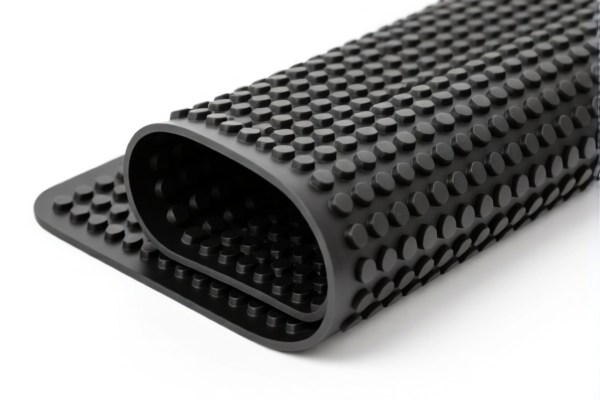
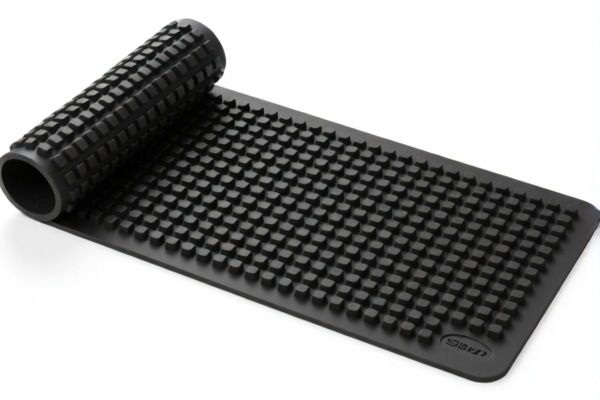
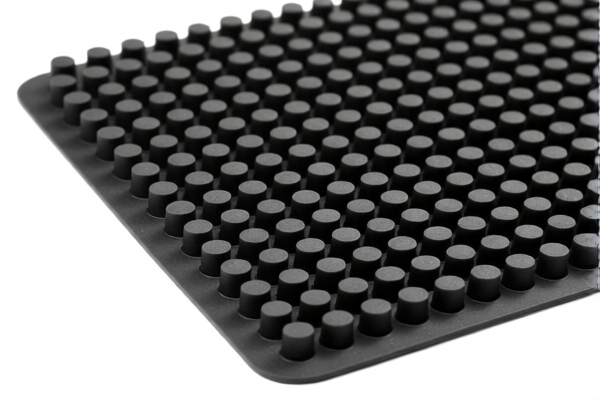
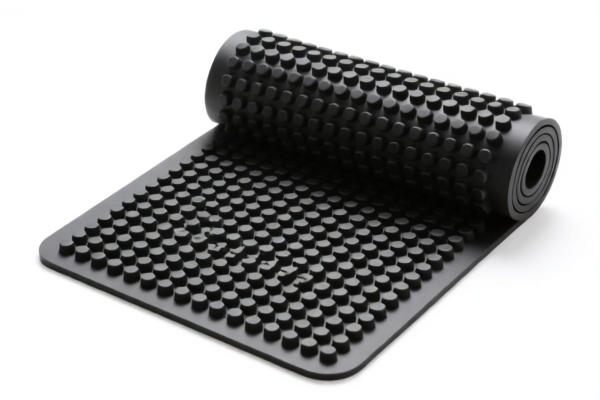
AI Analysis
🛑 Rubber Anti-slip Mat (Rubber Protection Pads)
🌐 HS Code Reference & Customs Clearance Guide | 2026 Latest Tariff Analysis | Professional Level Strategy
📌 Part I: Product Definition and Classification: Do You Really Understand “Rubber Anti-slip Mat”?
A Rubber Anti-slip Mat is a versatile industrial and consumer good designed to provide traction, protection, and vibration dampening. In international trade, its classification depends heavily on its specific form, material state, and intended use.
1. Non-Foamed Natural Rubber Sheets/Plates (4008.11.10.00):
Raw or processed natural rubber in slab, lamina, or strip form, not foamed.
2. Vulcanized Rubber Articles, Not Elsewhere Specified (4016.99.60.50):
Standard vulcanized rubber mats used for general protection, often subject to higher trade remedies.
3. Other Rubber Articles, Not Elsewhere Specified (4016.99.05.00):
Generic rubber pads where the specific use is not defined in other headings.
4. Plastic Articles, Seals (3926.90.45.10):
If the “rubber” is actually synthetic rubber or classified under plastic headings for sealing purposes.
5. Non-Foamed Rubber Plates/Sheets (4008.21.00.00):
Synthetic or processed natural rubber in plate/sheet form, excluding foam.
⚠️ Key Distinction Point:
- If it is natural rubber in sheet/plate form → Look at Chapter 40 (Heading 4008).
- If it is vulcanized and serves a general protective function → Look at Chapter 40 (Heading 4016).
- If it is considered a seal or under plastic headings → Look at Chapter 39 (Heading 3926).
📦 Part II: HS Code Classification Details (2026 Latest Tariff Authority Comparison)
| HS Code | Product Description | Application Scenario | Material State |
|---|---|---|---|
4008.11.10.00 |
Non-foamed natural rubber plates, sheets, strips; round discs | Natural rubber mats, high-grade industrial pads | Natural Rubber |
4016.99.60.50 |
Other vulcanized rubber articles, not specified elsewhere | General vulcanized anti-slip pads, protective mats | Vulcanized Rubber |
4016.99.05.00 |
Other rubber articles (household/general use not specified) | Generic rubber pads, unspecified use | Vulcanized Rubber |
3926.90.45.10 |
Other plastic articles: seals | Rubber-like seals, synthetic rubber mats under plastic heading | Synthetic/Plastic |
4008.21.00.00 |
Other non-foamed natural rubber plates/sheets (excl. tiles) | Natural rubber sheets for protection, non-foamed | Natural Rubber |
🔍 Key Reminder:
- Vulcanization is a critical factor. Most anti-slip mats are vulcanized, pushing them to 4016. - If the material is non-foamed and natural rubber, it may fall under 4008. - Misclassification between 4008 (raw/processed) and 4016 (vulcanized manufactured articles) is common and risky.
💰 Part III: 2026 Latest Tariff Rate Detailed Explanation (Including Surcharges & Policy Add-ons)
✅ Applicable Country: United States (US)
✅ Origin: China (CN)
✅ Effective Time: From November 10, 2025 (for subsequent imports)
🎯 1. 4008.11.10.00 —— Non-foamed Natural Rubber Plates/Sheets
| Item | Content |
|---|---|
| Base Duty Rate | 0.0% (ad valorem) |
| Section 301 Surcharge | +25.0% (USITC Footnote) |
| IEEPA Surcharge (Section 122/Other) | +10.0% (Targeting China/China products) |
| Total Effective Rate | 35.0% |
| Tax Calculation | CIF Value × 35% |
| De Minimis Eligibility | ❌ Not Eligible (deny_de_minimis) |
| Legal Basis Path | IEEPA:9903.01.25 → USITC:4008.11.10.00 → FOOTNOTE:301 |
📌 Explanation:
- Although the base duty is 0%, the Section 301 25% tariff and IEEPA 10% surcharge apply, totaling 35%. - This applies to natural rubber products in sheet/plate form.
🎯 2. 4016.99.60.50 —— Other Vulcanized Rubber Articles (General)
| Item | Content |
|---|---|
| Base Duty Rate | 2.5% (ad valorem) |
| Section 301 Surcharge | +25.0% (USITC Footnote) |
| IEEPA Surcharge | +10.0% (Targeting China/China products) |
| Total Effective Rate | 37.5% |
| Tax Calculation | CIF Value × 37.5% |
| De Minimis Eligibility | ❌ Not Eligible (deny_de_minimis) |
| Legal Basis Path | IEEPA:9903.01.24 → USITC:4016.99.60.50 → FOOTNOTE:301 |
📌 Note:
- This is a common classification for vulcanized anti-slip mats that don’t fit specific sub-headings. - The 2.5% base duty makes the total slightly higher than4008.11.10.00.
🎯 3. 4016.99.05.00 —— Other Rubber Articles (Household/General Use)
| Item | Content |
|---|---|
| Base Duty Rate | 3.4% (ad valorem) |
| Section 301 Surcharge | +7.5% (Reduced Section 301 rate for some categories) |
| IEEPA Surcharge | +10.0% (Targeting China/China products) |
| Total Effective Rate | 20.9% |
| Tax Calculation | CIF Value × 20.9% |
| De Minimis Eligibility | ❌ Not Eligible (deny_de_minimis) |
| Legal Basis Path | IEEPA:9903.01.24 → USITC:4016.99.05.00 → FOOTNOTE:301 |
📌 Advantage:
- This code has a significantly lower total tax rate (20.9%) compared to others. - However, it must be strictly justified as “unspecified household/general use” and not fit other more specific categories.
🎯 4. 3926.90.45.10 —— Plastic Articles: Seals
| Item | Content |
|---|---|
| Base Duty Rate | 3.5% (ad valorem) |
| Section 301 Surcharge | +25.0% (USITC Footnote) |
| IEEPA Surcharge | +10.0% (Targeting China/China products) |
| Total Effective Rate | 38.5% |
| Tax Calculation | CIF Value × 38.5% |
| De Minimis Eligibility | ❌ Not Eligible (deny_de_minimis) |
| Legal Basis Path | IEEPA:9903.01.25 → USITC:3926.90.45.10 → FOOTNOTE:301 |
📌 Caution:
- If the anti-slip mat is classified under Chapter 39 (as a seal or plastic article), the tax burden is the highest (38.5%). - This usually applies if the material is synthetic rubber or misclassified.
🎯 5. 4008.21.00.00 —— Other Non-Foamed Natural Rubber Plates/Sheets
| Item | Content |
|---|---|
| Base Duty Rate | 0.0% (ad valorem) |
| Section 301 Surcharge | +25.0% (USITC Footnote) |
| IEEPA Surcharge | +10.0% (Targeting China/China products) |
| Total Effective Rate | 35.0% |
| Tax Calculation | CIF Value × 35.0% |
| De Minimis Eligibility | ❌ Not Eligible (deny_de_minimis) |
| Legal Basis Path | IEEPA:9903.01.25 → USITC:4008.21.00.00 → FOOTNOTE:301 |
📌 Note:
- Similar to4008.11.10.00, but for other non-foamed natural rubber sheets (not tiles/slabs). - Total tax rate is 35.0%.
🛠️ Part IV: Customs Clearance Practical Advice (Real-World Pitfall Guide)
✅ 1. Preparation Checklist (Mandatory)
| Document | Required | Description |
|---|---|---|
| ✅ Product Specifications | ✔️ | Material composition (Natural vs. Synthetic/Vulcanized), thickness, dimensions |
| ✅ Material Safety Data Sheet (MSDS) | ✔️ | To prove chemical composition and vulcanization status |
| ✅ Product Photos (Clear) | ✔️ | Show texture, edge, and any branding. Highlight if it’s foam or solid. |
| ✅ Commercial Invoice | ✔️ | Clearly state “Rubber Anti-slip Mat, Vulcanized, [Material Type]” |
| ✅ Packing List | ✔️ | Weight and dimensions of each package |
| ✅ Certificate of Origin (CO) | ✔️ | Essential for US-China trade context |
✅ 2. Declaration Tips (Key Mantra)
🔥 “Vulcanized Matters, Seal vs. Pad, Natural Rubber Check Foam!”
| Scenario | Correct HS Code | Wrong Practice |
|---|---|---|
| Vulcanized General Pad | 4016.99.60.50 or 4016.99.05.00 |
Declaring as 4008 (raw) → Risk of rejection |
| Natural Rubber Sheet (Non-foam) | 4008.11.10.00 / 4008.21.00.00 |
Declaring as 4016 (manufactured) → Higher tax |
| Synthetic Rubber Seal | 3926.90.45.10 |
Declaring as 4016 → Lower tax but wrong classification |
| Foamed Rubber Mat | Not in current list | ❌ Excluded: All codes above are non-foamed |
✅ 3. Special Situations
| Situation | Handling Advice |
|---|---|
| Foam Anti-slip Mat | ❌ None of the above codes apply. Foam rubber falls under different subheadings (e.g., 4008.11.90, 4008.29, 4016.93). Using these codes will lead to severe penalties. |
| Hybrid Materials | If the mat has a rubber layer on a plastic backing, consult a specialist. It may be classified as a composite article. |
| OEM Custom Mats | Provide design drawings and material specs. Avoid generic names like “Rubber Mat” without details. |
| Used/Recycled Rubber | May face additional restrictions or require different HS codes. |
🌍 Part V: Global Market Comparison (2026 Latest)
| Country/Region | Recommended HS Code | Estimated Duty | Certification | Notes |
|---|---|---|---|---|
| 🇺🇸 USA | 4016.99.05.00 (Best Rate) |
20.9% | None specific | Highest risk due to Section 301 & IEEPA |
| 🇨🇳 China | 4016.99.05.00 |
~5-10% | CCC (if applicable) | No Section 301 |
| 🇪🇺 EU | 4016.99.90 |
0-4.5% | REACH, RoHS | Lower tariffs, strict environmental standards |
| 🇬🇧 UK | 4016.99.90 |
0-4.5% | UKCA | Post-Brexit rules apply |
📌 Conclusion:
- The USA imposes the highest effective tariff (up to 38.5%) on these goods due to trade wars. -4016.99.05.00(20.9%) is the most cost-effective for vulcanized mats, but requires strict justification. - Foam mats are not covered in this data and likely fall under different, potentially lower, tax categories in some regions, but not in the provided DATA.
📌 Part VI: Common Errors & Pitfall Guide (Lessons Learned)
❌ Error 1: Declaring Foam Mats as 4008 or 4016 (Non-foamed codes)
👉 Consequence: Customs will reject the declaration. Foam rubber has its own codes (e.g., 4008.11.90). This leads to delays and fines.
❌ Error 2: Using 3926.90.45.10 for Natural Rubber Mats
👉 Consequence: 38.5% tax vs. 35% for 4008. Misclassification leads to overpayment and potential fraud accusations.
❌ Error 3: Ignoring Section 301 & IEEPA
👉 Consequence: Assuming a low base duty (e.g., 0% or 2.5%) means the actual cost is 35-38.5%. This destroys profit margins.
❌ Error 4: Vague Description “Rubber Mat”
👉 Consequence: Customs may choose the highest applicable code (3926.90.45.10) or classify it as not specified, leading to audits.
✅ Correct Practice:
“Anti-Slip Pad, Vulcanized Rubber, Non-Foamed, For Industrial Equipment, Material: Vulcanized Natural Rubber, HS Code: 4016.99.05.00”
🎯 Part VII: Conclusion: Professional Declaration, Cost Savings, Efficiency!
🎯 Remember the Mantra:
🔹 “Vulcanized vs. Raw, Foam vs. Solid, IEEPA & 301 Apply!”
🔹 “4016.99.05.00is the Sweet Spot (20.9%), but prove your case!”
🔹 “Foam is NOT in this list. Check4008.11.90or4016.93separately.”
📌 Pro Tip:
- If your mats are foamed, do not use the HS codes listed above. They are for non-foamed products.
- For USA imports, always calculate the total landed cost including the 35-38.5% effective tax.
- Consider Advance Rulings from US Customs to lock in the 4016.99.05.00 (20.9%) rate if eligible.
📣 Act Now:
📞 Contact a licensed customs broker.
📄 Provide Material Test Reports and Photos.
🚀 Ensure accurate HS Code to avoid 38.5% surprises.
✨ Professional Clearance Starts with Precise Classification!
💼 Your Every Cent of Cost Deserves Precise Calculation!
Customer Reviews
About HS Code Classification
The Harmonized System (HS) is an internationally standardized nomenclature developed by the World Customs Organization (WCO) to classify traded products. Over 200 countries use the HS system as the basis for customs tariffs, trade statistics, and import/export regulations.
Each HS code follows a hierarchical structure:
- Chapter (2 digits) — Broad category of goods (e.g., Chapter 84: Machinery and Mechanical Appliances)
- Heading (4 digits) — More specific grouping within the chapter
- Subheading (6 digits) — Internationally standardized breakdown, used by all WCO member countries
- National subdivisions (8-10 digits) — Country-specific extensions for further classification, such as US HTSUS 10-digit codes
Correct HS code classification is essential for smooth customs clearance, accurate duty payment, and compliance with trade regulations. Misclassification can lead to customs delays, overpayment of duties, or penalties.
When importing from CN to US, the applicable tariff rates may include:
- Most-Favored-Nation (MFN) rate — The standard duty rate applied to WTO members
- General rate — Applied to countries without trade agreements
- Trade remedy duties — Additional tariffs such as Section 301 (anti-dumping), Section 232 (national security), or countervailing duties
The information provided on this page is for reference purposes only. For official classification, please consult with your local customs authority or a licensed customs broker.