Rubber Antistatic Agent
CN → US| HS Code | Tariff Rate | Origin | Destination | Doc |
|---|---|---|---|---|
| 3809931000 | 41.5% | CN | US | Official Doc |
| 3402411000 | 39.0% | CN | US | Official Doc |
| 3402419000 | 39.0% | CN | US | Official Doc |
| 3403990000 | 41.5% | CN | US | Official Doc |
| 3403195000 | 40.8% | CN | US | Official Doc |
Product Images
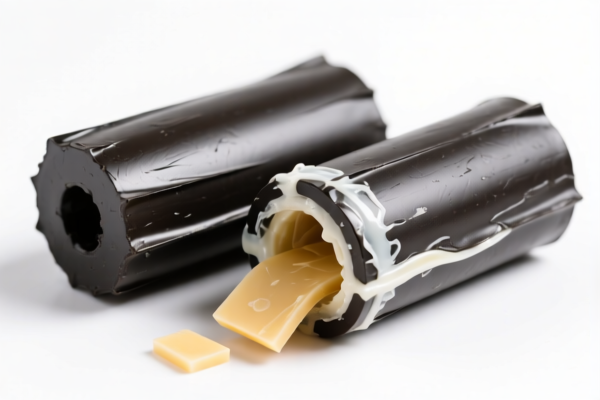
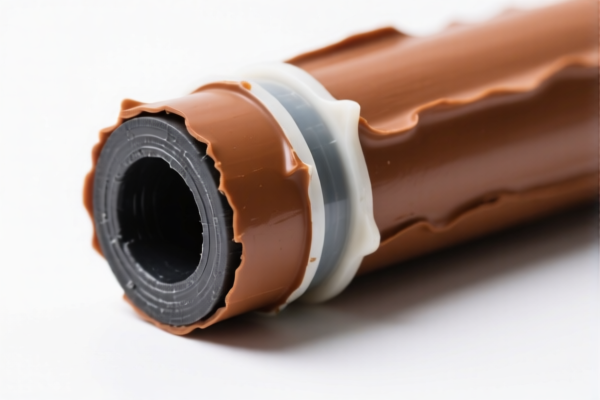

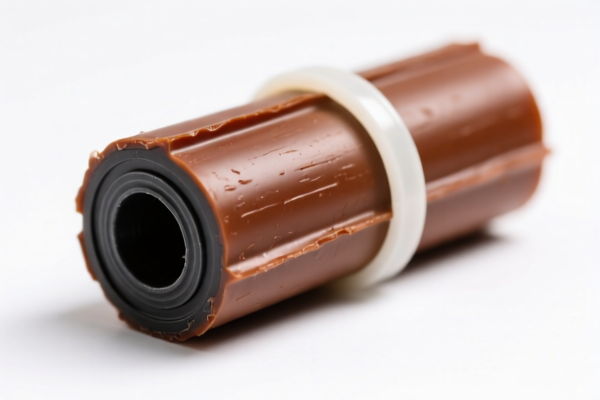
AI Analysis
🛡️ Rubber Antistatic & Protective Agents (Chemical Processing Agents)
🌐 HS Code Reference & Customs Clearance Guide | 2026 Latest Tariff Analysis | Professional Compliance Strategy
📌 I. Product Definition & Classification: What Exactly Are You Shipping?
"Rubber Antistatic Agent" is a broad trade term that often masks the specific chemical composition of the product. In international customs, classification depends not just on the function (antistatic/protection) but on the chemical nature and primary use case.
For goods intended for rubber processing, the primary HS Code chapters involved are: * Chapter 34: Soap, organic surface-active agents, washing preparations, lubricating preparations, artificial waxes, prepared waxes, polishing/scouring preparations, candles, and similar goods. * Specifically, Heading 3403: Lubricating preparations (including cutting oil preparations, bolt or nut liberation preparations, anti-rust preparations, and similar preparations, based on petroleum oils or oil obtained from bituminous minerals, other than those containing more than 70% by weight of petroleum oils or bituminous mineral oils). * Chapter 38: Miscellaneous chemical products. * Specifically, Heading 3809: Finishing agents, dye assistants, dressing agents, dyeing accelerators, and other preparations (such as those used to fix dyes or to develop dye colours) of a kind used in the textile, paper, leather or like industries.
⚠️ Critical Distinction:
- If the product is primarily a lubricant/oil-based preparation for rubber processing (including antistatic properties), it typically falls under 3403.
- If the product is a surface active agent (surfactant) specifically formulated for antistatic purposes, it may fall under 3402.
- Note: The provided data does not include leather-specific antistatic agents (HS 3809.93.10.00) for this specific query, as the query specifies "Rubber". However, we must evaluate all valid HS codes from the provided<DATA>that apply to chemical agents for antistatic or protective processing.
📦 II. HS Code Classification Details (Based on Provided Data)
Based on the <DATA> provided, here are the relevant HS Codes for chemical agents used in antistatic and protective treatments (applicable to rubber/chemical processing contexts where relevant):
| HS Code | Product Description (Summary) | Key Application | Classification Logic |
|---|---|---|---|
3403.99.00.00 |
Rubber anti-aging agent, material contains rubber, purpose is protection treatment | Rubber protection/processing | Classified under Chapter 34 (Lubricating/Protective Preparations). Often used for antistatic/protection in rubber. |
3403.19.50.00 |
Chemical processing agents for rubber, purpose is material protection | Rubber chemical processing | Specifically for rubber. Includes protective agents which may have antistatic functions. |
3402.41.10.00 |
Cationic organic surface active agents, used for antistatic treatment | Antistatic processing | Classified under Chapter 34 (Surface Active Agents). Specific cationic type for antistatic use. |
3402.41.90.00 |
Organic surface active agents/surface active preparations, used for antistatic treatment | Antistatic processing | Broader category of surface active agents for antistatic purposes. |
🔍 Important Note on Leather Agent:
The data also includes3809.93.10.00(Leather antistatic agent). If your product is strictly for rubber, this code is incorrect. However, if the product is a multi-purpose agent used on both leather and rubber, customs may scrutinize the primary use. For "Rubber Antistatic Agent," prioritize 3403 or 3402 codes listed above.
💰 III. 2026 Latest Tariff Rate Breakdown (Including Surtaxes & Policy Add-ons)
✅ Applicable Country: United States (US)
✅ Origin: China (CN)
✅ Effective Date: Post-November 10, 2025 (including subsequent imports)
Note: Rates below are derived strictly from the provided<DATA>.
🎯 1. 3403.99.00.00 —— Rubber Anti-Aging Agent (Protection/Antistatic)
| Item | Content |
|---|---|
| Base Tariff | 6.5% (Ad valorem) |
| Section 301 Surtax | +25.0% |
| Section 122 Surtax | +10.0% |
| Total Tariff Rate | 41.5% |
| Tax Calculation | CIF Value × 41.5% |
| De Minimis Eligibility | ❌ No (High tariff rate typically disqualifies from de minimis or incurs immediate duty) |
| Legal Basis Path | Base: 6.5% → Section 301: 25.0% → Section 122: 10.0% |
📌 Explanation:
- This code is categorized under 3403 (Lubricating/Protective Preparations).
- The 41.5% total rate is a composite of base duty and two significant surcharges.
- Section 122 (10%) and Section 301 (25%) are applied cumulatively.
🎯 2. 3403.19.50.00 —— Chemical Processing Agents for Rubber
| Item | Content |
|---|---|
| Base Tariff | 5.8% |
| Section 301 Surtax | +25.0% |
| Section 122 Surtax | +10.0% |
| Total Tariff Rate | 40.8% |
| Tax Calculation | CIF Value × 40.8% |
| De Minimis Eligibility | ❌ No |
| Legal Basis Path | Base: 5.8% → Section 301: 25.0% → Section 122: 10.0% |
📌 Explanation:
- Slightly lower base rate (5.8%) than the general 3403.99, but surcharges remain the same.
- Ideal for specifically formulated rubber chemicals.
🎯 3. 3402.41.10.00 —— Cationic Organic Surface Active Agents (Antistatic)
| Item | Content |
|---|---|
| Base Tariff | 4.0% |
| Section 301 Surtax | +25.0% |
| Section 122 Surtax | +10.0% |
| Total Tariff Rate | 39.0% |
| Tax Calculation | CIF Value × 39.0% |
| De Minimis Eligibility | ❌ No |
| Legal Basis Path | Base: 4.0% → Section 301: 25.0% → Section 122: 10.0% |
📌 Explanation:
- Cationic surfactants are a specific chemical class.
- 39.0% is the lowest total rate among the provided options, but only applicable if the product is chemically a cationic surface active agent.
🎯 4. 3402.41.90.00 —— Other Organic Surface Active Agents (Antistatic)
| Item | Content |
|---|---|
| Base Tariff | 4.0% |
| Section 301 Surtax | +25.0% |
| Section 122 Surtax | +10.0% |
| Total Tariff Rate | 39.0% |
| Tax Calculation | CIF Value × 39.0% |
| De Minimis Eligibility | ❌ No |
| Legal Basis Path | Base: 4.0% → Section 301: 25.0% → Section 122: 10.0% |
📌 Explanation:
- Broader category for surfactants. If the exact cationic nature isn't specified or applicable, this code is used.
🛠️ IV. Customs Clearance Practical Advice (Pitfall Avoidance Guide)
✅ 1. Preparation Checklist (Must-Have Documents)
| Document | Required | Explanation |
|---|---|---|
| ✅ Product Technical Data Sheet (TDS) | ✔️ | Must clearly state: Chemical composition (e.g., "Cationic Surfactant"), Primary Function (Antistatic/Protection), and Substrate (Rubber/Leather). |
| ✅ Certificate of Analysis (COA) | ✔️ | Confirms the chemical nature (e.g., pH, viscosity, active ingredient %) to support HS Code 3402 vs 3403. |
| ✅ SDS (Safety Data Sheet) | ✔️ | Crucial for Hazmat Check. Confures if the product is regulated as a hazardous material under US DOT/OSHA. |
| ✅ Commercial Invoice | ✔️ | Clearly describe as "Rubber Antistatic Agent – Cationic Surface Active Agent" or "Chemical Processing Agent for Rubber." Avoid vague terms like "Helper." |
| ✅ Packing List | ✔️ | Details net/gross weight and volume. |
✅ 2. Declaration Tips (Key Mantras)
🔥 "Chemical Nature First, Function Second, HS Code Follows!"
| Scenario | Correct Declaration | Wrong Practice |
|---|---|---|
| Product is a surfactant for antistatic use | Declare as "Cationic Organic Surface Active Agent" → HS 3402.41.10.00 (39%) | Declaring as "Rubber Additive" → Risk of misclassification. |
| Product is a lubricant/protection agent for rubber | Declare as "Chemical Processing Agent for Rubber" → HS 3403.19.50.00 (40.8%) | Declaring as "Antistatic Spray" → Ambiguous. |
| Product is for Leather only | Declare as "Leather Antistatic Agent" → HS 3809.93.10.00 (41.5%) | Using Rubber codes for Leather goods. |
| Product is a mixture | Provide COA to prove dominant use/chemical nature. | Vague description "Chemical Mix." |
✅ 3. Special Considerations
| Issue | Handling Advice |
|---|---|
| Section 122 & 301 Surtaxes | All provided HS codes incur 35% total surtax (25% + 10%). This is a significant cost driver. Ensure CIF value is accurate to avoid underpayment penalties. |
| Material Composition | If the agent contains >70% petroleum oils, it is definitely 3403. If it is primarily a surfactant, it is 3402. Misclassification leads to audits. |
| Hazmat Classification | Antistatic agents can be flammable or corrosive. Ensure proper UN Number and HAZMAT declaration if applicable. Failure can lead to shipment rejection. |
🌍 V. Global Market Customs Comparison (2026 Latest)
| Country/Region | Recommended HS Code (For Rubber Antistatic) | Base Tariff | Surtaxes (US Origin) | Notes |
|---|---|---|---|---|
| 🇺🇸 USA | 3403.19.50.00 or 3402.41.10.00 |
4.0% - 5.8% | +35% (301 + 122) | Total ~39-41.5%. High compliance risk. |
| 🇨🇳 China | 3403.19.50.00 |
~5-6% | None (Imported from US) | Lower duty for importing into China. |
| 🇪🇺 EU | 3403.99 or 3402.41 |
~6.5% | None | No Section 301/122 equivalents. |
| 🇬🇧 UK | 3403.99 or 3402.41 |
~6.5% | None | Post-Brexit tariff schedules apply. |
📌 Conclusion:
- The US market imposes the highest effective tariff rate (~40%) due to cumulative surcharges.
- Accurate chemical description is vital to avoid being flagged for "Miscellaneous Chemical Products" (Chapter 38) which might have different regulatory scrutiny.
📌 VI. Common Errors & Pitfall Guide (Lessons Learned)
❌ Error 1: Using HS 3809.93.10.00 (Leather Agent) for Rubber products.
👉 Consequence: Customs will reject or reclassify, leading to delays and potential penalties.
❌ Error 2: Vague declaration: "Chemical for Antistatic."
👉 Consequence: Customs may classify under a higher duty or general chemical heading, increasing risk of audit.
❌ Error 3: Ignoring Section 122 & 301 impact.
👉 Consequence: Under-quoting price leads to massive back-tariff claims. Total rate is not just base duty!
❌ Error 4: Confusing 3402 (Surfactants) and 3403 (Lubricants).
👉 Consequence: If a surfactant is declared as a lubricant, it may trigger additional regulatory checks for petroleum-based products.
✅ Correct Practice:
"Cationic Organic Surface Active Agent, for Antistatic Treatment of Rubber Components, HS 3402.41.10.00, No HAZMAT."
🎯 VII. Conclusion: Professional Declaration, Cost Control & Efficiency
🎯 Remember the Mantra:
🔹 "Chemical Nature Defines HS, Surtaxes Add 35%, Vague Description Kills Profit!"
🔹 "3402 vs 3403: Know Your Chemistry, Know Your Rate!"
📌 Pro Tip:
If your product is a surfactant-based antistatic agent, aim for HS 3402.41.10.00 or 3402.41.90.00 (Total 39.0%) as it has a slightly lower base rate than 3403 codes. However, if it is a petroleum-based lubricant/protectant, you must use 3403 (Total 40.8% - 41.5%).
📞 Action Item:
1. Obtain COA and SDS.
2. Consult with a customs broker to confirm if the product is cationic surfactant (3402) or lubricant/protectant (3403).
3. Declare HS Code and Description precisely to avoid the 35% surtax disputes.
✨ Professional Customs Clearance Starts with Precise Classification!
💼 Every 1% of misclassification is a loss of profit!
Customer Reviews
About HS Code Classification
The Harmonized System (HS) is an internationally standardized nomenclature developed by the World Customs Organization (WCO) to classify traded products. Over 200 countries use the HS system as the basis for customs tariffs, trade statistics, and import/export regulations.
Each HS code follows a hierarchical structure:
- Chapter (2 digits) — Broad category of goods (e.g., Chapter 84: Machinery and Mechanical Appliances)
- Heading (4 digits) — More specific grouping within the chapter
- Subheading (6 digits) — Internationally standardized breakdown, used by all WCO member countries
- National subdivisions (8-10 digits) — Country-specific extensions for further classification, such as US HTSUS 10-digit codes
Correct HS code classification is essential for smooth customs clearance, accurate duty payment, and compliance with trade regulations. Misclassification can lead to customs delays, overpayment of duties, or penalties.
When importing from CN to US, the applicable tariff rates may include:
- Most-Favored-Nation (MFN) rate — The standard duty rate applied to WTO members
- General rate — Applied to countries without trade agreements
- Trade remedy duties — Additional tariffs such as Section 301 (anti-dumping), Section 232 (national security), or countervailing duties
The information provided on this page is for reference purposes only. For official classification, please consult with your local customs authority or a licensed customs broker.