Rubber Automotive Bottle Caps
CN → US| HS Code | Tariff Rate | Origin | Destination | Doc |
|---|---|---|---|---|
| 4016990300 | 38.0% | CN | US | Official Doc |
| 4016991500 | 20.2% | CN | US | Official Doc |
| 3923900080 | 38.0% | CN | US | Official Doc |
| 3926901000 | 20.9% | CN | US | Official Doc |
| 3926902500 | 24.0% | CN | US | Official Doc |
Product Images
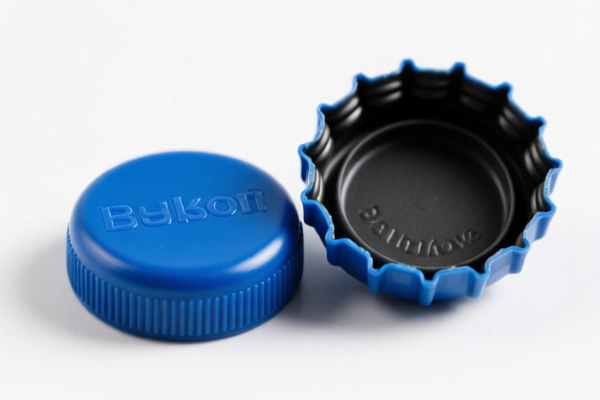
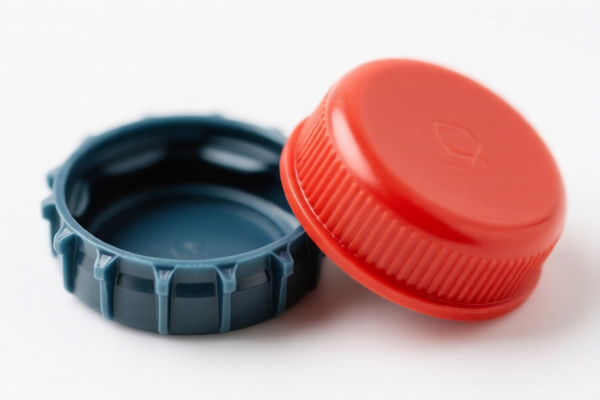
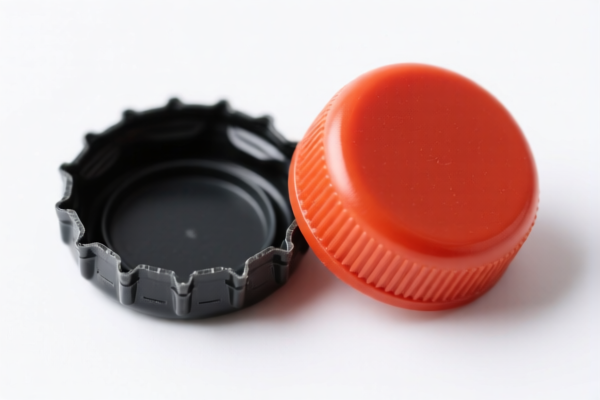
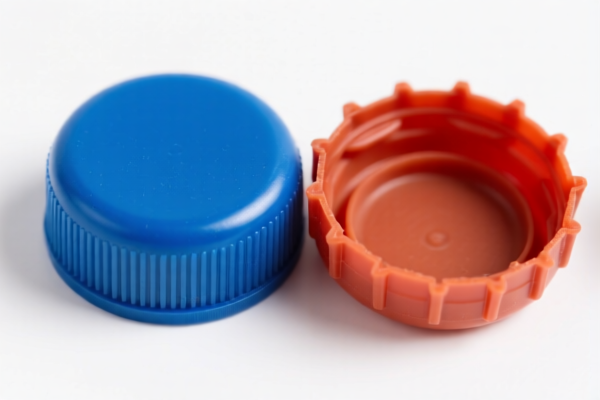
AI Analysis
🍾 Rubber Automotive Bottle Caps (Vials/Stoppers for Medical & Industrial Use)
🌐 HS Code Reference & Customs Clearance Guide | 2026 Latest Tariff Analysis | Professional Clearance Strategy
📌 I. Product Definition & Classification: What Exactly Are "Rubber Automotive Bottle Caps"?
In international trade, the term "Bottle Caps" or "Stoppers" for rubber products is not a standalone HS Code category. Instead, they are classified based on their material composition and specific function.
There are two primary interpretations for this product in the provided data: 1. Sulfurized Rubber Stoppers (Traditional Rubber): Classified under Chapter 40 (Rubber). 2. Silicone/Styrene-Butadiene Rubber Stoppers (Polymer/Plastic-like): Classified under Chapter 39 (Plastics/Synthetic Materials), as many modern "rubber" seals are technically synthetic polymers.
⚠️ Critical Distinction:
- If the product is natural/sulfurized rubber (e.g., standard pharmaceutical vial caps, industrial gaskets) → Chapter 40
- If the product is Silicone, Latex, or Synthetic Rubber treated as plastic articles → Chapter 39
- Misclassification Risk: Declaring a silicone stopper as "Rubber" (Ch. 40) or vice versa (Ch. 39) can lead to significant duty discrepancies and customs delays.
📦 II. HS Code Classification Matrix (Based on Provided Data)
| HS Code | Product Description | Material Nature | Key Application |
|---|---|---|---|
4016.99.03.00 |
Rubber corrosion-resistant bottle caps; Sulfurized Rubber | Natural/Sulfurized Rubber | Packaging container parts, industrial seals |
4016.99.15.00 |
Rubber articles: caps, lids, seals, plugs, and other stoppers | Synthetic/Natural Rubber Mix | General rubber sealing components |
3923.90.00.80 |
Silicone bottle caps; Plastic/Synthetic Material category (stoppers/lids/caps) | Silicone/Polymer | Pharmaceutical vials, chemical containers |
3926.90.10.00 |
Silicone bottle caps; Plastic/Rubber Class Other articles | Silicone/Composite | General plastic/rubber accessories |
3926.90.25.00 |
Silicone bottle caps; Organosilicon Material plastic handles/knobs | Organosilicon | Small plastic articles, specific synthetic components |
🔍 Key Insight:
- Chapter 40 (4016): Higher total tariffs (38%) due to stricter "Rubber" classification and higher additional duties.
- Chapter 39 (3923/3926): Lower total tariffs (20.2% - 24.0%) because Silicone is often treated as a "Plastic" or "Other Plastic Article," benefiting from lower base rates.
- Customs Strategy: If your "rubber" cap is actually Silicone, declaring it under HS 3923 or 3926 can save you ~14-17% in total duties compared to HS 4016.
💰 III. 2026 Latest Tariff Rate Breakdown (Detailed Tax Clauses)
✅ Applicable Country: United States (US)
✅ Origin: China (CN)
✅ Effective Date: Post-2025 (Current Trade Environment)
🎯 1. HS Code 4016.99.03.00 — Rubber Corrosion-Resistant Bottle Caps (Sulfurized Rubber)
| Item | Detail |
|---|---|
| Base Tariff | 3.0% |
| Section 301 Additional Duty | 25.0% |
| Section 122 Duty (IEEPA) | 10.0% |
| Total Effective Rate | 38.0% |
| Tax Calculation | CIF Value × 38% |
| De Minimis Exemption | ❌ NOT Eligible (deny_de_minimis) |
| Legal Basis Path | USITC:4016.99.03.00 → Section 301: 25% → IEEPA 122: 10% |
📌 Explanation:
- This classification treats the product as a pure rubber article.
- The 38% rate is high. It includes the base duty, the heavy Section 301 trade war tariff, and the additional 122 Section duty (often related to emergency economic powers).
- Note: "Section 122" typically refers to specific emergency tariffs; ensure your documentation clearly states "Sulfurized Rubber" to avoid being flagged for misdeclaration.
🎯 2. HS Code 4016.99.15.00 — Rubber Caps, Lids, Seals, Plugs
| Item | Detail |
|---|---|
| Base Tariff | 2.7% |
| Section 301 Additional Duty | 7.5% |
| Section 122 Duty (IEEPA) | 10.0% |
| Total Effective Rate | 20.2% |
| Tax Calculation | CIF Value × 20.2% |
| De Minimis Exemption | ❌ NOT Eligible (deny_de_minimis) |
| Legal Basis Path | USITC:4016.99.15.00 → Section 301: 7.5% → IEEPA 122: 10% |
📌 Explanation:
- This is a better rate within Chapter 40.
- The Section 301 duty is lower (7.5% vs 25%) because "caps and seals" may fall under a different subheading exemption or lower risk category.
- Recommendation: If the product is pure rubber, always aim for4016.99.15.00over4016.99.03.00to save 17.8% in duties.
🎯 3. HS Code 3923.90.00.80 — Silicone Bottle Caps (Plastic Category)
| Item | Detail |
|---|---|
| Base Tariff | 3.0% |
| Section 301 Additional Duty | 25.0% |
| Section 122 Duty (IEEPA) | 10.0% |
| Total Effective Rate | 38.0% |
| Tax Calculation | CIF Value × 38% |
| De Minimis Exemption | ❌ NOT Eligible (deny_de_minimis) |
| Legal Basis Path | USITC:3923.90.00.80 → Section 301: 25% → IEEPA 122: 10% |
📌 Explanation:
- Even though it's silicone (often treated as plastic), if classified under 3923.90 (Plastics articles for transport/packaging), it attracts the full 25% Section 301 tariff.
- Warning: Do not assume Silicone = Low Duty. If declared as 3923.90, the rate is identical to the high-risk Rubber code.
🎯 4. HS Code 3926.90.10.00 — Silicone Bottle Caps (Other Plastic/Rubber Articles)
| Item | Detail |
|---|---|
| Base Tariff | 3.4% |
| Section 301 Additional Duty | 7.5% |
| Section 122 Duty (IEEPA) | 10.0% |
| Total Effective Rate | 20.9% |
| Tax Calculation | CIF Value × 20.9% |
| De Minimis Exemption | ❌ NOT Eligible (deny_de_minimis) |
| Legal Basis Path | USITC:3926.90.10.00 → Section 301: 7.5% → IEEPA 122: 10% |
📌 Explanation:
- Best Value for Silicone: This code treats the item as an "Other Article of Plastic," which has a lower Section 301 rate (7.5%).
- Savings: 17.1% lower than4016.99.03.00.
- Requirement: Must prove material is Silicone/Synthetic and not traditional natural rubber.
🎯 5. HS Code 3926.90.25.00 — Silicone Bottle Caps (Organosilicon Small Articles)
| Item | Detail |
|---|---|
| Base Tariff | 6.5% |
| Section 301 Additional Duty | 7.5% |
| Section 122 Duty (IEEPA) | 10.0% |
| Total Effective Rate | 24.0% |
| Tax Calculation | CIF Value × 24.0% |
| De Minimis Exemption | ❌ NOT Eligible (deny_de_minimis) |
| Legal Basis Path | USITC:3926.90.25.00 → Section 301: 7.5% → IEEPA 122: 10% |
📌 Explanation:
- A middle-ground option for silicone. Higher base duty (6.5%) but still benefits from lower Section 301 (7.5%).
- Useful if the product is categorized as a "knob/handle" type small article rather than a pure seal.
🛠️ IV. Customs Clearance Practical Advice (Battle-Tested Tips)
✅ 1. Documentation Checklist (Non-Negotiable)
| Document | Required? | Purpose |
|---|---|---|
| ✅ Material Composition Report | ✔️ | Critical. Must state % of Sulfurized Rubber vs. Silicone. Customs will verify if it’s Ch. 40 or Ch. 39. |
| ✅ Product Photos (Close-up) | ✔️ | Show texture, mold marks, and any "Silicone" or "Rubber" stamping. |
| ✅ Technical Data Sheet (TDS) | ✔️ | Include durometer (hardness), temperature resistance, and chemical compatibility. |
| ✅ Commercial Invoice | ✔️ | Use precise terms: "Silicone Vial Stopper" or "Sulfurized Rubber Closure" — Never generic "Plastic Cap". |
| ✅ Certificate of Origin (CO) | ✔️ | To confirm Chinese origin for Section 301/122 calculations. |
✅ 2. Declaration Strategy (Key Mantras)
🔥 “Material Defines Code, Code Defines Duty, Accuracy Saves Millions!”
| Scenario | Correct HS Code | Wrong HS Code | Consequence |
|---|---|---|---|
| Pure Natural Rubber Cap | 4016.99.15.00 (20.2%) |
4016.99.03.00 (38%) |
Overpay 17.8% |
| Silicone Cap | 3926.90.10.00 (20.9%) |
4016.99.03.00 (38%) |
Overpay 17.1% |
| Silicone Cap (Packaging Type) | 3923.90.00.80 (38%) |
3926.90.10.00 (20.9%) |
Overpay 17.1% |
| Mixed Material (Rubber + Plastic) | Consult Specialist | Guesswork | Seizure/Fine Risk |
✅ 3. Special Handling Tips
| Situation | Recommendation |
|---|---|
| OEM Custom Caps | Provide mold design files to prove specific classification (e.g., "seal" vs. "container part"). |
| Pharmaceutical Vial Stoppers | Emphasize "Corrosion Resistant" and "Medical Grade" if using 4016.99.03.00. |
| Automotive Fluid Containers | Clarify if the cap is a "plug/seal" (4016.99.15.00) rather than a "packaging part" (4016.99.03.00). |
| Silicone vs. Rubber Dispute | Submit a Lab Test Report showing material structure (Organosilicon chains vs. Vulcanized rubber chains). |
🌍 V. Global Market Clearance Comparison (2026)
| Country/Region | Recommended HS Code | Est. Duty Rate | Key Certification | Remarks |
|---|---|---|---|---|
| 🇺🇸 USA | 4016.99.15.00 or 3926.90.10.00 |
20.2% - 20.9% | FDA (if medical), RoHS | Avoid 3923.90 or 4016.99.03 unless necessary due to 38% rate. |
| 🇨🇳 China | 4016.99.03.00 / 3926.90.10.00 |
2.5% - 5% | CCC (if applicable) | Low import duty, but check VAT. |
| 🇪🇺 EU | 4016.93 / 3926.90 |
0% - 4.2% | REACH, RoHS | Silicone often enjoys lower duties under "Other plastic articles". |
| 🇬🇧 UK | 4016.93 / 3926.90 |
0% - 5% | UKCA | Post-Brexit rules may require additional origin proof. |
| 🇯🇵 Japan | 4016.99 / 3926.90 |
0% - 3% | PSE (if electrical) | Generally favorable for rubber/plastic parts. |
📌 Conclusion:
- USA is the most complex market due to Section 301 and 122 duties.
- Silicone products declared under Ch. 39 (specifically 3926.90.10.00) offer the best duty savings (20.9%) compared to pure rubber (20.2-38%).
- Never use generic terms like "Bottle Cap" on invoices. Use "Silicone Vial Stopper" or "Sulfurized Rubber Seal".
📌 VI. Common Mistakes & Pitfalls (Lessons Learned)
❌ Mistake 1: Calling Silicone "Rubber" to avoid Plastic tariffs
👉 Result: Customs lab test identifies Silicone → Reclassified to Ch. 39 → Penalty for misdeclaration.
❌ Mistake 2: Using 3923.90.00.80 for Silicone Caps
👉 Result: High duty (38%) because it’s viewed as "Packaging Material" rather than "Other Article".
❌ Mistake 3: Ignoring Section 122 (10%)
👉 Result: Budgeting errors. Even with lower base rates, the 10% IEEPA duty is constant. Always include it in cost calculations.
❌ Mistake 4: Failing to provide Material Data Sheets
👉 Result: Customs holds shipment for 30+ days to request verification.
✅ Best Practice:
"Silicone Stopper, Medical Grade, Durometer 60A, for Vial Closure, Model XYZ, RoHS Compliant"
🎯 VII. Conclusion: Precision Classification, Maximum Savings!
🎯 Remember These Rules:
🔹 "Silicone under 3926 = 20.9% Duty (Best Value)"
🔹 "Rubber under 4016.99.15 = 20.2% Duty (Good for Pure Rubber)"
🔹 "Avoid 3923.90 and 4016.99.03 unless forced (38% Duty Trap)"
🔹 "Always declare material type explicitly!"
📌 Pro Tip:
If your product is originally from Vietnam, Mexico, or Thailand, you may qualify for IEEPA/Section 301 Exemptions, reducing the effective rate to 0%-5%.
Action:
1. Verify material composition (Silicone vs. Rubber).
2. Choose 3926.90.10.00 (20.9%) or 4016.99.15.00 (20.2%).
3. Apply for HS Code Advance Ruling if unsure.
📣 Immediate Action:
📞 Contact a customs broker with your Material Safety Data Sheet (MSDS).
🚀 Optimize your duty rate today. Save up to 17% on every container!
✨ Professional clearance starts with accurate HS Codes!
💼 Your profit margin depends on every percentage point!
Customer Reviews
About HS Code Classification
The Harmonized System (HS) is an internationally standardized nomenclature developed by the World Customs Organization (WCO) to classify traded products. Over 200 countries use the HS system as the basis for customs tariffs, trade statistics, and import/export regulations.
Each HS code follows a hierarchical structure:
- Chapter (2 digits) — Broad category of goods (e.g., Chapter 84: Machinery and Mechanical Appliances)
- Heading (4 digits) — More specific grouping within the chapter
- Subheading (6 digits) — Internationally standardized breakdown, used by all WCO member countries
- National subdivisions (8-10 digits) — Country-specific extensions for further classification, such as US HTSUS 10-digit codes
Correct HS code classification is essential for smooth customs clearance, accurate duty payment, and compliance with trade regulations. Misclassification can lead to customs delays, overpayment of duties, or penalties.
When importing from CN to US, the applicable tariff rates may include:
- Most-Favored-Nation (MFN) rate — The standard duty rate applied to WTO members
- General rate — Applied to countries without trade agreements
- Trade remedy duties — Additional tariffs such as Section 301 (anti-dumping), Section 232 (national security), or countervailing duties
The information provided on this page is for reference purposes only. For official classification, please consult with your local customs authority or a licensed customs broker.