Rubber Buffer
CN → US| HS Code | Tariff Rate | Origin | Destination | Doc |
|---|---|---|---|---|
| 4016996010 | 37.5% | CN | US | Official Doc |
| 4006901000 | 35.0% | CN | US | Official Doc |
| 4016995500 | 37.5% | CN | US | Official Doc |
| 4006905000 | 37.7% | CN | US | Official Doc |
| 4016993000 | 35.0% | CN | US | Official Doc |
Product Images
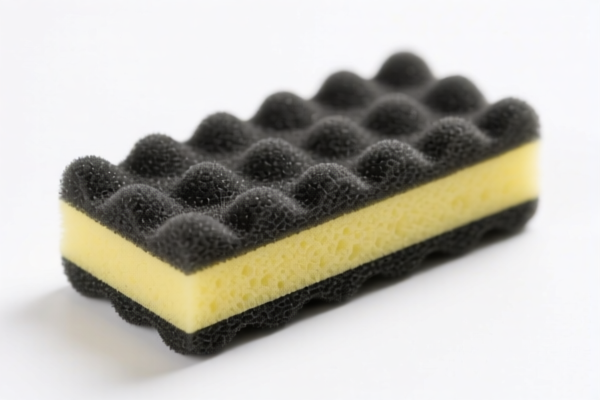
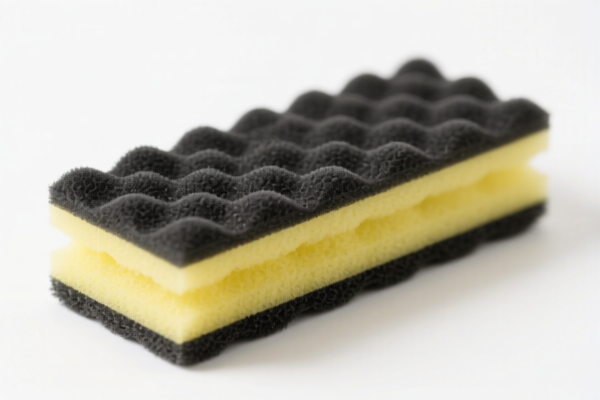
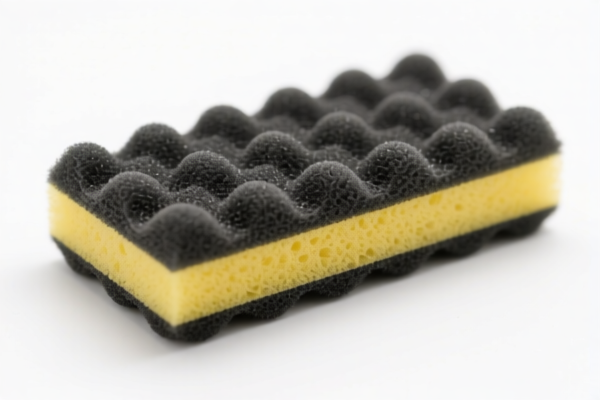
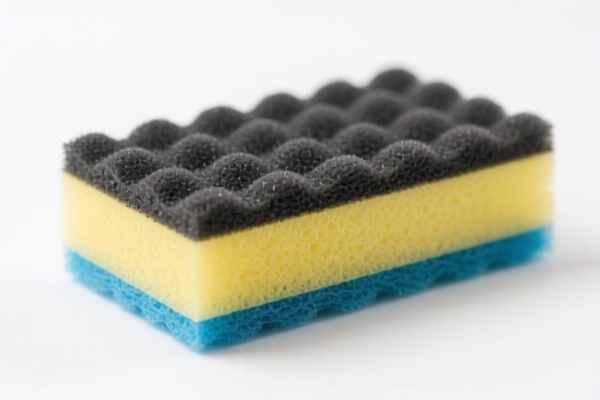
AI Analysis
🛡️ Rubber Buffer (未硫化橡胶缓冲器)
🌐 HS Code Reference & Customs Clearance Guide | 2026 Latest Tariff Analysis | Professional Compliance Strategy
📌 1. Product Definition: What is a "Rubber Buffer"?
A Rubber Buffer is a mechanical component designed to absorb shock, dampen vibration, or limit movement in industrial machinery, automotive systems, or construction equipment. In the context of customs classification, the key differentiator is whether the rubber has been vulcanized (cured/hardened) or remains unvulcanized (raw/soft).
⚠️ Critical Distinction for 4016 vs. 4006:
- Unvulcanized Rubber: Usually classified under Chapter 4006 (Other rubber goods). These are often semi-finished products or specific shapes not yet cured.
- Vulcanized Rubber / Mechanical Parts: Classified under Chapter 4016 (Other articles of vulcanized rubber). Even if the supplier claims it's "unvulcanized," if it is intended as a finished mechanical part (buffer), customs may infer it belongs to 4016.
- Raw Material vs. Finished Good: If it is a simple "sheet" or "片" used as raw material, it might lean towards 4006. If it is a molded "buffer" for immediate use, it leans towards 4016.
📦 2. HS Code Classification Matrix (Based on Provided Data)
The following HS codes are derived strictly from the provided dataset. They reflect different interpretations of the product's material state (vulcanized vs. unvulcanized) and physical form.
| HS Code | Product Description (from Data) | Key Characteristic | Material State Inference |
|---|---|---|---|
| 4016.99.60.10 | Unvulcanized Rubber Buffer | Mechanical Part: Classified as a mechanical component. | Material matches unvulcanized rubber, but form is a machine part. |
| 4006.90.10.00 | Unvulcanized Rubber Buffer | Other Shapes/Articles: General rubber article. | Material is explicitly unvulcanized; falls under "other shapes." |
| 4016.99.55.00 | Unvulcanized Rubber Buffer | Vibration Control: Deduced as precursor to vulcanized rubber. | Usage in shock absorption/control implies vulcanized rubber category. |
| 4006.90.50.00 | Unvulcanized Rubber Buffer | Spare Part/Component: Default tendency for parts. | Material is unvulcanized; form is a finished article/component. |
| 4016.99.30.00 | Natural Rubber Buffer Sheet | Buffer Sheet: Specific form as a sheet. | Material inferred as natural rubber (often vulcanized in final use). |
🔍 Data Constraint Note:
All items above are listed as "Unvulcanized" in the summary, but 4016 codes technically refer to vulcanized rubber in standard HS nomenclature. The dataset implies a classification conflict or inference where "unvulcanized" buffers are being forced into 4016 due to their function (mechanical part) or material inference.
- 4006 = Other rubber articles (unvulcanized or lightly processed).
- 4016 = Other vulcanized rubber articles.
The high tariffs suggest these are subject to Section 301 (US-China Trade War) and 122 Clause tariffs.
💰 3. 2026 Tariff Rate Breakdown (US Import from China)
✅ Applicable Country: United States (US)
✅ Origin: China (CN)
✅ Effective Date: 2025-11-10 (Subsequent imports)
🎯 A. The "2.5% Base + 25% Sec 301 + 10% Clause 122" Cluster
Codes: 4016.99.60.10, 4016.99.55.00, 4006.90.50.00
Total Tax Rate: 37.5% - 37.7%
| Tax Component | Rate | Legal Basis | Explanation |
|---|---|---|---|
| Base Duty | 2.5% - 2.7% | HTSUS General Rate | Standard Most Favored Nation (MFN) rate for rubber articles. |
| Section 301 Tariff | 25.0% | USITC Footnote 9903.08 (Chapter 40) | Additional duty imposed on Chinese goods under Trade Act Section 301. |
| Clause 122 Tariff | 10.0% | IEEPA / Section 232 or specific Trade Agreements | Additional duty applied to Chinese imports (often linked to national security or specific trade remedy actions). |
| TOTAL | ~37.5% - 37.7% | High Cost Item. Not eligible for de minimis. |
📌 Detailed Breakdown for
4006.90.50.00:
- Base: 2.7%
- Sec 301: 25.0%
- Clause 122: 10.0%
- Total: 37.7%
🎯 B. The "0% Base + 25% Sec 301 + 10% Clause 122" Cluster
Codes: 4006.90.10.00, 4016.99.30.00
Total Tax Rate: 35.0%
| Tax Component | Rate | Legal Basis | Explanation |
|---|---|---|---|
| Base Duty | 0.0% | HTSUS Specific Provision | Some rubber sheets or specific unvulcanized forms may have 0% base duty. |
| Section 301 Tariff | 25.0% | USITC Footnote 9903.08 | Additional duty on Chinese goods. |
| Clause 122 Tariff | 10.0% | IEEPA / Section 232 | Additional duty on Chinese imports. |
| TOTAL | 35.0% | Still High. The 0% base saves nothing against the 35% added tariffs. |
📌 Detailed Breakdown for
4016.99.30.00:
- Base: 0.0% (Natural Rubber Sheet/Buffers)
- Sec 301: 25.0%
- Clause 122: 10.0%
- Total: 35.0%
🛠️ 4. Customs Clearance Practical Advice (Avoiding Pitfalls)
✅ 1. Documentation Checklist (Mandatory)
| Document | Required? | Why? |
|---|---|---|
| Commercial Invoice | ✔️ | Must clearly state "Rubber Buffer" and NOT just "Rubber Part." |
| Product Specification | ✔️ | Must specify: Vulcanized vs. Unvulcanized, Material (Natural/Synthetic), Hardness (Shore A). |
| HS Code Pre-Ruling | ✔️ | CRITICAL. Due to the ambiguity between 4006 and 4016, request an advance ruling from CBP. |
| Origin Certificate | ✔️ | To prove CN origin and anticipate exact tariff application. |
| Photos of Product | ✔️ | Show texture and shape to prove it is a "buffer" and not raw material. |
✅ 2. Declaration Strategy & Keywords
🔥 Key Rule: "Be Specific, Don't Guess!"
| Scenario | Recommended Description | Risk |
|---|---|---|
| Safe/Standard | "Vulcanized Rubber Buffer, For Shock Absorption, Model XYZ" | Lower risk of misclassification. Fits 4016. |
| If Unvulcanized | "Unvulcanized Rubber Sheet/Bloc for Buffer Manufacturing" | Fits 4006. But ensure it is NOT finished goods. |
| Danger Zone | "Rubber Part" or "Rubber Item" | High Risk. Customs will guess. If they guess 4016, you pay 37.7%. |
| Danger Zone | "Natural Rubber" | Vague. May be classified as raw material (different code) or finished buffer. |
📌 Tip: If the buffer is finished and ready to install, even if made from unvulcanized stock, customs may argue it falls under 4016.99 (Finished Articles). If it is a raw block to be cut later, use 4006.90.
✅ 3. Special Considerations
| Issue | Advice |
|---|---|
| Misclassification Penalty | If declared as 4006 (35%) but CBP reclassifies as 4016 (37.7%), you owe the difference + penalties. |
| De Minimis | ❌ NOT Eligible. Section 301 tariffs and Clause 122 tariffs block the $800 de minimis exemption for these codes. Full duties apply. |
| Material Composition | If the buffer contains >20% synthetic rubber vs. natural rubber, it may affect the base duty rate. Check the "Base Duty" column in the data. |
| 122 Clause | Ensure the "Clause 122" 10% is applied correctly. Some newer rulings may have changed the applicability. Verify with a customs broker. |
🌍 5. Global Market Comparison (2026 Context)
| Market | Recommended HS Code | Estimated Duty (China Origin) | Notes |
|---|---|---|---|
| 🇺🇸 USA | 4016.99.xxxx or 4006.90.xxxx |
35% - 37.7% | High tariffs due to Sec 301 + Clause 122. No de minimis. |
| 🇨🇳 China (Import) | 4016.99 / 4006.90 |
2.5% - 0% (MFN) | No additional trade war tariffs. Standard MFN applies. |
| 🇪🇺 EU | 4016.99 / 4006.90 |
4% - 0% | Varies by vulcanization. No Section 301 equivalent. |
| 🇲🇽 Mexico | 4016.99 / 4006.90 |
5% - 0% | USMCA may apply if rules of origin are met. |
📌 Conclusion:
- USA is the most expensive market for Rubber Buffers from China due to the 35-37.7% combined tariff burden.
- No de minimis exemption applies. Every shipment must pay duty.
- Classification Risk: The biggest risk is between 4006 (35%) and 4016 (37.5-37.7%). The difference is small (~2.5-2.7%), so focus on compliance rather than trying to shift codes for minor savings.
📌 6. Common Errors & Pitfalls (Lessons Learned)
❌ Error 1: Declaring "Unvulcanized Rubber" but sending Finished Buffers.
👉 Consequence: CBP may reclassify to 4016 (37.7%) and assess penalties for misdeclaration.
❌ Error 2: Assuming "Rubber" means 0% duty.
👉 Consequence: Base duty might be 0%, but 35%+ in added tariffs. Total cost is high.
❌ Error 3: Ignoring the "122 Clause."
👉 Consequence: Underpaying by 10% per shipment. This is a major financial risk.
❌ Error 4: Using "Natural Rubber" without specifying vulcanization.
👉 Consequence: Ambiguity leads to manual examination, delays, and potential higher duty assignment.
✅ Correct Practice:
"Vulcanized Rubber Shock Absorber, Model ABC, Used in Industrial Machinery, Country of Origin: China"
Use HS Code4016.99.60.10or4016.99.55.00with explicit justification.
🎯 7. Conclusion: Professional Compliance is Key
🎯 Key Takeaway:
🔹 "Unvulcanized" does not mean "Low Duty".
🔹 "35-37.7%" is the new reality for US imports of Rubber Buffers from China.
🔹 "De Minimis" is OFF. Prepare for full duty payments.
📌 Pro Tip:
If your rubber buffers are not from China (e.g., Vietnam, Thailand), you may avoid the 25% Section 301 and 10% Clause 122 tariffs.
Result: Duty drops to Base Rate Only (2.5% - 0%).
🚀 Strategy: Consider supply chain diversification to non-China origins to save 35%+ in tariffs.
📣 Immediate Action:
📞 Contact a Customs Broker to verify the latest Clause 122 applicability.
📄 Request a CBP Pre-Ruling to lock in the HS Code (4016vs4006) before shipment.
💼 Calculate Landed Cost including 35-37.7% tariffs.
✨ Precision in Classification, Precision in Cost Control!
💼 Don't let tariff surprises eat your margins!
Customer Reviews
About HS Code Classification
The Harmonized System (HS) is an internationally standardized nomenclature developed by the World Customs Organization (WCO) to classify traded products. Over 200 countries use the HS system as the basis for customs tariffs, trade statistics, and import/export regulations.
Each HS code follows a hierarchical structure:
- Chapter (2 digits) — Broad category of goods (e.g., Chapter 84: Machinery and Mechanical Appliances)
- Heading (4 digits) — More specific grouping within the chapter
- Subheading (6 digits) — Internationally standardized breakdown, used by all WCO member countries
- National subdivisions (8-10 digits) — Country-specific extensions for further classification, such as US HTSUS 10-digit codes
Correct HS code classification is essential for smooth customs clearance, accurate duty payment, and compliance with trade regulations. Misclassification can lead to customs delays, overpayment of duties, or penalties.
When importing from CN to US, the applicable tariff rates may include:
- Most-Favored-Nation (MFN) rate — The standard duty rate applied to WTO members
- General rate — Applied to countries without trade agreements
- Trade remedy duties — Additional tariffs such as Section 301 (anti-dumping), Section 232 (national security), or countervailing duties
The information provided on this page is for reference purposes only. For official classification, please consult with your local customs authority or a licensed customs broker.