Rubber Car Bottle Stopper
CN → US| HS Code | Tariff Rate | Origin | Destination | Doc |
|---|---|---|---|---|
| 3923300090 | 38.0% | CN | US | Official Doc |
| 3923500000 | 40.3% | CN | US | Official Doc |
| 7013999090 | 24.7% | CN | US | Official Doc |
| 4503106000 | 35.0% | CN | US | Official Doc |
| 7013993000 | 26.5% | CN | US | Official Doc |
Product Images
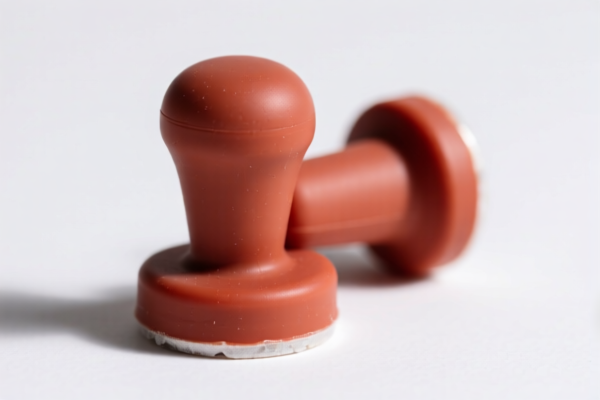
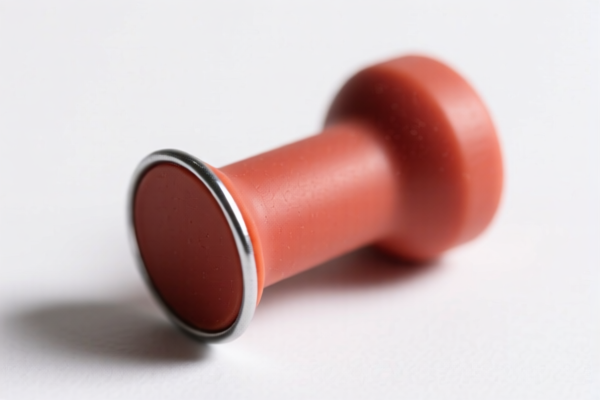


AI Analysis
🚗🍾 Rubber Car Bottle Stopper
🌐 HS Code Reference & Customs Clearance Guide | 2026 Latest Tariff Analysis | Professional Logistics Strategy
📌 I. Product Definition & Classification: What is a "Rubber Car Bottle Stopper"?
A Rubber Car Bottle Stopper is an accessory designed to preserve beverages (wine, soda, water) in automotive environments (cars, RVs, boats). While the name suggests "Rubber" and "Car," customs classification depends heavily on material composition, function, and compatibility with packaging.
⚠️ Key Classification Challenge:
Customs officers often struggle between Rubber (Chapter 40), Plastic (Chapter 39), Cork (Chapter 45), or Glass (Chapter 70) if the stopper is part of a glass container.
- Pure Rubber/Plastic Stopper: If it’s a standalone accessory, it falls under Chapter 39 (Plastic) or 40 (Rubber). Note: The provided data lacks a specific "Rubber" chapter code, so we infer from "Plastic" or general accessories based on the provided HS Codes.
- Part of a Glass Bottle: If it’s a cork or rubber seal on a glass wine bottle, it may be classified with the glass bottle or as a glass accessory.
📦 II. HS Code Classification Details (Based on Provided Data)
The provided data contains 5 specific HS Codes with associated tax rates. Below is the detailed breakdown for each, explaining why it might apply to a "Rubber Car Bottle Stopper" or similar items.
🎯 1. 3923.30.00.90 – Plastic Stoppers & Caps
| Attribute | Detail |
|---|---|
| Summary | Plastic bottle stoppers; shape and use match; material inferred as plastic. |
| Applicability | If the "rubber" stopper is actually made of thermoplastic elastomer (TPE) or synthetic rubber classified under plastic chapters, this code applies. |
| Total Tax | 38.0% |
| Tax Breakdown | - Base Tariff: 3.0% - Section 301 Tariff: 25.0% - Section 122 Tariff: 10% |
| Why This Code? | Most modern car bottle stoppers are made of plastic or plastic-like polymers for durability and cost-effectiveness. |
🎯 2. 3923.50.00.00 – Plastic Stops, Plugs & Closures
| Attribute | Detail |
|---|---|
| Summary | Plastic stops/plugs; form and classification consistent; material inferred as plastic. |
| Applicability | Used for other plastic closures that fit bottles or containers. |
| Total Tax | 40.3% |
| Tax Breakdown | - Base Tariff: 5.3% - Section 301 Tariff: 25.0% - Section 122 Tariff: 10% |
| Why This Code? | Slightly higher base tariff than 3923.30, but similar structure. Applies to broader plastic closure items. |
🎯 3. 7013.99.90.90 – Accessories of Glassware
| Attribute | Detail |
|---|---|
| Summary | Glass product accessories; bottle stoppers as glass container accessories, fitting "other glass products." |
| Applicability | If the stopper is part of a glass wine bottle (e.g., a cork or plastic seal on a glass vessel), customs may classify the entire item under glass accessories. |
| Total Tax | 24.7% |
| Tax Breakdown | - Base Tariff: 7.2% - Section 301 Tariff: 7.5% - Section 122 Tariff: 10% |
| Why This Code? | Lowest tariff option! If the product is imported with glass bottles, classifying the stopper as a glass accessory can significantly reduce duties. |
🎯 4. 4503.10.60.00 – Cork Stoppers & Similar Materials
| Attribute | Detail |
|---|---|
| Summary | Cork or similar material bottle stoppers; matches cork stopper classification in form and use. |
| Applicability | If the "rubber" stopper is actually made of natural cork or cork-composite (common in wine bottles), this code applies. |
| Total Tax | 35.0% |
| Tax Breakdown | - Base Tariff: 0.0% - Section 301 Tariff: 25.0% - Section 122 Tariff: 10% |
| Why This Code? | Zero base tariff, but high Section 301. Suitable for wine-related accessories. |
🎯 5. 7013.99.30.00 – Glass Bottle Stoppers
| Attribute | Detail |
|---|---|
| Summary | Glass bottle stoppers; as part of perfume bottles or other glass products; material inferred as glass. |
| Applicability | If the stopper is made of glass (e.g., decorative wine stoppers), this code applies. |
| Total Tax | 26.5% |
| Tax Breakdown | - Base Tariff: 9.0% - Section 301 Tariff: 7.5% - Section 122 Tariff: 10% |
| Why This Code? | Low Section 301 tariff (7.5% vs. 25%). Ideal for high-end glass stoppers. |
💰 III. Tariff Rate Analysis (2026 Latest)
✅ Country of Origin: China (CN)
✅ Destination: United States (US)
✅ Effective Date: 2025-11-10 onwards
📊 Tax Comparison Table
| HS Code | Description | Base Tariff | Sec 301 | Sec 122 | Total Tax | Best For |
|---|---|---|---|---|---|---|
7013.99.90.90 |
Glass Accessories | 7.2% | 7.5% | 10% | 24.7% | 🏆 Lowest Total Tax (Glass bottles with stoppers) |
7013.99.30.00 |
Glass Stoppers | 9.0% | 7.5% | 10% | 26.5% | Glass stoppers (e.g., perfume bottles) |
4503.10.60.00 |
Cork Stoppers | 0.0% | 25.0% | 10% | 35.0% | Natural cork wine stoppers |
3923.30.00.90 |
Plastic Stoppers | 3.0% | 25.0% | 10% | 38.0% | Plastic/TPE car stoppers |
3923.50.00.00 |
Plastic Closures | 5.3% | 25.0% | 10% | 40.3% | Other plastic closures |
🔍 Key Insight:
- Section 301 Tariffs are the biggest driver. Plastic and Cork codes have 25% additional tax, while Glass accessories have only 7.5%.
- Section 122 Tariff (10%) applies to all listed codes.
- Base Tariffs are low across the board (0%–9%).
🛠️ IV. Customs Clearance Recommendations
✅ 1. Material Verification is Critical
- Plastic/TPE: Use
3923.30.00.90or3923.50.00.00(Higher tax). - Natural Cork: Use
4503.10.60.00(Zero base tariff, but 25% Sec 301). - Glass Bottle + Stopper Set: Use
7013.99.90.90(Lowest tax at 24.7%). - Glass Stopper: Use
7013.99.30.00(Low Sec 301 at 7.5%).
⚠️ Warning: Misclassifying a plastic stopper as glass can lead to penalties and back-taxes. Always verify material with lab tests if unsure.
✅ 2. Documentation Checklist
| Document | Requirement | Notes |
|---|---|---|
| Commercial Invoice | Must specify material (Plastic, Cork, Glass, Rubber) | Avoid vague terms like "Accessory." |
| Product Photos | Show stopper attached to bottle (if applicable) | Helps prove it’s a glass accessory if using 7013. |
| Material Cert | Certify material composition (e.g., TPE, Silicone, Cork) | Critical for Chapter 39 vs. 40 vs. 45 vs. 70. |
| Packing List | Detail contents (Stoppers only vs. Bottle + Stopper) | Affects classification under 7013. |
| FCC/ROHS | If plastic/rubber, ensure compliance | May be required for market access, not just customs. |
✅ 3. Strategic Clearance Tips
🔹 Tip 1: Bundle with Glass Bottles to Lower Tax
If you are importing glass wine bottles with rubber/cork stoppers, classify the entire set under 7013.99.90.90 as "Glass Accessories."
- Tax: 24.7% (vs. 38–40% for plastic/rubber).
- Strategy: Ensure the stopper is presented as an accessory to the glass bottle, not a standalone item.
🔹 Tip 2: Declare Accurate Material
- If the stopper is Silicone/Rubber, customs may still classify it under Plastic (Chapter 39) if it’s thermoplastic.
- If it’s Natural Cork, use Chapter 45.
- Do not misdeclare rubber as plastic or glass to avoid audits.
🔹 Tip 3: Leverage Section 301 Exclusions
- Check if your HS Code is eligible for Section 301 exclusions.
- Plastic stoppers (
3923) have 25% Sec 301, which is hard to exclude. - Glass accessories (
7013) have only 7.5% Sec 301, making them more resilient to trade wars.
✅ 4. Common Mistakes to Avoid
| Mistake | Consequence | Solution |
|---|---|---|
| Declaring "Rubber" Stopper as Glass | Penalty for misclassification | Verify material; use 3923 or 40 (if available) |
| Separating Stopper from Glass Bottle | Higher tax (38–40%) | Import as a set under 7013.99.90.90 |
| Vague Description "Bottle Stopper" | Customs delays, possible reclassification | Specify material: "Plastic TPE Stopper" or "Cork Stopper" |
| Ignoring Section 122 Tariff | Underpaying duties | All codes include 10% Sec 122; calculate accordingly |
🌍 V. Global Market Comparison (2026)
| Market | Recommended HS Code | Total Tax (China Origin) | Notes |
|---|---|---|---|
| 🇺🇸 USA | 7013.99.90.90 |
24.7% | Lowest tax if bundled with glass |
| 🇺🇸 USA | 3923.30.00.90 |
38.0% | For standalone plastic/rubber stoppers |
| 🇨🇳 China | 3923.30.00.90 |
3.0% | No Sec 301 or Sec 122 |
| 🇪🇺 EU | 3923.30.00.90 |
0–6% | No Sec 301; depends on EU tariff schedule |
| 🇯🇵 Japan | 3923.30.00.90 |
0–5% | Low base tariffs; no US-style additional taxes |
📌 Conclusion:
- The US market is the most expensive due to Section 301 (25% or 7.5%) and Section 122 (10%).
- Glass accessories (7013) offer the lowest total tax (24.7%) in the US.
- Plastic stoppers are heavily taxed (38–40%) in the US due to high Sec 301 rates.
📌 VI. Final Advice: Optimize Your Cost
🏆 Best Strategy: Bundle with Glass Bottles
If your product is a car bottle stopper (rubber/plastic/cork), consider importing it with glass bottles as a gift set or accessory kit.
- Classify under: 7013.99.90.90
- Tax: 24.7%
- Savings: Up to 15.3% compared to standalone plastic stoppers.
🚫 Avoid: Standalone Plastic/Rubber Declaration
- If imported alone, expect 38–40% tax.
- Only use
3923if you cannot bundle with glass.
🎯 VII. Summary Checklist
- Identify Material: Plastic, Cork, or Glass?
- Bundle Strategy: Can it be shipped with glass bottles? → Use
7013(24.7%). - Material-Only: If standalone, use
3923(38–40%) or4503(35%). - Documentation: Provide material certs, photos, and clear descriptions.
- Calculation: Include Base + Sec 301 + Sec 122 in your cost model.
🔥 Remember:
"Material defines code, code defines tax. Bundle with glass, save 15%!"
📌 Disclaimer:
- This analysis is based on the provided data and 2026 US tariff schedules.
- Always consult a licensed customs broker for pre-classification rulings.
- Tariff rates are subject to change based on trade policies.
✨ Pro Tip:
If you are a US-based buyer, consider sourcing glass bottles with cork/glass stoppers to minimize duties. If you are a manufacturer, redesign your packaging to include glass elements to leverage the 24.7% tariff bracket.
📞 Next Steps:
- Step 1: Confirm material composition.
- Step 2: Decide on packaging (standalone vs. bundled).
- Step 3: Prepare documentation for HS Code 7013.99.90.90 or 3923.30.00.90.
- Step 4: Engage a customs broker for pre-shipment audit.
🌟 Smart Classification = Lower Duties = Higher Profit!
Customer Reviews
About HS Code Classification
The Harmonized System (HS) is an internationally standardized nomenclature developed by the World Customs Organization (WCO) to classify traded products. Over 200 countries use the HS system as the basis for customs tariffs, trade statistics, and import/export regulations.
Each HS code follows a hierarchical structure:
- Chapter (2 digits) — Broad category of goods (e.g., Chapter 84: Machinery and Mechanical Appliances)
- Heading (4 digits) — More specific grouping within the chapter
- Subheading (6 digits) — Internationally standardized breakdown, used by all WCO member countries
- National subdivisions (8-10 digits) — Country-specific extensions for further classification, such as US HTSUS 10-digit codes
Correct HS code classification is essential for smooth customs clearance, accurate duty payment, and compliance with trade regulations. Misclassification can lead to customs delays, overpayment of duties, or penalties.
When importing from CN to US, the applicable tariff rates may include:
- Most-Favored-Nation (MFN) rate — The standard duty rate applied to WTO members
- General rate — Applied to countries without trade agreements
- Trade remedy duties — Additional tariffs such as Section 301 (anti-dumping), Section 232 (national security), or countervailing duties
The information provided on this page is for reference purposes only. For official classification, please consult with your local customs authority or a licensed customs broker.