Rubber Check Valve
CN → US| HS Code | Tariff Rate | Origin | Destination | Doc |
|---|---|---|---|---|
| 4016991500 | 20.2% | CN | US | Official Doc |
| 8481809050 | 37.0% | CN | US | Official Doc |
| 8481805090 | 38.0% | CN | US | Official Doc |
| 3926909989 | 22.8% | CN | US | Official Doc |
| 4016935050 | 37.5% | CN | US | Official Doc |
Product Images
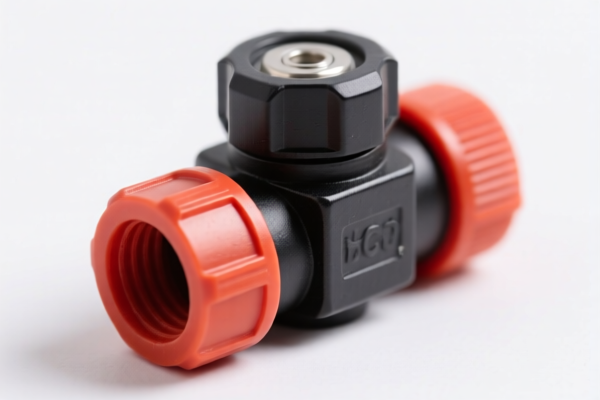
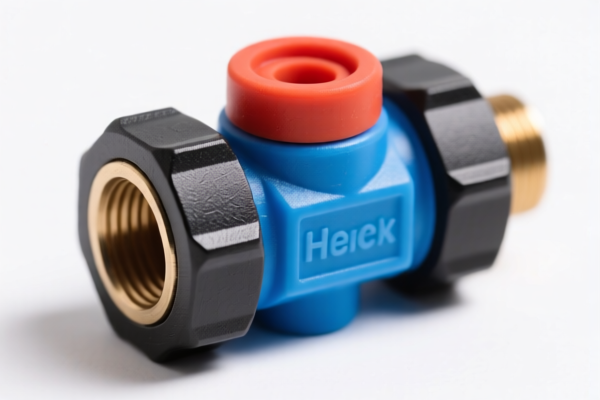
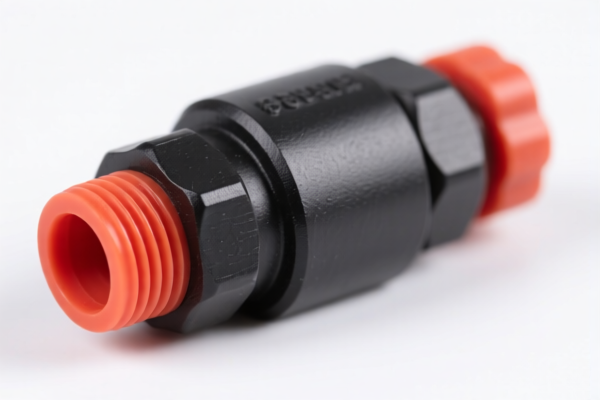
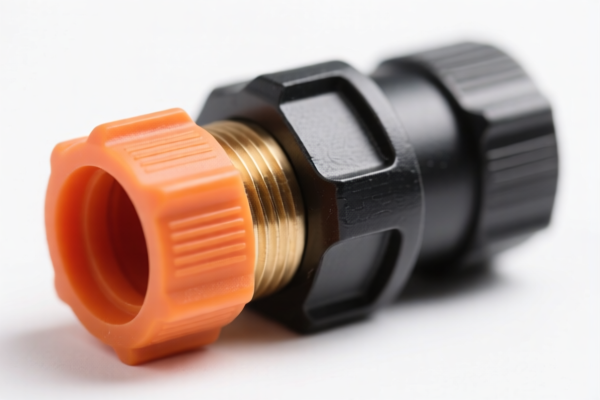
AI Analysis
🛑 Rubber Check Valve (Rubber Check Valves)
🌐 HS Code Reference & Customs Clearance Guide | 2026 Latest Tariff Analysis | Professional Entry Strategy
📌 I. Product Definition & Classification: Do You Really Understand "Rubber Check Valves"?
A Rubber Check Valve is a type of valve that allows fluid to flow in only one direction and prevents backflow. Unlike standard metal valves, these are constructed primarily from rubber (natural or synthetic), making them ideal for corrosive environments, slurries, or applications requiring quiet operation and leak-proof sealing.
In international trade, classification depends heavily on whether the valve is treated as a mechanical apparatus (Chapter 84) or a sealed/insulating component (Chapter 40/39). This distinction drastically affects the tariff burden due to Section 301 (122 Clause) and other附加 tariffs.
⚠️ Key Distinction Point:
- If classified as a general mechanical valve with specific material exemptions → Lower Base Tariff + Higher "122 Clause" Add-on.
- If classified as a sealed part/component or general polymer article → Different Base Tariff + Same "122 Clause" Add-on.
- CRITICAL: All Chinese-origin rubber check valves are subject to 10% "Section 122" Tariff regardless of HS Code, in addition to Base and Section 301 tariffs.
📦 II. HS Code Classification Details (2026 Latest Tariff Authority对照)
Based on the provided data, here are the 5 potential HS Code classifications for Rubber Check Valves, ordered by lowest total tax burden to highest.
| HS Code | Product Description & Logic | Total Tax Rate | Tax Breakdown |
|---|---|---|---|
4016.99.15.00 |
Rubber Valve (Sealing/Plug Category): Categorized under "Other articles of vulcanized rubber other than hard rubber," specifically as covers, gaskets, or similar sealing articles. | 20.2% | Base: 2.7% Add-on: 7.5% (Sec 301) 122 Clause: 10% |
3926.90.99.89 |
Rubber Valve (Polymer Article): Categorized as other articles of plastics/polymer products, fitting the "other articles" catch-all logic. | 22.8% | Base: 5.3% Add-on: 7.5% (Sec 301) 122 Clause: 10% |
8481.80.90.50 |
Rubber Valve (Valve Apparatus): Classified as other apparatus for pipes/shells, fitting the catch-all for valves where specific sub-headings don't apply. | 37.0% | Base: 2.0% Add-on: 25.0% (Sec 301) 122 Clause: 10% |
4016.93.50.50 |
Rubber Valve (Sealing/Gasket Extension): Categorized under vulcanized rubber seals/gaskets, extending the application of sealing products. | 37.5% | Base: 2.5% Add-on: 25.0% (Sec 301) 122 Clause: 10% |
8481.80.50.90 |
Rubber Valve (Valve Device): Classified as other valve devices, fitting the catch-all logic for valve apparatus not elsewhere specified. | 38.0% | Base: 3.0% Add-on: 25.0% (Sec 301) 122 Clause: 10% |
🔍 Key Insight:
- HS 4016.99.15.00 offers the lowest total tax (20.2%) by leveraging a lower Base (2.7%) and lower Section 301 Add-on (7.5%).
- HS 8481 Series (Valves) suffer from a high 25% Section 301 Add-on, resulting in taxes exceeding 37%.
- The 10% "122 Clause" Tariff is constant across all codes, likely due to specific policy additions on rubber/plastic imports from China.
💰 III. 2026 Latest Tariff Rate Detailed Explanation (Including Surcharges)
✅ Applicable Country: United States (US)
✅ Origin: China (CN)
✅ Effective Time: Ongoing (Include subsequent imports)
🎯 1. 4016.99.15.00 —— Best Option: Rubber Valve (Sealing Category)
| Item | Detail |
|---|---|
| Base Tariff | 2.7% |
| USITC Add-on (Sec 301) | +7.5% |
| Section 122 Clause | +10% |
| Total Effective Rate | 20.2% |
| Tax Calculation | CIF Value × 20.2% |
| De Minimis Eligibility | ❌ Not Eligible (Subject to Section 301 & 122) |
| Legal Basis Path | USITC:4016.99.15.00 → FOOTNOTE:301 (7.5%) → SECTION 122 (10%) |
📌 Explanation:
- This classification treats the rubber check valve as a rubber article (Chapter 40) rather than a mechanical valve (Chapter 84).
- The 7.5% Section 301 rate is significantly lower than the standard 25% for machinery/valves.
- Total Tax: 20.2%. This is the most cost-effective classification if the customs broker agrees with the "sealing article" rationale.
🎯 2. 3926.90.99.89 —— Alternative: Polymer Article Category
| Item | Detail |
|---|---|
| Base Tariff | 5.3% |
| USITC Add-on (Sec 301) | +7.5% |
| Section 122 Clause | +10% |
| Total Effective Rate | 22.8% |
| Tax Calculation | CIF Value × 22.8% |
| De Minimis Eligibility | ❌ Not Eligible |
| Legal Basis Path | USITC:3926.90.99.89 → FOOTNOTE:301 (7.5%) → SECTION 122 (10%) |
📌 Note:
- If the valve is made of synthetic rubber/plastic rather than natural rubber, it may fall under Chapter 39.
- Still benefits from the lower 7.5% Section 301 rate.
- Total Tax: 22.8%. Slightly higher than 4016.99 due to a higher base (5.3%).
🎯 3. 8481.80.90.50 / 4016.93.50.50 / 8481.80.50.90 —— High-Tariff Options
| Item | Detail |
|---|---|
| Base Tariff | 2.0% ~ 3.0% |
| USITC Add-on (Sec 301) | +25.0% |
| Section 122 Clause | +10% |
| Total Effective Rate | 37.0% ~ 38.0% |
| Tax Calculation | CIF Value × (37.0% - 38.0%) |
| De Minimis Eligibility | ❌ Not Eligible |
| Legal Basis Path | USITC:8481.80... or 4016.93... → FOOTNOTE:301 (25%) → SECTION 122 (10%) |
📌 Warning:
- Classifying as 8481 (Valves) triggers the full 25% Section 301 tariff.
- 8481.80.50.90 has the highest total tax at 38.0%.
- 4016.93.50.50 (37.5%) is also high due to the 25% surcharge.
- AVOID these codes unless the product’s mechanical function cannot be described as a sealing element.
🛠️ IV. Customs Clearance Practical Advice (Battle-Tested Pitfall Guide)
✅ 1. Documentation Checklist (Essential)
| Document | Required? | Note |
|---|---|---|
| ✅ Product Specifications | ✔️ | Must specify material (Natural/Synthetic Rubber), hardness, and pressure rating. |
| ✅ Material Safety Data Sheet (MSDS) | ✔️ | Proves rubber composition (critical for Chapter 40 vs 39). |
| ✅ Product Photos (Internal/External) | ✔️ | Show internal check mechanism (flapper/ball) vs. sealing gasket. |
| ✅ Commercial Invoice | ✔️ | Description: "Rubber Check Valve, Material: Vulcanized Rubber, Usage: Prevent Backflow in Liquid System." |
| ✅ Bill of Lading | ✔️ | Ensure weight/volume matches. |
| ✅ Origin Certificate | ✔️ | If not China origin, may avoid Section 301/122. |
✅ 2. Declaration Strategy (Key Rules)
🔥 “Logic is King: Seal vs. Machine!”
| Scenario | Correct HS Code | Incorrect Code | Consequence |
|---|---|---|---|
| Rubber Check Valve | 4016.99.15.00 (Best) |
8481.80.50.90 |
Save 17.8% tax |
| Plastic/Synthetic Rubber | 3926.90.99.89 |
8481.80.90.50 |
Save 14.2% tax |
| Metal Body + Rubber Seat | Likely 8481 |
4016 |
Risk of Re-classification & Penalty |
| General Rubber Gasket | 4016.99.15.00 |
8481 |
Correct |
📌 Critical Tip:
- Emphasize the rubber nature and sealing/flapper function in the product description.
- Avoid terms like "Industrial Mechanical Valve Apparatus" if possible; use "Rubber Valve Element" or "Check Valve Component".
- If the valve has a metal frame, argue that the primary value and function are derived from the rubber sealing/checking mechanism.
✅ 3. Special Cases
| Situation | Handling Advice |
|---|---|
| Mixed Materials | If >50% rubber by weight/value, prefer Chapter 40 (4016). If metal frame dominates, Chapter 84 (8481) may be forced, incurring higher tax. |
| OEM Custom Parts | Provide design drawings showing the rubber component is integral to the sealing function. |
| Import from Non-China Countries | If Vietnam/Mexico origin, Section 301 (25% or 7.5%) does not apply. Only Base + 122 Clause (if applicable) may apply. Check Free Trade Agreements! |
🌍 V. Global Market Comparison (2026 Update)
| Country/Region | Recommended HS Code | Est. Tax (China Origin) | Notes |
|---|---|---|---|
| 🇺🇸 USA | 4016.99.15.00 |
20.2% | Best option. Avoid 8481 (37-38%). |
| 🇨🇳 China | 8481.80.90.90 |
~2-3% | Import tariff is low; focus on domestic VAT. |
| 🇪🇺 EU | 8481.30.00 |
2.5% | No Section 301. Classify as "Non-rotary valves". |
| 🇦🇺 Australia | 8481.30.90 |
5% | Standard MFN rate. |
📌 Conclusion:
- The US is the most challenging market due to the 122 Clause and Section 301.
- Strategic Recommendation: Aim for4016.99.15.00to minimize costs.
- If the product is complex metal-rubber hybrids, consult a customs broker for Pre-Ruling to avoid unexpected 38% tax.
📌 VI. Common Errors & Pitfalls (Lessons from Blood & Tears)
❌ Mistake 1: Classifying as 8481.80.50.90 (Valves) out of habit.
👉 Result: Pay 38% tax instead of 20.2%. Loss: 17.8% revenue.
❌ Mistake 2: Ignoring the 122 Clause (10%).
👉 Result: Underpaying duties, leading to penalties and interest upon audit.
❌ Mistake 3: Using vague descriptions like "Rubber Part".
👉 Result: Customs may reclassify to the highest possible duty rate or detain shipment for inspection.
❌ Mistake 4: Assuming all rubber products get 7.5% Sec 301.
👉 Result: 8481 valves get 25%. Always verify the HS Code surcharge level.
✅ Correct Action:
Declare as: "Rubber Check Valve, Vulcanized Rubber, Non-Rotary, for Liquid Flow Control"
Support with photos showing rubber flapper/seal.
🎯 VII. Conclusion: Precision Classification Saves Money!
🎯 Remember the Rule:
🔹 "Rubber Body = Chapter 40/39 (Low Surcharge)"
🔹 "Metal Valve Body = Chapter 84 (High Surcharge)"
🔹 "122 Clause = 10% Fixed Penalty on China Origin"
📌 Pro Tip:
If your rubber check valve has a metal housing, consider if the rubber liner/seal constitutes the essential character. If so, argue for Chapter 40 (4016.99.15.00).
Always apply for an Advance Ruling if the product is high-value.
📣 Take Action Now:
📞 Contact your customs broker with photos and material specs.
🚀 Target HS Code:4016.99.15.00to achieve the lowest 20.2% tax rate.
💼 Don't let classification errors eat your profit margins!
✨ Professional Clearance Starts with Accurate Classification!
💼 Every Percent Saved is Pure Profit!
Customer Reviews
About HS Code Classification
The Harmonized System (HS) is an internationally standardized nomenclature developed by the World Customs Organization (WCO) to classify traded products. Over 200 countries use the HS system as the basis for customs tariffs, trade statistics, and import/export regulations.
Each HS code follows a hierarchical structure:
- Chapter (2 digits) — Broad category of goods (e.g., Chapter 84: Machinery and Mechanical Appliances)
- Heading (4 digits) — More specific grouping within the chapter
- Subheading (6 digits) — Internationally standardized breakdown, used by all WCO member countries
- National subdivisions (8-10 digits) — Country-specific extensions for further classification, such as US HTSUS 10-digit codes
Correct HS code classification is essential for smooth customs clearance, accurate duty payment, and compliance with trade regulations. Misclassification can lead to customs delays, overpayment of duties, or penalties.
When importing from CN to US, the applicable tariff rates may include:
- Most-Favored-Nation (MFN) rate — The standard duty rate applied to WTO members
- General rate — Applied to countries without trade agreements
- Trade remedy duties — Additional tariffs such as Section 301 (anti-dumping), Section 232 (national security), or countervailing duties
The information provided on this page is for reference purposes only. For official classification, please consult with your local customs authority or a licensed customs broker.