Rubber Check Valves
CN → US| HS Code | Tariff Rate | Origin | Destination | Doc |
|---|---|---|---|---|
| 4016991500 | 20.2% | CN | US | Official Doc |
| 8481809050 | 37.0% | CN | US | Official Doc |
| 8481805090 | 38.0% | CN | US | Official Doc |
| 3926909989 | 22.8% | CN | US | Official Doc |
| 4016935050 | 37.5% | CN | US | Official Doc |
Product Images
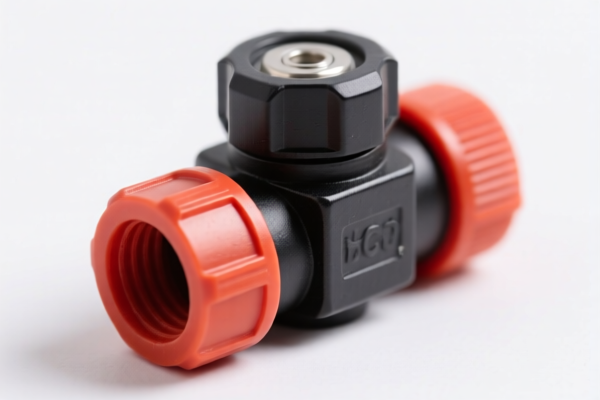
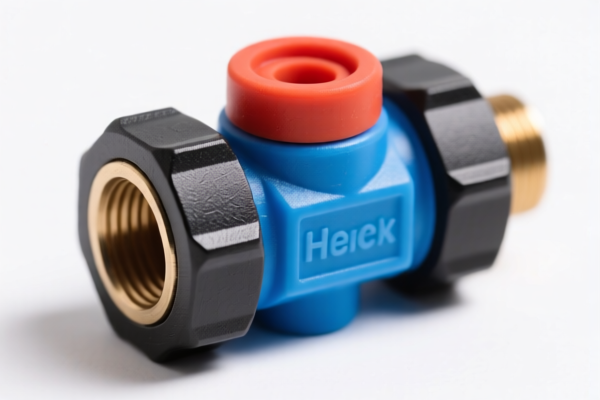
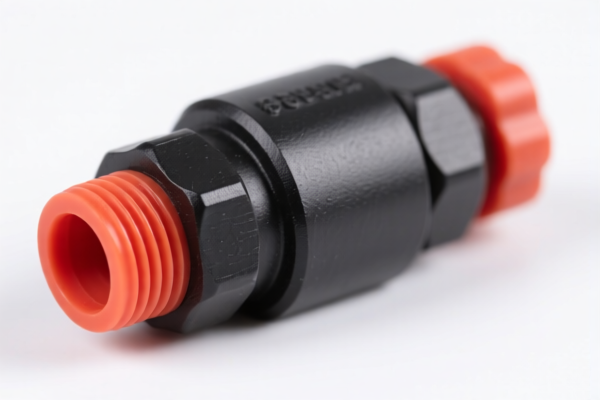
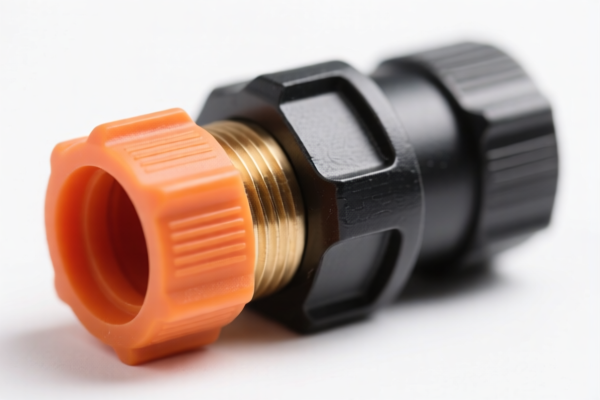
AI Analysis
🛢️ Rubber Check Valves (橡胶止回阀)
🌐 HS Code Reference & Customs Clearance Guide | 2026 Latest Tariff Analysis | Strategic Classification for Rubber Components
📌 I. Product Definition & Classification: What exactly is a "Rubber Check Valve"?
Rubber Check Valves are critical fluid control devices designed to allow flow in one direction and prevent backflow. In international trade, their classification depends heavily on their primary function and material composition. They fall into two main categories:
- Functional Valves (Assemblies): Complete valve units used for flow control, typically classified under Chapter 84 (Machinery).
- Sealing/Clamping Components (Parts): Rubber parts acting as seals, covers, or flexible connectors, typically classified under Chapter 40 (Rubber).
⚠️ Key Distinction Point:
- If the item is a complete functional valve (including internal mechanism, seats, or specific valve design) → Chapter 84
- If the item is a flexible connector, seal, gasket, or simple cover without complex valve mechanisms → Chapter 40 or 39
📦 II. HS Code Classification Details (2026 Latest Tariff Mapping)
| HS Code | Product Description | Applicable Scenario | Key Classification Logic |
|---|---|---|---|
4016.99.15.00 |
Rubber Valves, Material: Rubber, Category: Covers, Seals & Similar Uses | Flexible rubber covers, simple seals, gaskets, non-mechanical sealing elements | ✅ Seals/Covers (Non-mechanical) |
8481.80.90.50 |
Rubber Valves, Material: Rubber, Function: Valve Purpose, Category: Other Utensils | Functional rubber check valves, complete valve assemblies for fluid control | ✅ Functional Valve |
8481.80.50.90 |
Rubber Valves, Category: Valve Devices, Material: Rubber, Sub-category: Other Devices | Specific rubber valve devices not elsewhere specified, functional assemblies | ✅ Functional Device |
3926.90.99.89 |
Rubber Valves, Material: Synthetic Materials/Polymers, Category: Other Articles | Polymer-based valve components, synthetic rubber seals, non-natural rubber parts | ✅ Polymer/Synthetic |
4016.93.50.50 |
Rubber Valves, Material: Vulcanized Rubber, Category: Other Vulcanized Rubber Articles | Specific vulcanized rubber seals/gaskets, specialized rubber components | ✅ Vulcanized Rubber Part |
🔍 Critical Reminder:
- Functional Valves (complete units controlling flow) generally fall under 8481.80 but attract higher tariffs due to "Other Utensils" or "Other Devices" classifications.
- Sealing/Plugging Components (gaskets, simple covers, seals) fall under 4016.99 or 4016.93, typically with lower tariffs.
- Misclassification Risk: Declaring a functional valve as a "seal" to save tax may trigger customs audits. Ensure the product description matches the physical function.
💰 III. 2026 Latest Tariff Rate Breakdown (Including Additional Taxes & Policy Surcharges)
✅ Applicable Country: USA (US)
✅ Origin: China (CN)
✅ Effective Date: From November 10, 2025 (and subsequent imports)
🎯 1. 4016.99.15.00 —— Rubber Seals/Covers (Non-Functional)
| Item | Content |
|---|---|
| Base Tariff | 2.7% (ad valorem) |
| Section 301 Additional Tariff | +7.5% |
| Section 122 Tariff | +10% |
| Total Tariff | 20.2% |
| Tax Calculation | CIF Value × 20.2% |
| De Minimis Eligibility | ❌ Not Eligible (deny_de_minimis) |
| Legal Basis Path | Base: 4016.99.15.00 → 301: 7.5% → 122: 10% |
📌 Explanation:
- This classification applies to rubber parts used as seals, gaskets, or covers.
- Lower total tax (20.2%) makes this the most cost-effective option if the product can be legitimately classified as a sealing component rather than a functional valve.
🎯 2. 8481.80.90.50 —— Functional Rubber Valves (Other Utensils)
| Item | Content |
|---|---|
| Base Tariff | 2.0% (ad valorem) |
| Section 301 Additional Tariff | +25.0% |
| Section 122 Tariff | +10% |
| Total Tariff | 37.0% |
| Tax Calculation | CIF Value × 37.0% |
| De Minimis Eligibility | ❌ Not Eligible |
| Legal Basis Path | Base: 8481.80.90.50 → 301: 25% → 122: 10% |
📌 Warning:
- This is for complete functional valves.
- High total tax (37.0%) due to the 25% Section 301 tariff on machinery/valves.
- Do not use this code for simple seals.
🎯 3. 8481.80.50.90 —— Rubber Valve Devices (Other Devices)
| Item | Content |
|---|---|
| Base Tariff | 3.0% (ad valorem) |
| Section 301 Additional Tariff | +25.0% |
| Section 122 Tariff | +10% |
| Total Tariff | 38.0% |
| Tax Calculation | CIF Value × 38.0% |
| De Minimis Eligibility | ❌ Not Eligible |
| Legal Basis Path | Base: 8481.80.50.90 → 301: 25% → 122: 10% |
📌 Note:
- Similar to the above, but classified under "Other Valve Devices."
- Highest tax rate (38.0%) among the options. Only use if the product fits this specific functional description.
🎯 4. 3926.90.99.89 —— Polymer/Synthetic Valve Parts (Other Articles)
| Item | Content |
|---|---|
| Base Tariff | 5.3% (ad valorem) |
| Section 301 Additional Tariff | +7.5% |
| Section 122 Tariff | +10% |
| Total Tariff | 22.8% |
| Tax Calculation | CIF Value × 22.8% |
| De Minimis Eligibility | ❌ Not Eligible |
| Legal Basis Path | Base: 3926.90.99.89 → 301: 7.5% → 122: 10% |
📌 Alternative:
- If the valve is made of synthetic rubber/polymers and can be considered an "other article" rather than a mechanical valve, this code offers a moderate tax rate (22.8%).
- Lower than functional valves (37-38%) but slightly higher than natural rubber seals (20.2%).
🎯 5. 4016.93.50.50 —— Vulcanized Rubber Articles (Other)
| Item | Content |
|---|---|
| Base Tariff | 2.5% (ad valorem) |
| Section 301 Additional Tariff | +25.0% |
| Section 122 Tariff | +10% |
| Total Tariff | 37.5% |
| Tax Calculation | CIF Value × 37.5% |
| De Minimis Eligibility | ❌ Not Eligible |
| Legal Basis Path | Base: 4016.93.50.50 → 301: 25% → 122: 10% |
📌 Caution:
- Despite being in Chapter 40 (Rubber), this code incurs the 25% Section 301 tariff because it is classified under "Other Vulcanized Rubber Articles" in a context that triggers additional duties.
- Avoid if possible; 37.5% is very high.
🛠️ IV. Customs Clearance Practical Advice (Battle-Tested Pitfall Guide)
✅ 1. Documentation Checklist (Mandatory)
| Document | Required | Description |
|---|---|---|
| ✅ Product Specification Sheet | ✔️ | Must clearly state material (natural vs. synthetic rubber), function (seal vs. valve), and dimensions. |
| ✅ Product Photos (with Labels) | ✔️ | Show the item from all angles, including any part numbers or model labels. |
| ✅ Commercial Invoice | ✔️ | Clearly describe as "Rubber Check Valve" or "Rubber Sealing Component" depending on HS code. |
| ✅ Packing List | ✔️ | Itemize quantities and weights accurately. |
| ✅ Origin Certificate (CO) | ✔️ | Essential for verifying country of origin (China) and applicable tariffs. |
| ✅ Technical Drawing (if requested) | ✔️ | May be needed to prove if it’s a functional valve or a simple seal. |
✅ 2. Declaration Strategy (Key Mnemonic)
🔥 "Function Determines Chapter, Material Determines Sub-Chapter, Tariff Depends on Classification!"
| Scenario | Correct Declaration | Wrong Declaration |
|---|---|---|
| Simple Rubber Seal/Gasket | 4016.99.15.00 (20.2%) |
Misdeclare as Valve → 37%+ |
| Complete Functional Check Valve | 8481.80.90.50 (37.0%) |
Misdeclare as Seal → 20.2% (Risk of Audit) |
| Polymer-Based Valve Part | 3926.90.99.89 (22.8%) |
Misdeclare as Rubber → 37.5% |
| Vulcanized Rubber Component | 4016.93.50.50 (37.5%) |
Avoid unless necessary; high tax |
📌 Critical Tip:
- If your product is a simple rubber plug or cover that stops backflow by physical barrier (not a mechanical check valve), argue for4016.99.15.00.
- If it has a mechanical flap, disc, or internal structure designed for flow control, it is a functional valve →8481.80.90.50.
✅ 3. Special Cases Handling
| Scenario | Handling Advice |
|---|---|
| OEM Custom Valves | Provide customer specs + design drawings. If custom, emphasize functional aspect → 8481.80. |
| Mixed Materials | If rubber + metal, check if rubber is the primary component. If yes, 4016.99.15.00 may apply if non-functional. |
| Sample Shipments | Even samples are subject to tariffs. No de minimis exemption for China-origin goods. |
| Postponement of Tariffs | No current exclusions for rubber valves from Section 301 or 122 tariffs. |
🌍 V. Global Market Comparison (2026 Latest)
| Country/Region | Recommended HS Code | Tariff Rate | Certification | Notes |
|---|---|---|---|---|
| 🇺🇸 USA | 4016.99.15.00 (if seal) |
20.2% | None | Avoid 8481 if possible (37-38%) |
| 🇺🇸 USA | 8481.80.90.50 (if valve) |
37.0% | None | High tariff unavoidable for functional valves |
| 🇨🇳 China | 8481.80.90.50 |
5-7% | None | Lower import tariff, but US export tariff is high |
| 🇪🇺 EU | 8481.80.90.90 |
3-4% | CE (if applicable) | No Section 301/122 surcharges |
| 🇦🇺 Australia | 8481.80.90.90 |
5% | None | Moderate tariff |
📌 Conclusion:
- USA is the highest-cost market for rubber valves due to Section 301 (25-7.5%) and Section 122 (10%) tariffs.
- Optimize Classification: If your product can be legally classified as a seal/gasket (4016.99.15.00), you save ~17% in tariffs compared to functional valves.
- EU/Australia are more favorable, with no additional punitive tariffs.
📌 VI. Common Errors & Pitfall Guide (Lessons Learned)
❌ Error 1: Declaring a functional valve as a "rubber seal" to save tax
👉 Consequence: Customs audit, penalties, retroactive duties, and potential blacklisting.
❌ Error 2: Misdeclaring the material (e.g., calling synthetic rubber "natural rubber")
👉 Consequence: Incorrect HS code → 3926.90.99.89 vs 4016.99.15.00 → Tax discrepancy.
❌ Error 3: Ignoring Section 122 Tariff (10%)
👉 Consequence: Underestimating total landed cost by 10%.
❌ Error 4: Assuming de minimis exemption applies
👉 Consequence: All China-origin goods are subject to tariffs; no exemption for small shipments.
✅ Correct Approach:
"Rubber Check Valve, Material: EPDM Rubber, Function: Fluid Flow Control, Model: XYZ, Origin: China"
→ Classify based on true function. If mechanical →8481.80.90.50. If simple barrier →4016.99.15.00.
🎯 VII. Conclusion: Precise Classification, Cost Optimization!
🎯 Remember the Golden Rule:
🔹 "Function First, Material Second, Tariff Third!"
🔹 "Seal = 20.2%, Valve = 37-38%, Save 17% if Legit!"
🔹 "HS Code Determines Your Bottom Line, Misclassification Costs Double!"
📌 Pro Tip:
If your rubber check valve can be designed or marketed as a sealing component (e.g., a rubber plug or gasket) rather than a mechanical valve, pursue
4016.99.15.00.
Always consult a licensed customs broker for Advance Ruling if the classification is ambiguous.
📣 Immediate Action:
📞 Contact a professional customs broker
📄 Prepare detailed product specifications
🚀 Ensure compliance, avoid penalties, and optimize costs!
✨ Professional Customs Clearance Starts with Accurate Classification!
💼 Every percentage point of tariff matters to your profit margin!
Customer Reviews
About HS Code Classification
The Harmonized System (HS) is an internationally standardized nomenclature developed by the World Customs Organization (WCO) to classify traded products. Over 200 countries use the HS system as the basis for customs tariffs, trade statistics, and import/export regulations.
Each HS code follows a hierarchical structure:
- Chapter (2 digits) — Broad category of goods (e.g., Chapter 84: Machinery and Mechanical Appliances)
- Heading (4 digits) — More specific grouping within the chapter
- Subheading (6 digits) — Internationally standardized breakdown, used by all WCO member countries
- National subdivisions (8-10 digits) — Country-specific extensions for further classification, such as US HTSUS 10-digit codes
Correct HS code classification is essential for smooth customs clearance, accurate duty payment, and compliance with trade regulations. Misclassification can lead to customs delays, overpayment of duties, or penalties.
When importing from CN to US, the applicable tariff rates may include:
- Most-Favored-Nation (MFN) rate — The standard duty rate applied to WTO members
- General rate — Applied to countries without trade agreements
- Trade remedy duties — Additional tariffs such as Section 301 (anti-dumping), Section 232 (national security), or countervailing duties
The information provided on this page is for reference purposes only. For official classification, please consult with your local customs authority or a licensed customs broker.