Rubber Coated Cleaning Gloves Fingerless
CN → US| HS Code | Tariff Rate | Origin | Destination | Doc |
|---|---|---|---|---|
| 6116105510 | 30.7% | CN | US | Official Doc |
| 4015195100 | 49.0% | CN | US | Official Doc |
| 4015129000 | 49.0% | CN | US | Official Doc |
| 3926204050 | 16.5% | CN | US | Official Doc |
| 6116104810 | 36.1% | CN | US | Official Doc |
Product Images
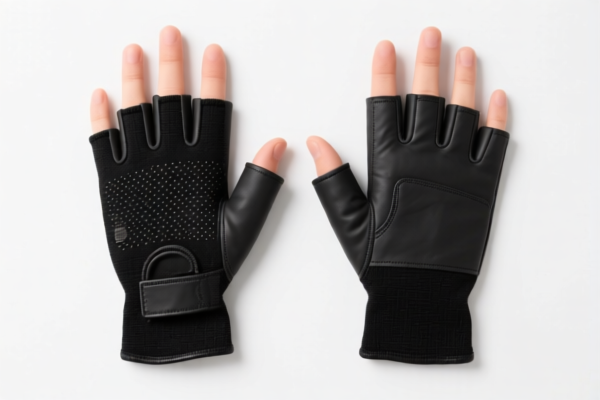
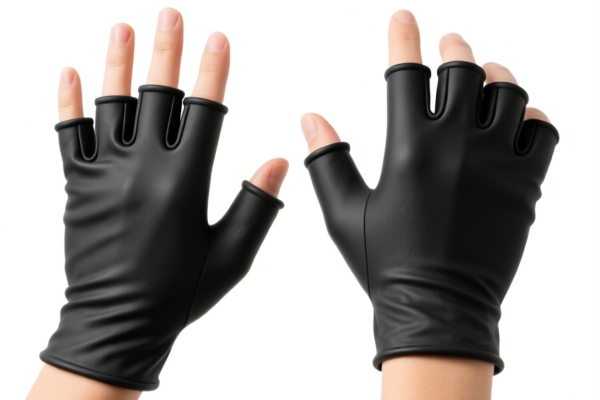
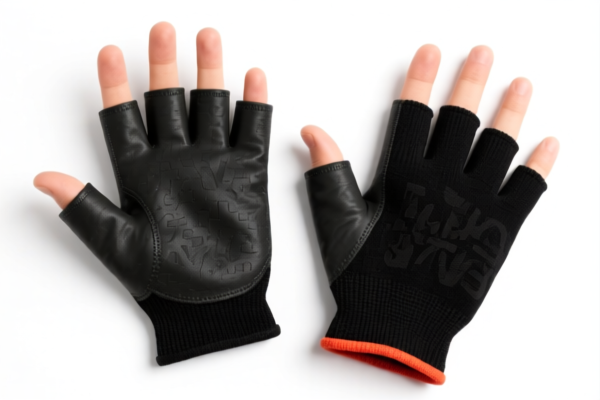

AI Analysis
🧤 Rubber Coated Cleaning Gloves (Fingerless)
🌐 HS Code Reference & Customs Clearance Guide | 2026 Latest Tariff Analysis | Professional Compliance Strategy
📌 I. Product Definition & Classification: Do You Really Understand "Rubber Coated Cleaning Gloves"?
Rubber coated cleaning gloves (fingerless) are protective gear primarily used for household cleaning, light industrial work, or DIY tasks where dexterity is crucial. In international trade, these gloves are classified based on their base material composition and the nature of the coating.
Because they are fingerless, they fall under general glove classifications but require careful distinction between: 1. Textile Base (Cotton): If the core is >50% cotton, it often falls under Chapter 61 (Knitted/Crocheted). 2. Rubber/Plastic Base: If the rubber content is dominant or it’s a composite specifically classified as rubber articles, it falls under Chapter 40 (Rubber) or Chapter 39 (Plastics).
⚠️ Key Distinction Point:
- If the glove is knitted cotton with rubber immersion → Chapter 61 (e.g.,6116.10...)
- If the glove is vulcanized rubber regardless of fabric backing → Chapter 40 (e.g.,4015.19...)
- If the glove is plastic/rubber coated fabric without specific textile classification → Chapter 39 (e.g.,3926.20...)
📦 II. HS Code Classification Details (2026 Latest Tariff Authority Comparison)
| HS Code | Product Description | Applicable Scenario | Base Material/Structure |
|---|---|---|---|
6116.10.55.10 |
Rubber-coated cotton gloves; Cotton content >50%; Glove form | Standard household cleaning gloves, knit cotton base with rubber palm/coating | ✅ Cotton Base (>50%) |
4015.19.51.00 |
Vulcanized rubber gloves; Rubber coating compounded with cotton; Glove use | Industrial rubber gloves with cotton lining; Heavy-duty protection | ✅ Rubber Dominant/Vulcanized |
4015.12.90.00 |
Vulcanized rubber gloves; Rubber coating; Medical or protective use | Medical exam gloves, specialized protective gear | ✅ Rubber Dominant/Medical Grade |
3926.20.40.50 |
Gloves made of plastics/rubber coated with textile; Classified as "Gloves" | General purpose coated gloves not specified elsewhere | ✅ Plastic/Rubber Composite |
6116.10.48.10 |
Cotton gloves with impregnated/coated/covered/laminated rubber coating; Glove use | Specific knitted cotton gloves with rubber layering | ✅ Cotton Base + Rubber Coating |
🔍 Key Reminder:
- "Fingerless" nature does not automatically change the HS code; it depends on the material constitution. - If the cotton content is >50%,海关 (Customs) often prefers Chapter 61 (6116.10...). - If the rubber is vulcanized and considered the essential character, Chapter 40 (4015...) may apply. - Misclassification can lead to significant duty differences (e.g., 30.7% vs. 49.0%).
💰 III. 2026 Latest Tariff Rate Breakdown (Including Additional Duties & Policy Surcharges)
✅ Applicable Country: United States (US)
✅ Origin: China (CN)
✅ Effective Date: From 2025-11-10 onwards
🎯 1. 6116.10.55.10 — Rubber-Coated Cotton Gloves (Cotton >50%)
| Item | Content |
|---|---|
| Base Duty Rate | 13.2% |
| Section 301 Surcharge (Additional) | +7.5% |
| Section 122 Tariff | +10% |
| Total Effective Rate | 30.7% |
| Tax Calculation | CIF Value × 30.7% |
| De Minimis Exemption | ❌ Not Eligible (Deny) |
| Legal Authority Path | Base Rate + Section 301 + Section 122 |
📌 Explanation:
- This is a more favorable rate if the product qualifies as "knitted cotton gloves with rubber coating." - The Section 122 (10%) is a specific add-on for certain textile/apparel items from China.
🎯 2. 4015.19.51.00 — Vulcanized Rubber Gloves (Rubber-Cotton Composite)
| Item | Content |
|---|---|
| Base Duty Rate | 14.0% |
| Section 301 Surcharge (Additional) | +25.0% |
| Section 122 Tariff | +10% |
| Total Effective Rate | 49.0% |
| Tax Calculation | CIF Value × 49.0% |
| De Minimis Exemption | ❌ Not Eligible (Deny) |
| Legal Authority Path | Base Rate + Section 301 + Section 122 |
📌 Explanation:
- Classified under Chapter 40 (Rubber), which faces higher Section 301 duties (25%). - High cost alert: This classification is 18.3 percentage points higher than the cotton-based alternative.
🎯 3. 4015.12.90.00 — Vulcanized Rubber Gloves (Medical/Protective)
| Item | Content |
|---|---|
| Base Duty Rate | 14.0% |
| Section 301 Surcharge (Additional) | +25.0% |
| Section 122 Tariff | +10% |
| Total Effective Rate | 49.0% |
| Tax Calculation | CIF Value × 49.0% |
| De Minimis Exemption | ❌ Not Eligible (Deny) |
| Legal Authority Path | Base Rate + Section 301 + Section 122 |
📌 Explanation:
- Same high tariff structure as other rubber gloves. - Only applies if the gloves are explicitly for medical or specialized protective use.
🎯 4. 3926.20.40.50 — Plastic/Rubber Coated Gloves (Composite)
| Item | Content |
|---|---|
| Base Duty Rate | 6.5% |
| Section 301 Surcharge (Additional) | 0.0% |
| Section 122 Tariff | +10% |
| Total Effective Rate | 16.5% |
| Tax Calculation | CIF Value × 16.5% |
| De Minimis Exemption | ❌ Not Eligible (Deny) |
| Legal Authority Path | Base Rate + Section 122 |
📌 Explanation:
- Lowest duty rate among all options! - Crucial: Only applicable if the product is classified as "Gloves of Plastics/Rubber" under Chapter 39, and not subject to Section 301 surcharges. - Strategy: If your product structure allows, argue for this classification to save costs.
🎯 5. 6116.10.48.10 — Cotton Gloves with Rubber Coating/Lamination
| Item | Content |
|---|---|
| Base Duty Rate | 18.6% |
| Section 301 Surcharge (Additional) | +7.5% |
| Section 122 Tariff | +10% |
| Total Effective Rate | 36.1% |
| Tax Calculation | CIF Value × 36.1% |
| De Minimis Exemption | ❌ Not Eligible (Deny) |
| Legal Authority Path | Base Rate + Section 301 + Section 122 |
📌 Explanation:
- Slightly higher than6116.10.55.10due to a higher base duty (18.6% vs 13.2%). - Applies to cotton gloves with specific rubber lamination processes.
🛠️ IV. Customs Clearance Practical Advice (Battle-Tested Pitfall Guide)
✅ 1. Documentation Checklist (Mandatory)
| Document | Must Provide | Explanation |
|---|---|---|
| ✅ Product Specification Sheet | ✔️ | Must detail: Cotton vs. Rubber content %, Fingerless design, Coating type (immersion vs. lamination). |
| ✅ Material Composition Certificate | ✔️ | Critical for distinguishing between Chapter 61 (Cotton) and Chapter 40 (Rubber). |
| ✅ Product Photos (Clear Labels) | ✔️ | Show the fingerless cut, texture of rubber, and any labeling indicating "Cotton" or "Rubber." |
| ✅ Commercial Invoice | ✔️ | Must accurately describe the product (e.g., "Fingerless Cleaning Gloves") to avoid ambiguity. |
| ✅ Packing List | ✔️ | Ensure consistency with invoice and customs declaration. |
✅ 2. Declaration Strategy (Key Mantra)
🔥 "Material Dictates Code, Coating Defines Type, Fingerless Doesn't Free You from Duties!"
| Scenario | Correct Declaration | Wrong Practice |
|---|---|---|
| High Cotton Content (>50%) | 6116.10.55.10 (30.7%) |
Declare as Rubber Gloves → 49.0% |
| Vulcanized Rubber Base | 4015.19.51.00 (49.0%) |
Declare as Cotton Gloves → Risk of penalty for misclassification |
| Plastic/Rubber Composite | 3926.20.40.50 (16.5%) |
Declare as Chapter 61 → Overpay duties |
| Laminated Rubber on Cotton | 6116.10.48.10 (36.1%) |
Ignore lamination process → Misclassification |
✅ 3. Special Case Handling
| Situation | Handling Advice |
|---|---|
| Fingerless Design | Emphasize in description that it is a "Glove" not "Mitten" or "Half-Glove," but ensure the base material is clearly defined. |
| Cleaning vs. Medical Use | Do NOT claim "Medical" (4015.12.90.00) unless certified. Household cleaning gloves should not use medical codes. |
| Origin Marking | Ensure "Made in China" is clearly marked on packaging to trigger correct Section 122/301 tariffs. |
| Duty Minimization | If the product is essentially a plastic-coated fabric, argue for 3926.20.40.50 (16.5%) to save ~14-32% in duties. |
🌍 V. Global Market Clearance Comparison (2026 Latest)
| Country/Region | Recommended HS Code | Tariff (China Origin) | Certification Requirements | Notes |
|---|---|---|---|---|
| 🇺🇸 USA | 3926.20.40.50 |
16.5% | None specific | Best rate; avoid Chapter 40 if possible. |
| 🇺🇸 USA | 6116.10.55.10 |
30.7% | None specific | Good alternative if cotton content is high. |
| 🇺🇸 USA | 4015.19.51.00 |
49.0% | None specific | Avoid unless it's a dedicated rubber product. |
| 🇨🇳 China | 6116.10.55.10 |
5-10% | CCC (if applicable) | Lower import duties. |
| 🇪🇺 EU | 6116.10.55.10 |
4.5% | CE (if protective) | Lower tariffs, but stricter safety standards. |
| 🇬🇧 UK | 6116.10.55.10 |
4.5% | UKCA | Post-Brexit alignment with EU. |
📌 Conclusion:
- USA is the most challenging market due to Section 301 and Section 122 surcharges. - Strategic Choice: If your product allows, classify under Chapter 39 (3926.20.40.50) for the lowest duty (16.5%). - If not, ensure Cotton Content >50% to qualify for Chapter 61 (6116.10.55.10) at 30.7%, avoiding the steep 49.0% rubber tariff.
📌 VI. Common Mistakes & Pitfall Guide (Blood-Teaching Lessons)
❌ Mistake 1: Classifying cotton-coated gloves as "Rubber Gloves" (4015...)
👉 Consequence: Duty jumps from 30.7% to 49.0% → Extra cost of ~18% on every shipment.
❌ Mistake 2: Ignoring Section 122 Surcharge
👉 Consequence: Even with 0% Section 301, the 10% Section 122 still applies → Under-declaring leads to penalties.
❌ Mistake 3: Claiming "De Minimis" Exemption (Under $800)
👉 Consequence: ❌ DENIED. Textile and rubber gloves from China are explicitly excluded from de minimis relief.
❌ Mistake 4: Vague Product Description
👉 Consequence: Customs may reclassify to the highest duty rate (49.0%) due to ambiguity.
✅ Correct Approach:
"Fingerless Cleaning Gloves, Knitted Cotton Base (>50% Cotton), Rubber Palm Coating, Model XYZ, Made in China"
🎯 VII. Conclusion: Professional Declaration Saves Money!
🎯 Remember the Mantra:
🔹 "Cotton >50%? Go 61 (30.7%). Rubber Heavy? Go 40 (49.0%). Composite? Try 39 (16.5%)."
🔹 "Fingerless doesn't mean duty-free! Section 122 always bites!"
🔹 "HS Code determines your profit margin; declare wisely!"
📌 Pro Tip:
- Request a Pre-Ruling: Submit product samples and specifications to US CBP for an Advance Ruling to confirm the HS Code before shipping.
- Audit Material Composition: Ensure your factory reports accurate cotton vs. rubber percentages to justify Chapter 61 classification.
📣 Immediate Action:
📞 Contact your freight forwarder + Provide Material Composition Certificate + Apply for HS Code Pre-Ruling
🚀 Clear customs smoothly, minimize duties, and maximize profits!
✨ Professional Clearance Starts with Precise Classification!
💼 Every cent of tax you save is pure profit!
Customer Reviews
About HS Code Classification
The Harmonized System (HS) is an internationally standardized nomenclature developed by the World Customs Organization (WCO) to classify traded products. Over 200 countries use the HS system as the basis for customs tariffs, trade statistics, and import/export regulations.
Each HS code follows a hierarchical structure:
- Chapter (2 digits) — Broad category of goods (e.g., Chapter 84: Machinery and Mechanical Appliances)
- Heading (4 digits) — More specific grouping within the chapter
- Subheading (6 digits) — Internationally standardized breakdown, used by all WCO member countries
- National subdivisions (8-10 digits) — Country-specific extensions for further classification, such as US HTSUS 10-digit codes
Correct HS code classification is essential for smooth customs clearance, accurate duty payment, and compliance with trade regulations. Misclassification can lead to customs delays, overpayment of duties, or penalties.
When importing from CN to US, the applicable tariff rates may include:
- Most-Favored-Nation (MFN) rate — The standard duty rate applied to WTO members
- General rate — Applied to countries without trade agreements
- Trade remedy duties — Additional tariffs such as Section 301 (anti-dumping), Section 232 (national security), or countervailing duties
The information provided on this page is for reference purposes only. For official classification, please consult with your local customs authority or a licensed customs broker.