Rubber Coated Fingerless Gloves
CN → US| HS Code | Tariff Rate | Origin | Destination | Doc |
|---|---|---|---|---|
| 6116105510 | 30.7% | CN | US | Official Doc |
| 4015195100 | 49.0% | CN | US | Official Doc |
| 4015129000 | 49.0% | CN | US | Official Doc |
| 3926204050 | 16.5% | CN | US | Official Doc |
| 6116104810 | 36.1% | CN | US | Official Doc |
Product Images
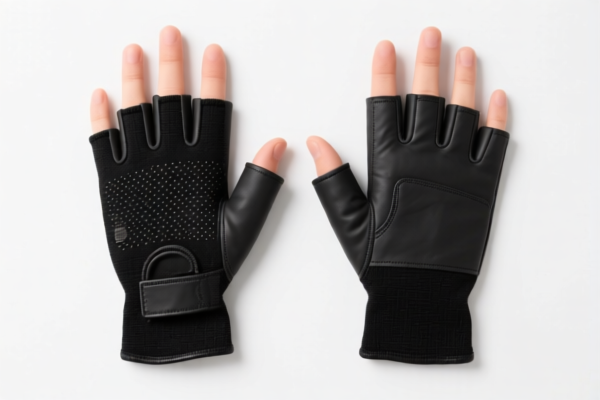
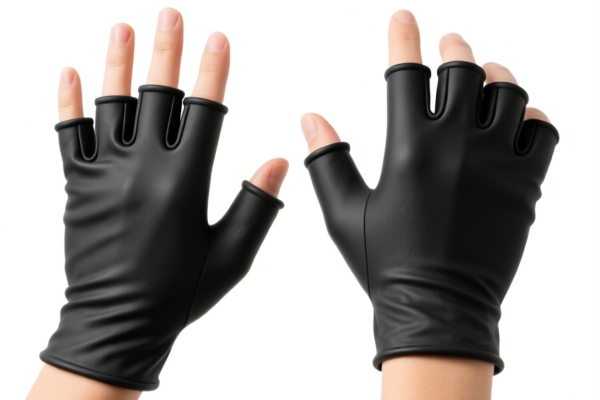
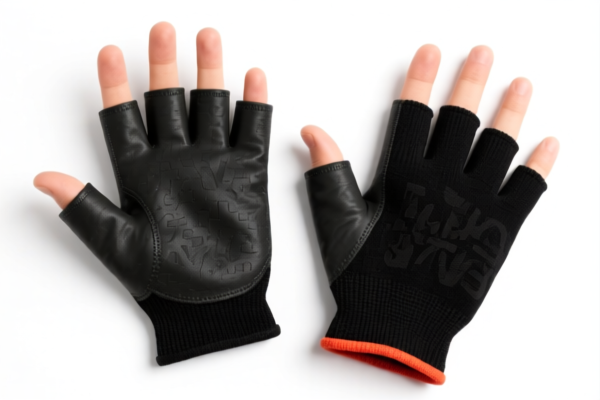

AI Analysis
🧤 Rubber Coated Fingerless Gloves: HS Code Classification & U.S. Customs Clearance Guide (2026)
🌐 HS Code Reference & Customs Clearance Strategy | Latest Tariff Analysis | Professional Level Compliance Strategy
📌 I. Product Definition & Classification: Do You Really Understand "Rubber Coated Fingerless Gloves"?
Rubber-coated fingerless gloves are protective handwear widely used in industrial, automotive, and construction sectors. They combine the flexibility of fabric with the durability and grip of rubber. In international trade, their classification depends heavily on the primary material and the manufacturing process (whether the rubber is merely a coating or constitutes the essential character).
Key Distinction Points: * Textile-Based (Knitted/Woven): If the base is cotton or other textile and the rubber is a coating/impregnation, it generally falls under Chapter 61. * Rubber/Plastic-Based: If the glove is classified as vulcanized rubber or plastic, or if the rubber constitutes the essential character, it falls under Chapter 40.
⚠️ Critical Note: The specific HS Code determines the tariff rate, which can range from 16.5% to 49.0%. Misclassification can lead to significant duty overpayment or customs penalties.
📦 II. HS Code Classification Details (2026 Latest Tariff Concordance)
| HS Code | Product Description | Applicable Scenario | Material Composition |
|---|---|---|---|
6116.10.55.10 |
Rubber-coated cotton gloves; material is cotton with rubber coating, meeting impregnation, coating, covering, or laminating requirements. | Industrial work gloves, light-duty protection where cotton base is dominant. | Cotton base + Rubber coating |
4015.19.51.00 |
Rubber-coated cotton gloves; material is vulcanized rubber composite with other materials, fitting the logic of vulcanized rubber gloves. | Heavy-duty protection, heavy industrial use where rubber character is significant. | Vulcanized rubber composite |
4015.12.90.00 |
Rubber-coated cotton gloves; material is vulcanized rubber type, form is glove, purpose is medical or protective. | Medical exam gloves, specialized protective gear with rubber essential character. | Vulcanized rubber |
3926.20.40.50 |
Rubber-coated cotton gloves; material is plastic/rubber coating combined with cotton, classified as glove articles. | General-purpose coated gloves where plastic/rubber coating is distinct. | Plastic/Rubber coating + Cotton |
6116.10.48.10 |
Rubber-coated cotton gloves; material is cotton, form is coated, meeting impregnation/coating/covering/laminating definition. | General work gloves, standard cotton-based rubber coated items. | Cotton base + Rubber coating |
🔍 Important Reminder: - Gloves with a cotton base and rubber coating are typically classified under 6116 (Knitted/Crocheted Gloves), but if the rubber composition is high, 4015 (Vulcanized Rubber) may apply. - The 3926 code applies if the item is considered more of a "plastic article" than a textile glove.
💰 III. 2026 Latest Tariff Rate Breakdown (Including Surtaxes & Policy Surcharges)
✅ Applicable Country: United States (US) ✅ Origin: China (CN) ✅ Effective Date: From 2025 onwards (including subsequent imports)
🎯 1. 6116.10.55.10 —— Rubber-Coated Cotton Gloves (Textile Base)
| Item | Content |
|---|---|
| Base Tariff | 13.2% (ad valorem) |
| Section 301 Surcharge | +7.5% |
| Section 122 Tariff | +10% |
| Total Tariff Rate | 30.7% |
| Tax Calculation | CIF Value × 30.7% |
| De Minimis Eligibility | ❌ Not Eligible (Deny De Minimis) |
| Legal Basis Path | Section 301 → Section 122 → USITC:6116.10.55.10 |
📌 Explanation: - "Section 301 Surtax 7.5%" comes from the Trade Act Section 301 surcharges on Chinese goods. - "Section 122 Tariff 10%" is a specific additional duty applied to certain protective equipment and textiles. - Total 30.7% is moderate but significant. Proper documentation of cotton content is crucial.
🎯 2. 4015.19.51.00 —— Rubber-Coated Cotton Gloves (Vulcanized Rubber Composite)
| Item | Content |
|---|---|
| Base Tariff | 14.0% |
| Section 301 Surcharge | +25.0% |
| Section 122 Tariff | +10% |
| Total Tariff Rate | 49.0% |
| Tax Calculation | CIF Value × 49.0% |
| De Minimis Eligibility | ❌ Not Eligible |
| Legal Basis Path | Section 301 → Section 122 → USITC:4015.19.51.00 |
📌 Note: - This code falls under Chapter 40 (Rubber), which often carries higher base tariffs and stricter Surtax rates (25% vs 7.5%). - If your product is deemed "vulcanized rubber gloves" rather than "textile gloves," this high rate applies. - Recommendation: Prove the cotton base is dominant to argue for 6116 classification if possible.
🎯 3. 4015.12.90.00 —— Rubber-Coated Cotton Gloves (Vulcanized Rubber, Medical/Protective)
| Item | Content |
|---|---|
| Base Tariff | 14.0% |
| Section 301 Surcharge | +25.0% |
| Section 122 Tariff | +10% |
| Total Tariff Rate | 49.0% |
| Tax Calculation | CIF Value × 49.0% |
| De Minimis Eligibility | ❌ Not Eligible |
| Legal Basis Path | Section 301 → Section 122 → USITC:4015.12.90.00 |
📌 Note: - Similar to the above, this code attracts the highest tariff burden. - Even if intended for industrial use, if classified as "medical or protective" vulcanized rubber, the high rate applies.
🎯 4. 3926.20.40.50 —— Rubber-Coated Cotton Gloves (Plastic/Rubber Coating)
| Item | Content |
|---|---|
| Base Tariff | 6.5% |
| Section 301 Surcharge | 0.0% |
| Section 122 Tariff | +10% |
| Total Tariff Rate | 16.5% |
| Tax Calculation | CIF Value × 16.5% |
| De Minimis Eligibility | ❌ Not Eligible |
| Legal Basis Path | Section 122 → USITC:3926.20.40.50 |
📌 Optimization Opportunity: - This code has the lowest total tariff (16.5%). - It avoids the 25% or 7.5% Section 301 surcharge. - Strategy: If the product can be reasonably classified as "other articles of plastics" (even with rubber coating), this is the most cost-effective classification. Ensure the product description emphasizes the "plastic/rubber article" aspect rather than "textile glove."
🎯 5. 6116.10.48.10 —— Rubber-Coated Cotton Gloves (Standard Textile Coated)
| Item | Content |
|---|---|
| Base Tariff | 18.6% |
| Section 301 Surcharge | +7.5% |
| Section 122 Tariff | +10% |
| Total Tariff Rate | 36.1% |
| Tax Calculation | CIF Value × 36.1% |
| De Minimis Eligibility | ❌ Not Eligible |
| Legal Basis Path | Section 301 → Section 122 → USITC:6116.10.48.10 |
📌 Note: - A common classification for standard cotton-coated gloves. - Higher base tariff (18.6%) than
6116.10.55.10. - Suitable for general industrial work gloves where the cotton base is clearly defined.
🛠️ IV. Customs Clearance Practical Advice (Battle-Tested Pitfall Guide)
✅ 1. Preparation Checklist (All Required)
| Document | Mandatory? | Description |
|---|---|---|
| ✅ Product Spec Sheet | ✔️ | Detailed material composition (e.g., "80% Cotton, 20% Rubber Coating"). |
| ✅ Product Photos | ✔️ | Clear images of gloves, showing coating texture and fingerless design. |
| ✅ Commercial Invoice | ✔️ | Must specify "Rubber Coated Fingerless Gloves" and HS Code. |
| ✅ Packing List | ✔️ | Item count, weight, dimensions. |
| ✅ Certification | ✔️ | ASTM, ANSI, or CE certification if for industrial/safety use. |
| ✅ Origin Certificate | ✔️ | Essential for determining Section 301 applicability. |
✅ 2. Declaration Strategy (Key Mantra)
🔥 "Material Dictates Code, Coating Defines Type, Name Must Be Precise!"
| Scenario | Correct Declaration | Wrong Approach |
|---|---|---|
| Cotton Base, Rubber Coating | 6116.10.xx.xx (Textile Gloves) |
Misdeclare as 4015 (Rubber) → Higher Tax |
| Heavy Rubber Content | 4015.xx.xx (Rubber Gloves) |
Misdeclare as 6116 (Textile) → Risk of Re-classification |
| Plastic-like Coating | 3926.20.xx.xx (Plastic Articles) |
Misdeclare as 6116 → Miss Tax Savings |
| Mixed Packaging (Gloves + Tools) | Split Line Items | Combined Declaration → Higher Duty on Entire Value |
✅ 3. Special Case Handling
| Situation | Handling Advice |
|---|---|
| OEM Custom Gloves | Provide design specs and material test reports to justify HS Code. |
| Medical Grade Gloves | Ensure proper FDA registration if intended for medical use; otherwise, declare as "Industrial Protective." |
| Sample Shipments | Clearly mark as "Samples, No Commercial Value" to potentially reduce duties (if applicable), but note that Section 122 may still apply. |
| High Value Shipments | Consider Advance Ruling (APA) from CBP to confirm HS Code before shipment, avoiding disputes and delays. |
🌍 V. Global Market Clearance Comparison (2026 Latest)
| Country/Region | Recommended HS Code | Tariff (China Origin) | Certification Required | Notes |
|---|---|---|---|---|
| 🇺🇸 USA | 3926.20.40.50 (Optimal) |
16.5% | ASTM, ANSI | Highest complexity due to Section 301 & 122. |
| 🇨🇳 China | 6116.10.55.10 |
8-13% | GB Standards | Lower base tariffs, no surtaxes. |
| 🇪🇺 EU | 4015.19 |
6.5% | CE, REACH | No Section 301 equivalent, but strict REACH compliance. |
| 🇬🇧 UK | 4015.19 |
6.5% | UKCA, REACH | Post-Brexit rules apply. |
| 🇦🇺 Australia | 4015.19 |
5% | Work Safe Standards | Lower tariffs, but high compliance standards. |
📌 Conclusion: - The US market is the most challenging due to additional tariffs (Section 301, 122). - Classification Strategy: Aim for
3926or6116to avoid the 49% rate of4015. - Documentation is Key: Proving the material composition (Cotton vs. Rubber %) is critical for correct classification.
📌 VI. Common Errors & Pitfalls (Lessons Learned)
❌ Error 1: Misclassifying "Cotton Gloves with Rubber Coating" as "Rubber Gloves" (4015)
👉 Consequence: Tax rate jumps from ~16.5-30.7% to 49.0% → Overpayment!
❌ Error 2: Ignoring Section 122 Tariff (+10%) 👉 Consequence: Under-declaring duties → Penalties and Interest!
❌ Error 3: Vague Product Description ("Gloves") 👉 Consequence: Customs may assign the highest default rate or hold shipment for inspection → Delays!
❌ Error 4: Assuming "De Minimis" ($800) Applies 👉 Consequence: Section 122 and Section 301 surtaxes apply even to de minimis shipments. → Unexpected Charges!
✅ Correct Approach:
"Fingerless Work Gloves, 80% Cotton, 20% Nitrile Rubber Coating, Industrial Use, ANSI Certified, HS Code 6116.10.55.10"
🎯 VII. Conclusion: Precision in Classification Saves Money!
🎯 Remember the Mantra:
🔹 "Textile Base? Go 6116. Plastic Coating? Try 3926. Rubber Dominant? Brace for 4015." 🔹 "Check Section 301 & 122. Every Percentage Point Counts."
📌 Pro Tip:
If your gloves can be reasonably described as having a plastic/rubber coating rather than a vulcanized rubber structure, argue for 3926.20.40.50 to save nearly 30-32% in duties compared to 4015 codes.
📣 Immediate Action:
📞 Consult a Customs Broker to review your product samples. 📄 Prepare Detailed Material Composition Reports. 🚀 Get an Advance Ruling (APA) for high-volume shipments to ensure compliance and cost efficiency.
✨ Professional Clearance Starts with Accurate Classification! 💼 Your Bottom Line Depends on the Right HS Code!
Customer Reviews
About HS Code Classification
The Harmonized System (HS) is an internationally standardized nomenclature developed by the World Customs Organization (WCO) to classify traded products. Over 200 countries use the HS system as the basis for customs tariffs, trade statistics, and import/export regulations.
Each HS code follows a hierarchical structure:
- Chapter (2 digits) — Broad category of goods (e.g., Chapter 84: Machinery and Mechanical Appliances)
- Heading (4 digits) — More specific grouping within the chapter
- Subheading (6 digits) — Internationally standardized breakdown, used by all WCO member countries
- National subdivisions (8-10 digits) — Country-specific extensions for further classification, such as US HTSUS 10-digit codes
Correct HS code classification is essential for smooth customs clearance, accurate duty payment, and compliance with trade regulations. Misclassification can lead to customs delays, overpayment of duties, or penalties.
When importing from CN to US, the applicable tariff rates may include:
- Most-Favored-Nation (MFN) rate — The standard duty rate applied to WTO members
- General rate — Applied to countries without trade agreements
- Trade remedy duties — Additional tariffs such as Section 301 (anti-dumping), Section 232 (national security), or countervailing duties
The information provided on this page is for reference purposes only. For official classification, please consult with your local customs authority or a licensed customs broker.