Rubber Construction Gloves
CN → US| HS Code | Tariff Rate | Origin | Destination | Doc |
|---|---|---|---|---|
| 6116104830 | 36.1% | CN | US | Official Doc |
| 6116104400 | 27.4% | CN | US | Official Doc |
| 3926201050 | 10.0% | CN | US | Official Doc |
| 3926204050 | 16.5% | CN | US | Official Doc |
| 6116106500 | 24.5% | CN | US | Official Doc |
Product Images
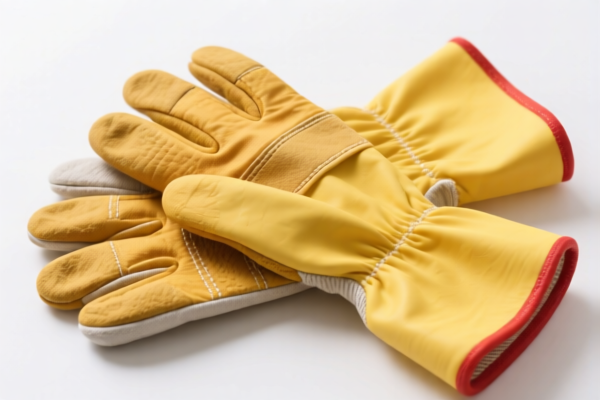
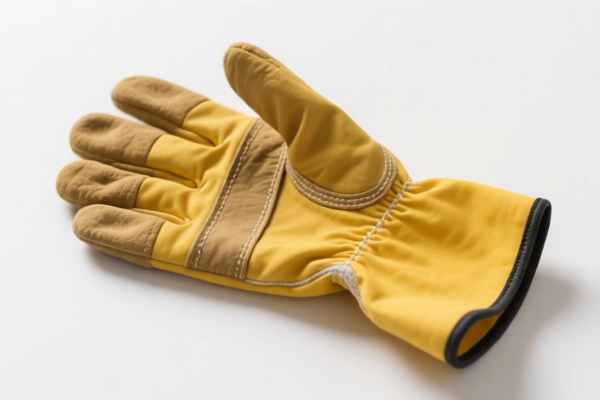
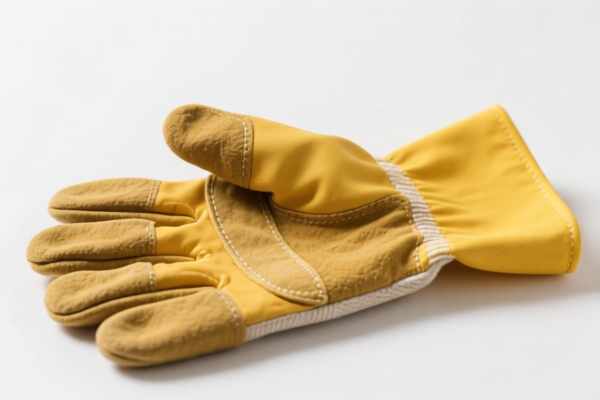
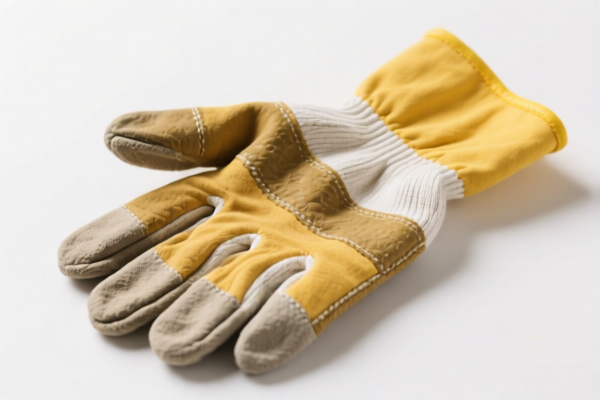
AI Analysis
🧤 Rubber & Plastic Construction Gloves (Industrial Protective Gear)
🌐 HS Code Reference & Customs Clearance Guide | 2026 Latest Tariff Analysis | Professional-Level Strategy
📌 I. Product Definition & Classification: Do You Really Understand "Gloves"?
Construction gloves are critical Personal Protective Equipment (PPE) used in industrial settings. In international trade, the classification depends heavily on material composition (knitted vs. solid plastic/rubber) and manufacturing process (impregnated, coated, or layered).
1. Knitted/Coated Gloves (Chapter 61): * Base material: Knitted or crocheted fabric (e.g., nylon, cotton). * Process: Dipped, coated, covered, or laminated with plastic/rubber. * Key Characteristic: Flexible, breathable base with a protective plastic/rubber layer.
2. Solid Plastic/Rubber Gloves (Chapter 39): * Material: Solid plastic (PVC, PE) or rubber. * Process: Molded or extruded, not knitted. * Key Characteristic: Homogeneous material, often single-use or heavy-duty chemical resistant.
⚠️ Critical Distinction:
- If the glove is knitted fabric with a plastic/rubber coating → Classified under 6116.10.xx (Knitted/Crocheted).
- If the glove is pure plastic/rubber without a knitted base → Classified under 3926.20.xx (Articles of Plastics).
- Misclassification can lead to significant duty discrepancies (e.g., 10% vs. 36%).
📦 II. HS Code Classification Details (2026 Latest Tariff Authority Cross-Reference)
Based on the provided data, here are the precise HS Codes for "Rubber Construction Gloves" and their corresponding tax structures.
| HS Code | Product Description | Material/Structure Type | Total Tax Rate | Tax Breakdown |
|---|---|---|---|---|
| 6116.10.48.30 | Rubber/Plastic Coated Gloves | Knitted/Crocheted base + Plastic Coating/Lamination | 36.1% | Base: 18.6% Add'l: 7.5% Sec 301 (122): 10% |
| 6116.10.44.00 | Rubber/Plastic Coated Gloves | Knitted/Crocheted base + Plastic Coating (General) | 27.4% | Base: 9.9% Add'l: 7.5% Sec 301 (122): 10% |
| 3926.20.10.50 | Plastic/Rubber Gloves | Solid Plastic, Non-medical, Non-disposable | 10.0% | Base: 0.0% Add'l: 0.0% Sec 301 (122): 10% |
| 3926.20.40.50 | Plastic/Rubber Gloves | Solid Plastic, General Article | 16.5% | Base: 6.5% Add'l: 0.0% Sec 301 (122): 10% |
| 6116.10.65.00 | Coated Gloves | Knitted/Crocheted base + Plastic Coating/Covering | 24.5% | Base: 7.0% Add'l: 7.5% Sec 301 (122): 10% |
🔍 Key Reminder:
- Knitted Base + Coating generally incurs higher base duties (7%-18.6%) but may have specific sub-category rates. - Solid Plastic generally has lower base duties (0%-6.5%) but is strictly defined as "no fabric base." - All items include a 10% Section 301 (122 Clause) tariff for Chinese origin goods.
💰 III. 2026 Latest Tariff Rate Breakdown (Detailed Tax Clauses)
✅ Applicable Country: United States (US)
✅ Origin: China (CN)
✅ Effective Date: Current 2026 Tariff Schedule
🎯 1. 6116.10.48.30 — High-End Coated Gloves (Knitted Base)
| Item | Details |
|---|---|
| Base Duty | 18.6% |
| Section 301 Add'l | 7.5% |
| Section 122 Add'l | 10% |
| Total Effective Rate | 36.1% |
| Calculation | CIF Value × 36.1% |
| De Minimis Exemption | ❌ Not Eligible |
📌 Explanation:
- This code applies to knitted gloves with specific plastic impregnation/lamination. - The high base duty (18.6%) reflects the complexity of the textile/plastic composite. - Total 36.1% is a significant cost factor; accurate description is crucial.
🎯 2. 6116.10.44.00 — Standard Coated Gloves (Knitted Base)
| Item | Details |
|---|---|
| Base Duty | 9.9% |
| Section 301 Add'l | 7.5% |
| Section 122 Add'l | 10% |
| Total Effective Rate | 27.4% |
| Calculation | CIF Value × 27.4% |
| De Minimis Exemption | ❌ Not Eligible |
📌 Note:
- Similar to above but under a different sub-heading for "other" coated knitted gloves. - Still significantly higher than solid plastic gloves.
🎯 3. 3926.20.10.50 — Solid Plastic Gloves (Lowest Duty)
| Item | Details |
|---|---|
| Base Duty | 0.0% |
| Section 301 Add'l | 0.0% |
| Section 122 Add'l | 10% |
| Total Effective Rate | 10.0% |
| Calculation | CIF Value × 10.0% |
| De Minimis Exemption | ❌ Not Eligible |
📌 Explanation:
- This is the most cost-effective classification for plastic gloves. - Applies to solid plastic gloves (e.g., PVC, PE) that are not knitted. - Must be clearly non-medical and non-disposable to fit this specific sub-code.
🎯 4. 3926.20.40.50 — General Plastic Gloves
| Item | Details |
|---|---|
| Base Duty | 6.5% |
| Section 301 Add'l | 0.0% |
| Section 122 Add'l | 10% |
| Total Effective Rate | 16.5% |
| Calculation | CIF Value × 16.5% |
| De Minimis Exemption | ❌ Not Eligible |
📌 Note:
- Applies to other plastic articles of gloves that don't fit the 0% base duty category. - No Section 301 additional duty, only Section 122.
🎯 5. 6116.10.65.00 — Mid-Range Coated Gloves
| Item | Details |
|---|---|
| Base Duty | 7.0% |
| Section 301 Add'l | 7.5% |
| Section 122 Add'l | 10% |
| Total Effective Rate | 24.5% |
| Calculation | CIF Value × 24.5% |
| De Minimis Exemption | ❌ Not Eligible |
📌 Explanation:
- Mid-tier classification for knitted gloves with plastic coating/covering. - Balances between the high-duty (36.1%) and standard (27.4%) categories.
🛠️ IV. Customs Clearance Practical Advice (Avoid Pitfalls)
✅ 1. Documentation Checklist (Non-Negotiable)
| Document | Required | Notes |
|---|---|---|
| ✅ Product Specification Sheet | ✔️ | Must detail: Base material (knitted/fabric vs. solid), Coating type (PVC/Nitrile), Thickness. |
| ✅ Technical Diagrams | ✔️ | Show cross-section to prove "knitted base + coating" vs. "solid mold." |
| ✅ Product Photos | ✔️ | Clear images of texture, label, and structure. |
| ✅ Commercial Invoice | ✔️ | Description must match HS Code logic exactly (e.g., "Knitted Cotton Gloves, PVC Coated"). |
| ✅ Packing List | ✔️ | List quantities and weights accurately. |
| ✅ Origin Certificate (if applicable) | ✔️ | For potential duty mitigation (though China origin faces tariffs). |
✅ 2. Declaration Tips (Key Mantras)
🔥 "Base Material Defines Code, Coating Defines Duty, Describe Precisely to Save Money!"
| Scenario | Correct Declaration | Incorrect Declaration |
|---|---|---|
| Knitted glove with PVC dip | 6116.10.44.00 or 6116.10.48.30 |
"Plastic Gloves" → Risk of reclassification & fines. |
| Solid PVC glove | 3926.20.10.50 |
"Knitted Gloves" → Incorrect, higher duty. |
| Mixed Package | Declare per item type | Lump sum "Gloves" → Customs will audit and penalize. |
✅ 3. Special Cases Handling
| Situation | Handling Advice |
|---|---|
| OEM/Custom Gloves | Provide design sheets showing exact material layers. |
| Chemical Resistant Gloves | If solid rubber/plastic, prefer 3926.20 for lower duty. |
| Textile-Backed vs. Solid | Critical: If any fabric is visible/structural, it's Chapter 61. If homogeneous, it's Chapter 39. |
| Medical vs. Industrial | Ensure description explicitly states "Non-Medical" for 3926.20.10.50. |
🌍 V. Global Market Comparison (2026 Update)
| Country/Region | Recommended HS Code | Estimated Duty (China Origin) | Certification | Notes |
|---|---|---|---|---|
| 🇺🇸 USA | 3926.20.10.50 |
10.0% (Lowest) | OSHA Compliance | 6116 codes face up to 36.1% |
| 🇪🇺 EU | 3926.20 / 6116.10 | 0% - 4.7% | CE Marking | No Section 122/301 tariffs |
| 🇨🇳 China | 3926.20 / 6116.10 | 5% - 9% | CCC (if applicable) | Import duties are lower |
| 🇬🇧 UK | 3926.20 / 6116.10 | 0% - 6.5% | UKCA | Post-Brexit alignment with EU |
📌 Conclusion:
- USA is the most expensive market due to Section 122 (10%) and Section 301 tariffs. - Solid Plastic Gloves (3926.20.10.50) offer the best duty rate (10%) in the US. - Knitted Coated Gloves (6116.10) are significantly more expensive to import.
📌 VI. Common Errors & Pitfalls (Lessons Learned)
❌ Error 1: Declaring "Knitted Gloves" as "Plastic Gloves"
👉 Consequence: Customs rejects declaration, delays shipment, applies higher duty + penalties.
❌ Error 2: Ignoring the "Base Material"
👉 Consequence: If you use 3926.20 for knitted gloves, you risk a 26.1% duty overpayment (36.1% vs 10%).
❌ Error 3: Vague Description "Construction Gloves"
👉 Consequence: Customs cannot determine material structure → Audit Triggered.
❌ Error 4: Missing "Non-Medical" Statement
👉 Consequence: 3926.20.10.50 requires non-medical classification. Ambiguity leads to misclassification.
✅ Correct Approach:
"Industrial Safety Gloves, Knitted Nylon Base with Nitrile Palm Coating, Non-Medical, Model X, OSHA Compliant"
🎯 VII. Conclusion: Precision in Classification Saves Cost!
🎯 Remember These Rules:
🔹 "Knitted Base = Chapter 61 (Higher Duty)"
🔹 "Solid Plastic = Chapter 39 (Lower Duty)"
🔹 "10% Section 122 is Universal for China"
🔹 "Describe Material Structure, Not Just Function!"
📌 Pro Tip:
If your gloves are solid plastic and fit 3926.20.10.50, you save 26.1% compared to the highest knitted category.
👉 Action: Verify material composition with your manufacturer. If possible, choose solid plastic for cost efficiency.
👉 Pre-Clearance: Apply for a Binding Tariff Information (BTI) or Advance Ruling if unsure.
📣 Immediate Action:
📞 Consult with a licensed customs broker.
📄 Provide detailed product specs (Material + Structure).
🚀 Optimize your HS Code to3926.20.10.50if applicable, to minimize tariff costs!
✨ Professional Clearance Starts with Accurate Classification!
💼 Every percentage point saved is pure profit!
Customer Reviews
About HS Code Classification
The Harmonized System (HS) is an internationally standardized nomenclature developed by the World Customs Organization (WCO) to classify traded products. Over 200 countries use the HS system as the basis for customs tariffs, trade statistics, and import/export regulations.
Each HS code follows a hierarchical structure:
- Chapter (2 digits) — Broad category of goods (e.g., Chapter 84: Machinery and Mechanical Appliances)
- Heading (4 digits) — More specific grouping within the chapter
- Subheading (6 digits) — Internationally standardized breakdown, used by all WCO member countries
- National subdivisions (8-10 digits) — Country-specific extensions for further classification, such as US HTSUS 10-digit codes
Correct HS code classification is essential for smooth customs clearance, accurate duty payment, and compliance with trade regulations. Misclassification can lead to customs delays, overpayment of duties, or penalties.
When importing from CN to US, the applicable tariff rates may include:
- Most-Favored-Nation (MFN) rate — The standard duty rate applied to WTO members
- General rate — Applied to countries without trade agreements
- Trade remedy duties — Additional tariffs such as Section 301 (anti-dumping), Section 232 (national security), or countervailing duties
The information provided on this page is for reference purposes only. For official classification, please consult with your local customs authority or a licensed customs broker.