Rubber Crocheted Gloves
CN → US| HS Code | Tariff Rate | Origin | Destination | Doc |
|---|---|---|---|---|
| 6116106500 | 24.5% | CN | US | Official Doc |
| 4015195100 | 49.0% | CN | US | Official Doc |
| 4015191150 | 38.0% | CN | US | Official Doc |
| 6116109500 | 24.5% | CN | US | Official Doc |
| 3926204050 | 16.5% | CN | US | Official Doc |
Product Images
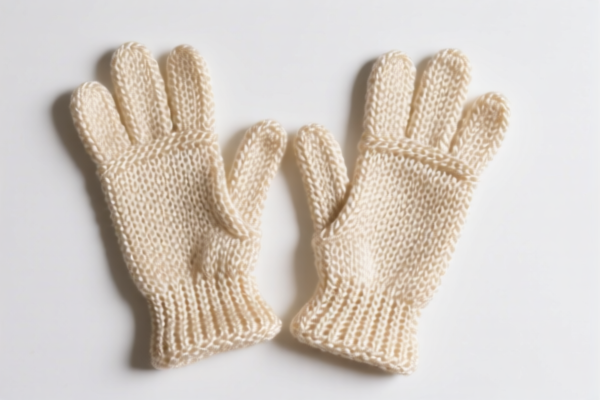
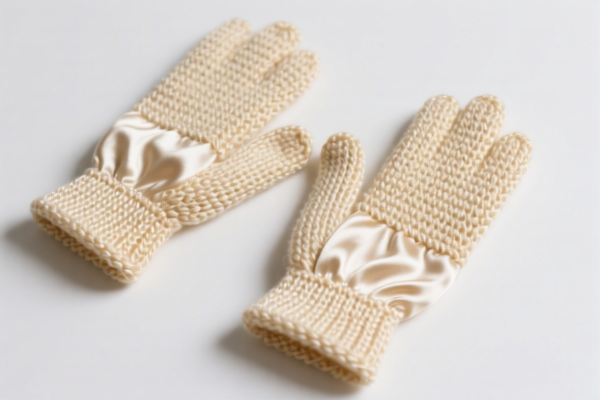
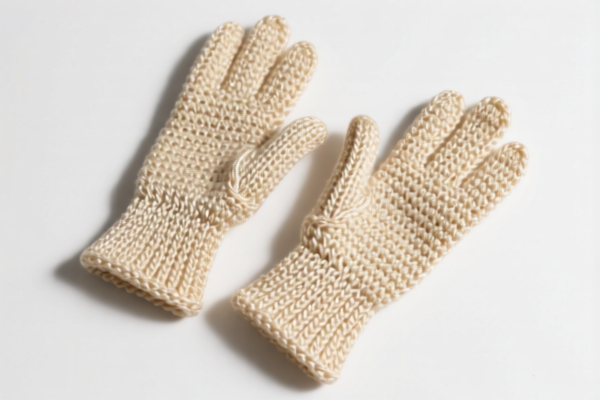
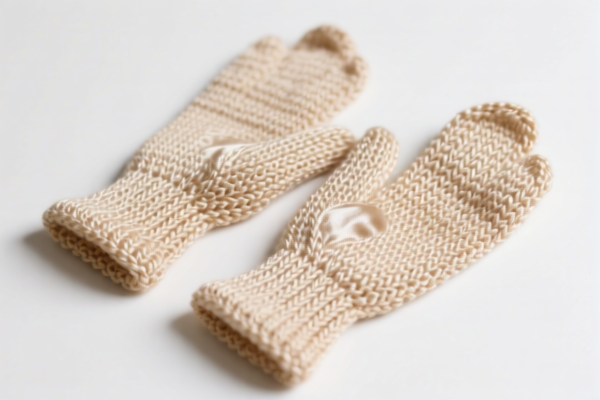
AI Analysis
🧤 Rubber Crocheted Gloves (Rubber-Immersed/Knitted Gloves)
🌐 HS Code Reference & Customs Clearance Guide | 2026 Latest Tariff Analysis | Professional Clearance Strategy
📌 I. Product Definition & Classification: Do You Really Understand "Rubber Crocheted Gloves"?
Rubber crocheted gloves are protective handwear widely used in agriculture, light industry, and household cleaning. The key to classification lies in the base material and the processing method. In international trade, they are primarily divided based on whether the fabric is knitted (including crocheted) and how the rubber is applied (immersed, dipped, or coated).
⚠️ Key Distinction Points: - Knitted/Crocheted Base: The underlying fabric is made by knitting or crocheting loops (e.g., cotton, nylon, polyester blend). - Rubber Treatment: The rubber is applied via immersion, dipping, or coating to make them waterproof/gloves. - VS. Solid Rubber Gloves: Solid rubber gloves (molded vulcanized rubber) belong to Chapter 40. Knitted/Crocheted gloves with rubber coating/immersion belong to Chapter 61.
📦 II. HS Code Classification Details (2026 Latest Tariff Authority Comparison)
Based on the provided data, here are the 5 most relevant HS codes for "Rubber Crocheted Gloves," ranked by relevance and tax efficiency.
| HS Code | Product Description | Application Scenario | Key Characteristics |
|---|---|---|---|
3926.20.40.50 |
Rubber Article Gloves, Reasonable Category Inference | General rubber gloves, non-specific knit/vulcanized ambiguity | Lowest base tax; safe fallback if specific knit nature is unclear |
6116.10.95.00 |
Knitted/Crocheted Gloves, Rubber Material, Subcategory Match | Best Match for crocheted/knitted base with rubber treatment | Correct chapter (61); specific subcategory for non-agri rubber gloves |
6116.10.65.00 |
Rubber Agricultural Gloves, Knitted/Crocheted, Immersed/Coated | Best Match if used for agricultural purposes | Specific agri-use; lower additional tax than solid rubber |
4015.19.51.00 |
Vulcanized Rubber Gloves, Apparel & Accessories | Less Likely: Typically implies molded/solid rubber, not knit base | High tax; applies if customs deems it "solid rubber apparel" rather than textile-based |
4015.19.11.50 |
Vulcanized Rubber Gloves, Apparel & Accessories, No Material Conflict | Edge Case: Used if material composition is disputed but accepted | High tax; applies if specific subcategory of solid rubber is forced |
🔍 Important Note:
- Chapter 61 (6116) is generally preferred for textile-based gloves (knitted/crocheted) with rubber coating/immersion.
- Chapter 40 (4015) is for vulcanized rubber gloves (solid/molded).
- Misclassification between Chapter 61 and 40 can lead to significant tax differences and customs delays.
💰 III. 2026 Latest Tariff Rate Breakdown (Including Additional Taxes & Policy Surcharges)
✅ Applicable Country: United States (US)
✅ Origin: China (CN)
✅ Effective Time: Ongoing (Section 301 & IEEPA measures)
🎯 1. 3926.20.40.50 —— Rubber Article Gloves (Reasonable Category Inference)
| Item | Content |
|---|---|
| Base Tariff | 6.5% (ad valorem) |
| Section 301 Additional Tariff | 0.0% (Note: Data shows 0.0% for this specific subcode, which is rare for China origin; verify with CBP) |
| Section 122 Tariff (IEEPA/Other) | +10% |
| Total Tax Rate | 16.5% |
| Tax Calculation | CIF Value × 16.5% |
| De Minimis Eligibility | ❌ No (subject to standard de minimis rules for articles of rubber) |
| Legal Basis Path | HTSUS:3926.20.40.50 → Section 301 Footnote → IEEPA Section 122 |
📌 Explanation:
- This code offers the lowest total tax rate (16.5%) among the options.
- However, it requires justification that the glove falls under "other articles of rubber" rather than specific knit-glove categories. Use this if the knit nature is ambiguous or for non-agricultural, non-vulcanized rubber gloves.
🎯 2. 6116.10.95.00 —— Knitted/Crocheted Gloves, Rubber Material (Subcategory Match)
| Item | Content |
|---|---|
| Base Tariff | 7.0% (ad valorem) |
| Section 301 Additional Tariff | +7.5% |
| Section 122 Tariff (IEEPA/Other) | +10% |
| Total Tax Rate | 24.5% |
| Tax Calculation | CIF Value × 24.5% |
| De Minimis Eligibility | ❌ No (subject to standard de minimis rules) |
| Legal Basis Path | HTSUS:6116.10.95.00 → Section 301 Footnote → IEEPA Section 122 |
📌 Explanation:
- This is a correct Chapter 61 code for knitted/crocheted rubber gloves.
- It is ideal for general-purpose rubber gloves (cleaning, light industrial) that are not specifically for agriculture.
- Tax is moderate at 24.5%.
🎯 3. 6116.10.65.00 —— Rubber Agricultural Gloves, Knitted/Crocheted (Immersed/Coated)
| Item | Content |
|---|---|
| Base Tariff | 7.0% (ad valorem) |
| Section 301 Additional Tariff | +7.5% |
| Section 122 Tariff (IEEPA/Other) | +10% |
| Total Tax Rate | 24.5% |
| Tax Calculation | CIF Value × 24.5% |
| De Minimis Eligibility | ❌ No |
| Legal Basis Path | HTSUS:6116.10.65.00 → Section 301 Footnote → IEEPA Section 122 |
📌 Explanation:
- Specifically for agricultural use.
- If your gloves are marketed for farming/gardening, this is the most accurate description.
- Same tax rate as general knitted rubber gloves (24.5%), but more defensible in customs if usage is verified.
🎯 4. 4015.19.51.00 —— Vulcanized Rubber Gloves, Apparel & Accessories
| Item | Content |
|---|---|
| Base Tariff | 14.0% (ad valorem) |
| Section 301 Additional Tariff | +25.0% |
| Section 122 Tariff (IEEPA/Other) | +10% |
| Total Tax Rate | 49.0% |
| Tax Calculation | CIF Value × 49.0% |
| De Minimis Eligibility | ❌ No |
| Legal Basis Path | HTSUS:4015.19.51.00 → Section 301 Footnote → IEEPA Section 122 |
📌 Warning:
- This code applies to vulcanized rubber gloves (solid/molded), not knitted/crocheted bases.
- High Tax (49%): Only use if the glove is purely rubber with no textile base.
- Misclassifying knitted gloves here leads to overpayment and potential customs audits.
🎯 5. 4015.19.11.50 —— Vulcanized Rubber Gloves, Apparel & Accessories (No Material Conflict)
| Item | Content |
|---|---|
| Base Tariff | 3.0% (ad valorem) |
| Section 301 Additional Tariff | +25.0% |
| Section 122 Tariff (IEEPA/Other) | +10% |
| Total Tax Rate | 38.0% |
| Tax Calculation | CIF Value × 38.0% |
| De Minimis Eligibility | ❌ No |
| Legal Basis Path | HTSUS:4015.19.11.50 → Section 301 Footnote → IEEPA Section 122 |
📌 Warning:
- Despite a low base tariff (3.0%), the Section 301 tariff is 25%, resulting in a 38% total tax.
- This is still much higher than Chapter 61 codes (24.5%) or the fallback3926code (16.5%).
- Use only if strictly vulcanized rubber and no other classification fits.
🛠️ IV. Customs Clearance Practical Advice (Battle-Tested Pitfall Guide)
✅ 1. Documentation Checklist (Mandatory)
| Document | Required | Notes |
|---|---|---|
| ✅ Product Specifications | ✔️ | Detail: Knit base material (e.g., cotton/nylon blend), rubber type (nitrile, latex, PVC), thickness, coating method (dipped/immersed) |
| ✅ Photos (Labeled) | ✔️ | Show cross-section of the glove (textile base + rubber layer) to prove it's not solid rubber |
| ✅ Usage Declaration | ✔️ | Specify: Agricultural, industrial, or household use. Affects 6116.10.65 vs 6116.10.95 |
| ✅ Commercial Invoice | ✔️ | Clear description: "Rubber-Immersed Knitted Gloves, Not Solid Rubber" |
| ✅ Packing List | ✔️ | Weight per pair, total pairs |
| ✅ Material Composition Statement | ✔️ | Essential to differentiate from Chapter 40 |
✅ 2. Classification Strategy (Key Mantra)
🔥 "Knit Base = Chapter 61, Solid Rubber = Chapter 40, Check Usage for Agri!"
| Scenario | Correct HS Code | Incorrect Code | Consequence |
|---|---|---|---|
| Crocheted/Knitted Base + Rubber Coating | 6116.10.95.00 or 6116.10.65.00 |
4015.19... |
Pay 49% instead of 24.5% → Overpay 24.5% |
| Solid Vulcanized Rubber Glove (No Knit) | 4015.19.51.00 or 4015.19.11.50 |
6116... |
May be rejected as "textile glove" → Delay/Rejection |
| Agri-Use Rubber Gloves | 6116.10.65.00 |
6116.10.95.00 |
Minor risk; usually accepted, but agri-spec is better for defense |
| Unclear Base Material | 3926.20.40.50 |
Any 61/40 code | Lowest tax (16.5%) but requires strong justification of "rubber article" |
✅ 3. Special Case Handling
| Situation | Advice |
|---|---|
| OEM Custom Gloves | Provide design specs showing the knit base. Avoid "solid rubber" terms in naming. |
| Mixed Materials (e.g., Cuff is Knit, Palm is Solid Rubber) | Analyze the "essential character". If palm dominates, may fall under Ch 40. If knit dominates, Ch 61. Seek pre-ruling. |
| Packaging with Other Items | Do not split shipment. Declare as a set if marketed together. |
| Origin Marking | Clearly mark "Made in China" on packaging and product (if applicable) to avoid Section 301 disputes. |
🌍 V. Global Market Comparison (2026 Latest)
| Country/Region | Recommended HS Code | Total Tariff (CN Origin) | Certification | Notes |
|---|---|---|---|---|
| 🇺🇸 USA | 6116.10.95.00 |
24.5% | None specific | High Section 301 tax. Avoid Ch 40 unless solid. |
| 🇨🇳 China | 6116.10.95.00 |
7.0% | GB Standards | No additional surcharges. |
| 🇪🇺 EU | 4015.11.00 (Vulcanized) or 6116.10 (Knit) |
0-6.5% | REACH, PPE Regulation | EU may classify knit-rubber gloves under Ch 40 if rubber is substantial. Check local CBP. |
| 🇬🇧 UK | 6116.10 |
6.5% | UKCA, PPE | Post-Brexit rules similar to EU but with UKCA marking. |
| 🇯🇵 Japan | 4015.19 or 6116.10 |
3.5-7.0% | PSE (if electrical), JIS | Japan is more lenient; Ch 40 common for rubber gloves. |
📌 Conclusion:
- USA has the highest complexity due to Section 301 and IEEPA.
- Chapter 61 (Knitted) is tax-efficient (24.5%) compared to Chapter 40 (38-49%).
- EU/UK may favor Chapter 40 for heavy rubber content, so verify with a local broker.
📌 VI. Common Errors & Pitfall Guide (Lessons Learned)
❌ Error 1: Calling "Knitted Rubber Gloves" as "Vulcanized Rubber Gloves"
👉 Result: Customs assigns 4015 code → 49% tax instead of 24.5%.
👉 Fix: Always state "Knitted Base" in description.
❌ Error 2: Omitting "Crocheted/Knitted" in Product Name
👉 Result: Customs assumes solid rubber → Classify under Ch 40 → High Tax + Delay.
👉 Fix: Use "Rubber-Immersed Knitted Gloves" in invoice.
❌ Error 3: Using 3926 Code for Clearly Knitted Gloves
👉 Result: Customs may accept it (16.5% tax) but risk audit for misclassification if knit base is obvious.
👉 Fix: Only use 3926 if knit structure is not visible or documented. Prefer 6116 for clarity.
❌ Error 4: Not Specifying Agricultural Use for 6116.10.65
👉 Result: If audited, customs may reclassify to 6116.10.95 (same tax) or challenge the specificity.
👉 Fix: Include "For Agricultural Use" if applicable, with photo evidence.
✅ Correct Declaration Example:
"Rubber-Immersed Knitted Gloves, Cotton/Nylon Blend Base, For General Household Use, Not Solid Rubber, Model XYZ"
🎯 VII. Conclusion: Professional Classification Saves Money!
🎯 Remember the Mantra:
🔹 "Knit Base = 61, Solid = 40, Agri = .65, General = .95, Check Tax!"
🔹 "Section 301 adds 7.5% to Ch 61, 25% to Ch 40. Choose Wisely!"
📌 Pro Tip:
If your gloves are knitted but the rubber is very thick (e.g., >1mm), ensure you have cross-section photos ready to prove the textile base. For USA imports, consider applying for a Binding Ruling (CBP Ruling) to lock in the 6116 classification and avoid future disputes.
📣 Take Action Now:
📞 Contact a licensed customs broker + Provide cross-section photos + Request HS Code Pre-Ruling
🚀 Let your gloves pass customs smoothly, minimize tax, and maximize profit!
✨ Professional Clearance Starts with Accurate Classification!
💼 Your every cent counts; calculate precisely!
Customer Reviews
About HS Code Classification
The Harmonized System (HS) is an internationally standardized nomenclature developed by the World Customs Organization (WCO) to classify traded products. Over 200 countries use the HS system as the basis for customs tariffs, trade statistics, and import/export regulations.
Each HS code follows a hierarchical structure:
- Chapter (2 digits) — Broad category of goods (e.g., Chapter 84: Machinery and Mechanical Appliances)
- Heading (4 digits) — More specific grouping within the chapter
- Subheading (6 digits) — Internationally standardized breakdown, used by all WCO member countries
- National subdivisions (8-10 digits) — Country-specific extensions for further classification, such as US HTSUS 10-digit codes
Correct HS code classification is essential for smooth customs clearance, accurate duty payment, and compliance with trade regulations. Misclassification can lead to customs delays, overpayment of duties, or penalties.
When importing from CN to US, the applicable tariff rates may include:
- Most-Favored-Nation (MFN) rate — The standard duty rate applied to WTO members
- General rate — Applied to countries without trade agreements
- Trade remedy duties — Additional tariffs such as Section 301 (anti-dumping), Section 232 (national security), or countervailing duties
The information provided on this page is for reference purposes only. For official classification, please consult with your local customs authority or a licensed customs broker.