Rubber Elastic Rope
CN → US| HS Code | Tariff Rate | Origin | Destination | Doc |
|---|---|---|---|---|
| 4016996050 | 37.5% | CN | US | Official Doc |
| 5604909000 | 40.0% | CN | US | Official Doc |
| 5604100000 | 41.3% | CN | US | Official Doc |
| 9506910030 | 22.1% | CN | US | Official Doc |
| 9506996080 | 21.5% | CN | US | Official Doc |
| 4016993510 | 35.0% | CN | US | Official Doc |
Product Images
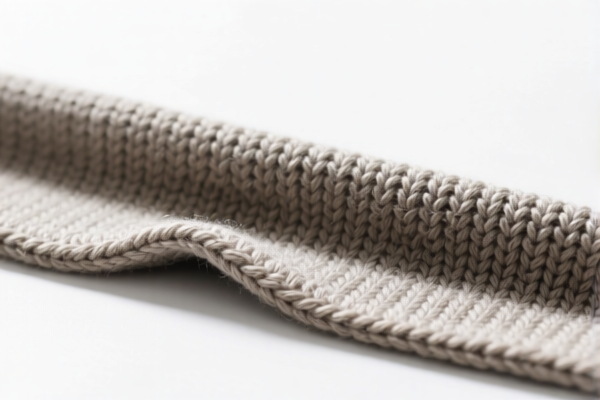
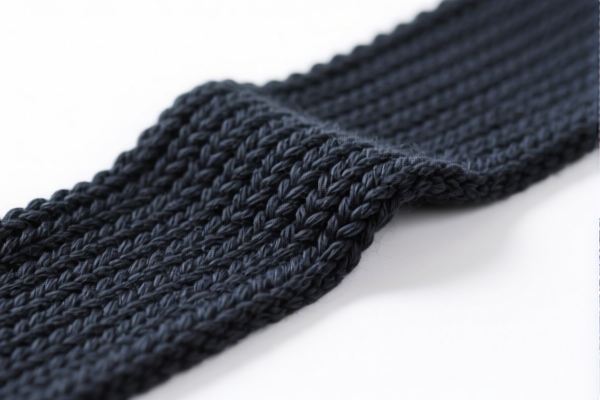
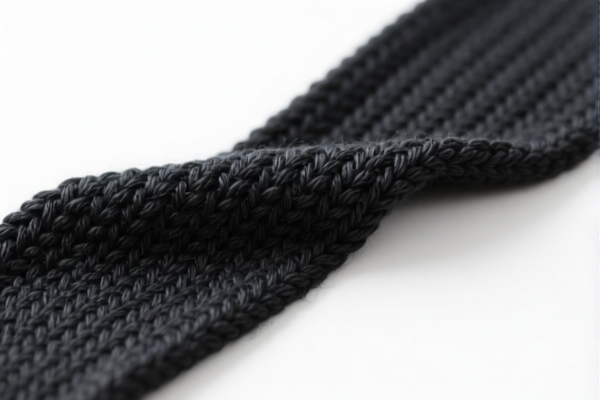
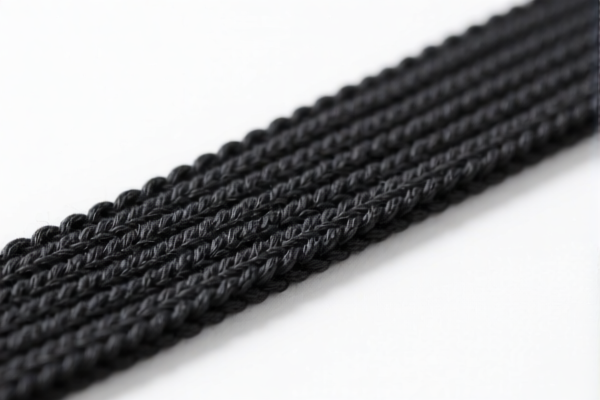
AI Analysis
🧶 Rubber Elastic Rope (Elastomeric Cord/Tape)
🌐 HS Code Reference & Customs Clearance Guide | 2026 Latest Tariff Analysis | Professional Level Compliance Strategy
📌 I. Product Definition and Classification: Do You Really Understand "Rubber Elastic Rope"?
"Rubber Elastic Rope" is a broad term in international trade. It does not refer to a single HS Code but depends entirely on its physical form, manufacturing process, and specific application. In customs classification, the distinction is usually drawn between:
- Raw/Cord-like Form: Elastic threads, tapes, or cords used for textile finishing or industrial reinforcement.
- Finished/Specific Good Form: General-purpose rubber articles (e.g., rubber bands) or sports equipment components.
⚠️ Key Classification Point:
- If the product is a continuous strand/thread used in textiles or general manufacturing → It falls under Chapter 56 (Felt, Non-wovens; Yarns; Thread).
- If the product is a cut piece (like a rubber band) or a specific end-use good (like a fitness band) → It falls under Chapter 40 (Rubber Articles) or Chapter 95 (Toys/Sports Goods).
📦 II. HS Code Classification Details (2026 Latest Tariff Authority Comparison)
Based on the provided data, here are the three distinct classifications for "Rubber Elastic Rope" depending on its exact nature:
| HS Code | Product Description | Applicable Scenario | Key Characteristics |
|---|---|---|---|
5604.90.90.00 |
Elastic Threads/Cords Covered with Rubber | Industrial yarns, elastic waistbands, textile reinforcement | Form: Rope/Thread-like. Feature: Rubber-coated textile. |
5604.10.00.00 |
Elastic Threads/Cords (Unmanufactured/Basic) | Raw elastic cords for further processing, generic elastic strands | Form: Rope. Feature: Rubber or textile covering, basic elastic form. |
9506.91.00.30 |
General Sports/Fitness Equipment | Fitness bands, yoga ropes, exercise cables | Form: Finished good. Feature: Used for sports/fitness, made of rubber/plastic. |
9506.99.60.80 |
Sports Apparatus (Other) | Specific elasticity tools for physical training | Form: Sports apparatus. Feature: Elastic material (rubber/latex) for exercise. |
4016.99.60.50 |
General Rubber Articles (Non-Specific) | General-purpose elastic rubber products not elsewhere specified | Form: General article. Feature: Vulcanized or elastomeric rubber, no specific use. |
4016.99.35.10 |
Natural Rubber Bands | Everyday elastic bands for office/home use | Form: Cut elastic bands. Feature: Natural rubber, distinct elasticity. |
🔍 Critical Note:
- Do not confuse5604(Yarns/Threads) with4016(Rubber Articles).
- If the product is sold as a continuous roll of elastic thread for manufacturing → Use 5604.
- If the product is sold as a finished fitness band for consumers → Use 9506.
- If the product is a pack of rubber bands for office use → Use 4016.
💰 III. 2026 Latest Tariff Rate Breakdown (Including Surcharges & Policy Add-ons)
✅ Applicable Country: United States (US)
✅ Origin: China (CN)
✅ Effective Time: 2025/2026 (Current Trade War Context)
🎯 1. 5604.90.90.00 —— Elastic Threads/Cords (Rubber-Coated)
| Item | Content |
|---|---|
| Base Tariff | 5.0% (ad valorem) |
| Section 301 Surcharge | +25.0% (Section 301 Tariff) |
| 122 Clause Surcharge | +10.0% (Specific China-related clause) |
| Total Tariff Rate | 40.0% |
| Tax Calculation | CIF Value × 40% |
| De Minimis Exemption | ❌ No (High value threshold not met for exemption) |
| Legal Basis Path | Base Tariff: 5.0% + Section 301: 25.0% + Clause 122: 10.0% |
📌 Explanation:
- This is a high-tariff item due to its classification as a manufactured textile/rubber composite.
- The 35% surcharge (25% + 10%) makes it very expensive to import compared to base rates.
🎯 2. 5604.10.00.00 —— Elastic Threads/Cords (Basic)
| Item | Content |
|---|---|
| Base Tariff | 6.3% (ad valorem) |
| Section 301 Surcharge | +25.0% (Section 301 Tariff) |
| 122 Clause Surcharge | +10.0% (Specific China-related clause) |
| Total Tariff Rate | 41.3% |
| Tax Calculation | CIF Value × 41.3% |
| De Minimis Exemption | ❌ No |
| Legal Basis Path | Base Tariff: 6.3% + Section 301: 25.0% + Clause 122: 10.0% |
📌 Note:
- Slightly higher total rate than5604.90due to a higher base duty.
- Still subject to the same heavy surcharges.
🎯 3. 9506.91.00.30 —— General Sports/Fitness Equipment
| Item | Content |
|---|---|
| Base Tariff | 4.6% (ad valorem) |
| Section 301 Surcharge | +7.5% (Reduced Section 301 for specific goods) |
| 122 Clause Surcharge | +10.0% (Specific China-related clause) |
| Steel/Alu/Cu Add-on | +50% (Only if made of steel/aluminum/copper - Note: Pure rubber does not trigger this) |
| Total Tariff Rate | 22.1% |
| Tax Calculation | CIF Value × 22.1% |
| De Minimis Exemption | ❌ No |
| Legal Basis Path | Base Tariff: 4.6% + Section 301: 7.5% + Clause 122: 10.0% |
📌 Advantage:
- Significantly lower total rate (22.1%) compared to the rope classifications (40%+).
- If your product can be legally classified as "Fitness Equipment," this is the preferred code for cost reduction.
- ⚠️ Caution: Ensure the product is marketed and used primarily for sports/fitness to justify this code.
🎯 4. 9506.99.60.80 —— Sports Apparatus (Other Elastic Materials)
| Item | Content |
|---|---|
| Base Tariff | 4.0% (ad valorem) |
| Section 301 Surcharge | +7.5% (Reduced Section 301 for specific goods) |
| 122 Clause Surcharge | +10.0% (Specific China-related clause) |
| Steel/Alu/Cu Add-on | +50% (Only if made of steel/aluminum/copper - Note: Pure rubber does not trigger this) |
| Total Tariff Rate | 21.5% |
| Tax Calculation | CIF Value × 21.5% |
| De Minimis Exemption | ❌ No |
| Legal Basis Path | Base Tariff: 4.0% + Section 301: 7.5% + Clause 122: 10.0% |
📌 Advantage:
- Lowest total rate (21.5%) among sports-related codes.
- Suitable for specialized elastic training tools that don't fit standard "fitness equipment" but are clearly for sports.
🎯 5. 4016.99.60.50 —— General Rubber Articles (Non-Specific)
| Item | Content |
|---|---|
| Base Tariff | 2.5% (ad valorem) |
| Section 301 Surcharge | +25.0% (Section 301 Tariff) |
| 122 Clause Surcharge | +10.0% (Specific China-related clause) |
| Total Tariff Rate | 37.5% |
| Tax Calculation | CIF Value × 37.5% |
| De Minimis Exemption | ❌ No |
| Legal Basis Path | Base Tariff: 2.5% + Section 301: 25.0% + Clause 122: 10.0% |
📌 Risk:
- While the base rate is low (2.5%), the 35% surcharge brings the total to 37.5%.
- Vague classification risk: Customs may challenge "non-specific" articles if the product has a clear use (e.g., fitness). Use only if no specific category fits.
🎯 6. 4016.99.35.10 —— Natural Rubber Bands
| Item | Content |
|---|---|
| Base Tariff | 0.0% (ad valorem) |
| Section 301 Surcharge | +25.0% (Section 301 Tariff) |
| 122 Clause Surcharge | +10.0% (Specific China-related clause) |
| Total Tariff Rate | 35.0% |
| Tax Calculation | CIF Value × 35.0% |
| De Minimis Exemption | ❌ No |
| Legal Basis Path | Base Tariff: 0.0% + Section 301: 25.0% + Clause 122: 10.0% |
📌 Note:
- Lowest base rate (0%), but still hit by the full surcharge.
- Strict Requirement: Must be Natural Rubber. Synthetic rubber bands do NOT qualify.
- Must be in the form of cut bands, not continuous rolls.
🛠️ IV. Customs Clearance Practical Advice (Battle-Proven Pitfall Avoidance)
✅ 1. Preparation Checklist (All Required)
| Document | Must Provide | Explanation |
|---|---|---|
| ✅ Product Specification Sheet | ✔️ | Detail material composition (Natural vs. Synthetic Rubber, % Latex). |
| ✅ Photos (Labeled) | ✔️ | Show the product in use (e.g., fitness exercise vs. bundling packages). |
| ✅ Commercial Invoice | ✔️ | Clearly state the exact HS Code and product name (e.g., "Fitness Resistance Band" vs. "Elastic Cord"). |
| ✅ Packing List | ✔️ | Indicate if sold as rolls (industrial) or individual units (consumer/sports). |
| ✅ Origin Certificate (CO) | ✔️ | To prove Chinese origin for surcharge calculation. |
| ✅ Composition Test Report | ✔️ | If claiming 4016.99.35.10 (Natural Rubber), lab proof is essential. |
✅ 2. Declaration Tips (Key Mnemonics)
🔥 "Use Defines Code: Fitness = Low, Rope = High, Natural = Specific!"
| Scenario | Correct Declaration | Wrong Action |
|---|---|---|
| Fitness Bands | 9506.91.00.30 or 9506.99.60.80 |
Misclassify as "Rubber Rope" → 40%+ tax |
| Elastic Waistband Material (Rolls) | 5604.90.90.00 |
Misclassify as "Fitness Equipment" → Customs rejection/penalty |
| Office Rubber Bands | 4016.99.35.10 (if Natural) |
Use generic "Rubber Product" → Vague declaration risk |
| Industrial Reinforcement Cord | 5604.10.00.00 |
Over-specify as "Sports Gear" → Inconsistent classification |
✅ 3. Special Case Handling
| Situation | Handling Advice |
|---|---|
| Mixed Materials (e.g., Rubber + Cotton Core) | Ensure the rubber coating is the essential character. If so, 5604 is correct. |
| Product Labeling Says "Exercise" | You MUST use 9506 codes. Using 5604 for a labeled fitness product is fraud. |
| Product Labeling Says "Industrial Use" | You MUST use 5604 or 4016. Using 9506 will cause delays. |
| Natural vs. Synthetic | For 4016.99.35.10, only Natural Rubber gets 0% base tax. Synthetic = 4016.99.60.50 (37.5%). |
🌍 V. Global Main Market Comparison (2026 Latest)
| Country/Region | Recommended HS Code | Total Tariff (China Origin) | Notes |
|---|---|---|---|
| 🇺🇸 United States | 9506.91.00.30 (Fitness) |
22.1% | Best option if classified as fitness. |
| 🇺🇸 United States | 5604.90.90.00 (Rope) |
40.0% | High tariff due to Section 301. |
| 🇨🇳 China | 5604.90.90.00 |
5.0% | Low export tax, no Section 301. |
| 🇪🇺 European Union | 5903.20 or 4009 |
Varies (0-4%) | No Section 301. Check EORI/VAT. |
| 🇯🇵 Japan | 5903.20 |
5-10% | Standard MFN rate. |
📌 Conclusion:
- The US market is the most expensive due to Section 301 and Clause 122 surcharges.
- Classification Strategy is Key: Classifying an elastic rope as "Fitness Equipment" (9506) can save nearly 20% in tariffs compared to classifying it as "Rubber Rope" (5604).
- However, this must be supported by product marketing and use. Misclassification leads to severe penalties.
📌 VI. Common Errors & Pitfall Guide (Lessons Learned)
❌ Error 1: Calling a "Fitness Band" a "Rubber Cord"
👉 Consequence: You pay 40% instead of 22%. Wasted Money!
❌ Error 2: Calling a "Industrial Elastic Tape" a "Fitness Band"
👉 Consequence: Customs flags inconsistency between invoice and product. Delays/Seizures!
❌ Error 3: Claiming Natural Rubber for Synthetic Bands
👉 Consequence: Fraud investigation. Heavy Fines & Blacklisting!
❌ Error 4: Ignoring the "122 Clause"
👉 Consequence: Under-declaring taxes. Back-taxes + Interest!
✅ Correct Approach:
"Resistance Bands, 120cm, Natural Latex, for Home Fitness, Model XYZ, CE Certified"
(Use9506.91.00.30)
🎯 VII. Conclusion: Professional Declaration, Save Time & Money!
🎯 Remember the Mnemonic:
🔹 "Fitness = 22%, Rope = 40%, Natural = 35%, Wrong = Penalty!"
🔹 "HS Code Defines Tax, 20% Difference is Huge, Declare Accurately!"
📌 Pro Tip:
If you are exporting Fitness Bands, ensure your marketing materials, website, and labels clearly state "Sports/Fitness Use." This supports your claim for the lower 9506 tariff rate in the US.
Consider applying for an Advance Ruling from US Customs if the product is ambiguous.
📣 Immediate Action:
📞 Consult a licensed customs broker.
📸 Provide product images and usage context.
🚀 Clear your goods smoothly, maximize profit, and avoid customs traps!
✨ Professional Clearance Starts with Accurate Classification!
💼 Every Percent of Tax Matters!
Customer Reviews
About HS Code Classification
The Harmonized System (HS) is an internationally standardized nomenclature developed by the World Customs Organization (WCO) to classify traded products. Over 200 countries use the HS system as the basis for customs tariffs, trade statistics, and import/export regulations.
Each HS code follows a hierarchical structure:
- Chapter (2 digits) — Broad category of goods (e.g., Chapter 84: Machinery and Mechanical Appliances)
- Heading (4 digits) — More specific grouping within the chapter
- Subheading (6 digits) — Internationally standardized breakdown, used by all WCO member countries
- National subdivisions (8-10 digits) — Country-specific extensions for further classification, such as US HTSUS 10-digit codes
Correct HS code classification is essential for smooth customs clearance, accurate duty payment, and compliance with trade regulations. Misclassification can lead to customs delays, overpayment of duties, or penalties.
When importing from CN to US, the applicable tariff rates may include:
- Most-Favored-Nation (MFN) rate — The standard duty rate applied to WTO members
- General rate — Applied to countries without trade agreements
- Trade remedy duties — Additional tariffs such as Section 301 (anti-dumping), Section 232 (national security), or countervailing duties
The information provided on this page is for reference purposes only. For official classification, please consult with your local customs authority or a licensed customs broker.