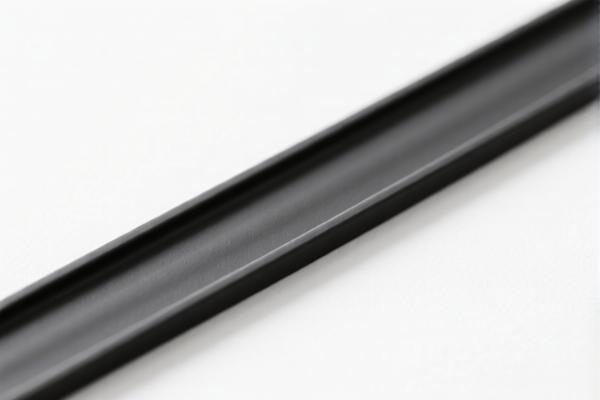
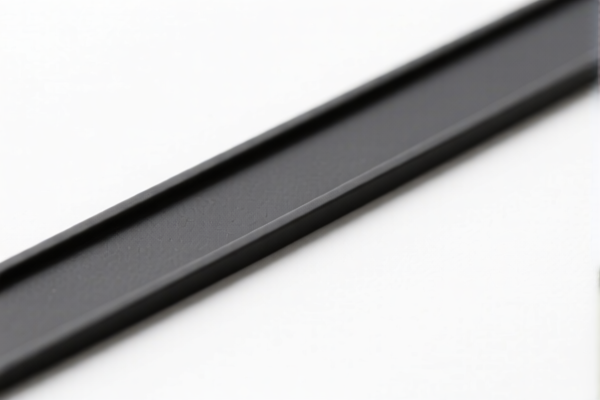
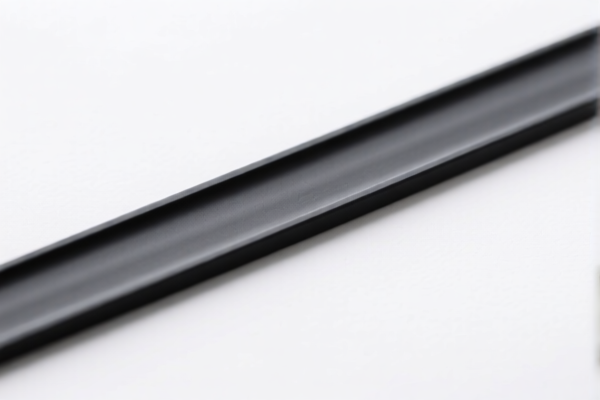
Rubber Electrical Tape Strip
CN → US| HS Code | Tariff Rate | Origin | Destination | Doc |
|---|---|---|---|---|
| 3919102020 | 40.8% | CN | US | Official Doc |
| 3919905030 | 40.8% | CN | US | Official Doc |
Product Images

AI Analysis
⚡ Electrical Tape Strip (Rubber-Based Adhesive)
🌐 HS Code Reference & Customs Clearance Guide | 2026 Latest Tariff Analysis | Professional Customs Strategy
📌 1. Product Definition and Classification: Do You Really Know "Electrical Tape" ?
Rubber-based electrical tape is a critical insulating material used in electrical wiring, cable protection, and repair. In international trade, it is classified under Chapter 39 (Plastics and Articles Thereof) because it consists of a rubber or synthetic rubber backing coated with an adhesive, often laminated with a plastic film.
The key distinction in classification depends on the form (roll vs. cut) and width: * In Rolls (Width ≤ 20 cm): Typically classified under Heading 3919.10. * In Rolls (Width > 20 cm): Typically classified under Heading 3919.90 (Other self-adhesive plates, sheets, film, foil, tape, strip).
⚠️ Key Distinction:
- If the tape is cut into strips (not in rolls) or width exceeds 20 cm, it may fall under 3919.90.
- If the tape is in rolls of width ≤ 20 cm, it falls under 3919.10.
- "Electrical Tape" is explicitly mentioned in the subheadings, ensuring correct classification.
📦 2. HS Code Classification Details (2026 Latest Tariff Authority)
Based on the provided data, the following HS codes are applicable for Rubber Electrical Tape Strip:
| HS Code | Product Description | Applicable Scenario | Width Form |
|---|---|---|---|
3919.10.20.20 |
Self-adhesive plates, sheets, film, foil, tape, strip and other flat shapes, of plastics: In rolls of a width not exceeding 20 cm: Other: Electrical tape | Rolls of electrical tape (width ≤ 20 cm) | ✅ Rolls (≤ 20 cm) |
3919.90.50.30 |
Self-adhesive plates, sheets, film, foil, tape, strip and other flat shapes, of plastics: Other: Other Electrical tape | Other forms (e.g., strips, sheets, or rolls > 20 cm) | ✅ Other Forms |
🔍 Important Note:
- Both codes explicitly include "Electrical tape".
- The primary difference is the form factor:3919.10.20.20is for rolls ≤ 20 cm, while3919.90.50.30covers other formats (including wider rolls or cut strips).
- Do not misclassify as rubber goods (Chapter 40) unless it is pure rubber without plastic/laminated components (rare for modern electrical tape).
💰 3. 2026 Latest Tariff Rate Details (Including Additional Taxes)
✅ Applicable Country: United States (US)
✅ Origin: China (CN)
✅ Effective Date: 2025-11-10 onwards (for subsequent imports)
🎯 1. 3919.10.20.20 – Electrical Tape (Rolls ≤ 20 cm)
| Item | Content |
|---|---|
| Basic Tariff | 0.0% |
| Additional Tariff (Section 301) | 0.0% |
| IEEPA Additional Tariff | 0.0% |
| Total Tariff Rate | 0.0% |
| Tax Calculation | CIF Value × 0.0% = $0.00 |
| De Minimis Eligibility | ❌ Not Applicable (Since tariff is 0%, de minimis is irrelevant for duty, but still subject to other regulations) |
| Legal Basis Path | USITC:3919.10.20.20 → Section 301: Footnote 9903.88.01 → IEEPA:9903.01.25 |
📌 Explanation:
- 0% Total Tariff: This is a zero-duty item under current US trade policy for this specific HS code.
- No Additional Taxes: Unlike many other Chinese-origin goods, electrical tape under this code is exempt from the 25% Section 301 and 10% IEEPA tariffs.
- Cost Advantage: This makes rubber-based electrical tape highly competitive in the US market.
🎯 2. 3919.90.50.30 – Other Electrical Tape
| Item | Content |
|---|---|
| Basic Tariff | 0.0% |
| Additional Tariff (Section 301) | 0.0% |
| IEEPA Additional Tariff | 0.0% |
| Total Tariff Rate | 0.0% |
| Tax Calculation | CIF Value × 0.0% = $0.00 |
| De Minimis Eligibility | ❌ Not Applicable |
| Legal Basis Path | USITC:3919.90.50.30 → Section 301: Footnote 9903.88.01 → IEEPA:9903.01.25 |
📌 Explanation:
- 0% Total Tariff: Same as above, zero-duty for this code.
- Consistency: Both codes for electrical tape benefit from 0% total tariff, ensuring no duty burden for importers.
- No Hidden Costs: Unlike other rubber or plastic goods, this category is not subject to the high additional tariffs affecting many Chinese exports.
🛠️ 4. Customs Clearance Practical Advice (Real-World Pitfall Guide)
✅ 1. Required Documentation Checklist (All Mandatory)
| Document | Mandatory? | Description |
|---|---|---|
| ✅ Product Specification Sheet | ✔️ | Include material composition (rubber/plastic blend), adhesive type, insulation rating (e.g., 600V), width, length, and color. |
| ✅ Product Photos (Labeled) | ✔️ | Clear images of the roll, label, and any safety certifications (UL, CE, RoHS). |
| ✅ Certificate of Compliance | ✔️ | UL (Underwriters Laboratories) or equivalent safety certification is critical for electrical products. |
| ✅ Commercial Invoice | ✔️ | Clearly state "Electrical Tape, Rubber-Based, Adhesive" and HS Code 3919.10.20.20 or 3919.90.50.30. |
| ✅ Packing List | ✔️ | Detail net/gross weight, number of rolls, and dimensions. |
| ✅ Country of Origin Certificate | ✔️ | Confirm Chinese origin to apply correct tariff rates (though 0% here, origin must be declared). |
✅ 2. Declaration Tips (Key Mantras)
🔥 “Specify Material, Declare Width, Quote HS Code, Avoid Penalties!”
| Scenario | Correct Declaration | Wrong Practice |
|---|---|---|
| Rolls ≤ 20 cm | 3919.10.20.20 – "Electrical Tape, Rolls, Width ≤ 20 cm" |
Declare as "Rubber Tape" → Risk of misclassification |
| Rolls > 20 cm or Strips | 3919.90.50.30 – "Other Electrical Tape" |
Declare as "Plastic Film" → Risk of 301 tariff application |
| Mixed Widths in Shipment | Declare separately or use the code that matches the majority | Mix HS Codes in one line item → Customs rejection |
| Without Safety Certs | Provide UL/CE certs upfront | Lack of safety certs → Customs hold or seizure |
✅ 3. Special Case Handling
| Situation | Handling Advice |
|---|---|
| Private Label Tape | Provide authorization letter from brand owner to avoid IP issues. |
| Flammable/Non-Flammable | Declare flame-retardant properties if applicable; may require MSDS. |
| Bulk vs. Retail Packaging | Bulk rolls (industrial) vs. retail boxes (consumer) – declare accordingly; tax is same, but description varies. |
| Samples for Testing | Clearly mark as "Sample for Quality Control" to avoid commercial shipment scrutiny. |
🌍 5. Global Market Comparison (2026 Latest)
| Country/Region | Recommended HS Code | Tariff | Certification | Notes |
|---|---|---|---|---|
| 🇺🇸 USA | 3919.10.20.20 / 3919.90.50.30 |
0% | UL, FCC (if applicable) | Zero duty is a major advantage. |
| 🇨🇳 China | 3919.10.20.20 / 3919.90.50.30 |
0-5% | CCC (if applicable) | Low duty for domestic sales. |
| 🇪🇺 EU | 3919.10.20.20 / 3919.90.50.30 |
0-4% | CE, RoHS | Low duty, strict environmental rules. |
| 🇬🇧 UK | 3919.10.20.20 / 3919.90.50.30 |
0-4% | UKCA, RoHS | Post-Brexit standards apply. |
| 🇦🇺 Australia | 3919.10.20.20 / 3919.90.50.30 |
0-5% | RCM, AS/NZS | Low duty, safety standards enforced. |
📌 Conclusion:
- USA offers 0% tariff for rubber-based electrical tape, making it a highly competitive product.
- Certifications (UL/CE) are more critical than tariffs for market access.
- No additional tariffs apply, unlike many other Chinese-made goods.
📌 6. Common Mistakes & Pitfalls (Lessons Learned)
❌ Mistake 1: Declaring as "Rubber Sheet" instead of "Electrical Tape"
👉 Consequence: Misclassification → Risk of Section 301 Tariff (25%) if misidentified as other rubber goods.
❌ Mistake 2: Ignoring Width Specification
👉 Consequence: If width > 20 cm is not declared, Customs may apply 3919.90.50.30 instead of 3919.10.20.20 (though both are 0%, it causes unnecessary delays).
❌ Mistake 3: Lack of Safety Certifications (UL/CE)
👉 Consequence: Customs may hold shipment for safety verification → Delays and storage fees.
❌ Mistake 4: Combining Electrical Tape with Other Adhesives in One HS Code
👉 Consequence: If other adhesives have different tariffs, it may trigger audits → Potential penalties.
✅ Correct Approach:
"Electrical Tape, Rubber-Based, Adhesive, 19mm Width, 20m Length, UL Certified, Rolls, HS Code: 3919.10.20.20"
🎯 7. Conclusion: Professional Declaration, Save Time, Reduce Costs!
🎯 Remember the Mantra:
🔹 "Width Defines Code, Safety Certs Clear the Way, 0% Duty is the Gain, Declare Accurately, Avoid Pain!"
🔹 "HS Code 3919.10.20.20 / 3919.90.50.30, Zero Duty, Fast Clearance, High Demand!"
📌 Tips:
- If your electrical tape is originally from Vietnam, Malaysia, or Thailand, it may still qualify for 0% duty under US trade agreements.
- Pre-clearance Ruling: Consider applying for an Advance Ruling from US Customs (CBP) to confirm the HS code, especially for new suppliers.
📣 Immediate Action:
📞 Contact a Licensed Customs Broker + Provide UL/CE Certs + Apply for HS Code Pre-Ruling
🚀 Ensure Smooth Customs Clearance, Zero Duty, and Maximum Profit!
✨ Professional Customs Clearance Starts with Accurate Classification!
💼 Every Percent Saved is Profit Gained!
Customer Reviews
About HS Code Classification
The Harmonized System (HS) is an internationally standardized nomenclature developed by the World Customs Organization (WCO) to classify traded products. Over 200 countries use the HS system as the basis for customs tariffs, trade statistics, and import/export regulations.
Each HS code follows a hierarchical structure:
- Chapter (2 digits) — Broad category of goods (e.g., Chapter 84: Machinery and Mechanical Appliances)
- Heading (4 digits) — More specific grouping within the chapter
- Subheading (6 digits) — Internationally standardized breakdown, used by all WCO member countries
- National subdivisions (8-10 digits) — Country-specific extensions for further classification, such as US HTSUS 10-digit codes
Correct HS code classification is essential for smooth customs clearance, accurate duty payment, and compliance with trade regulations. Misclassification can lead to customs delays, overpayment of duties, or penalties.
When importing from CN to US, the applicable tariff rates may include:
- Most-Favored-Nation (MFN) rate — The standard duty rate applied to WTO members
- General rate — Applied to countries without trade agreements
- Trade remedy duties — Additional tariffs such as Section 301 (anti-dumping), Section 232 (national security), or countervailing duties
The information provided on this page is for reference purposes only. For official classification, please consult with your local customs authority or a licensed customs broker.